Product Knowledge
Essential Oil Extraction Methods: Steam, Cold Press, and CO2
Este artículo aún no está disponible en español. Lo estás viendo en inglés.
For procurement managers and brand owners sourcing essential oils at scale, understanding extraction methodology is not academic. It directly affects unit cost, aromatic profile, regulatory compliance, and shelf life. This guide compares the three dominant commercial extraction methods and explains which oils suit which process.
Steam Distillation
Steam distillation remains the industry workhorse, accounting for roughly 80% of global essential oil production by volume. Pressurized steam passes through plant material, rupturing oil-bearing cells and carrying volatile compounds into a condenser where oil and hydrosol separate.
Typical yields:
- Lavender (Lavandula angustifolia): 1.0-1.5% oil by weight of fresh flowers
- Peppermint (Mentha piperita): 0.5-1.0% of dried herb
- Eucalyptus (E. globulus): 1.5-3.5% of fresh leaves
- Clove bud (Syzygium aromaticum): 14-19% of dried buds
Cost structure: Equipment capital ranges from $15,000 for a 500 kg batch still to $200,000+ for continuous-feed industrial systems. Operating costs center on fuel (steam generation) and labor. Per-kilogram production cost for common oils like eucalyptus runs $8-15/kg at factory gate, while lavender sits at $80-140/kg depending on origin.
Quality impact: Steam temperatures (100-110 degrees C at slight pressure) can cause hydrolysis of ester compounds. Linalyl acetate in lavender, for example, partially converts to linalool under prolonged heat. Skilled operators manage this by controlling pressure (typically 0.5-1.5 bar) and distillation time (1-4 hours for most botanicals).
Best suited for: Lavender, tea tree, eucalyptus, peppermint, rosemary, thyme, clove, and most herbaceous or woody materials.
Cold Press (Expression)
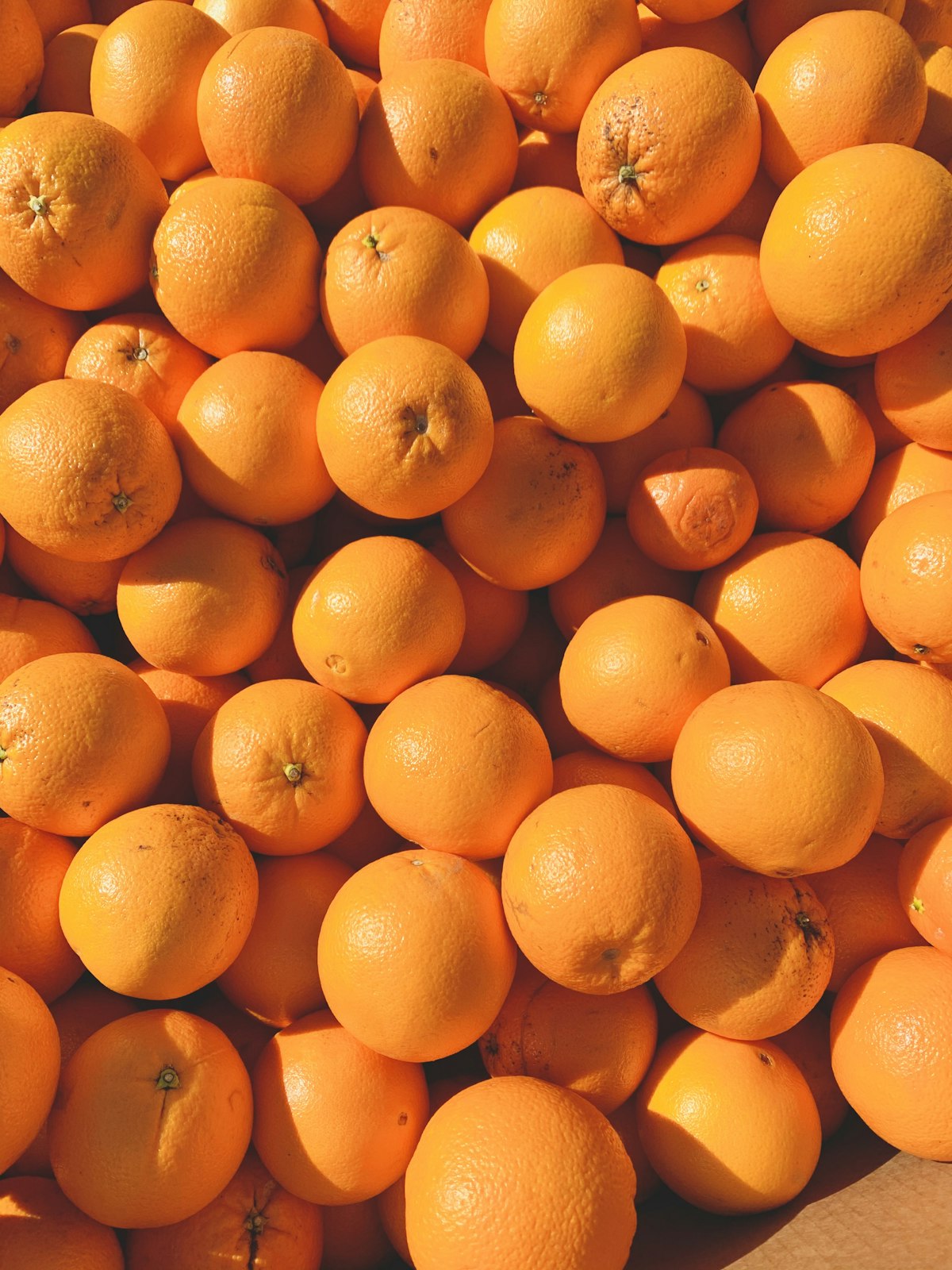
Cold pressing is mechanically simple: the peel of citrus fruit is ruptured and the oil-water emulsion is centrifuged to separate the essential oil. No heat is applied, preserving thermolabile compounds.
Typical yields:
- Sweet orange (Citrus sinensis): 0.3-0.5% of whole fruit weight, or roughly 3-5 kg oil per tonne of fruit
- Lemon (Citrus limon): 0.2-0.4% of fruit weight
- Bergamot (Citrus bergamia): 0.5-0.8% of fruit weight
- Grapefruit (Citrus paradisi): 0.2-0.3% of fruit weight
Cost structure: Cold press operations are typically integrated into juice-processing plants, making the essential oil a by-product. This keeps prices low: sweet orange oil trades at $6-12/kg, lemon at $12-20/kg. Bergamot is the exception at $90-160/kg due to limited growing area (primarily Calabria, Italy).
Quality impact: Cold-pressed oils retain the full top-note spectrum, including aldehydes and esters that steam would degrade. However, they also retain non-volatile residues: waxes, pigments (furocoumarins), and trace pesticides from the peel. Furocoumarin content matters for regulatory compliance in cosmetics (see IFRA restrictions on phototoxic materials).
Best suited for: All citrus peels — orange, lemon, lime, grapefruit, bergamot, mandarin, yuzu.
CO2 Supercritical Extraction
Supercritical CO2 extraction uses carbon dioxide above its critical point (31.1 degrees C, 73.8 bar) as a solvent. The CO2 selectively dissolves aromatic compounds, then depressurizes to leave a solvent-free extract.
Typical yields:
- Chamomile (Matricaria recutita): 0.4-0.7% (vs. 0.2-0.4% by steam)
- Ginger (Zingiber officinale): 2.0-3.5% (vs. 1.0-2.0% by steam)
- Vanilla (Vanilla planifolia): 8-12% oleoresin equivalent
- Black pepper (Piper nigrum): 3.0-4.5%
Cost structure: Capital expenditure is the barrier. A 200-liter industrial CO2 extraction system costs $300,000-$800,000. Operating pressures of 200-400 bar demand specialized engineering. Per-kilogram costs run 2-4x higher than steam-distilled equivalents. CO2-extracted chamomile German may trade at $4,000-7,000/kg versus $2,500-4,000/kg for steam-distilled.
Quality impact: Low operating temperatures (35-50 degrees C) preserve heat-sensitive compounds. CO2 extracts often more closely match the living plant’s aroma profile. They also capture heavier sesquiterpenes and waxes that steam leaves behind, producing a fuller-bodied product. No solvent residue remains, unlike hexane-extracted absolutes.
Best suited for: High-value botanicals where aroma fidelity justifies cost — chamomile, vanilla, ginger, black pepper, hops, frankincense, and spice oils.
Choosing a Method: A Buyer’s Decision Framework
When specifying an oil for your product line, consider:
- Regulatory end-use. Cosmetics in the EU require furocoumarin limits for citrus oils. CO2 or steam-distilled citrus (folded oils) may be preferable to cold-pressed for leave-on skincare.
- Aroma target. Fine fragrance applications increasingly specify CO2 extracts for top-note fidelity. Functional fragrance (cleaning, candles) rarely justifies the premium.
- Volume commitments. Steam distillation scales most economically above 1,000 kg/month. CO2 extraction becomes cost-effective for high-value, lower-volume lines.
- Shelf stability. Cold-pressed citrus oils oxidize faster (12-18 months typical shelf life) versus steam-distilled or CO2 equivalents (24-36 months) due to residual unsaturated terpenes.
At Aromiso, we operate steam distillation and cold press lines in-house and partner with certified CO2 extraction facilities for specialty items. All batches ship with GC-MS documentation regardless of method.
Request a comparative sample set or pricing sheet by contacting our B2B team at aromiso.com.