Packaging & Design
Sustainable Fragrance Packaging: Decision Guide
Dieser Leitfaden ist noch nicht auf Deutsch verfügbar. Sie lesen die englische Version.
Sustainable fragrance packaging is no longer a niche request—it is becoming a standard requirement for international buyers in hospitality, spa, retail, and private-label channels. But ‘sustainable’ means different things depending on material, structure, and market expectations. This guide breaks down the main design, material, and structural options without making unverified claims about certifications or performance. The goal is to help you make a sourcing decision that balances environmental goals, unit cost, logistics, and brand experience.
Material Options and Trade-offs
The first decision is the primary material for the outer package and the container that holds the fragrance.
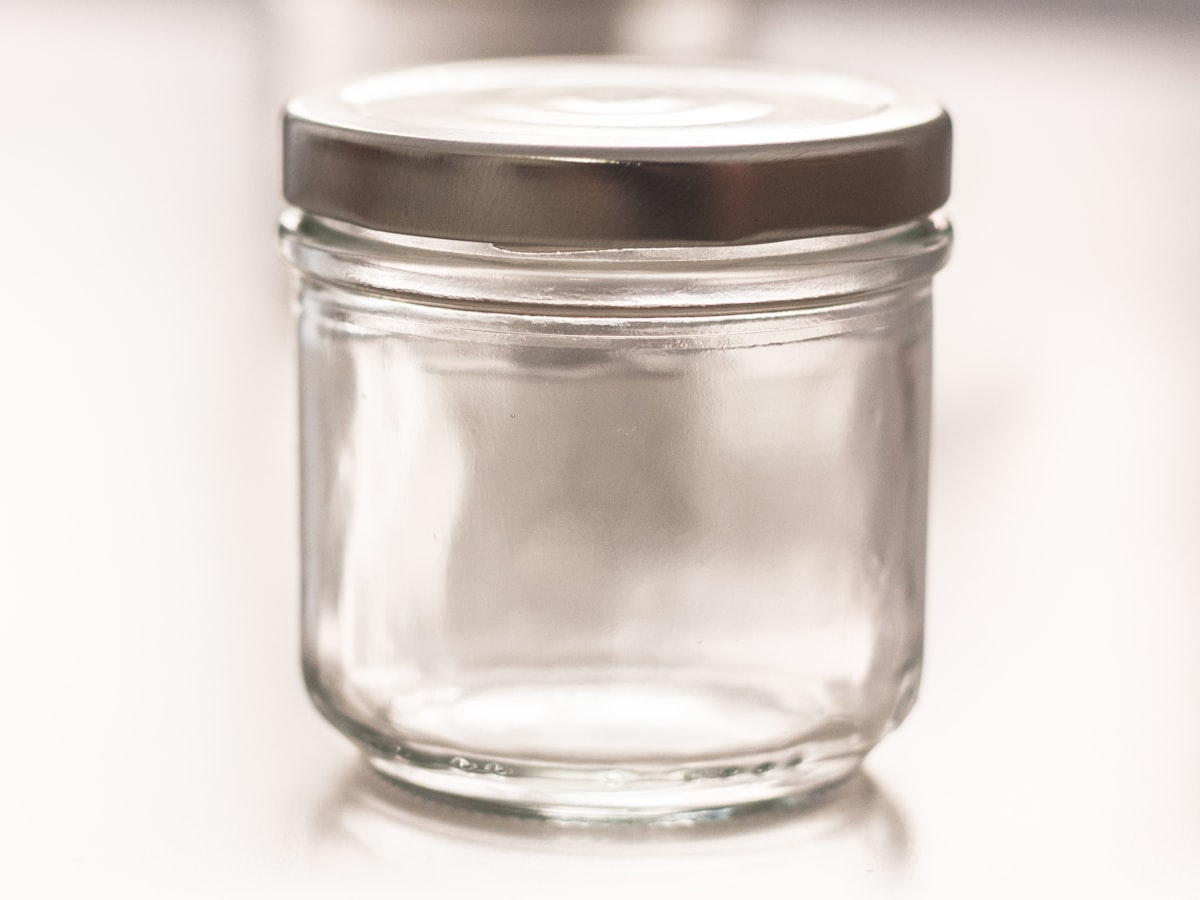
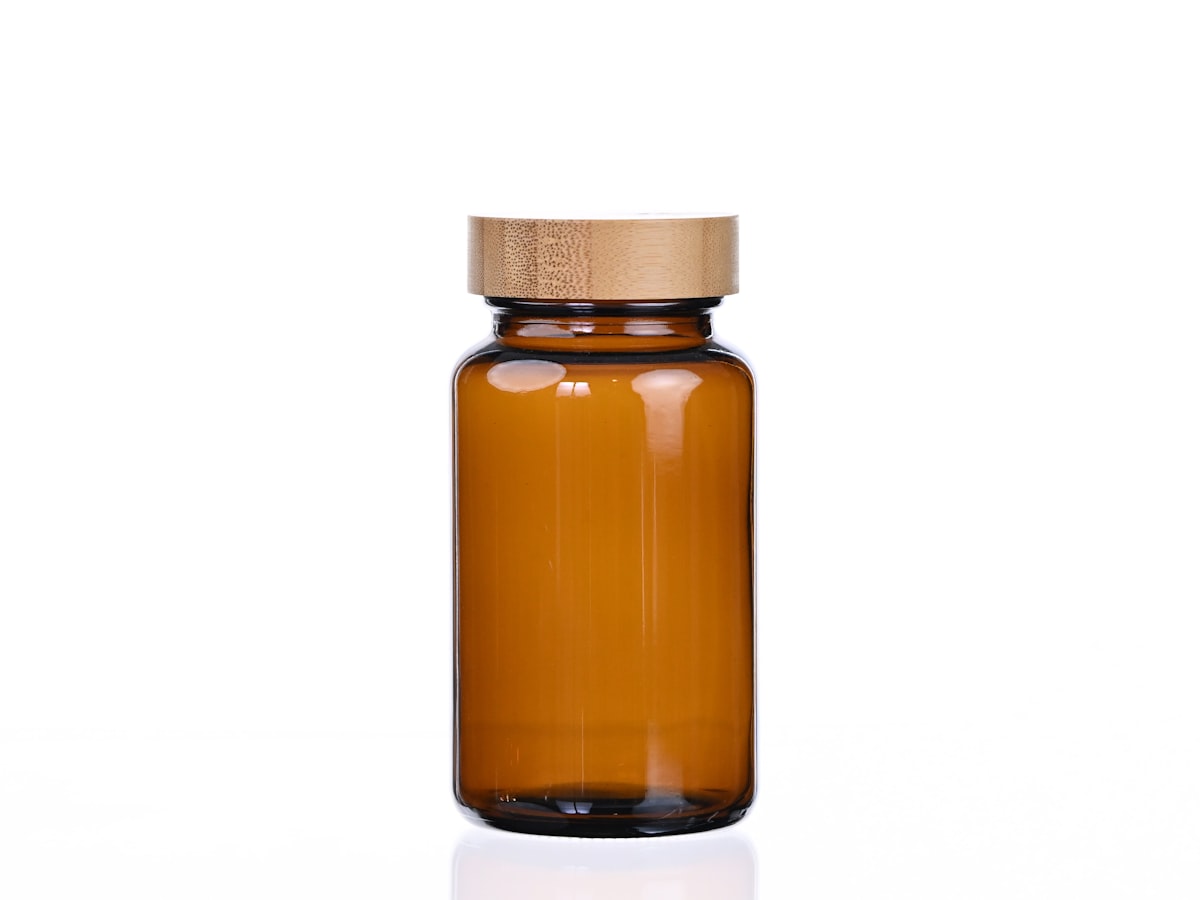
Glass is the traditional choice for fine fragrance and premium amenities. It is infinitely recyclable in theory, but it is heavy, which increases shipping cost and carbon footprint unless sourced locally. Glass also requires careful handling and can break in transit, leading to protective secondary packaging.
Aluminum offers a lighter alternative with good recyclability. It is often used for refillable travel sprays and amenity bottles. The main trade-off is cost: aluminum containers and closures can be more expensive than standard plastic, and tooling for custom shapes may require higher minimums.
Post-consumer recycled (PCR) plastics reduce virgin plastic use, but the material can have color variations and may not be available in all formats. Ask your factory about the percentage of PCR content and whether it affects the closure fit or labeling adhesion—these are practical design questions, not performance claims.
Paper and cardboard are widely perceived as sustainable because they are renewable and lightweight. For fragrance packaging, paper is often used for outer boxes, sleeves, or wraps, but it needs a barrier layer if it comes into direct contact with liquid fragrance. Coatings or inner liners may change recyclability, so specify whether the paper is uncoated, coated, or lined. Paper-based refill cartons for solid fragrances or diffuser reeds are also gaining interest.
Bio-based plastics such as PLA are derived from renewable sources, but they are not accepted in all municipal recycling streams and may require industrial composting. Before choosing bio-based, check your target market’s waste infrastructure; otherwise, you may create a material that is harder to dispose of than conventional plastic.
Mono-material packaging is a design approach rather than a single material. Using the same polymer for bottle, cap, and label (or at least making them easily separable) improves recyclability. This often requires simplifying decoration, avoiding metalized films, and choosing compatible adhesives.
Structural Choices: Refill Systems and Reduced Packaging
The structure of your packaging can have a bigger environmental impact than the material itself. Refill systems are the most visible structural option.
Refillable bottle + refill pouch/cartridge. The customer buys a durable outer bottle once and then replenishes with a lighter, less material-intensive refill. For hotels and spas, this can mean bulk refill containers for in-room dispensers. For retail, it can mean a premium glass or aluminum bottle with a screw-top or snap-in refill. Trade-offs: you need to manage two SKUs, and the refill pouch must be easy to use without spills. The refill pouch itself may be a flexible laminate that is not widely recyclable unless designed as a mono-material film.
Concentrated refills. Instead of selling a full bottle of fragrance, sell a concentrated oil or a smaller refill that the customer mixes with water or a neutral base at home. This reduces shipping weight and packaging volume. However, it changes the user experience and may not suit all fragrance formats, such as perfume sprays.
Modular or replaceable inner components. Some packaging designs separate the decorative outer shell (which can be kept for years) from the inner container that holds the fragrance. This works well for reed diffusers, candles, and solid perfumes. The outer shell may be made from ceramic, wood, or thick glass, while the inner insert is a simple recyclable plastic or aluminum cup.
Eliminating secondary packaging. Removing the outer carton, cellophane wrap, or plastic sleeve reduces waste and cost. But it may reduce shelf impact and protection during shipping. For e-commerce, you might keep a minimal paper wrap instead of a full box. For retail, a simple paper band can replace a full carton.
Bulk formats for amenities. For hotels and spas, wall-mounted or countertop dispensers with large refill pouches reduce individual amenity bottles. This shifts the packaging burden from the guest to the housekeeping operation, so the pump mechanism and refill connection must be robust and easy to clean.
Cost and Supply Chain Implications
Sustainable options often carry a cost premium, but that premium can be offset by other factors. The key is to evaluate total landed cost, not just unit price.
Tooling and minimum order quantities (MOQs). Custom sustainable packaging—such as a proprietary refill mechanism or a unique paper molded insert—may require new molds or dies. These fixed costs are spread over the production run, so smaller orders become more expensive per unit. Ask your factory about existing molds or stock options before commissioning new tooling.
Shipping weight and volume. Lighter materials like paper and thin-wall aluminum reduce freight cost, especially for international shipping. Refill pouches and concentrated refills also reduce volume, allowing more units per carton. Even if the unit price is higher, the lower freight cost may make the total landed cost comparable.
Material price differences. PCR plastics and bio-based materials can be more expensive than virgin plastic, while paperboard is generally less expensive than rigid plastic or glass. However, paperboard may require additional coatings or liners that add cost. Glass can be cost-effective in high volumes but expensive to ship.
Inventory complexity. Refill systems mean you are managing two or more SKUs instead of one. This affects forecasting, warehouse space, and order minimums per SKU. If you are a small brand, start with a single refill format rather than multiple sizes.
What to ask the factory:
- Are there existing molds or stock tooling for refillable bottles or paper boxes?
- Can you provide a mono-material solution for bottle, cap, and label?
- What is the minimum order for PCR content, and does it affect lead time?
- How do you test the fit between the refill pouch and the outer bottle?
- Can you reduce packaging weight or volume without compromising protection?
Decision Framework for Target Markets
Your choice depends on who your end customer is and where the product will be sold.
Hotel and spa amenity programs. Prioritize bulk refill systems and minimal single-use packaging. Wall-mounted dispensers with large pouches reduce labor and waste. Paper or aluminum bottles for take-home amenities may be acceptable if the guest perceives them as premium. Focus on ease of replacement and low total cost per use.
Retail and specialty stores. Shelf appeal still matters. Recyclable glass or aluminum with a simple paper carton may be the sweet spot. Consider a refill program where customers bring back the bottle or purchase a refill pouch. The outer packaging should communicate the sustainability story without overclaiming—use simple material labels, not vague terms like ‘green’.
E-commerce and direct-to-consumer. Packaging must survive shipping without excessive void fill. A mono-material box with paper cushioning is often better than a heavy glass bottle with plastic air pillows. Refill pouches mailed in a flat envelope can reduce dimensional weight. Design the package to be returnable or easy to recycle at home.
Private label and brand owners. If you are launching a private-label fragrance line, work with your factory to select from existing sustainable options rather than developing a custom refill mechanism from scratch. Stock packaging with PCR content or paper-based outer boxes can get you to market faster and at lower cost. Then iterate based on customer feedback.
Checklist for choosing a packaging option:
- Identify the primary sales channel and user behavior (single use vs. refill).
- List the materials available in your factory’s supply chain (glass, aluminum, PCR, paper, bio-based).
- Compare total landed cost: unit price + freight + duties + tooling amortization.
- Assess recyclability in the target market’s waste stream—do not assume all paper or plastic is recycled.
- Prototype the refill mechanism or opening experience with real users before committing.
- Ask the factory for a sample with the exact decoration and closure to confirm fit and finish.
Align with Aromiso
At Aromiso, we understand that sustainable packaging decisions are rarely one-size-fits-all. As a fragrance and essential-oil factory serving international B2B buyers, we can discuss material options, refill structures, and cost implications in plain terms. Explore our packaging and design solutions to see how we can help you choose a practical path, or browse our ready-to-ship catalog for stock options that already meet common sustainability expectations. The right choice is the one that works for your market, your margin, and your end user—not the one with the most impressive marketing claim.