Packaging & Design
Eco-Friendly Packaging Solutions for Fragrance Brands
Dieser Leitfaden ist noch nicht auf Deutsch verfügbar. Sie lesen die englische Version.
The Business Case for Sustainable Fragrance Packaging
Sustainability in fragrance packaging has shifted from brand differentiation to market access. The EU Packaging and Packaging Waste Regulation (PPWR), adopted in 2025 with phased enforcement from 2026-2030, mandates recyclability, minimum recycled content, and packaging minimization for all products sold in the EU. Simultaneously, consumer research shows 67% of European fragrance buyers consider packaging sustainability in purchase decisions, and 41% will pay a premium of 5-10% for verified eco-friendly packaging.
For B2B buyers importing from China, the opportunity is significant: Chinese manufacturers now offer PCR glass, FSC-certified paper, and mono-material plastics at scale, with cost premiums that have narrowed to 8-15% over conventional materials. This guide covers the practical options, their costs, and the regulatory requirements driving adoption.
PCR Glass: Recycled Content in Bottles
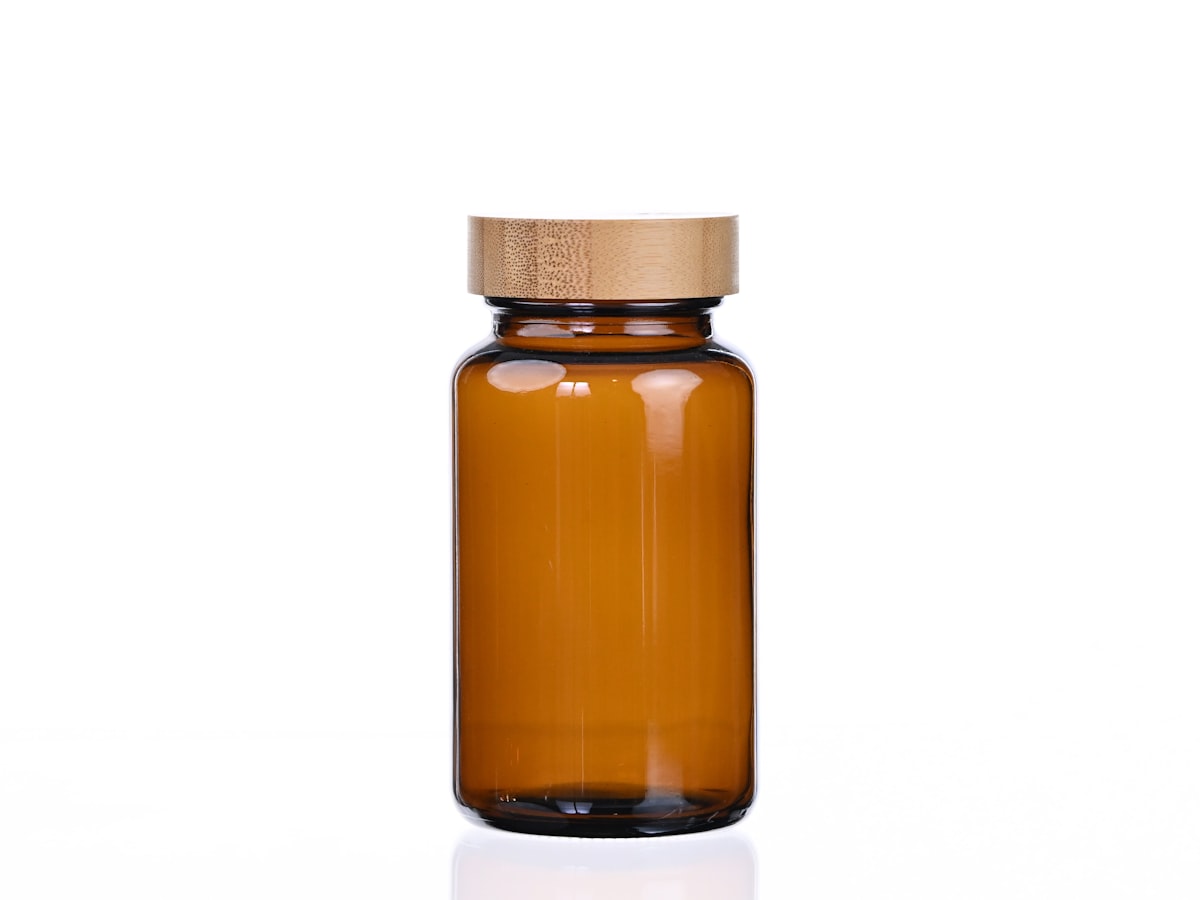
Post-consumer recycled (PCR) glass is the highest-impact sustainability switch for fragrance brands because glass represents 30-40% of packaging weight and is infinitely recyclable.
| Specification | Conventional Glass | PCR Glass (30% cullet) | PCR Glass (50% cullet) |
|---|---|---|---|
| Recycled content | 10-20% (furnace standard) | 30% minimum verified | 50% minimum verified |
| Color consistency | Excellent (flint clear) | Very good (slight warm tint) | Good (visible green/amber tint) |
| Energy reduction | Baseline | -12-15% furnace energy | -20-25% furnace energy |
| CO2 reduction | Baseline | -10-12% | -18-22% |
| Cost premium | Baseline | +5-8% | +10-15% |
| MOQ (China suppliers) | 1,000+ units | 3,000+ units | 5,000+ units |
Practical notes:
- PCR glass above 50% recycled content shows visible color variation (green or amber tint from mixed cullet). For clear flint bottles, 30% PCR is the practical maximum without compromising aesthetics.
- Request a Global Recycled Standard (GRS) certificate from the glass factory to substantiate recycled content claims. EU regulators increasingly audit green claims under the Green Claims Directive (2024/0085).
- Weight reduction compounds the benefit: a 30% PCR bottle that is also 20% lighter delivers approximately 35-40% total CO2 reduction versus a conventional heavy flint bottle.
FSC-Certified Boxes and Paper Components
Paper-based packaging (outer boxes, inserts, sleeves, tissue) is the easiest sustainability win because FSC-certified sources are widely available in China at minimal premium.
| Component | Conventional | FSC-Certified | Cost Premium |
|---|---|---|---|
| Folding carton (350gsm SBS) | $0.18-0.30 | $0.20-0.34 | +5-10% |
| Rigid box (greyboard + wrap) | $0.55-1.20 | $0.60-1.30 | +5-8% |
| Tissue paper wrap | $0.02-0.04 | $0.03-0.05 | +10-15% |
| Molded pulp insert | $0.04-0.08 | $0.05-0.09 | +8-12% |
| Paper shopping bag | $0.08-0.15 | $0.09-0.17 | +8-12% |
FSC certification levels:
- FSC 100%: All fiber from FSC-certified forests. Highest credibility, highest cost.
- FSC Mix: Blend of certified, recycled, and controlled sources. Most common for packaging.
- FSC Recycled: 100% post-consumer waste fiber. Best for inserts and inner components.
Ensure your printer holds a valid FSC Chain of Custody (CoC) certificate. The FSC logo on your box is only legitimate if every entity in the supply chain (mill, printer, converter) is CoC-certified. Request the certificate number and verify it on the FSC info database.
Soy and Vegetable-Based Inks
Conventional petroleum-based inks contain VOCs and complicate paper recycling. Soy and vegetable-based inks offer:
- VOC reduction: 60-80% lower VOC emissions during printing
- De-inking: Superior performance in paper recycling (cleaner fiber recovery)
- Color gamut: Comparable to conventional inks for CMYK; slightly limited for some spot Pantone colors
- Cost premium: +3-5% on print cost (negligible at the unit level, approximately $0.005-0.01 per box)
- Certification: Request SoySeal certification (American Soybean Association) or equivalent vegetable ink declaration
For fragrance boxes with heavy ink coverage (full-bleed designs), soy inks perform identically to conventional inks on modern offset presses. The switch is essentially cost-neutral and should be standard practice.
Mono-Material Design for Recyclability
The EU PPWR requires all packaging to be “designed for recycling” by 2030, with specific recyclability thresholds:
| PPWR Requirement | Effective Date | Impact on Fragrance Packaging |
|---|---|---|
| All packaging must be recyclable by design | 2030 | Eliminate mixed-material laminates |
| Minimum 30% PCR content in plastic packaging | 2030 | Affects pumps, collars, caps |
| Minimum 30% PCR content in glass | 2030 (under discussion) | Already achievable |
| Packaging minimization (weight/volume ratio) | 2030 | Reduce void space, eliminate double-boxing |
| Ban on intentionally added PFAS in packaging | 2026 | Affects grease-resistant coatings |
| Digital watermark for sorting | 2028 (pilot) | May require packaging marking |
Mono-material strategies for fragrance:
- Replace PET+PE laminated boxes with single-substrate paperboard (recyclable in paper stream)
- Switch from multi-material pump (PP + stainless steel + PE) to all-PP pump systems (now available from Aptar, Silgan)
- Use paper-based wraps instead of PET shrink sleeves
- Eliminate foam inserts (EVA, PE) in favor of molded pulp or corrugated paper cradles
Refillable Systems
Refillable fragrance packaging is growing at 22% CAGR in Europe, driven by both regulation (PPWR reuse targets) and consumer economics:
| System Type | Mechanism | Cost vs. Single-Use | Consumer Savings |
|---|---|---|---|
| Refill pouch + permanent bottle | Flexible pouch pours into decorative bottle | +40-60% initial, -30% per refill | 25-35% per refill |
| Cartridge system | Pre-filled cartridge clicks into outer shell | +50-80% initial, -25% per refill | 20-30% per refill |
| Return-and-refill | Consumer returns empty bottle, receives refilled one | +10-15% logistics cost | 15-20% per cycle |
| In-store refill station | Bulk dispenser fills consumer’s own bottle | -20-30% packaging cost | 30-40% per refill |
For B2B buyers: Refill systems require higher initial tooling investment (custom bottle with durable closure mechanism, typically $3,000-8,000 for mold) but create customer lock-in and higher lifetime value. The permanent outer vessel should use premium materials (heavy glass, aluminum, wood) to justify the price premium and encourage retention.
Cost Premium Summary
| Sustainability Measure | Unit Cost Premium | Payback Mechanism |
|---|---|---|
| PCR glass (30%) | +$0.03-0.06/bottle | Brand positioning, EU compliance |
| FSC box | +$0.02-0.04/box | Market access (some retailers require) |
| Soy ink | +$0.005-0.01/box | Negligible; standard practice |
| Mono-material redesign | +$0.05-0.15/unit (or neutral) | Eliminates future PPWR non-compliance risk |
| Refillable system | +$0.80-1.50 initial unit | Repeat purchase revenue, 25-35% margin on refills |
| Total premium (full eco package) | +8-15% vs. conventional | Justified by pricing power and regulatory compliance |
Consumer Perception Data
Recent European consumer surveys (2024-2025) relevant to fragrance packaging:
- 67% check packaging recyclability before purchase (up from 52% in 2021)
- 41% will pay 5-10% more for verified sustainable packaging
- 73% distrust vague “eco-friendly” claims without certification (FSC, GRS, EU Ecolabel)
- 58% prefer glass over plastic for fragrance (perceived quality + recyclability)
- 34% have purchased a refill product in the past 12 months (up from 19% in 2022)
- Greenwashing skepticism is highest in Germany, Netherlands, and Scandinavia — markets where unsubstantiated claims carry legal risk under the Green Claims Directive
Implementation Roadmap
| Phase | Timeline | Actions | Investment |
|---|---|---|---|
| Quick wins | 0-3 months | Switch to FSC boxes, soy inks, eliminate plastic laminate | +5-8% packaging cost |
| Material upgrade | 3-6 months | Source PCR glass (30%), molded pulp inserts | +8-12% packaging cost |
| Design optimization | 6-12 months | Mono-material redesign, weight reduction, PPWR audit | $2,000-5,000 design/tooling |
| Refill launch | 12-18 months | Develop refillable hero SKU, refill pouch line | $5,000-15,000 tooling |
Working with Aromiso
Aromiso offers a full eco-packaging program including GRS-certified PCR glass, FSC CoC-certified printing, soy ink as standard, and molded pulp inserts — all available from our MOQ of 100 pieces per SKU. We provide PPWR compliance audits for EU-bound products and can develop refillable packaging systems with custom tooling. DDP shipping terms include all export documentation, and we supply GRS/FSC certificates with every shipment for your sustainability reporting.