Industry Verticals
Automotive Fragrance OEM: Car Scent Products for Dealers & Brands
Dieser Leitfaden ist noch nicht auf Deutsch verfügbar. Sie lesen die englische Version.
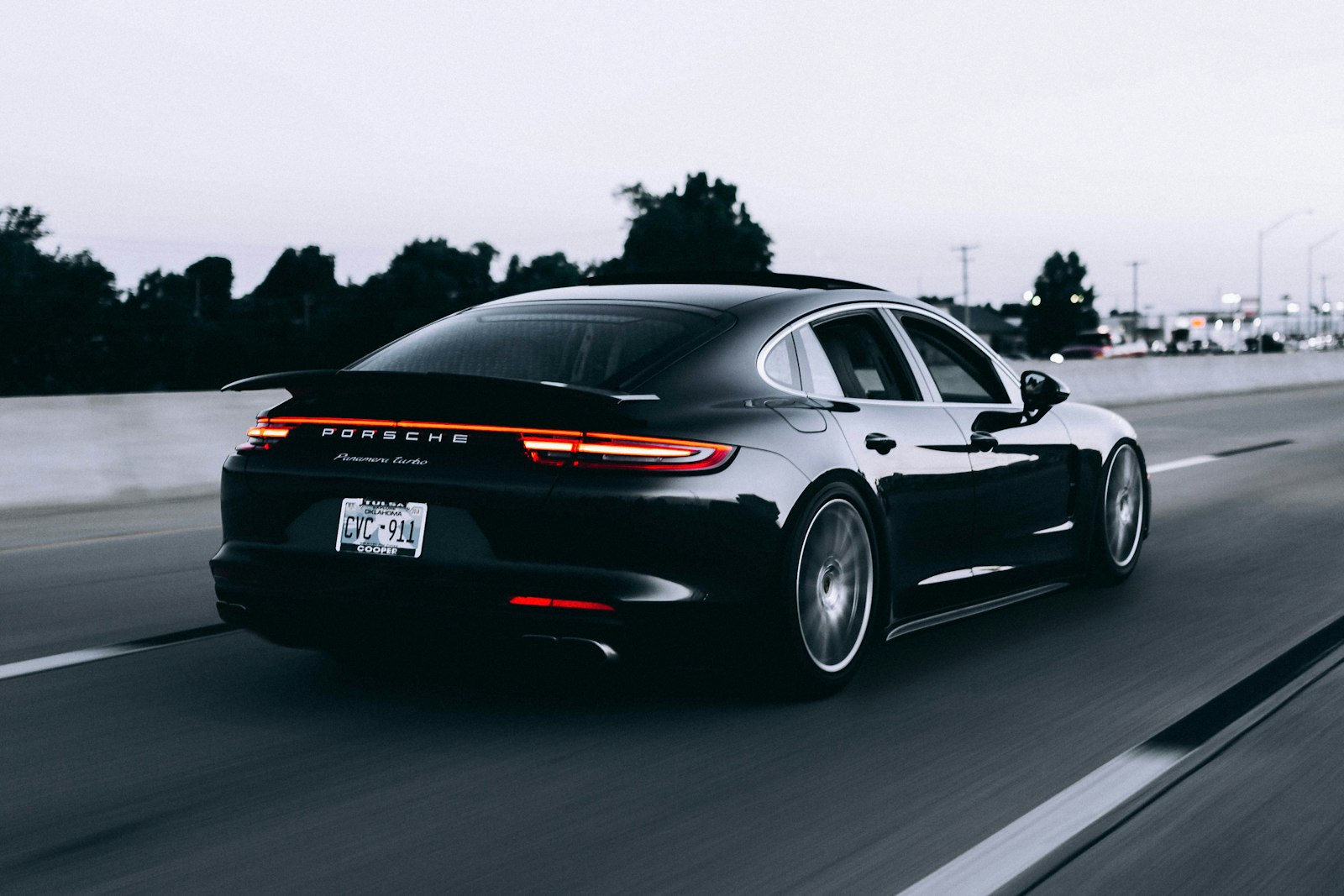
Every year, thousands of auto dealers, aftermarket brands, and corporate fleet operators search for a car air freshener manufacturer that can deliver consistent quality at scale — and most of them hit the same wall. Generic hanging trees from trading companies lack the branding power to differentiate a dealership experience, while premium vent-clip diffusers sourced piecemeal from multiple factories create QC nightmares and shipment delays. The gap between “cheap promotional item” and “branded automotive scent product that reinforces customer loyalty” is wider than most buyers expect, and closing it requires understanding how automotive fragrance OEM programs actually work.
This guide breaks down the full sourcing process for vehicle fragrance branding projects: product format selection, cost structures, compliance requirements, minimum order quantities, and the timeline from first inquiry to container loading. Whether you are a procurement manager outfitting 200 dealership locations or a brand owner launching a private-label car fragrance line on Amazon, the specifics below will help you negotiate better terms, avoid costly reformulation cycles, and land a product that performs in the cabin environment for 45 to 90 days without fading.
Choosing the Right Car Fragrance Format
The format you select determines unit cost, perceived value, fragrance longevity, and packaging complexity. Below is a comparison of the five most common automotive scent product formats manufactured in China:
| Format | Unit Cost (FOB) | Fragrance Life | MOQ Typical | Best For |
|---|---|---|---|---|
| Hanging card (paper/cellulose) | $0.12 - $0.35 | 2-4 weeks | 10,000 pcs | Promotional giveaways, high-volume dealer programs |
| Vent clip (plastic + felt pad) | $0.45 - $1.20 | 4-6 weeks | 5,000 pcs | Aftermarket retail, subscription boxes |
| Gel can / tin | $0.80 - $1.80 | 6-10 weeks | 3,000 pcs | Premium dealer gifting, branded merchandise |
| Liquid diffuser (glass bottle + wood cap) | $1.50 - $3.50 | 8-12 weeks | 2,000 pcs | Luxury vehicle brands, boutique auto shops |
| Electronic / USB diffuser | $3.00 - $8.00 | Refillable | 1,000 pcs | Fleet vehicles, ride-share branding, tech-forward brands |
- Hanging cards remain the volume leader for dealerships because they can be produced at under $0.20 per unit at 50,000-piece runs, but fragrance retention drops sharply after 14 days in hot climates.
- Vent clips offer the best balance of cost and longevity for retail brands; the replaceable felt pad model enables recurring revenue through refill sales.
- Liquid diffusers with wood caps command the highest perceived value and are the fastest-growing segment in vehicle fragrance branding for EV brands targeting premium buyers.
OEM Cost Structure: What You Are Actually Paying
A car fragrance OEM quote from a Chinese factory typically bundles four cost layers. Understanding each one prevents surprise markups:
- Fragrance compound (15-30% of unit cost): IFRA-compliant oil blends, typically 15-25% concentration in a DPG or ethanol base. Custom scent development adds $300-$800 per formula in R&D fees, waived at order volumes above 20,000 units at most factories.
- Carrier and housing (30-50%): Plastic injection-molded clips, glass bottles, tin cans, or cellulose boards. Tooling for a custom mold runs $1,500-$4,000 and takes 25-35 days; using an existing factory mold eliminates this cost entirely.
- Packaging and labeling (10-20%): Blister packs, printed boxes, or poly bags. Full-color printed boxes with your logo start at $0.08-$0.25 per unit depending on quantity and board weight.
- Assembly, QC, and margin (15-25%): Final assembly, leak testing, 24-hour scent-throw verification, and factory profit.
For a vent-clip product at 10,000 units, expect a landed FOB price between $0.65 and $0.95 including custom fragrance and printed box. At 50,000 units, that same spec drops to $0.42-$0.60.
Compliance and Testing Requirements by Market
Automotive fragrance products sit at the intersection of chemical regulation and consumer product safety. Requirements differ significantly by destination:
- United States: No pre-market approval required, but California Prop 65 mandates warnings if the formula contains listed chemicals (common triggers: linalool, limonene above threshold levels). ASTM F2057 applies if the product includes a child-resistant closure.
- European Union: CLP Regulation (EC 1272/2008) requires hazard labeling on retail packaging. REACH registration applies to fragrance substances imported above 1 tonne per year. EN 71 testing is advisable if the product could be handled by children.
- Middle East / GCC: GSO technical regulations require Arabic-language hazard labels and, in some cases, conformity certificates from accredited labs.
- Australia: NICNAS (now AICIS) registration for new chemical entities; standard fragrance ingredients are generally listed.
A reputable car air freshener manufacturer will provide SDS (Safety Data Sheets), IFRA certificates, and third-party test reports (SGS, Intertek, or Bureau Veritas) as part of the documentation package. Budget $400-$900 per SKU for a full compliance testing panel covering heavy metals, phthalates, and VOC emissions.
Scent Development for the Cabin Environment
Cabin conditions are hostile to fragrance performance: interior temperatures reach 70-85 C in summer sun, UV exposure degrades top notes, and HVAC airflow disperses volatiles rapidly. A scent that performs beautifully in a living room will vanish in a car within days if not engineered for this environment.
- Base-note anchoring: Specify a minimum 40% base-note composition (musk, amber, woody accords) to ensure longevity. Top-heavy citrus or aquatic blends fade within 10-14 days in a vehicle.
- Flash point verification: Require a minimum flash point of 65 C for any liquid format to prevent off-gassing spikes and safety issues in parked vehicles.
- Accelerated aging tests: Request the factory run 72-hour oven tests at 60 C (simulating roughly 8 weeks of real-world use) and provide before/after scent panels.
- Scent intensity calibration: For vent clips, target 18-22% fragrance load on the felt pad. Below 15%, consumers report “no smell”; above 25%, headache complaints rise in reviews.
Most OEM programs include 2-3 rounds of sample revisions. Lock your formula after round two to avoid timeline slippage; each additional revision cycle adds 7-10 days.
Vehicle Fragrance Branding: Design and Customization Checklist
Branding is where a $0.50 commodity becomes a $4.99 retail product or a memorable dealership touchpoint. Use this checklist before sending artwork files to your manufacturer:
- Logo application method: Pad printing (1-2 colors, $0.02-$0.05/unit), UV digital printing (full color, $0.06-$0.12/unit), or hot stamping (metallic finish, $0.04-$0.08/unit).
- Custom shape tooling: If you need a branded silhouette (car logo shape, bottle contour), confirm mold ownership terms. At Aromiso, molds paid by the client remain client property with a signed agreement.
- Packaging dielines: Request factory dieline templates in AI or PDF format before designing. Bleed area is typically 3 mm; barcode placement must meet ISO/IEC 15416 scan-grade requirements for retail.
- Color matching: Provide Pantone codes for all brand colors. Allow one physical proof round for color approval on the actual substrate (plastic, glass, or cardboard renders differently).
- Regulatory text placement: Reserve space for CLP pictograms (EU), Prop 65 warnings (US-CA), and batch/expiry codes. Minimum font size is 1.2 mm for EU hazard statements.
Production Timeline and Order Planning
From signed purchase order to FOB shipment, a standard automotive fragrance OEM run follows this sequence:
- Sample confirmation (7-14 days): Final scent and packaging approval.
- Raw material procurement (10-15 days): Fragrance oils, plastic resin, glass, packaging board.
- Production and assembly (12-18 days): Injection molding, fragrance filling, assembly, labeling.
- QC and inspection (3-5 days): AQL 2.5 sampling, leak tests, visual inspection.
- Packing and container loading (3-5 days): Cartons, pallets, container stuffing.
Total lead time: 35-55 days for a first order; 28-40 days for reorders with existing molds and confirmed formulas. Add 25-35 days for ocean freight to North America or Europe. Plan your initial order at least 90 days before your target on-shelf or dealership rollout date.
Evaluating a Car Air Freshener Manufacturer
Not every fragrance factory can handle automotive specs. Screen potential partners against these criteria:
- Automotive-specific QC: Ask whether they run high-temperature aging tests and HVAC airflow simulations, not just standard room-temperature scent panels.
- Mold and tooling capability: In-house injection molding saves 10-15 days versus outsourcing and gives you direct control over dimension tolerances.
- Fragrance lab on site: Factories with in-house perfumers iterate faster (3-5 days per revision) than those outsourcing compound blending.
- Certifications: ISO 9001, ISO 14001, and BSCI or Sedex audit reports indicate process maturity.
- Reference clients: Request 2-3 references from automotive or dealership programs they have fulfilled in the past 24 months.
Review the product catalog for available car fragrance formats, then compare specs against your brand requirements before initiating contact.
Common Pitfalls and How to Avoid Them
- Underestimating climate impact: A formula validated in a 25 C showroom will over-perform in a Phoenix summer and under-perform in a Scandinavian winter. Request multi-temperature panel data (5 C, 25 C, 55 C) before approval.
- Skipping pre-shipment inspection: A third-party inspection ($250-$400 per man-day) catches defects — cracked clips, underfilled bottles, misprinted labels — before goods leave the factory. The cost is trivial against a container of non-conforming product.
- Ignoring refill economics: If your business model depends on repeat purchases (subscription, dealer loyalty programs), confirm that refill pads or cartridges are available at a 40-60% lower unit cost than the initial kit.
- Over-customizing on first order: Use factory-standard molds and packaging for your initial 5,000-10,000 unit run to validate market response. Invest in custom tooling only after confirming sell-through data.
Next Steps
If you are ready to source an automotive scent product line, start with three actions this week:
- Define your format and volume: Use the comparison table above to select one or two formats and estimate your annual unit requirement. This determines whether you negotiate from the 5,000-unit or 50,000-unit price tier.
- Prepare your brief: Compile your target scent profile (or reference 2-3 existing products), brand guidelines, destination market compliance needs, and packaging mockups. A complete brief compresses the sampling phase from 3 weeks to 10 days.
- Request samples from a qualified OEM: Explore the OEM program details for tooling, MOQ, and customization options, then request a quote with your brief attached. Expect initial samples within 7-10 business days and a formal quotation within 48 hours of sample approval.
The automotive fragrance category rewards brands that treat scent as a strategic touchpoint rather than a throwaway giveaway. With the right OEM partner, a well-engineered car fragrance program delivers 6-12 months of daily brand exposure per unit at a cost measured in cents. The manufacturers who invest in proper formulation, compliance, and branding today are the ones building defensible market positions as the category matures.