Product Knowledge
Sustainable Packaging Options for Aroma Brands
Dieser Artikel ist noch nicht auf Deutsch verfügbar. Sie lesen die englische Version.
Sustainability claims on a candle box or diffuser carton are easy to print and hard to defend. EU and US retailers increasingly ask for evidence — recycled-content percentages, recyclability statements, FSC certificates — before they list a product. For aroma brands, the good news is that the core packaging formats are already among the most sustainable on the shelf. The work is in the details.
Glass remains the anchor
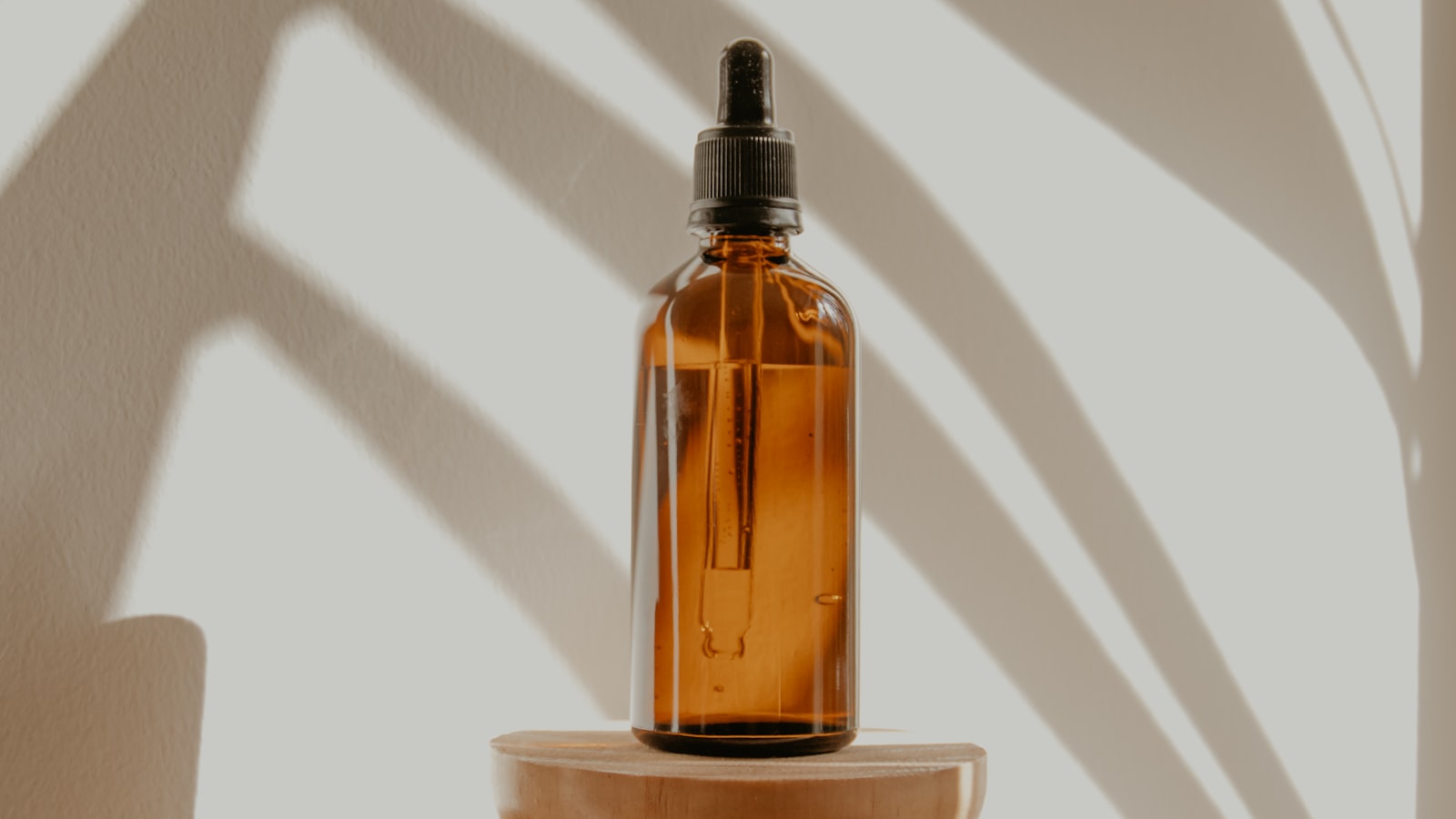
Amber and flint glass are the industry default for essential oils and candles for a reason: they are inert, impermeable to volatile compounds, and infinitely recyclable without loss of quality. In the EU, glass packaging collection rates exceed 80 percent, and cullet (recycled glass) melts at a lower temperature than raw batch material, cutting furnace energy by roughly 2–3 percent for every 10 percent of cullet used.
Where brands can move quickly is weight. A standard 200 ml candle jar typically weighs 280–320 g; lightweight versions at 220–240 g are now widely available from Chinese glass factories and hold the same fill. On a 40-foot container, that difference removes more than a tonne of shipped weight and trims freight cost per unit by a few percentage points. Ask your OEM supplier for the lightweight mould option before tooling is confirmed — switching later means new moulds at USD 1,500–3,000 per cavity.
Recycled content: what is actually available
Post-consumer recycled (PCR) glass at 30–60 percent cullet content is standard in most amber lines; some suppliers quote up to 85 percent for flint glass, though colour consistency drifts at the top end. For closures, look for PCR PP or aluminium — aluminium is the easier sustainability story because it is widely recycled and the recycled-content claim is well documented. Avoid multi-material closures, such as a PP cap with a metallised shell, if recyclability is the claim; they frustrate sorting lines and weaken the story.
Paper and the outer carton
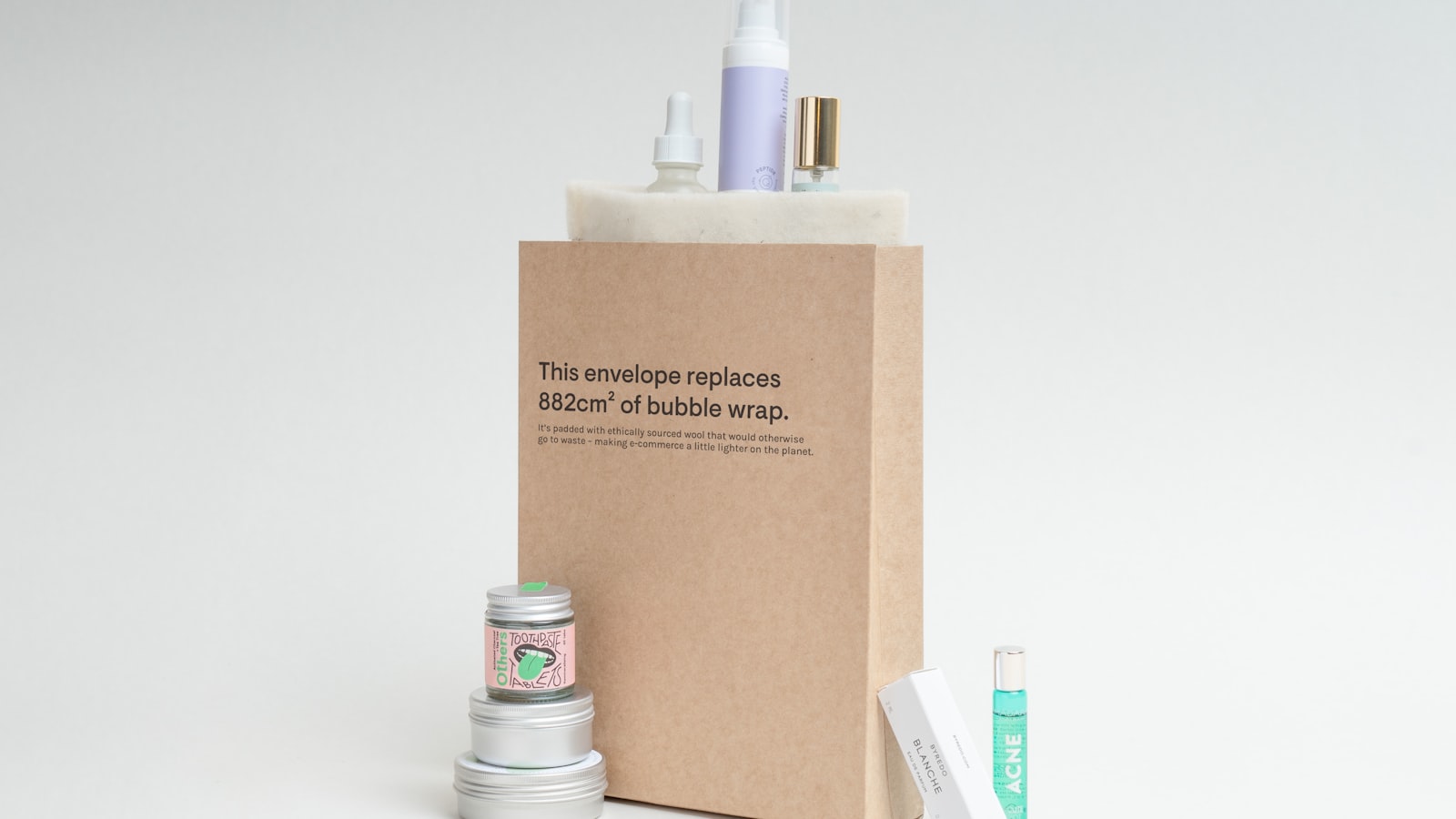
The outer carton is where brands get the most visible sustainability win for the least money. FSC-certified kraft board, soy- or water-based inks, and uncoated stocks are now cost-neutral with conventional options at most print volumes. Drop the plastic window, use a paper insert instead of foam, and print recycling instructions directly on the box. Under the EU Packaging and Packaging Waste Regulation, packaging must be designed for recycling by 2030 and meet minimum recycled-content targets for plastic components — so mono-material construction is worth standardising now rather than re-engineering in 2029.
Verify before you print
Three documents make a claim defensible: a recycled-content certificate from the glass or plastic producer, an FSC chain-of-custody certificate from the printer, and a recyclability assessment against the destination market’s sorting infrastructure. A “100 percent recyclable” label means little in a region without glass collection, so align claims to where the product is actually sold.
Sustainable packaging for aroma products is less about exotic materials and more about disciplined choices: lighter glass, honest recycled content, mono-material paper, and paperwork that backs every claim. Get those four right and the packaging strengthens the brand rather than exposing it.