Product Knowledge
Scent Marketing for Retail Spaces: A B2B Product Opportunity
Dieser Artikel ist noch nicht auf Deutsch verfügbar. Sie lesen die englische Version.
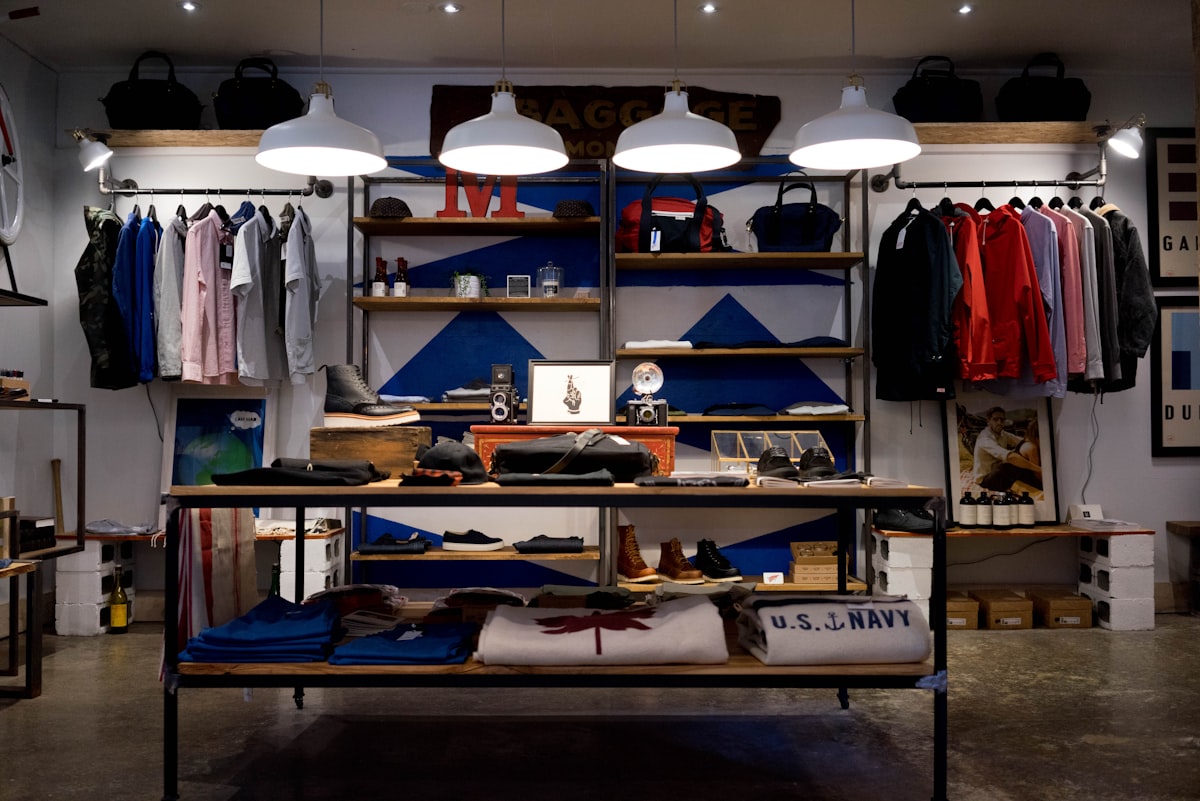
Scent marketing, also called ambient scenting or olfactory branding, has grown from a niche luxury tactic into a measurable retail tool. Studies cited by the Sense of Smell Institute and academic journals such as the Journal of Consumer Psychology suggest that congruent ambient scent can increase dwell time by 15-20%, lift purchase intent by 10-15%, and improve brand recall by up to 100% versus unscented environments. For fragrance manufacturers, this creates a distinct B2B product category with different specifications, equipment, and sales cycles than consumer goods.
The Commercial Scenting Market
The global scent marketing market is estimated at USD 300-500 million in 2024, growing at roughly 10-13% annually. Demand is concentrated in:
- Hospitality (hotels, resorts, spas): the largest segment, around 35-40% of revenue
- Retail (apparel, automotive, jewelry): 25-30%
- Corporate offices and co-working spaces: 10-15%
- Healthcare and senior living: a fast-growing niche
- Casinos, gyms, and entertainment venues
The buyer profile differs from consumer fragrance buyers. Purchasing decisions are made by marketing directors, facilities managers, or specialized scent-marketing agencies, and contracts are typically annual service agreements rather than one-off product purchases.
Delivery Hardware: HVAC vs Standalone
Commercial scenting requires hardware that consumer products do not. Two delivery models dominate:
HVAC-connected diffusers integrate into existing heating, ventilation, and air-conditioning systems. They use cold-air nebulization to convert fragrance oil into a dry mist of 1-5 micron particles, which then distributes through ductwork. Coverage ranges from 200 to 5,000 cubic meters per unit. These systems suit hotels, large retail floors, and office buildings.
Standalone diffusers are wall-mounted or freestanding units that scent a single zone, typically 50-300 cubic meters. They suit boutiques, showrooms, lobbies, and event spaces. Power consumption is low (5-30 W), and installation requires no HVAC modification.
For manufacturers, this means a commercial fragrance line must be formulated for nebulization, not for evaporation or combustion. Viscosity, flash point, and residue behavior all matter.
Formulation Requirements for Commercial Scenting
Commercial scent formulas differ from consumer fragrance in several ways:
- Carrier-free or low-carrier. HVAC nebulizers work best with pure fragrance oil or low-viscosity DPG-based blends. Alcohol is generally avoided because of flash point and evaporation behavior.
- Flash point above 60C is typical for safe handling and to comply with indoor air quality guidelines. Many buyers require SDS documentation per GHS.
- Low-residue bases. Materials that polymerize or leave films (heavy resins, some naturals) can clog nebulizer nozzles and coat ductwork.
- Indoor air quality compliance. Buyers increasingly request compliance with California Section 01350, EU Ecolabel indoor criteria, or WELL Building Standard, which restrict VOC emissions and certain sensitizers.
- Longevity in air, not on skin. A retail scent must remain perceptible at very low airborne concentrations (often 0.5-5 ppm in air), which favors materials with balanced vapor pressure.
Custom Scent Development for Brands
The highest-margin segment of scent marketing is custom olfactory branding, where a manufacturer develops a proprietary scent owned by the client. Typical project parameters:
- Development fee: USD 3,000-15,000 depending on iterations and exclusivity
- Development time: 6-12 weeks from brief to approval
- Minimum annual volume: 50-500 kg of concentrate per location chain
- Exclusivity: Often contractually guaranteed within a sector (for example, “no other automotive retail client”)
A custom scent brief usually includes brand attributes (warm, modern, trustworthy), reference scents the client likes and dislikes, the physical environment (size, materials, lighting), and the customer journey the scent should support (entry, fitting room, checkout).
Building a Commercial Scenting Product Line
Manufacturers entering this segment should consider four product tiers:
- Stock scent library of 30-100 ready-to-ship fragrances, sold by the liter for diffuser refill.
- Semi-custom service modifying stock scents with brand-specific top or base notes.
- Full custom development with exclusivity and contractual ownership transfer.
- Hardware partnerships with diffuser manufacturers, offering bundled scent-plus-equipment contracts.
Pricing for stock commercial scents typically runs USD 80-200 per liter, with custom development at USD 200-500 per liter at volume. Annual refill contracts create recurring revenue, which is rare in consumer fragrance.
What Buyers Should Specify
If you are a retailer, hotel group, or scent agency sourcing a fragrance partner, request:
- SDS and IFRA certificates per scent
- Indoor air quality compliance documentation
- Viscosity and flash point data for diffuser compatibility
- A pilot program covering 2-3 locations before chain-wide rollout
- Refill lead time and shelf-life data (typically 24 months sealed)
At Aromiso, our commercial scenting program combines a 60-scent stock library, custom development with sector exclusivity, and full SDS and IFRA documentation, structured to support both single-location boutiques and multi-country retail chains.