Product Knowledge
Reed Diffuser Shelf Life: Formulation and Storage Best Practices
Dieser Artikel ist noch nicht auf Deutsch verfügbar. Sie lesen die englische Version.
Shelf life is the quiet determinant of whether an imported diffuser reaches the customer in sellable condition or arrives aged, discolored, and flat-scented. For buyers managing long ocean-freight lead times and retail holding periods, it is also a financial risk: stock that degrades on the shelf or in the warehouse becomes markdowns and returns. The good news is that shelf life is largely engineered, not accidental. Formulation choices and packaging decisions made at the factory determine whether a diffuser holds for 12 months or 36. Here is what drives it.
Sealed versus opened lifespan
Two distinct clocks run on a diffuser.
Sealed shelf life is how long an unopened, unused unit remains saleable. A well-formulated diffuser in proper packaging holds 24–36 months sealed. During this period the liquid is protected from evaporation and most oxidation, so the main risks are slow chemical change in the fragrance and any incompatibility between the liquid and the components.
Opened (in-use) life is how long the diffuser performs once the reeds are inserted. This is governed by evaporation and wicking, and typically runs 8–16 weeks depending on volume, reed count, and base. These are different problems: a product can have excellent sealed shelf life yet deplete quickly in use, or vice versa. Specify and test both.
Oxidation
Oxidation is the primary chemical aging mechanism. Fragrance components — terpenes in citrus oils especially — react with oxygen over time, shifting scent and sometimes darkening the liquid. Citrus-heavy and natural-oil formulations are the most vulnerable; a lemon-forward diffuser may noticeably change within 12–18 months if poorly protected, while a stable amber or woody profile can hold for years.
Mitigation starts at formulation. Antioxidants such as BHT or tocopherol, added at low levels, slow oxidative change. Choosing a base solvent with low peroxide formation and avoiding metal contamination during filling both help. Headspace — the air gap above the liquid in the bottle — is a hidden driver: more headspace means more oxygen in contact with the liquid. Filling to a consistent, minimal headspace reduces the oxygen available to react.
UV degradation
Light, particularly ultraviolet, accelerates both oxidation and color change. A clear-glass diffuser on a sunlit shelf can discolor and degrade its fragrance in a fraction of the time of one kept in the dark. This is a packaging decision as much as a formulation one.
Options, in order of protection:
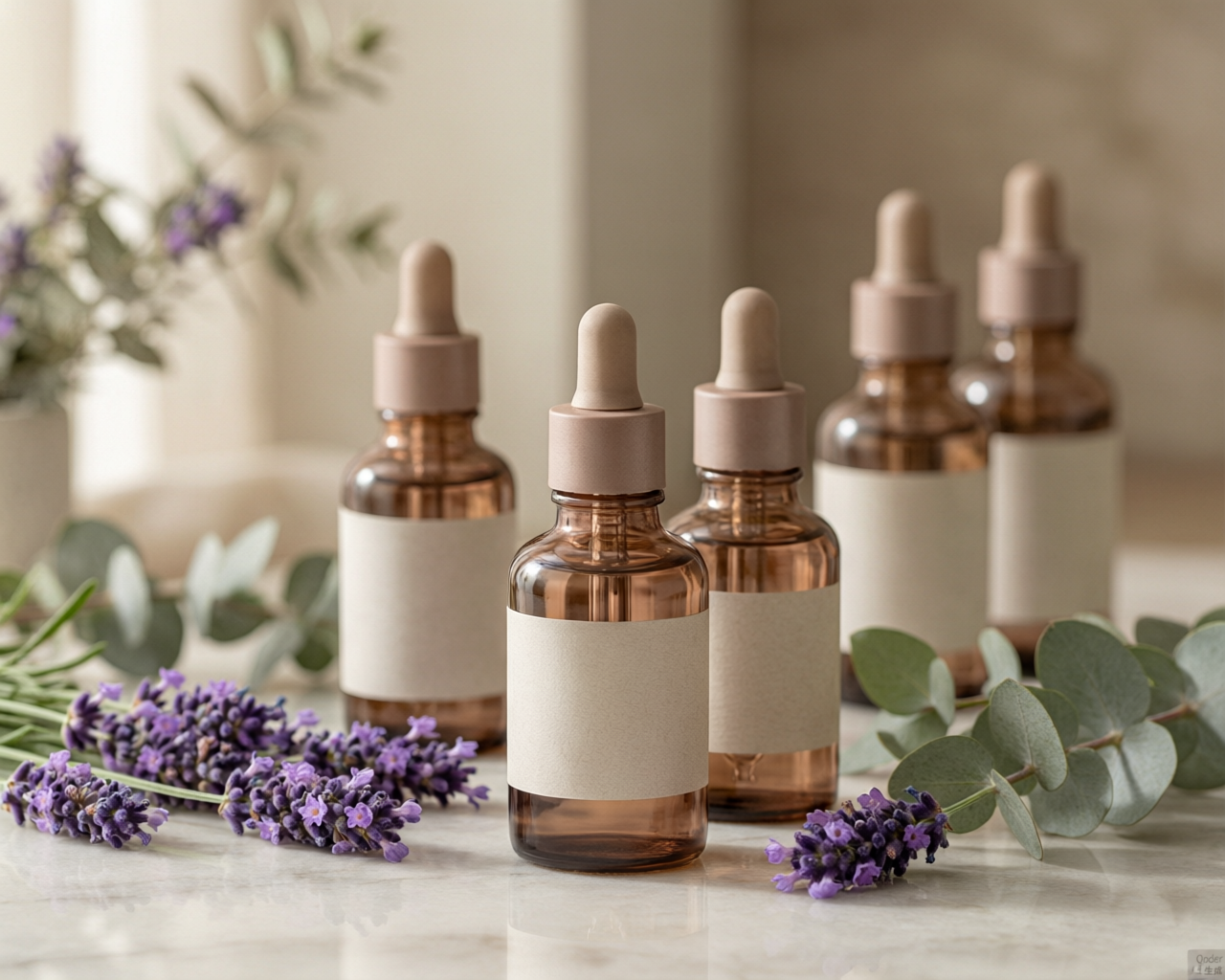
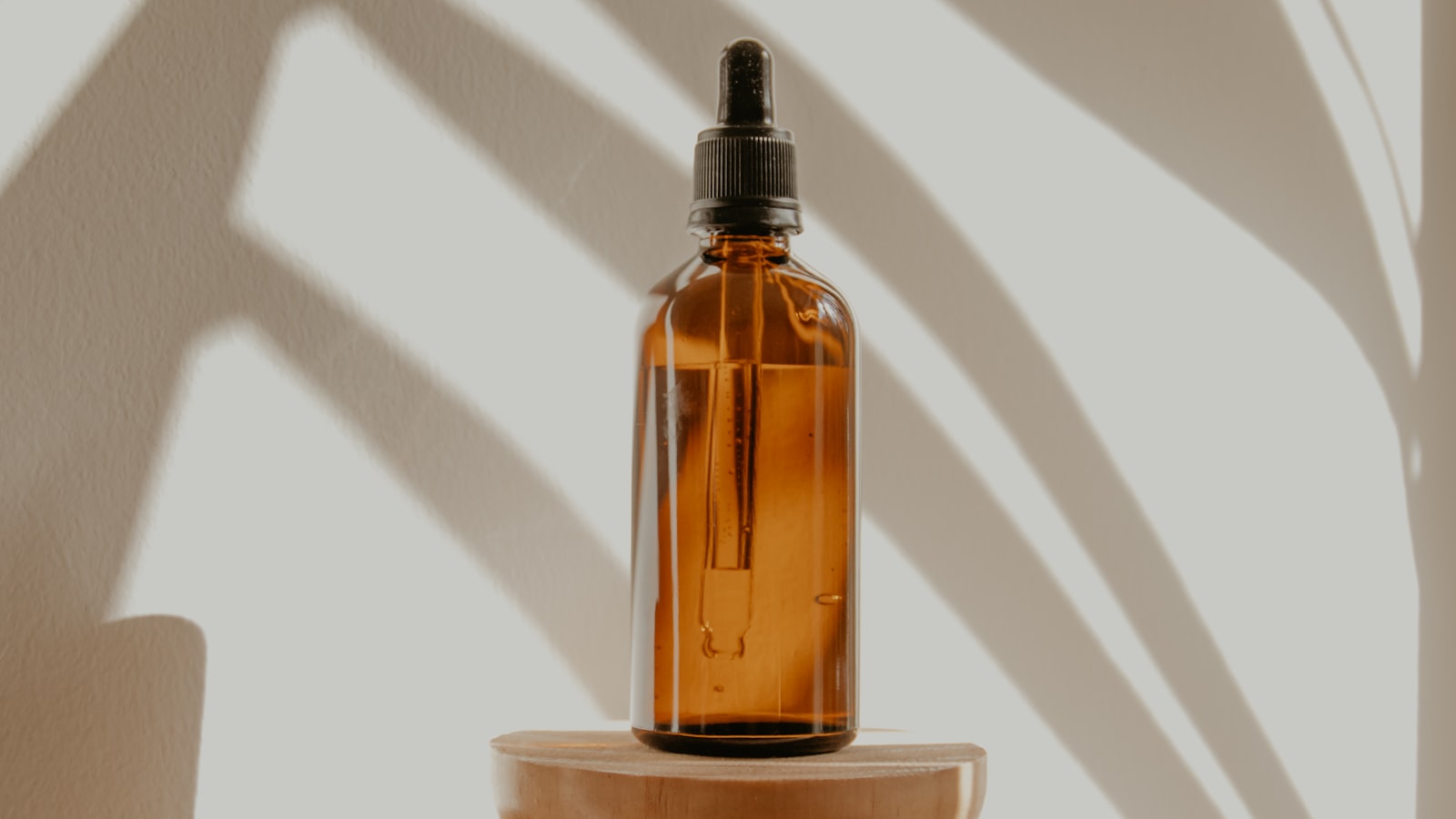
- Amber or cobalt glass filters a large share of UV and is the strongest functional choice for light-sensitive formulations.
- Spray-coated or painted glass blocks light effectively while offering design flexibility.
- Frosted or acid-etched glass diffuses light and offers moderate protection.
- Clear glass offers the least protection and demands a UV-stable formulation plus an opaque outer carton.
Equally important is the retail carton. A fully enclosing box protects the unit through storage, freight, and the shelf period before sale. Brands that ship premium diffusers in open or windowed packaging trade some of that protection for visual appeal — a deliberate choice that should be made knowingly.
Formulation practices that extend life
Beyond antioxidants, several formulation disciplines protect longevity:
- Run compatibility and stability testing before filling. A 48-hour check is a minimum; accelerated aging (elevated temperature for a defined period) predicts long-term behavior faster and catches cloudiness, separation, or color shift early.
- Control fragrance quality. Fragrance oils that already carry oxidation products age faster. Source from suppliers that provide stability data and store fragrance raw materials correctly before blending.
- Keep viscosity in range. A formulation that wicks cleanly depletes predictably in use; one that is too viscous leaves liquid stranded in the bottle, shortening effective in-use life.
Storage and packaging for longevity
Storage conditions during freight and warehousing matter as much as formulation. Heat is the enemy: every 10°C rise roughly doubles the rate of chemical aging. Diffusers should be stored below about 25°C, away from direct sunlight, and in sealed cartons that buffer temperature swings. For importers, this means specifying storage conditions with your freight forwarder and avoiding prolonged container exposure on hot docks.
Packaging should seal the unit against evaporation and contamination: a tight cap, ideally with an inner seal or plug, and a carton that prevents the cap from loosening in transit. Include a desiccant in the outer carton only where moisture is a concern for the packaging itself, not the sealed liquid.
Verifying with your factory
Request a documented shelf-life protocol: the stability test method, the headspace standard, the antioxidant use if any, and the recommended storage conditions. Ask for retained reference samples so you can compare incoming stock against the original over time. A factory that can demonstrate a 24-month-plus sealed shelf life with test data is protecting your margin as much as your product.