Product Knowledge
The OEM Sampling Process: From Brief to Approved Sample
Dieser Artikel ist noch nicht auf Deutsch verfügbar. Sie lesen die englische Version.
Every private-label fragrance program passes through the same gate: the approved sample. Buyers who treat sampling as a single event (“send me a sample and I will decide”) usually end up in long, expensive revision loops. Buyers who treat it as a managed process with defined stages move from brief to approval in one or two rounds. Here is how the process actually works inside an OEM factory.
Stage One: Lab Samples and Fragrance Direction
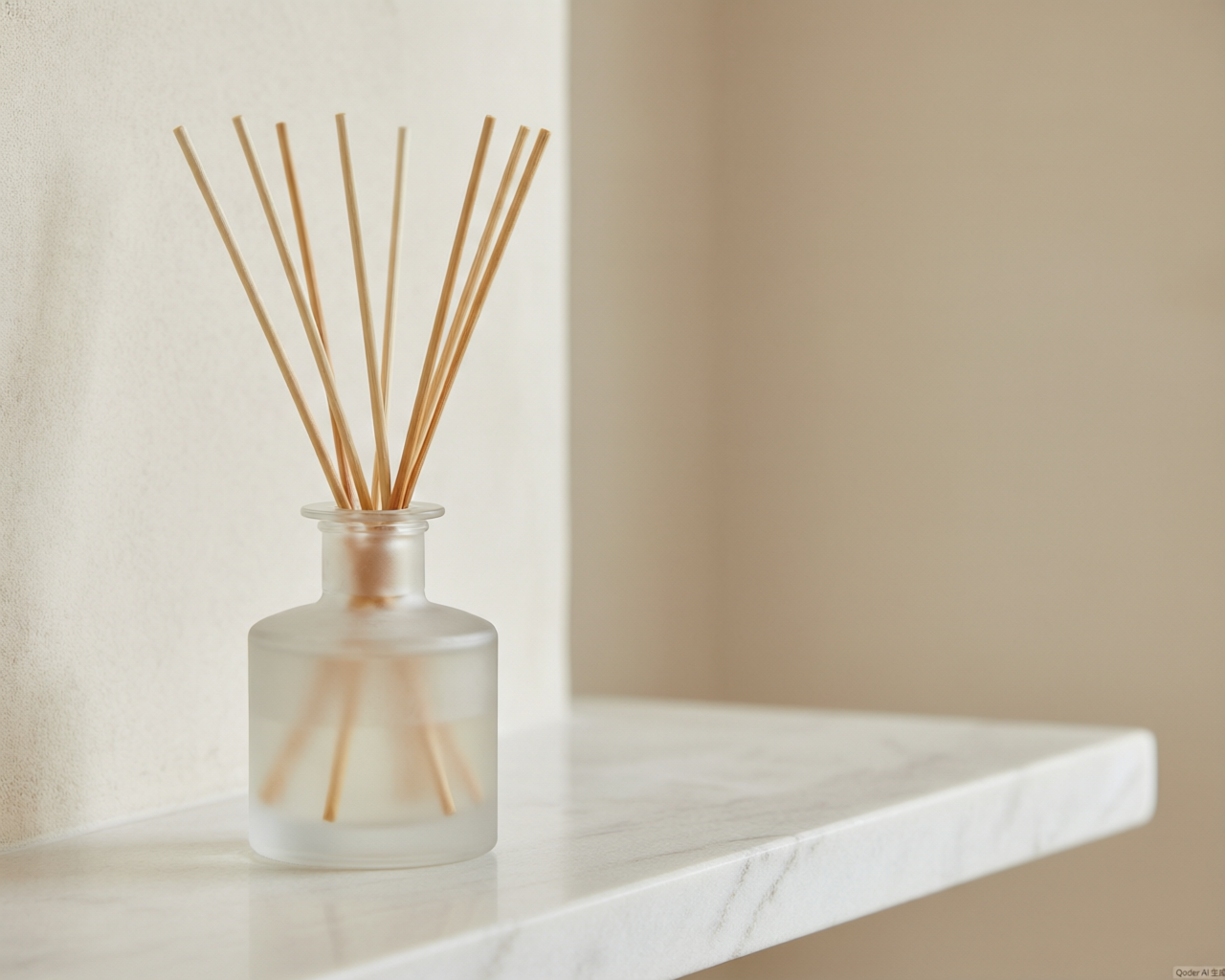
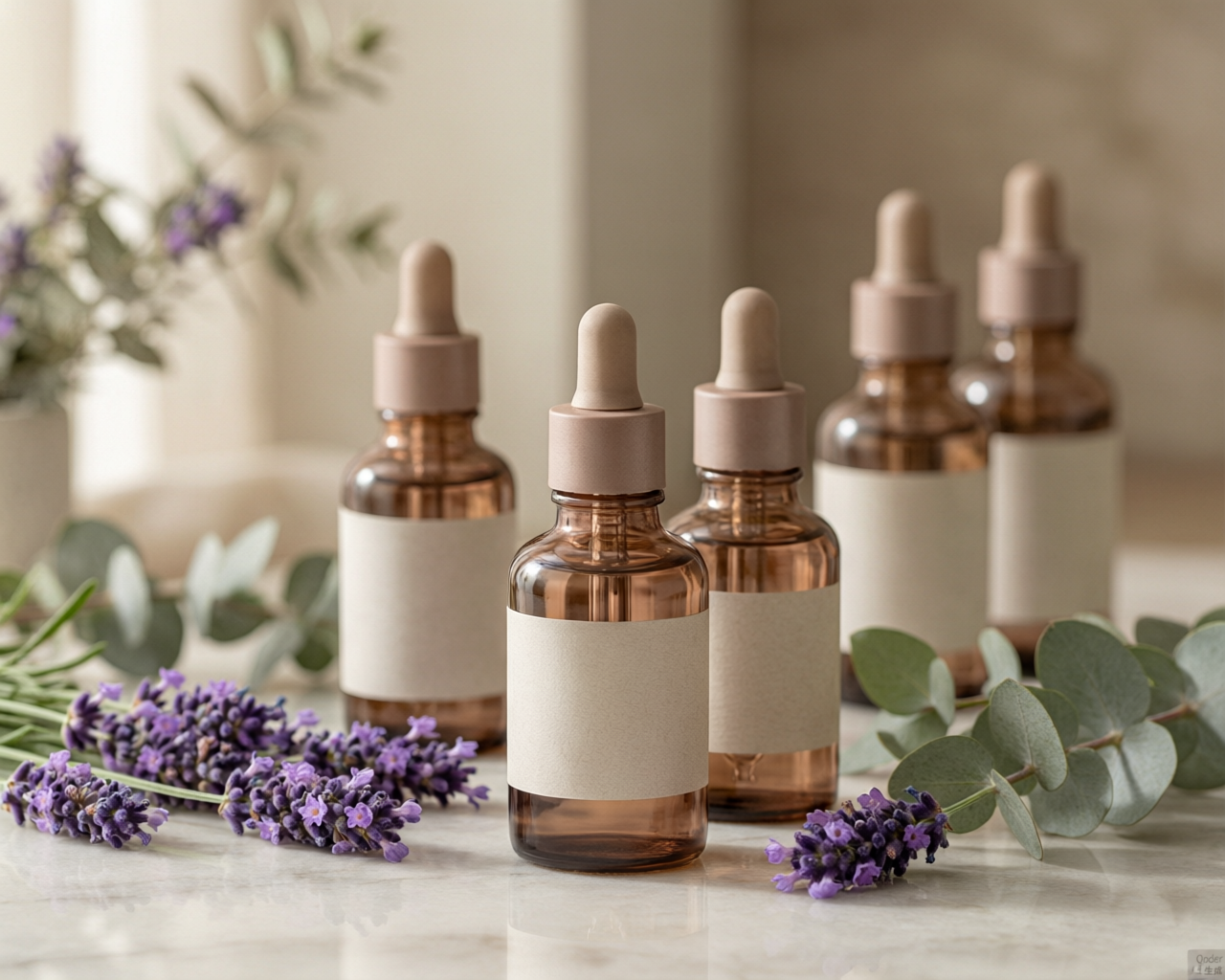
After your brief is reviewed, the perfumery lab produces fragrance oil candidates, typically 2-4 options per brief. For candles and diffusers, these are evaluated in the final medium, not just on a blotter, because a scent that smells right neat can collapse at 8% load in soy wax or shift character in a DPG diffuser base. Expect 1-2 weeks for this stage if the direction is clear; benchmark-matching against a shipped reference sample is faster than developing from a verbal description.
Your job at this stage is narrow: pick a direction, not a final product. Feedback should be specific and singular. “Less sweet, keep the citrus top” is actionable. “Make it better” generates another random round.
Stage Two: Pre-Production Samples
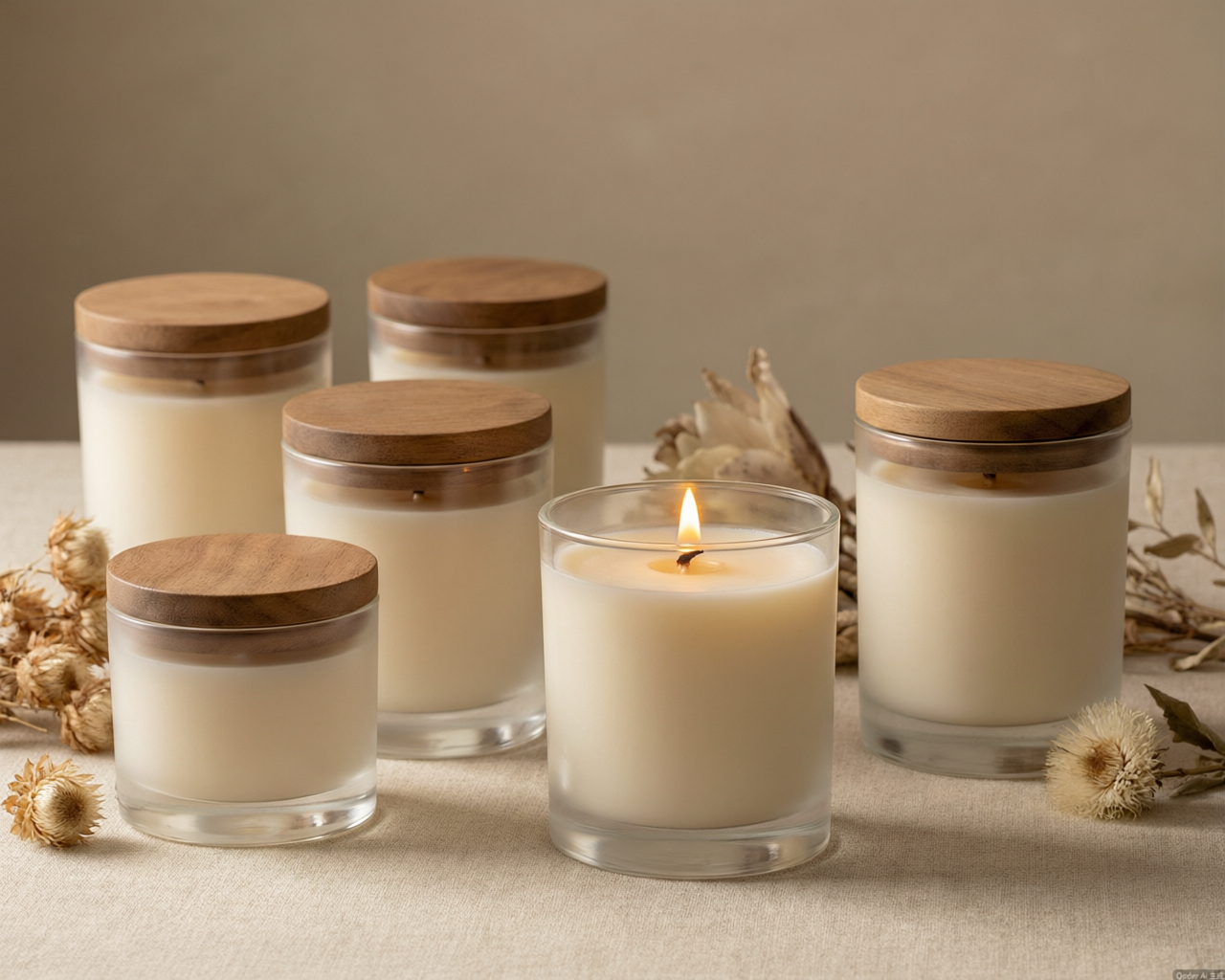
Once the fragrance is locked, the factory builds a full product sample: final container, wax or liquid base, wick or reed configuration, and packaging mock-up. This is the stage where engineering realities surface. A wick that looked fine in the lab may tunnel in your chosen vessel; a label stock may wrinkle on a curved glass surface. A competent factory flags these issues before you do.
Pre-production samples usually take 2-3 weeks, including component sourcing for your specific packaging. If you need multiple fragrance variants, ask whether the factory can consolidate them into one shipment to save courier time and cost.
Stage Three: Testing and Sign-Off
An approved sample is a specification, not a keepsake. Before signing off, verify what matters for your market: burn performance over at least three full test burns for candles, cold and hot throw at defined distances, leak and drop testing for diffusers, and label compliance for your destination market. Ask the factory for its test records rather than relying on your own single unit.
Then formalize the approval in writing, attaching the agreed specification sheet: fragrance code, load percentage, component list, and tolerance ranges. This document becomes the reference for production QC and for resolving any future dispute about what was agreed.
Common Causes of Sampling Delays
Three patterns account for most overruns. First, unclear feedback, which sends the lab guessing instead of adjusting. Second, changing the brief mid-process; adding a new vessel or a different wax after fragrance approval effectively restarts the program. Third, underestimating courier and customs time for sample shipments, which can add a week or more each way depending on destination.
Factories respect buyers who manage sampling as a process with clear gates, because it means fewer wasted lab hours and a faster path to production. Lock the fragrance before you lock the vessel, give specific single-variable feedback, and sign off against a written specification. That discipline is the difference between a sample that arrives in three weeks and one that arrives in three months.