Industry Applications
How Hotels Choose Signature Scents: The Selection Process
Dieser Artikel ist noch nicht auf Deutsch verfügbar. Sie lesen die englische Version.

A signature scent is one of the most powerful yet underutilized branding assets in hospitality. Unlike visual identity elements, a well-chosen fragrance creates an emotional anchor that guests associate with a brand for years. But selecting that scent is a structured, multi-stage process involving brand strategists, operations teams, and fragrance manufacturers. This article outlines the typical selection workflow and what procurement teams should expect at each stage.
Stage 1: The Olfactory Brief
The process begins not with fragrance samples but with a strategic brief. Brand leadership defines the emotional territory the scent must occupy. Common brief parameters include:
- Brand archetype: Is the property positioned as serene and restorative, energetic and modern, or heritage and luxurious?
- Target guest profile: Business travelers, leisure families, and wellness seekers respond to different olfactory families.
- Geographic context: Scents that perform well in tropical climates (light citrus, aquatic notes) may feel thin in temperate markets where warmer amber and wood profiles resonate.
- Competitive differentiation: Buyers typically request a competitive scent audit to avoid overlap with nearby properties.
At Aromiso, we provide a structured brief template that captures these inputs and translates them into technical fragrance direction. This step typically takes 1-2 weeks of internal alignment.
Stage 2: Fragrance Family Shortlisting
Based on the brief, the fragrance manufacturer proposes 3-5 olfactory families for initial evaluation. Common families in hospitality include:
| Family | Typical Notes | Best Suited For |
|---|---|---|
| Fresh Citrus | Bergamot, lemon, grapefruit | Business hotels, tropical resorts |
| White Floral | Jasmine, lily, peony | Luxury and boutique properties |
| Warm Woody | Sandalwood, cedar, vetiver | Heritage brands, urban luxury |
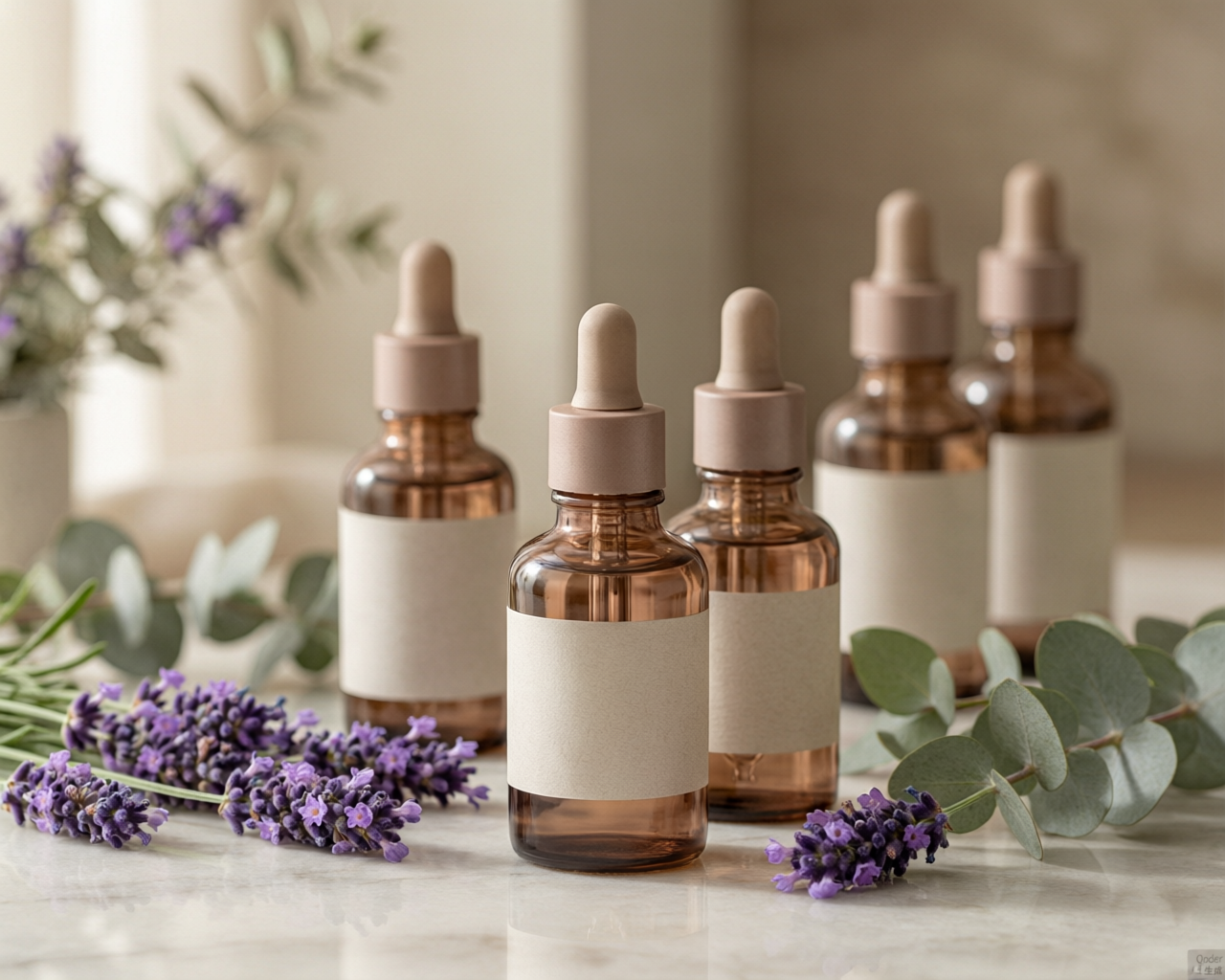
| Green Herbal | Eucalyptus, rosemary, mint | Wellness resorts, spa hotels |
| Soft Amber | Vanilla, tonka, musk | Lifestyle and design hotels |
Manufacturers typically present 2-3 variations within each shortlisted family, yielding 8-15 initial concepts. Aromiso’s minimum engagement for custom signature scent development is a one-time R&D fee of $1,200-$2,500, which includes up to 15 concept submissions and 3 revision rounds.
Stage 3: Sensory Panel Testing
Shortlisted concepts (usually narrowed to 3-5) move to structured sensory evaluation. Best practices include:
- Blind testing: Panelists evaluate coded samples without brand context to eliminate bias.
- Panel composition: A mix of internal stakeholders (brand, operations, F&B) and external participants resembling the target guest demographic. Minimum 20 panelists for statistical relevance.
- Evaluation criteria: Pleasantness, intensity appropriateness, brand fit (rated against the brief), and fatigue resistance (does the scent become annoying after 30 minutes of exposure?).
- Environment testing: Samples are evaluated in actual guest room mockups, not just sniffing strips, because room materials (carpet, wood, linen) interact with fragrance molecules.
This stage typically runs 2-4 weeks. Manufacturers should provide evaluation scorecards and aggregated data reports.
Stage 4: Technical Validation
Once a finalist is chosen, technical validation ensures the scent performs across all intended delivery formats:
- HVAC diffuser compatibility: The compound must atomize cleanly in cold-air diffusion systems without clogging nebulizer heads. Viscosity should remain below 15 cP at 20C.
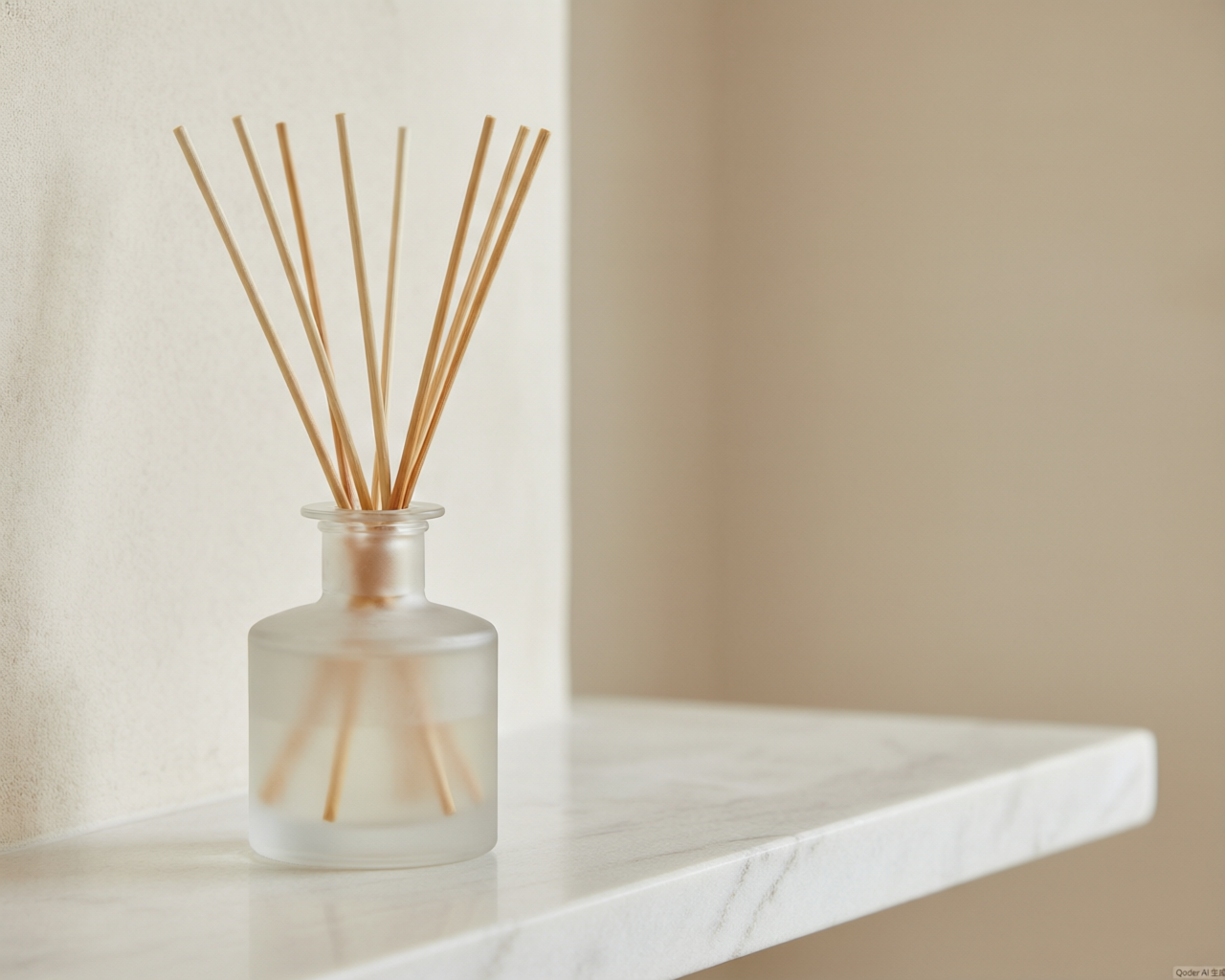
- Stability across formats: The same fragrance must remain consistent in reed diffusers, room sprays, candles, and amenity toiletries. This requires formulation adjustments per delivery medium.
- Shelf life confirmation: Accelerated stability testing (40C/75% RH for 8 weeks) simulates 12-month storage.
- Regulatory compliance: IFRA 49th Amendment compliance, EU CLP labeling requirements, and destination-market VOC regulations.
Aromiso provides full technical validation documentation, including GC-MS analysis, flash point testing, and stability reports, as part of our signature scent development package.
Stage 5: Pilot Deployment
Before chain-wide rollout, most brands pilot the scent in 2-3 representative properties for 60-90 days. Metrics tracked include:
- Guest satisfaction scores (scent-specific survey questions)
- Online review sentiment analysis for scent-related mentions
- Staff feedback on operational handling (diffuser maintenance, refill frequency)
- Cost-per-room-per-month actuals versus projections
Pilot orders typically range from 200-500 units per product format. Aromiso supports pilot programs with reduced MOQs (50% of standard minimums) and flexible payment terms for qualified hospitality groups.
Stage 6: Full Deployment and Supply Agreement
Upon pilot approval, procurement transitions to a volume supply agreement. Key commercial terms to negotiate:
- Annual volume commitments with quarterly call-off schedules.
- Pricing tiers: For a signature scent deployed across 50+ properties, annual volumes of 20,000-50,000 units typically unlock pricing 25-35% below standard catalog rates.
- Inventory management: Consignment stock or vendor-managed inventory (VMI) programs reduce warehousing burden on the hotel group.
- Quality assurance: Annual factory audits, batch retention samples (12-month hold), and agreed AQL inspection levels (typically AQL 2.5 for critical defects).
Supplier Selection Criteria
When evaluating manufacturing partners for signature scent programs, buyers should verify:
- In-house perfumery capability (not just blending purchased compounds).
- ISO 9001 and ISO 22716 (GMP for cosmetics) certifications.
- Experience with multi-format product development (diffuser, spray, candle, toiletry).
- Export documentation expertise for multi-country deployment.
- Dedicated account management with 48-hour response SLAs.
Aromiso operates a vertically integrated facility handling fragrance compounding, product manufacturing, and packaging under one roof, reducing lead times and ensuring batch consistency across all formats in a signature scent program.
Timeline Summary
| Phase | Duration |
|---|---|
| Brief and alignment | 1-2 weeks |
| Concept development | 3-4 weeks |
| Panel testing | 2-4 weeks |
| Technical validation | 2-3 weeks |
| Pilot deployment | 8-12 weeks |
| Full rollout | 4-6 weeks (production + logistics) |
Total time from brief to full deployment: approximately 5-7 months.
For hotels beginning the signature scent journey, the first step is a structured consultation. Aromiso offers complimentary 60-minute olfactory strategy sessions for hospitality buyers managing 20+ properties. Contact our team at aromiso.com to schedule.