Product Knowledge
Fragrance Oil vs Essential Oil: Which Should Your Brand Use?
Dieser Artikel ist noch nicht auf Deutsch verfügbar. Sie lesen die englische Version.
The fragrance-oil-versus-essential-oil debate generates a lot of marketing noise and not enough engineering clarity. The right choice depends on your application, your price point, your regulatory markets, and the story your brand needs to tell. This guide breaks down the comparison with real numbers so you can make the call without ideology.
Chemical composition: what you are actually buying
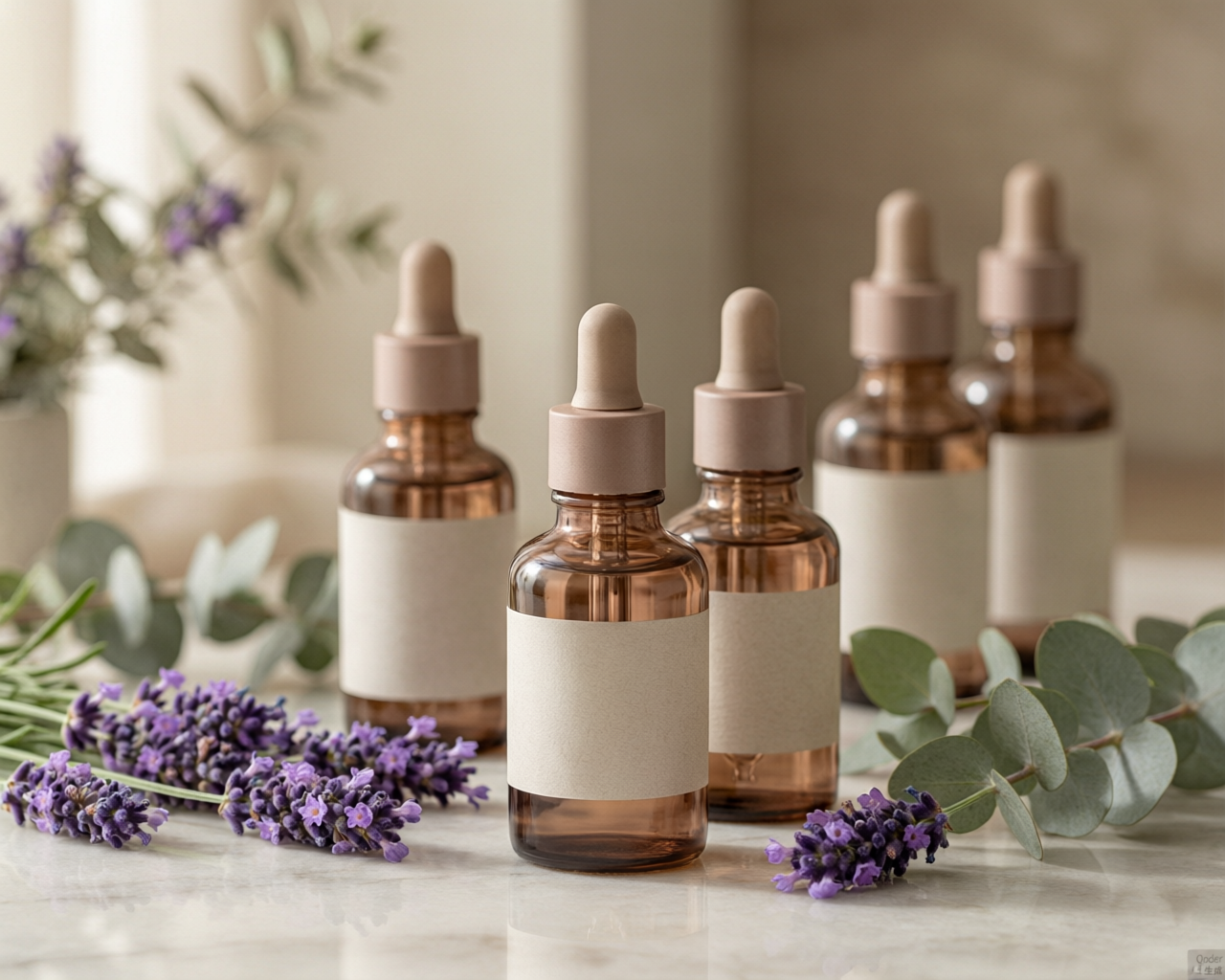
Essential oils are complex mixtures extracted from plant material — steam-distilled, cold-pressed, or CO2-extracted. A single oil contains 50–300+ identified chemical constituents. Lavender oil, for example, contains linalool (25–45%), linalyl acetate (25–47%), plus dozens of minor terpenes, ketones, and esters. The composition varies by cultivar, harvest year, altitude, and distillation method.
Fragrance oils (also called aroma chemicals or synthetic fragrance compounds) are formulated blends. They may contain some natural components alongside synthetics, or be entirely synthetic. A perfumer builds a fragrance oil from individual aroma chemicals — iso E super, hedione, galaxolide, vanillin — to hit a specific scent target. The composition is fixed, reproducible, and fully known.
Neither is inherently “better.” Essential oils offer complexity and natural provenance. Fragrance oils offer precision, consistency, and access to scents that do not exist in nature (ocean breeze, fresh linen, cotton candy).
Cost comparison: real numbers
Pricing varies by grade, volume, and market conditions, but here are representative 2025–2026 wholesale prices per kilogram:
| Material | Price per kg (bulk, 25+ kg) | Notes |
|---|---|---|
| Lavender essential oil (French, AOC) | $80–$140 | Harvest-dependent, limited supply |
| Lavender fragrance oil (reconstitution) | $12–$25 | Consistent year-round pricing |
| Bergamot essential oil (FCF, Italian) | $90–$160 | FCF = furocoumarin-free, required for skincare |
| Citrus-blend fragrance oil | $8–$18 | Can mimic bergamot/orange/lemon profiles |
| Sandalwood essential oil (Indian) | $1,200–$2,000 | CITES-adjacent supply constraints |
| Sandalwood fragrance oil | $20–$50 | Javanol/Sandalore-based, very close match |
| Rose essential oil (Turkish/Bulgarian) | $8,000–$14,000 | ~4,000 kg petals per kg oil |
| Rose fragrance oil | $30–$80 | Phenethyl alcohol + citronellol + geraniol base |
The cost gap is 5x to 150x depending on the material. For a candle line using 8% fragrance load in a 200g unit, the fragrance cost per candle ranges from $0.10 (synthetic) to $1.50+ (premium natural). At 5,000 units, that is a $7,000 difference in raw material cost alone.
Performance by application
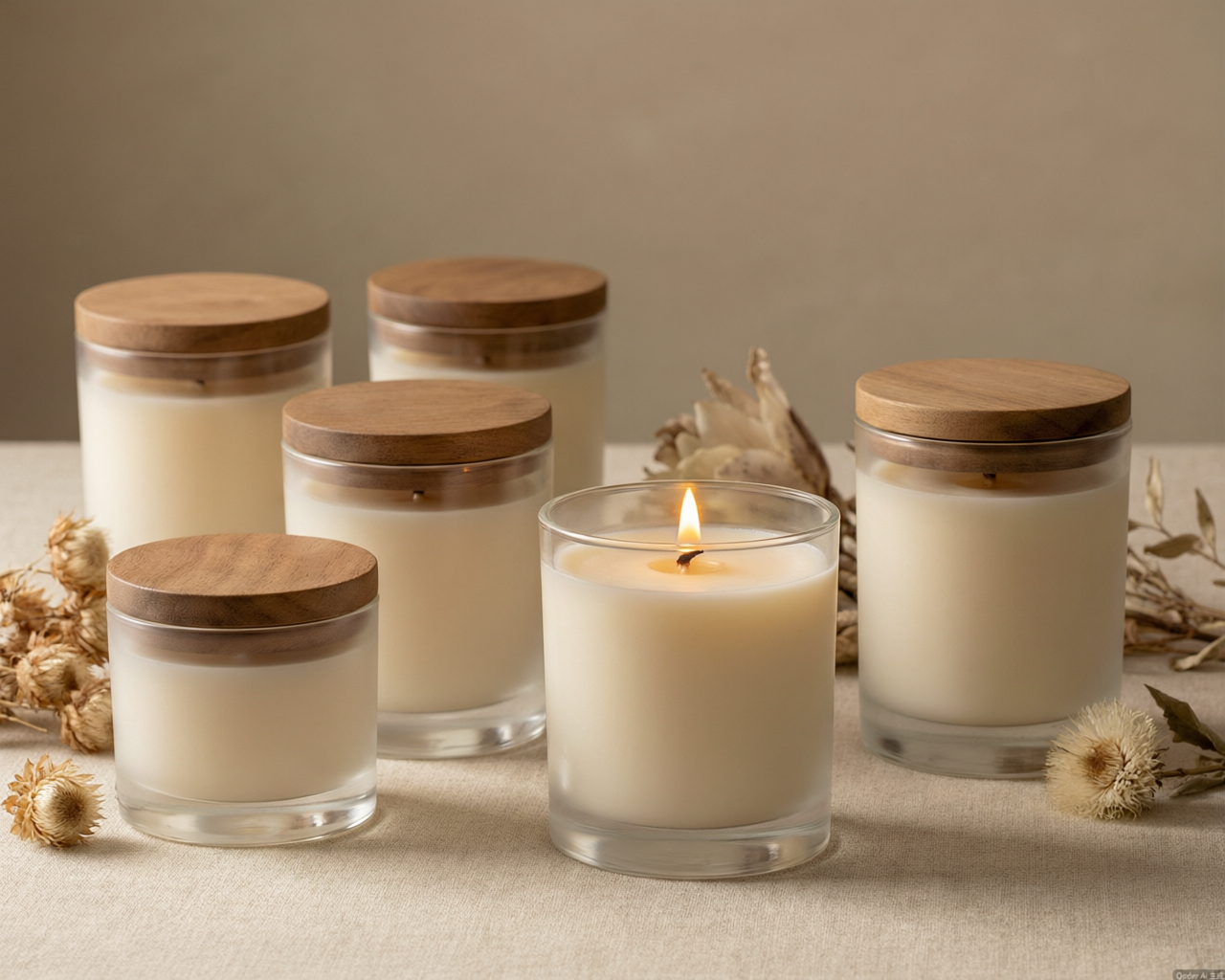
Candles: Fragrance oils generally deliver stronger and more consistent hot throw because they are engineered for volatility at wax-melt temperatures. Essential oils can work in candles but often require higher load (10–12% vs 6–8%) and still produce a subtler throw. Citrus essential oils in particular lose top notes rapidly in hot wax. Soy wax + essential oil is a harder formulation to get right than soy + fragrance oil.
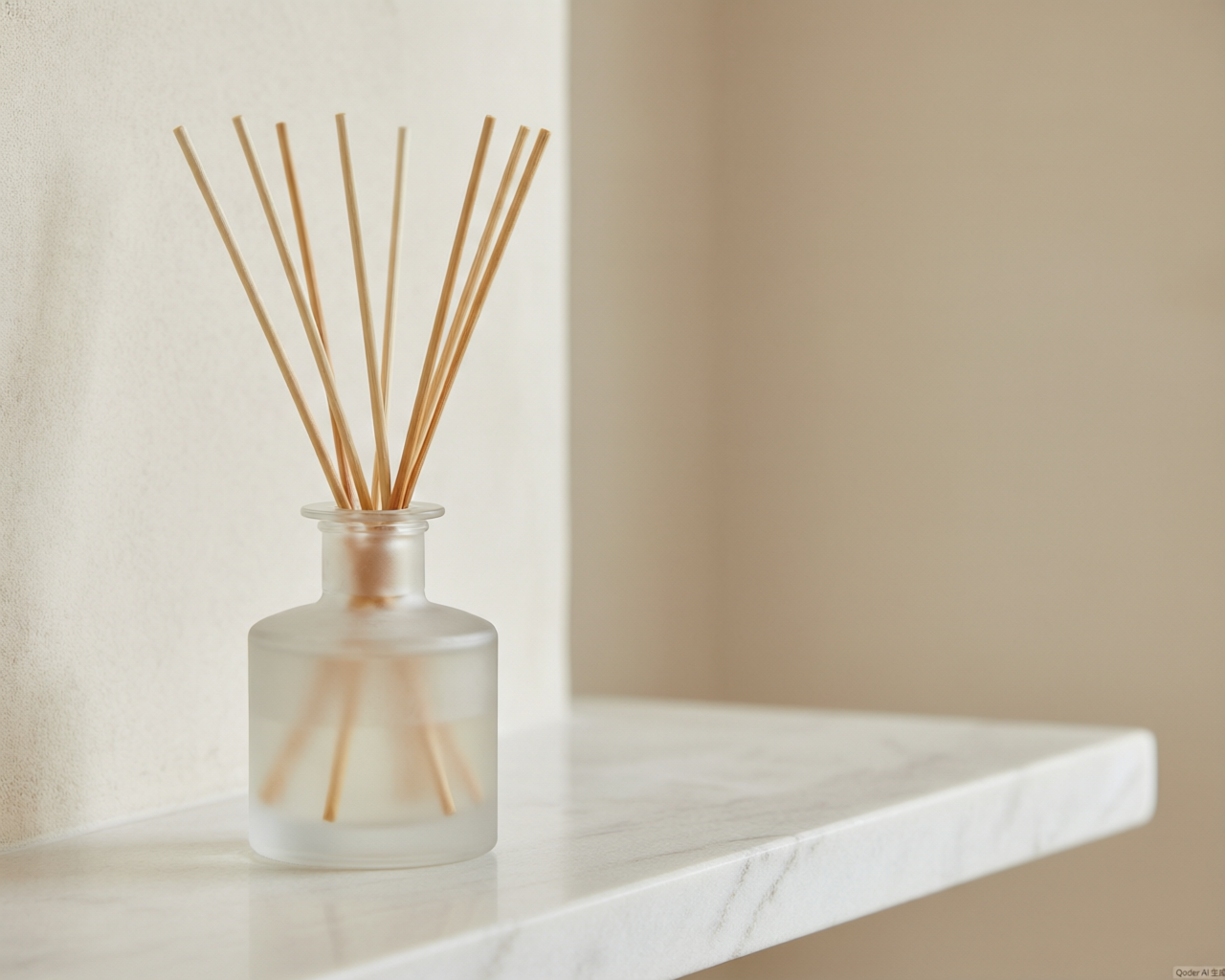
Reed diffusers: Both work well. Essential oils in DPG-based diffusers produce a softer, more “natural” ambient scent. Fragrance oils give stronger projection and longer life (12+ weeks vs 8–10 for many naturals). For hospitality or retail environments where consistent throw matters, fragrance oils dominate.
Skincare and body care: Essential oils are the default for natural-positioned brands, but they carry allergen-labeling obligations (see below). Fragrance oils can be formulated to be allergen-free (below 0.001% of any listed allergen), which simplifies labeling. However, “fragrance-free” and “natural” marketing claims constrain your options in the other direction.
Room sprays and mists: Fragrance oils dissolve cleanly in alcohol/water systems. Essential oils can cause cloudiness and require solubilizers (polysorbate 20, PEG-40 hydrogenated castor oil), which adds formulation complexity and can affect spray clarity.
Regulatory implications
This is where the choice has real operational consequences:
IFRA compliance: Both essential oils and fragrance oils must comply with IFRA (International Fragrance Association) standards for the intended product category. However, essential oils contain fixed ratios of restricted substances — you cannot reformulate them. If lavender oil’s linalool content pushes your Category 4 (body lotion) limit, your only option is to reduce the overall oil concentration or switch to a different oil. A fragrance oil can be reformulated to stay within limits while maintaining the scent profile.
EU allergen labeling: 26 fragrance allergens must be declared on EU cosmetic labels when present above 0.001% (leave-on) or 0.01% (rinse-off). Most essential oils trigger 3–8 allergen declarations per oil. A well-designed fragrance oil can be built to contain zero listed allergens above threshold, resulting in a cleaner INCI list.
CLP/GHS: For home fragrance products (candles, diffusers) sold in the EU, both types require CLP labeling. Essential oils often trigger more hazard statements (H315, H317, H411) due to their complex composition. This affects your label design and, in some retail channels, shelf placement.
US market: No mandatory allergen labeling currently (though the Modernization of Cosmetics Regulation Act is evolving this). California Prop 65 may apply to specific constituents in either type.
Sustainability and sourcing ethics
Essential oils carry agricultural supply-chain risks: climate variability affects harvests (French lavender yields dropped ~20% in drought years), land-use pressure exists for high-demand oils (sandalwood, rose), and adulteration is widespread at the wholesale level. Certification (organic, FairWild) adds cost but reduces supply risk and supports marketing claims.
Fragrance oils rely on petrochemical or biotech-derived feedstocks. Their sustainability story depends on the manufacturer’s sourcing — some major houses (Givaudan, Firmenich, IFF) now offer bio-based aroma chemicals derived from fermentation or renewable feedstocks. “Green chemistry” fragrance oils are a growing segment, though they typically carry a 15–30% price premium over conventional synthetics.
Decision framework
| If your priority is… | Choose… |
|---|---|
| “100% natural” or “clean beauty” label claims | Essential oils |
| Lowest cost at scale, consistent supply | Fragrance oils |
| Strongest scent throw in candles/diffusers | Fragrance oils (or EO/FO blend) |
| Minimal allergen labeling (EU cosmetics) | Allergen-free fragrance oil |
| Unique/complex scent not found in nature | Fragrance oils |
| Aromatherapy/wellness positioning | Essential oils |
| Supply stability across 10,000+ unit runs | Fragrance oils |
| Premium price justification / brand story | Essential oils (or high-EO-content blends) |
A hybrid approach — 70% fragrance oil for performance and consistency, 30% essential oil for natural provenance and label claims — is increasingly common in mid-premium candle and diffuser lines. It gives you a “contains natural essential oils” claim at a manageable cost and supply risk.
Making the call
The decision is rarely binary. Define your non-negotiables first (label claims, regulatory markets, target retail price), then work backward to the raw material that satisfies them at your volume. Request samples of both options in your actual product format — a fragrance oil that smells right in a sniff strip may perform differently in soy wax at 8% load.
Aromiso supplies both essential oils and fragrance oils for home fragrance and personal care applications, with IFRA certificates, allergen declarations, and GC/MS documentation included as standard. If you are weighing options for a specific product, we can provide side-by-side samples and formulation guidance for your exact application.