Product Knowledge
Candle Packaging Design That Sells on Retail Shelves
Dieser Artikel ist noch nicht auf Deutsch verfügbar. Sie lesen die englische Version.
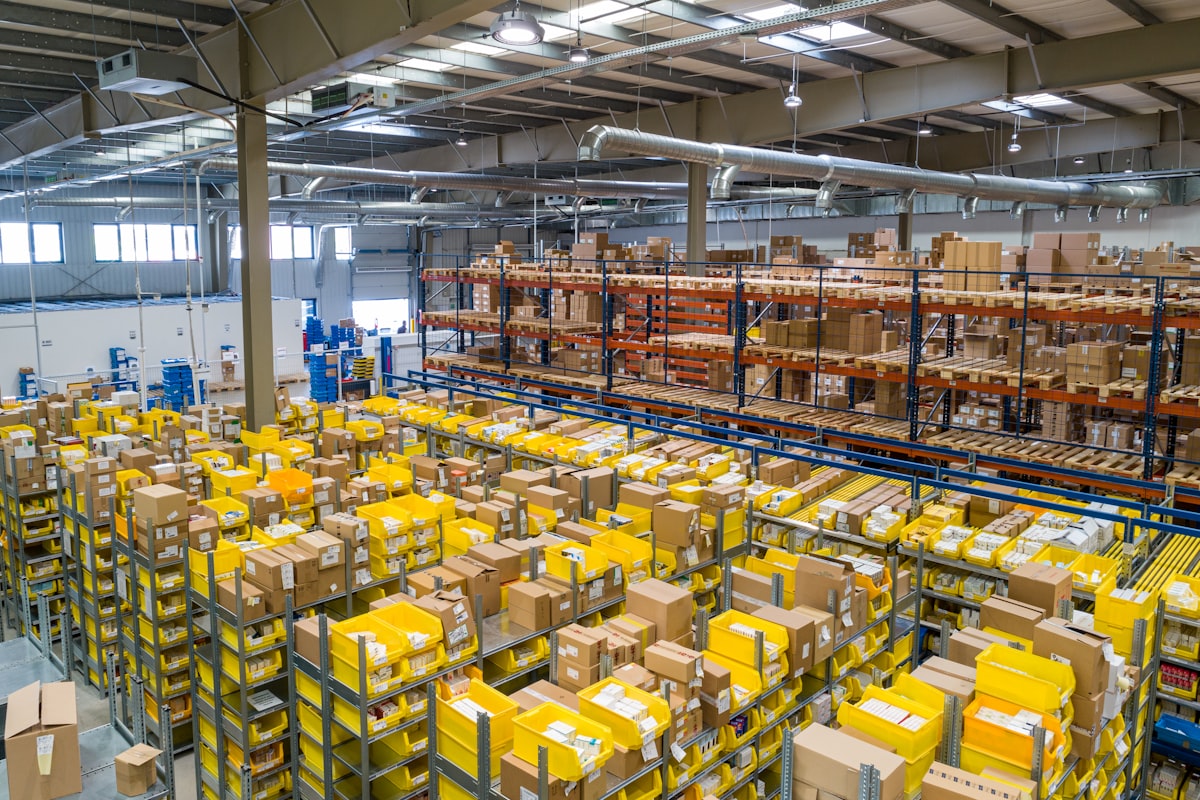
Packaging is the silent salesperson for candle brands. In a retail environment where consumers cannot light the product, the box communicates quality, scent promise, and brand identity in under three seconds. For B2B buyers specifying packaging with their OEM factory, getting the structural and visual design right affects both sell-through rates and damage claims.
Box Structure: Matching Format to Product
Rigid Boxes (Set-Up Boxes)
- Construction: 2mm greyboard wrapped in printed paper or specialty stock.
- Best for: Premium and luxury candles, gift sets, limited editions.
- Cost: $0.80-$2.50 per unit depending on size, finish, and order volume.
- Advantages: Superior shelf presence, excellent protection, premium hand-feel.
- Limitations: Higher cost, larger storage footprint (ships flat only if using magnetic closure or foldable design), longer lead time (25-35 days).
Folding Cartons (Tuck-End or Sleeve)
- Construction: 350-400gsm coated or uncoated board, printed and die-cut.
- Best for: Mid-range products, multi-SKU lines where cost efficiency matters.
- Cost: $0.15-$0.60 per unit.
- Advantages: Ships flat (reduces storage and inbound freight), fast production (15-20 days), easy to customize per SKU with digital printing.
- Limitations: Less structural protection than rigid boxes; requires internal inserts for glass containers.
Sleeve and Tray (Drawer Box)
- Construction: Inner tray (corrugated or rigid) with printed outer sleeve.
- Best for: Premium single candles, subscription boxes, corporate gifts.
- Cost: $0.50-$1.50 per unit.
- Advantages: Strong unboxing moment, good protection, visible product if sleeve has a window.
- Limitations: Two-piece assembly adds packing time.
Corrugated Mailers (E-Commerce)
- Construction: E-flute or B-flute corrugated, printed exterior.
- Best for: DTC brands shipping directly to consumers.
- Cost: $0.30-$0.90 per unit.
- Advantages: Structural protection for shipping without additional outer carton, printable interior for brand messaging.
- Limitations: Less refined for retail shelf display.
Insert Protection: Preventing Breakage
Glass container candles require internal protection regardless of outer box structure. Common solutions:
Foam inserts (EPE or EVA):
- Custom die-cut to cradle the container.
- Protection level: Excellent (survives 1m drop test).
- Cost: $0.10-$0.30 per set.
- Sustainability concern: Not recyclable in most municipal streams.
Molded pulp inserts:
- Recycled paper pulp, custom molded.
- Protection level: Good (survives 0.6-0.8m drop test).
- Cost: $0.08-$0.20 per set.
- Sustainability advantage: Fully recyclable and biodegradable.
- MOQ: 5,000+ units (mold fee $300-$800).
Corrugated cardboard inserts:
- Die-cut folding structures that suspend the container.
- Protection level: Moderate (suitable for retail handling, not rough shipping).
- Cost: $0.05-$0.15 per set.
- Sustainability advantage: Recyclable, uses same material as outer box.
Tissue paper and crinkle fill:
- Best for: Gift sets, luxury unboxing aesthetics.
- Protection level: Low to moderate.
- Cost: $0.03-$0.10 per unit.
- Note: Combine with a structured insert for actual protection; tissue is aesthetic, not structural.
For export shipping, the packed unit should pass an ISTA 3A simulation test (vibration, compression, drop). Specify this requirement with your factory’s packaging team.
Shelf Presence: Visual Design Principles
Hierarchy of Information
Effective candle packaging communicates in this order:
- Brand identity (logo, recognizable color palette) - visible from 2+ meters
- Scent name or family - readable from 1 meter
- Product format and size - clear at arm’s length
- Supporting details (burn time, wax type, story) - for the engaged shopper holding the box
Color and Finish
- Matte lamination with spot UV on the logo is the most common premium finish.
- Soft-touch lamination adds tactile quality but shows fingerprints in lighter colors.
- Foil stamping (gold, silver, copper) signals luxury; use sparingly for maximum impact.
- Embossing or debossing adds dimension without additional ink costs.
- Kraft or uncoated stocks signal natural/eco positioning.
Window vs. Closed Box
- Window boxes (PET or PLA film) allow the consumer to see the candle, wax color, and vessel.
- Closed boxes build more anticipation and allow full-surface printing.
- Data from retail audits suggests window boxes increase conversion by 10-15 percent for visually distinctive vessels but reduce it for generic containers.
Typography and Scent Communication
- Scent names should be evocative but clear: “Midnight Cedar and Amber” outperforms “Woody Blend #4.”
- Include a brief scent note pyramid (top/heart/base) on the back or side panel.
- Font size minimum 8pt for regulatory text; 12pt+ for scent name.
Unboxing Experience
For DTC and premium brands, the unboxing sequence matters:
- Exterior: Clean, branded, minimal. Shipping label on a plain outer carton, not the product box.
- Opening mechanism: Magnetic closure, ribbon pull, or sleeve slide. Avoid tape on the product box itself.
- First reveal: Tissue paper with branded sticker, or a printed card on top.
- Product access: Candle lifts out easily; no struggling with tight inserts.
- Extras: Scent card, care instructions, brand story card, or a small sample of another scent for cross-sell.
The unboxing should take 15-30 seconds and feel intentional at every step.
Regulatory Space Allocation
Reserve panel space for mandatory labeling:
- EU: Minimum 80mm x 50mm for CLP pictograms, UFI, hazard statements, and fire safety warnings.
- US: Minimum 50mm x 40mm for ASTM warning label.
- Barcode (EAN-13 or UPC-A): 30mm x 20mm minimum, on the base or back panel.
- Country of origin, net weight, manufacturer details.
Design your artwork template with these zones blocked out before creative development begins. Retrofitting regulatory text into a finished design causes delays and compromises aesthetics.
Sustainability Considerations
Retailers increasingly require packaging sustainability credentials:
- FSC-certified paper and board (request chain-of-custody certificate from your packaging supplier).
- Soy-based or water-based inks (lower VOC than petroleum-based).
- Plastic-free inserts (molded pulp or corrugated instead of foam).
- Recyclability: Mono-material construction (all paper/board) is preferred over mixed materials.
- Minimum packaging: Avoid over-boxing. A well-designed folding carton with molded pulp insert is both protective and recyclable.
Working with Your Factory on Packaging
When briefing packaging to your OEM partner:
- Provide dieline templates or approve the factory’s structural drawings before printing.
- Request physical packaging samples (blank and printed) before bulk production.
- Confirm print specifications: CMYK + Pantone references, lamination type, finish details.
- Specify drop-test requirements and transit simulation standards.
- Agree on AQL for packaging defects (typically 1.0 for print quality, 2.5 for structural).
At Aromiso, we offer full packaging design support including structural engineering, print management, and transit testing. Our packaging team coordinates with the candle production line to ensure packed goods meet both retail presentation and export protection requirements.