Industry Applications
Aromatherapy Products for Mental Health: B2B Guide
Dieser Artikel ist noch nicht auf Deutsch verfügbar. Sie lesen die englische Version.
Aromatherapy in Clinical Mental Health Settings
A growing body of evidence supports aromatherapy as an adjunctive tool in mental health care. A 2024 systematic review in the Journal of Affective Disorders found that lavender inhalation reduced state-anxiety scores (STAI) by an average of 6.2 points in clinical populations. Bergamot and sweet orange demonstrated measurable cortisol reduction in randomized controlled trials. Chamomile and ylang ylang showed efficacy in improving sleep onset latency among patients with comorbid insomnia.
For mental health practices, from solo therapists to multi-clinic psychiatric groups, aromatherapy is not a replacement for evidence-based treatment but a low-cost, low-risk environmental enhancement that supports patient comfort, reduces pre-session anxiety, and differentiates the practice experience.
Product Categories for Mental Health Practices
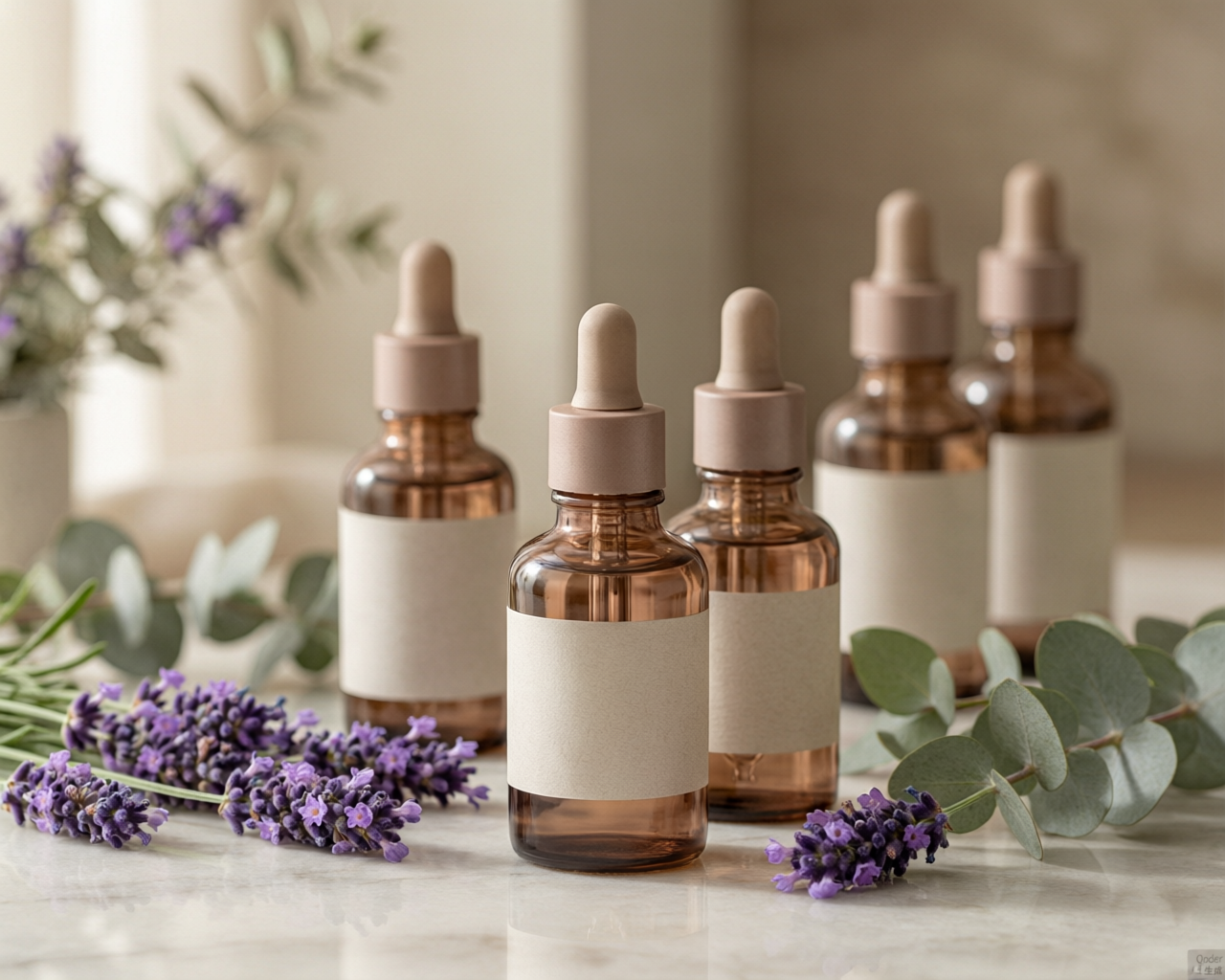
Clinical-Grade Essential Oils
Therapeutic applications require oils with verified chemical composition, free from adulteration, synthetic dilution, or pesticide residues.
Product spec: Therapeutic-Grade Essential Oils
| Parameter | Detail |
|---|---|
| Purity verification | GC-MS report per batch |
| Available oils | Lavender (Lavandula angustifolia), Bergamot (FCF, furanocoumarin-free), Sweet Orange, Roman Chamomile, Ylang Ylang, Frankincense, Cedarwood, Clary Sage |
| Bottle sizes | 10 mL, 30 mL, 100 mL (amber glass, dropper cap) |
| Certification options | USDA Organic, EU Organic, conventional |
| Shelf life | 24-36 months (varies by oil) |
| Documentation | GC-MS certificate, MSDS, IFRA allergen declaration, country of origin |
Pre-Blended Therapeutic Formulations
For practices without aromatherapy training, pre-blended formulations simplify deployment.
| Blend Name | Composition | Intended Use |
|---|---|---|
| Calm Session | Lavender 40%, Chamomile 30%, Frankincense 30% | Pre-session anxiety reduction |
| Grounding | Cedarwood 35%, Vetiver 35%, Sweet Orange 30% | Trauma-informed sessions, dissociation support |
| Clarity | Rosemary 30%, Lemon 35%, Peppermint 35% | Cognitive-behavioral sessions, focus support |
| Rest | Lavender 45%, Cedarwood 30%, Vetiver 25% | Sleep-hygiene education, evening group programs |
Diffusion Hardware for Therapy Rooms
Therapy rooms are small (12-25 sqm), require silent operation, and must allow rapid scent clearing between sessions for patients with sensitivities.
Product spec: Clinical Room Diffuser
| Parameter | Detail |
|---|---|
| Technology | Ultrasonic cold-mist |
| Coverage | 15-40 sqm |
| Tank | 200 mL water |
| Oil input | 3-5 drops per session |
| Runtime | 4-6 hours continuous, or 30-min interval mode |
| Noise | Below 20 dB |
| Auto shutoff | Yes (water level and 2-hour timer) |
| Material | BPA-free PP, ceramic-look or wood-grain finish |
| Power | USB-C, 5V |
| Cleaning | Weekly citric-acid rinse (guide included) |
Passive Diffusion Options
For waiting rooms, reception areas, and hallways where electronic diffusers are impractical:
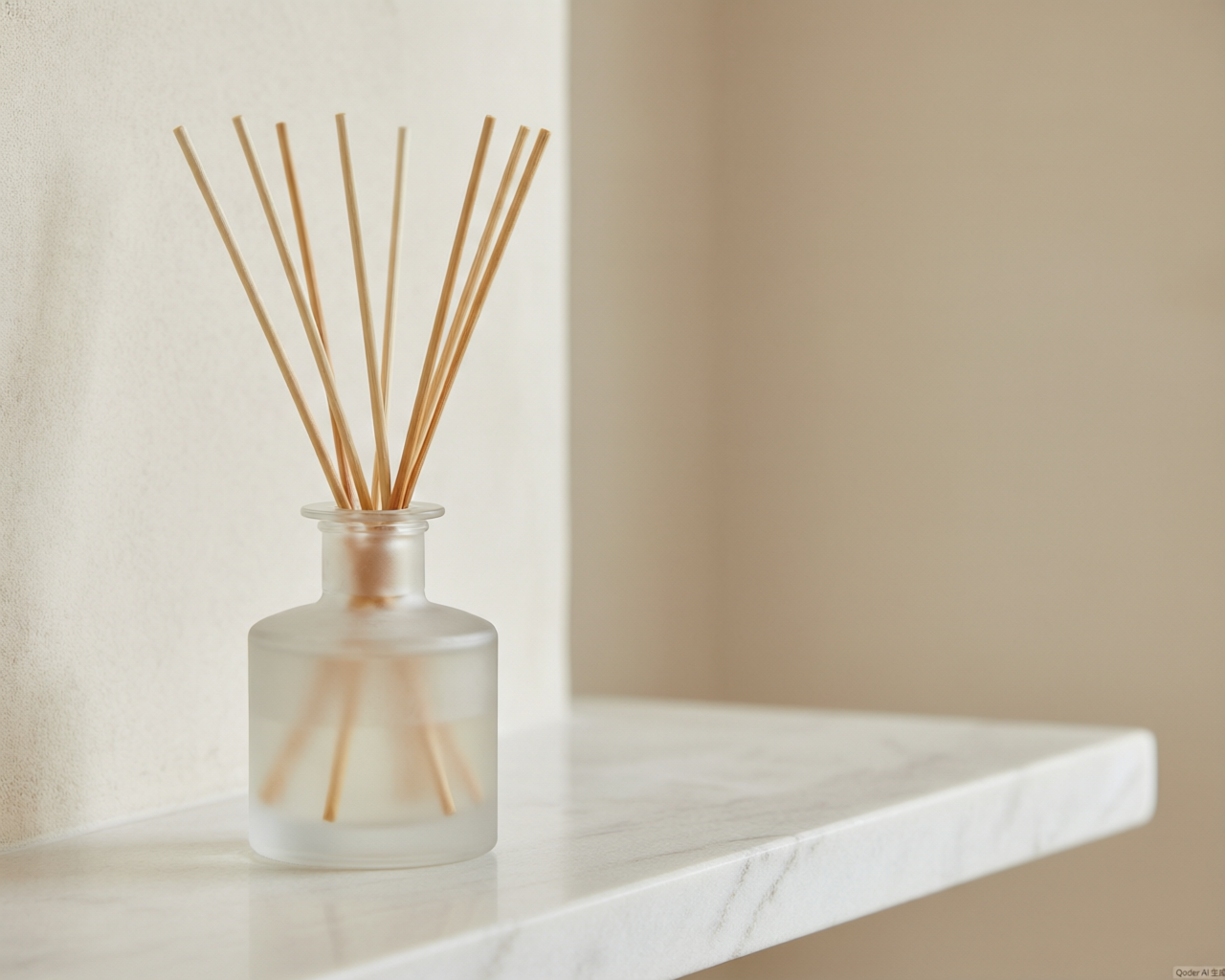
Product spec: Reed Diffuser (Commercial)
| Parameter | Detail |
|---|---|
| Vessel | 150 mL amber glass |
| Reeds | 8 natural rattan sticks, 25 cm |
| Fragrance load | 20% in DPG base |
| Scent life | 8-10 weeks |
| Scent options | Lavender-field, eucalyptus-mint, white tea |
| Safety | Spill-resistant narrow neck, child-safe placement guidance |
Topical Application Products
For practices incorporating aromatherapy massage or grounding exercises involving scent:
Product spec: Massage and Grounding Oil
| Parameter | Detail |
|---|---|
| Carrier | Fractionated coconut oil (MCT) |
| Essential oil dilution | 2% (adult), 1% (adolescent) |
| Bottle | 100 mL amber glass, pump dispenser |
| Scents | Lavender-cedarwood, chamomile-orange |
| Skin safety | Dermatologically tested, hypoallergenic |
| Contraindications label | Included (pregnancy, epilepsy, anticoagulant use) |
Safety Protocols for Clinical Settings
Mental health practices serve vulnerable populations. Fragrance safety protocols must address:
- Patient consent: Offer opt-out at intake. Maintain a fragrance-sensitivity flag in patient records.
- Ventilation: Ensure therapy rooms have operable windows or mechanical ventilation for rapid scent clearing (target: full air exchange within 10 minutes).
- Allergy screening: Include fragrance allergy questions in health history forms. Keep unscented sessions available at all times.
- Contraindications: Avoid rosemary and sage in patients with epilepsy. Avoid high-camphor oils in patients on anticoagulants. Document all oils used per session.
- Pregnancy: Restrict essential oil use to diffusion only (no topical) for pregnant patients. Avoid clary sage, rosemary, and jasmine in first trimester.
- Pediatric patients: Reduce diffusion concentration by 50%. Use only lavender, sweet orange, and chamomile for patients under 12.
Regulatory and Professional Considerations
| Consideration | Guidance |
|---|---|
| Scope of practice | Aromatherapy as environmental comfort does not require additional licensure in most US states and EU countries. Therapeutic claims require caution. |
| Insurance | Notify professional liability carrier of aromatherapy use. Most policies cover ambient diffusion. |
| Documentation | Record oils used, concentration, and patient consent in session notes. |
| Product liability | Source only from manufacturers providing GC-MS certificates, IFRA compliance, and product liability insurance. |
| Facility standards | Comply with local health-department regulations for clinical environments regarding VOC levels and ventilation. |
MOQ and Pricing
| Product | MOQ | Unit Price (FOB Shenzhen) |
|---|---|---|
| Essential oil 10 mL (conventional) | 100 units | $2.80-$6.50 |
| Essential oil 10 mL (organic certified) | 100 units | $4.50-$9.80 |
| Essential oil 30 mL (conventional) | 50 units | $6.50-$14.00 |
| Pre-blended therapeutic oil 30 mL | 50 units | $7.00-$12.50 |
| Clinical room diffuser | 30 units | $9.80-$15.50 |
| Reed diffuser 150 mL | 100 units | $4.20-$6.80 |
| Massage oil 100 mL (2% dilution) | 100 units | $4.50-$7.20 |
| Practitioner starter kit (8 oils + diffuser + guide) | 20 kits | $95-$140/kit |
Group practices (5+ clinicians) and clinic networks (3+ locations) receive 15% volume pricing. Annual subscriptions include quarterly oil replenishment and updated GC-MS certificates.
Implementation for Different Practice Types
Solo Therapist
Start with one clinical diffuser, three oils (lavender, bergamot FCF, cedarwood), and a reed diffuser for the waiting room. Total investment: approximately $120-$180. Deploy lavender during anxiety-focused sessions, bergamot for mood support, cedarwood for grounding work.
Group Practice (3-10 clinicians)
Standardize on two pre-blended formulations (Calm Session and Grounding) to ensure consistency across providers. Install one diffuser per therapy room. Place reed diffusers in reception and hallways. Budget: $400-$800 initial, $80-$150 quarterly replenishment.
Psychiatric Clinic or IOP Program
Deploy diffusers in group therapy rooms, individual offices, and common areas. Use passive reed diffusers in medication-waiting areas. Provide grounding oil for DBT skills groups. Assign a staff aromatherapy coordinator for inventory, safety compliance, and patient feedback collection. Budget: $1,500-$3,000 initial, $300-$600 quarterly.
Measuring Clinical Impact
While aromatherapy is not a primary intervention, practices can track environmental outcomes:
- Pre-session and post-session anxiety self-ratings (0-10 scale)
- Patient satisfaction surveys including “comfort of environment” items
- Session attendance and cancellation rates
- Qualitative patient feedback on atmosphere
Partner with Aromiso
Aromiso supplies mental health practices, wellness clinics, and institutional behavioral health programs with verified essential oils, diffusion hardware, and practitioner resources. Request a clinical aromatherapy sample kit and implementation guide at aromiso.com.