E-commerce
Fragrance Affiliate Programs: Recruiting, Managing & Scaling Partners
Esta guía aún no está disponible en español. La estás viendo en inglés.
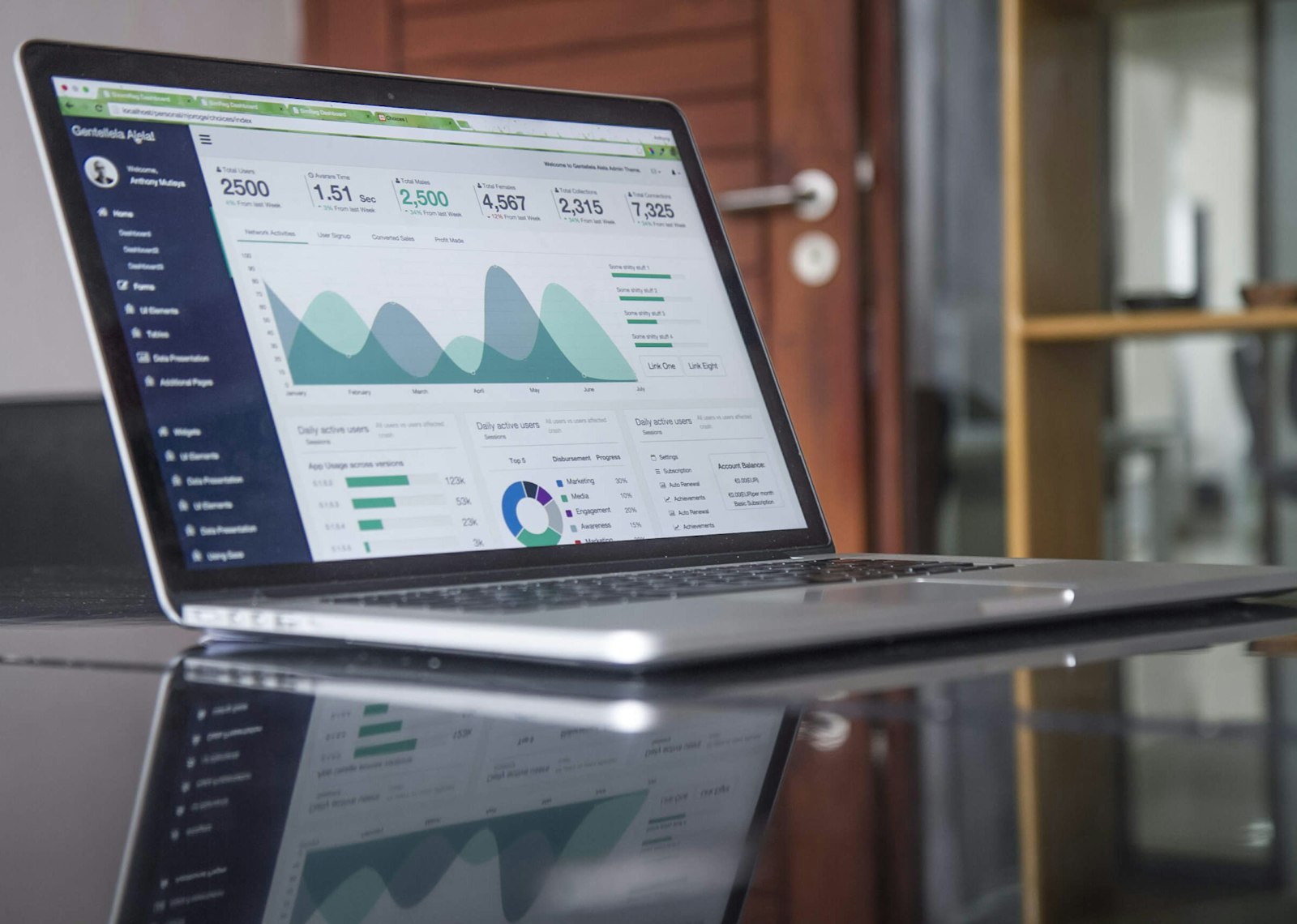
Most home fragrance brands spend 25-40% of revenue on paid acquisition, yet the channel with the highest ROI for scent products remains stubbornly underused: affiliate marketing. A well-structured fragrance affiliate program typically delivers 15-30% of total e-commerce revenue at a blended cost of 10-20% per sale — roughly half the customer acquisition cost of Meta or Google Ads for the same product category. The problem is not whether affiliates work for candles, reed diffusers, and essential oils. The problem is that most brand owners launch programs with vague commission structures, no creative assets, and zero recruitment strategy, then wonder why 90% of their partners generate nothing.
This guide breaks down the operational reality of building a fragrance affiliate program from scratch or restructuring an underperforming one. You will find specific commission benchmarks for the home fragrance category, a recruitment playbook that targets the right content creators, management workflows that keep top producers engaged, and scaling tactics that move a program from $5,000 to $50,000+ in monthly affiliate-driven revenue. Whether you sell private-label candles sourced from a Chinese OEM or run a full DTC fragrance brand, the mechanics below apply.
Why Affiliate Marketing Fits the Fragrance Category
Home fragrance products have structural advantages that make candle affiliate marketing unusually effective compared to other consumer goods categories.
- High repeat purchase rates — Scented candle buyers repurchase within 45-90 days on average, and reed diffuser refill customers return every 60-75 days. Affiliates earn recurring commissions on subscription or repeat orders, which keeps them motivated long-term.
- Visual and experiential content — Unboxing videos, shelf styling, and “scent of the month” roundups generate 3-5x higher engagement than generic product posts. Affiliates in the home decor and wellness niches actively seek fragrance products to feature.
- Average order values of $35-$85 — This price range hits the sweet spot for impulse purchases driven by content recommendations, meaning conversion rates of 2-5% are achievable (versus 0.5-1.5% for higher-ticket home goods).
- Seasonal demand spikes — Q4 (October-December) accounts for 35-45% of annual candle sales. Affiliates plan content calendars around these peaks, giving your brand built-in promotional momentum without additional ad spend.
The key insight for procurement teams: your product margins must accommodate a 15-25% affiliate commission while preserving at least 20% net margin. If your landed cost from your manufacturer leaves less than 45% gross margin, restructure pricing or negotiate better MOQ terms before launching a program.
Commission Structures That Attract Quality Partners
A generic 10% flat commission will not recruit serious scent brand affiliates. The home fragrance category is competitive, and top creators evaluate programs based on earnings potential, cookie duration, and payment reliability.
| Commission Model | Typical Rate | Best For | Pros | Cons |
|---|---|---|---|---|
| Flat percentage | 10-15% | New programs, simple tracking | Easy to administer | Does not reward top performers |
| Tiered performance | 12-25% (escalating) | Programs with 50+ active affiliates | Motivates volume growth | Requires monthly reporting |
| Fixed bounty per sale | $8-$15 per order | Lead-gen or subscription signups | Predictable cost | Ignores order value variation |
| Hybrid (base + bonus) | 12% + $5 bonus over 20 sales/mo | Scaling programs | Balances simplicity and incentive | Slightly complex tracking |
| Recurring (subscription) | 15-20% on first order, 5-8% on renewals | Subscription box or refill models | Rewards long-term value | Needs robust attribution |
Cookie duration matters as much as rate. Set a minimum 30-day cookie window; 45-60 days is standard for home fragrance because buyers often research scents over multiple sessions before purchasing. Programs offering 7-day cookies lose an estimated 20-30% of attributable conversions to last-click competitors.
Payment terms: net-30 after the return window (typically 30-45 days post-sale) is industry standard. Offer PayPal, bank transfer, and at least one platform-native payout (Impact, ShareASale, or PartnerStack). Late payments are the number-one reason top affiliates abandon programs.
Recruiting the Right Affiliates for Scent Brands
Recruitment is where most fragrance affiliate programs fail. Posting a signup page and waiting produces hundreds of low-quality applicants and zero revenue. Active outbound recruitment targeting specific creator segments is the only reliable path.
Target these five affiliate segments in priority order:
- Home decor and interior styling bloggers (10K-200K followers) — They already feature candles and diffusers in room setups. Conversion rates average 3-6% because their audience trusts product placement recommendations.
- Wellness and aromatherapy content creators — Essential oil and self-care audiences convert at 4-7% for products positioned around relaxation, sleep, or mood enhancement.
- YouTube reviewers and “scent haul” channels — Long-form video reviews of candle collections drive high-intent traffic. A single video from a 50K-subscriber channel can generate $2,000-$8,000 in tracked sales over 90 days.
- Coupon and deal sites (RetailMeNot, Honey partners) — Lower margin but high volume. Reserve 8-12% commission for this tier to protect margins.
- Loyalty and cashback platforms (Rakuten, TopCashback) — Passive revenue layer. Expect 5-10% incremental lift with minimal management effort.
Recruitment outreach checklist:
- Identify 50-100 creators per segment using tools like BuzzSumo, Upfluence, or manual Instagram hashtag searches (#candlelover, #homedecor, #aromatherapy).
- Send personalized emails referencing specific content they have produced. Generic templates convert at under 2%; personalized outreach converts at 12-18%.
- Offer a free product sample kit (3-5 SKUs, $40-$80 retail value) with no obligation. Sample-to-activation rates run 35-50% when the product quality is strong.
- Provide a dedicated landing page with program terms, commission details, and a 60-second signup form. Friction above 3 fields drops completion rates by 25%.
- Follow up within 5 business days if no response. One follow-up increases acceptance rates by 20-30%.
Plan for a 60-90 day recruitment sprint to onboard your first 30-50 active affiliates. Budget 8-12 hours per week for outreach during this phase.
Creative Assets and Content Enablement
Affiliates produce content only when you remove friction. The brands that win in scent brand affiliates provide a complete creative toolkit at onboarding.
- High-resolution product photography — Minimum 20 images per SKU: lifestyle shots, flat lays, close-ups of wax texture and packaging, and seasonal arrangements. Provide in 1:1, 4:5, and 16:9 aspect ratios.
- Video b-roll — 15-30 second clips of candles being lit, diffusers in use, and unboxing sequences. Affiliates overlay these in Reels and TikToks.
- Pre-written copy blocks — Product descriptions, scent note breakdowns, and 3-5 “hook” headlines per product. Affiliates adapt rather than write from scratch.
- Exclusive discount codes — Unique codes per affiliate (e.g., WELCOME15 for 15% off) serve dual purposes: tracking attribution and giving creators a tangible audience incentive.
- Seasonal campaign briefs — Send a one-page brief 30 days before major selling windows (Valentine’s Day, Mother’s Day, Q4 gifting season) with recommended angles, hashtags, and product pushes.
Brands that provide full asset kits see 2-3x higher content output per affiliate compared to those offering only a text link and a banner.
Managing and Retaining Top Performers
The Pareto principle applies aggressively: 10-15% of your affiliates will generate 70-80% of revenue. Managing those relationships is a retention problem, not a recruitment problem.
Monthly management workflow (4-6 hours total for a 100-affiliate program):
- Week 1: Pull performance reports. Identify top 10 producers and bottom 25% inactive partners. Send personalized thank-you notes to top performers with a performance summary.
- Week 2: Check in with mid-tier affiliates (those generating $200-$1,000/month) who have gone 14+ days without a click. Offer a seasonal content idea or exclusive early access to a new scent.
- Week 3: Audit for compliance — verify no affiliates are bidding on branded keywords (a common issue that inflates costs by 10-15%), misrepresenting claims, or using unauthorized coupon sites.
- Week 4: Approve and process payments. Resolve any tracking disputes within 48 hours. Publish next month’s promotional calendar to your affiliate portal.
Retention levers for top partners:
- Exclusive early access to new product launches (7-14 days before public release).
- Custom commission bumps: move top 5 affiliates to 20-25% rates annually.
- Co-branded content opportunities: fund a dedicated video or blog series ($500-$2,000 per piece) for affiliates consistently exceeding $5,000/month.
- Annual gifting: send a curated box of your full product line (retail value $150-$300) each November as a relationship gesture.
Programs that implement structured retention see annual affiliate churn drop from 40-50% to under 20%.
Technology Stack and Tracking Setup
You do not need enterprise software to run a fragrance affiliate program, but you do need reliable attribution.
| Platform | Monthly Cost | Best For | Key Feature |
|---|---|---|---|
| ShareASale (Awin) | $0 + 20% network fee | US-focused brands, marketplace access | 250K+ affiliate network |
| Impact.com | $500-$2,500/mo | Scaling brands, multi-channel | Advanced attribution modeling |
| PartnerStack | $500-$1,500/mo | B2B and SaaS-adjacent fragrance brands | Partner ecosystem tools |
| Refersion | $99-$2,499/mo | Shopify-native DTC brands | Native Shopify integration |
| GoAffPro | $0-$49/mo | Budget-conscious startups | Free tier, simple setup |
For a brand doing under $50,000/month in total revenue, start with Refersion or GoAffPro to keep fixed costs below $200/month. Migrate to Impact or ShareASale once affiliate revenue exceeds $15,000/month and you need network access for recruitment at scale.
Critical tracking requirements: implement server-side postback tracking (not pixel-only) to survive iOS privacy restrictions. Set up UTM parameter conventions from day one. Reconcile affiliate-reported sales against your e-commerce backend monthly — discrepancies above 5% indicate a tracking failure.
Scaling from $5K to $50K in Monthly Affiliate Revenue
Growth follows a predictable sequence if you execute each phase before jumping to the next.
Phase 1: Foundation ($0-$5K/month, months 1-3) Recruit 30-50 affiliates. Focus on 5-10 mid-tier creators (10K-100K audience). Provide full creative kits. Establish baseline conversion data. Expected timeline to first $1,000 month: 4-6 weeks.
Phase 2: Optimization ($5K-$15K/month, months 4-8) Introduce tiered commissions. Launch seasonal campaigns with dedicated briefs. Add 2-3 coupon/cashback partners for volume. A/B test commission rates (raise by 2-3% and measure incremental lift). Recruit 10-15 new affiliates monthly to replace natural churn.
Phase 3: Scale ($15K-$50K/month, months 9-18) Negotiate premium placements with top 5 affiliates (homepage features, dedicated email sends, YouTube integrations). Expand internationally — UK and Australian home fragrance creators are underserved by affiliate programs. Introduce a sub-affiliate or “affiliate of the month” bonus ($250-$500) to drive internal competition. Hire a part-time affiliate manager (15-20 hours/week, $2,000-$4,000/month) once revenue justifies it.
At $50,000/month in affiliate revenue at a 15% blended commission, your total program cost is approximately $7,500 in commissions plus $500-$2,500 in platform fees and management — a 16-20% blended CAC that undercuts paid social by 30-50% in the fragrance category.
Aligning Your Supply Chain with Affiliate Demand
Affiliate programs create demand variability that procurement teams must plan for. A single viral video can spike orders by 300-500% within 72 hours.
- Maintain 30-45 days of safety stock on your top 3-5 SKUs. Affiliates promote what is in stock; stockouts during a campaign waste the traffic and damage partner trust.
- Coordinate launch timing with your OEM — If you source private-label products from China, build in 35-50 days for production plus 25-35 days for ocean freight. Share your affiliate campaign calendar with your manufacturer 90 days ahead.
- Pre-position inventory for Q4 — Place production orders by July for October-December affiliate pushes. Late orders face factory capacity constraints and 20-40% higher air freight costs.
- Offer affiliates real-time stock visibility — A simple weekly email or portal update showing available inventory prevents partners from promoting sold-out items.
If you are building or expanding your product line to support an affiliate program, browse the product catalog for ready-to-brand options, or explore the OEM program for custom formulations and packaging that give affiliates a differentiated story to tell.
Next Steps
A fragrance affiliate program is not a “set and forget” channel. It requires 90 days of focused recruitment, consistent creative support, and monthly performance management before it becomes a predictable revenue driver. The brands that treat affiliates as true partners — with fair commissions, quality assets, and reliable operations — build a compounding asset that reduces dependence on paid ads year over year.
Your immediate action list:
- Audit your unit economics. Confirm 45%+ gross margin exists after landed cost to support 15-25% commissions.
- Choose a tracking platform and implement it within 2 weeks. Do not recruit affiliates before tracking is live.
- Build your creative asset kit: 20+ product images, 3 video clips, copy blocks, and unique discount codes.
- Identify your first 50 recruitment targets across the five segments outlined above.
- Set a 90-day goal: 30 active affiliates, $3,000-$5,000 in tracked revenue, and baseline conversion data.
If you need a manufacturing partner who can scale production to match affiliate-driven demand spikes, request a quote with your projected volumes and timeline. Aromiso supports MOQs starting at 500 units per SKU for reed diffusers, candles, and essential oil blends, with production lead times of 25-35 days and dedicated account management for growing brands.