Product Guides
Custom Bottle & Container Development for Fragrance Products
Esta guía aún no está disponible en español. La estás viendo en inglés.
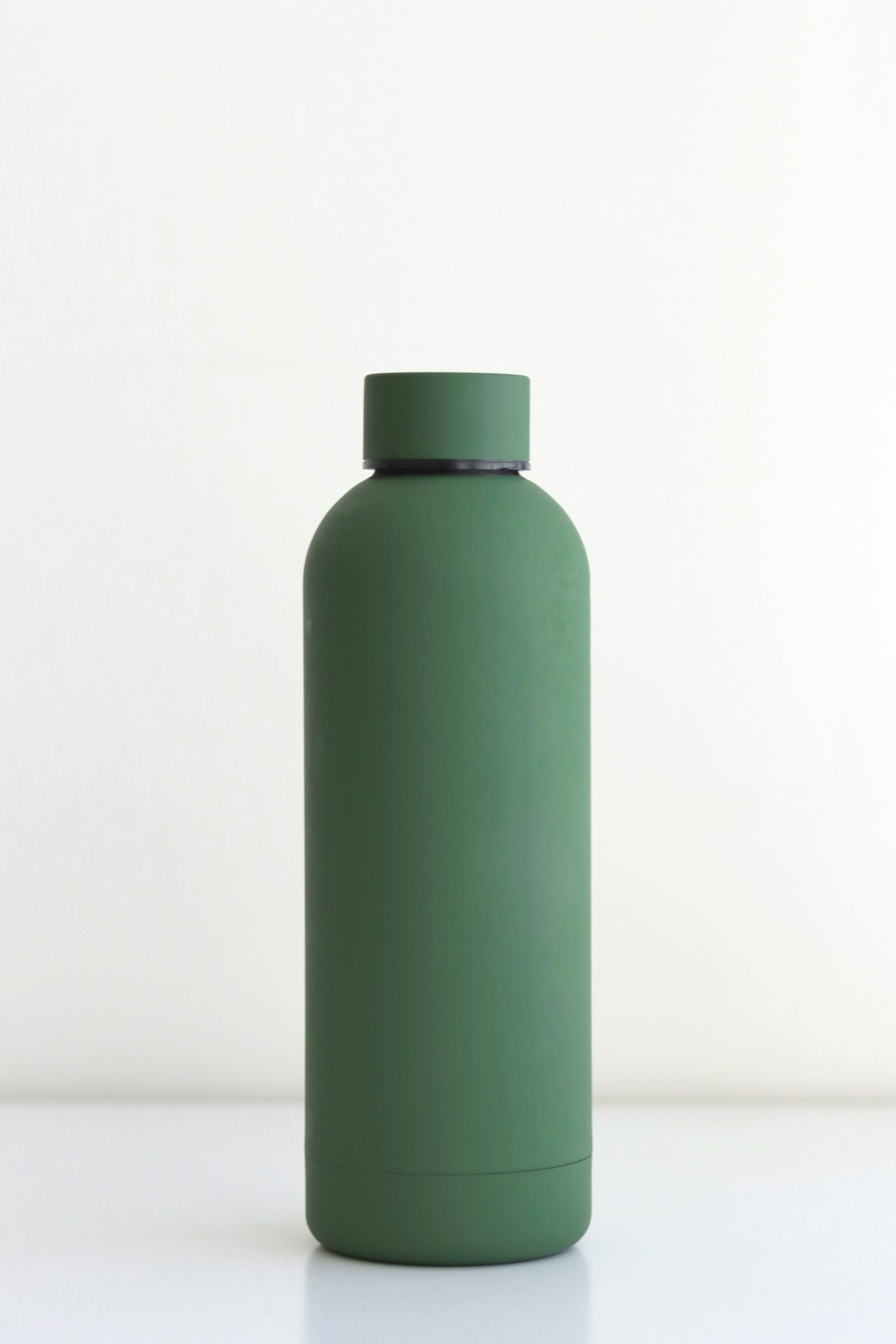
The container is the part of a fragrance product buyers underestimate most often. The scent sells the second purchase; the bottle sells the first. Yet custom container development is also where projects hit their longest fixed lead times and their largest upfront cash outlays — a mold that is still in tooling can stall an entire launch regardless of how ready the formula is. This guide covers the real economics of custom bottle development: mold costs, MOQs, the glass-versus-PET decision, decoration options, and the lead-time math you need to plan around.
Custom Mold vs. Stock Container
Before spending on tooling, decide whether you actually need a custom mold. Stock containers are catalog items the factory already produces; custom molds are tooling built to your exclusive design.
| Factor | Stock Container | Custom Mold |
|---|---|---|
| Upfront tooling cost | $0 | $2,000–8,000 |
| MOQ | 500–1,000 pcs | 3,000–5,000 pcs |
| Lead time | 7–15 days | 30–45 days |
| Brand exclusivity | None — competitors use the same item | Exclusive to you |
| Design freedom | Limited to catalog shapes | Full control |
For a first launch or a test market, stock containers de-risk the project: no tooling capital, lower MOQ, faster to shelf. Custom molds make sense once you have validated demand and need shelf differentiation, or when your brand identity depends on a proprietary silhouette. A common path is to launch on stock, then move to a custom mold for the second production run once volume justifies the tooling.
Mold Development: Cost and Timeline
Mold cost is driven by complexity, cavity count, and material.
| Mold Type | Typical Cost | Notes |
|---|---|---|
| Simple glass mold (single cavity) | $2,000–3,500 | Round or simple geometric shapes |
| Complex glass mold | $4,000–8,000 | Custom curves, embossing, multi-cavity |
| PET preform / blow mold | $1,500–4,000 | Generally cheaper than glass tooling |
| Cap / closure mold | $1,000–3,000 | Often a separate tool from the body |
The 30–45 day lead time breaks down roughly as: 5–7 days for design finalization and 2D/3D drawings, 18–25 days for machining the mold, and 5–10 days for trial shots, sampling, and adjustment. Always request a T1 sample (first trial shot) before approving bulk. Check wall thickness uniformity, finish quality, and that the closure seals correctly with your chosen pump or cap.
Glass vs. PET
The material decision affects cost, weight, perceived quality, and shipping economics.
| Property | Glass | PET |
|---|---|---|
| Perceived quality | Premium, luxury | Functional, accessible |
| Unit cost | Higher | 30–50% lower |
| Weight | Heavy (raises freight cost) | Light |
| Fragrance compatibility | Excellent, inert | Good, but verify with high-oil formulas |
| Breakage risk | Higher — needs protective packaging | Low |
| Sustainability story | Infinitely recyclable | Recyclable, lighter carbon per ship |
Glass is the default for premium and luxury fragrance because it is chemically inert and signals quality. PET wins for travel sizes, room sprays sold at volume, and any product where shipping weight or breakage is a concern. One caution: high-concentration formulas and certain solvent bases can interact with some plastics, so always run a compatibility test with PET before committing.
Decoration Options
Decoration is where brand identity gets applied, and each method has different cost and durability characteristics. Most projects combine two or more.
| Method | Look | Approx. Cost Impact | Best For |
|---|---|---|---|
| Spray coating (matte/soft-touch) | Premium tactile finish | +$0.15–0.40/pc | Luxury feel, colored glass effect |
| Hot stamping (foil) | Metallic gold/silver accents | +$0.05–0.20/pc | Logos, premium detailing |
| Silk screen printing | Opaque, durable graphics | +$0.05–0.15/color | Multi-color branding |
| Embossing / debossing | Raised or recessed relief | Built into mold cost | Tactile brand marks |
| Label (paper/PP) | Flexible, low MOQ | +$0.02–0.10/pc | Short runs, variable info |
Decoration also affects lead time and MOQ. Spray coating and multi-color screen printing add 5–10 days and may carry their own minimums. Each additional color or finish is another setup cost, so a restrained decoration spec is both cheaper and faster.
Planning the Lead Time
Container development runs on the critical path because it cannot be compressed without risking quality. Build your calendar backward from the launch date:
- Mold + sampling: 30–45 days
- Bulk container production: 15–25 days (after T1 approval)
- Decoration: 5–10 days
- Filling, finishing, QC: 7–15 days
Run formula development and stability testing in parallel with mold development so the container and the scent are both ready at the same time. The most common scheduling error is finishing the formula first, then discovering the bottle is still six weeks out.
Working with Aromiso
Aromiso manages custom container development end to end — from 3D drawings and mold tooling through decoration, filling, and finished-goods QC — so you coordinate with one partner instead of juggling a bottle factory and a filler. We offer stock containers from low MOQs for test launches and full custom mold programs for differentiated SKUs, all paired with IFRA-compliant formulations and an OEM MOQ starting at 100 pieces for sampling. Share your design intent and target unit cost, and we will return a tooling quote, decoration spec, and a dated container-to-bulk timeline.