Trends & Insights
Mother's Day Fragrance Gifts: Product Planning for May Sales
Este artículo aún no está disponible en español. Lo estás viendo en inglés.

Mother’s Day is the third-largest gifting occasion in the United States, with consumer spending reaching $33.7 billion in 2024 according to the National Retail Federation. Fragrance and candle products consistently rank in the top four gift categories, behind only flowers, greeting cards, and jewelry. For B2B buyers, this holiday offers a focused, high-conversion sales window that rewards thoughtful product planning and early sourcing.
Understanding the Mother’s Day Buyer
The Mother’s Day fragrance buyer differs significantly from everyday purchasers. Research from Prosper Insights & Analytics reveals key buyer demographics:
- 62% of Mother’s Day gift purchases are made by adults aged 25-44 buying for their mothers or mothers-in-law
- Average gift spend per person is $196, with fragrance products typically occupying the $25-75 range
- 78% of buyers prioritize “thoughtfulness” over price, favoring curated sets over single items
- Online purchasing accounts for 43% of Mother’s Day gift sales, with the remainder split between specialty retail and department stores
The buyer’s primary motivation is expressing appreciation through a gift that feels personal and indulgent. This positions fragrance products ideally: they are consumable (no clutter anxiety), sensory (feels luxurious), and customizable (can be tailored to the recipient’s taste).
Gift Set Composition Strategies
The most commercially successful Mother’s Day fragrance products are gift sets rather than individual items. Set composition directly impacts perceived value and purchase conversion:
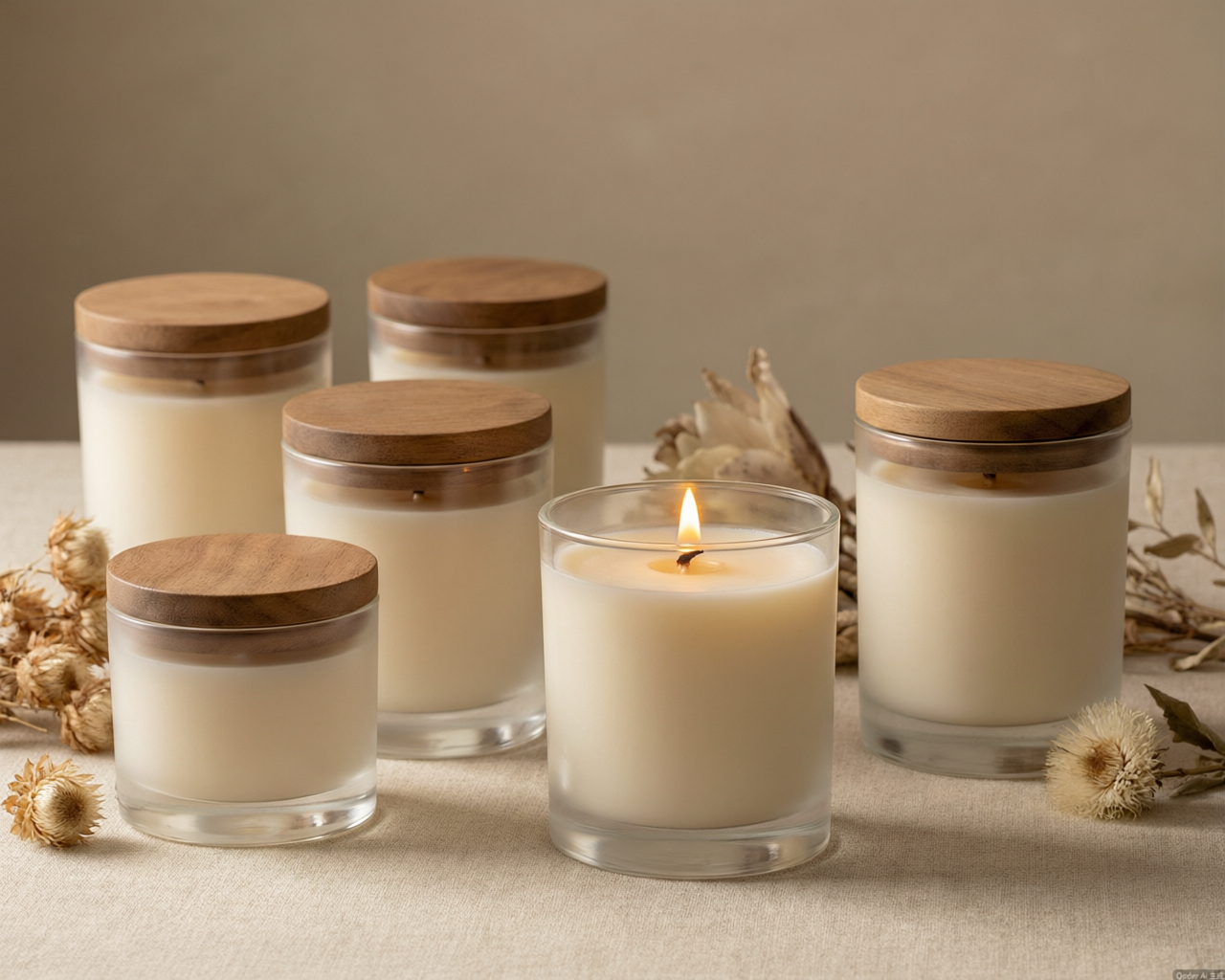
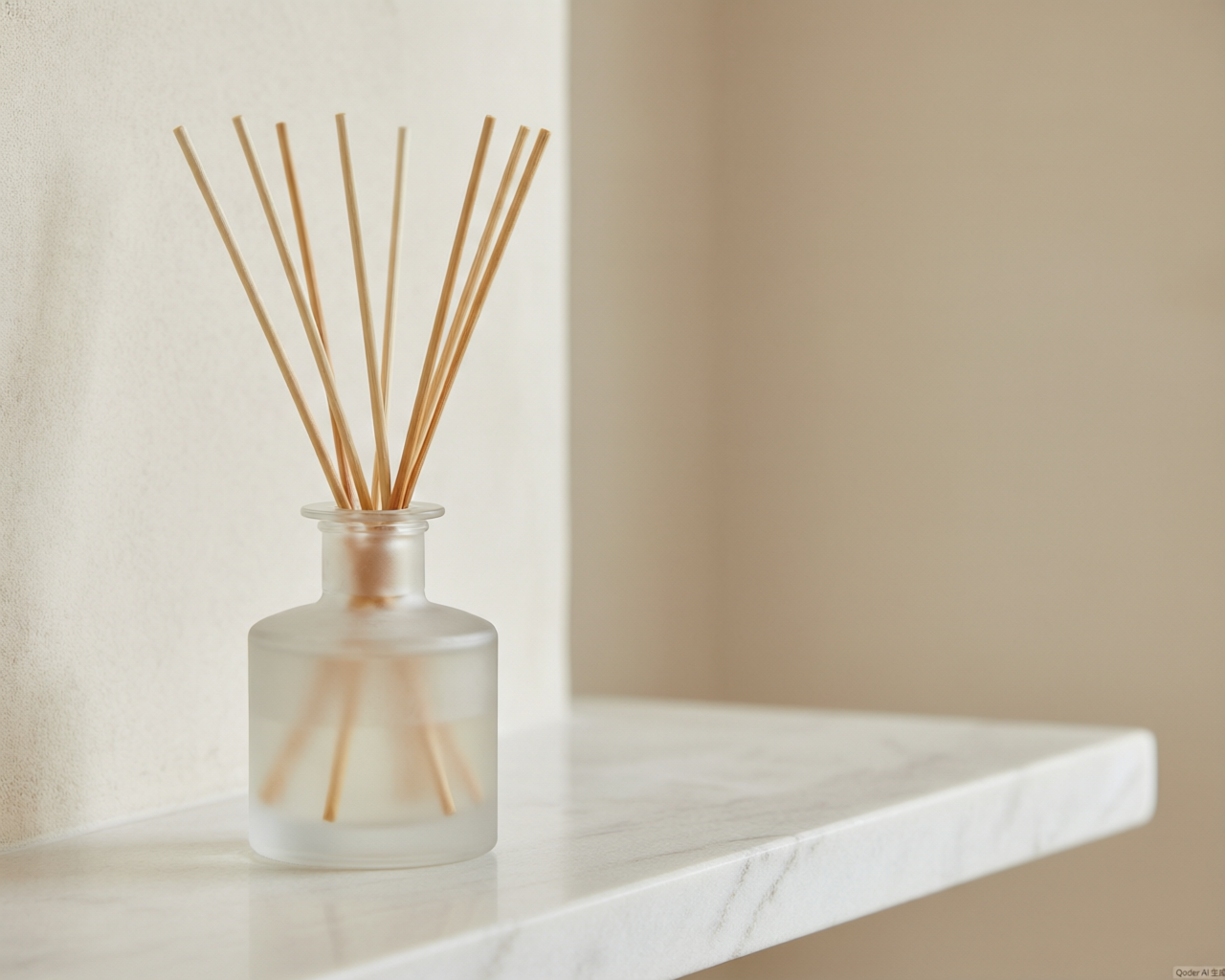
The “Pamper” Set. A candle, room spray, and matching reed diffuser in a coordinated scent. This three-piece format hits the $45-65 retail sweet spot and provides a complete home scenting experience. Market data shows three-piece sets outsell two-piece sets by approximately 2:1 for Mother’s Day specifically.
The “Discovery” Set. Four to six miniature products across complementary scents. This format reduces purchase anxiety when the buyer is unsure of preferences and generates 30% higher add-to-cart rates in e-commerce (Shopify data).
The “Ritual” Set. Products organized around a daily routine: a morning room spray, an evening candle, and a bedtime linen mist. Narrative-driven sets command 15-20% price premiums over equivalent bundles.
Scent Selection for Mother’s Day
Mother’s Day fragrance preferences skew toward comforting yet sophisticated profiles:
Soft florals. Rose, peony, jasmine, and lavender remain the dominant Mother’s Day scent family. These notes carry associations of femininity, care, and gentleness that align with the holiday’s emotional context.
Clean and fresh. White tea, cotton, linen, and light citrus compositions appeal to modern sensibilities. These “clean girl” aesthetic scents have grown 28% year-over-year in the 25-34 demographic (Circana data).
Comfort gourmands. Vanilla, honey, and light caramel notes evoke warmth and nurturing. These perform strongly in candle format where the baking association reinforces maternal imagery.
Aromatherapeutic blends. Lavender-chamomile, eucalyptus-mint, and stress-relief compositions position the gift as an act of care. The aromatherapy market is growing at 9.5% CAGR (Grand View Research), and Mother’s Day provides a natural entry point for wellness-positioned products.
Packaging and Presentation
Mother’s Day packaging must communicate “gift-ready” without additional wrapping effort from the buyer:
Rigid gift boxes. Magnetic-closure boxes with tissue paper interiors signal premium gifting. Soft-touch lamination in blush, cream, or sage green aligns with the holiday aesthetic.
Floral design elements. Botanical illustrations, pressed-flower motifs, and delicate line drawings of peonies or roses perform better than photographic imagery for Mother’s Day packaging.
Personalization options. Space for a handwritten note, or an included message card with “Happy Mother’s Day” text, eliminates the buyer’s need to source a separate card. This small addition increases conversion by 12-18% in e-commerce (BigCommerce data).
Reusable packaging. Fabric-wrapped bundles (furoshiki-style), decorative tins, and keepsake boxes add perceived value while aligning with sustainability expectations. 61% of consumers aged 30-50 prefer gift packaging that recipients can reuse (McKinsey 2024).
Order Timeline for May Sales
Mother’s Day falls on the second Sunday of May (May 11 in 2025, May 10 in 2026). Working backward:
December-January (5-6 months out): Define collection concept. Select scents. Request samples from manufacturer. Confirm gift set compositions and pricing architecture.
February (3-4 months out): Approve samples and packaging proofs. Place production orders. For custom vessels or unique packaging, this is the final deadline for tooling.
March (2-3 months out): Production runs. Standard lead time is 25-35 days. Gift set kitting and assembly adds 5-7 days. Quality inspection scheduled for late March.
April (1-2 months out): Shipping and customs clearance. Ocean freight from China requires 25-35 days to North America. Ship by April 1 for early May arrival. Air freight (7-10 days) is viable for replenishment orders or smaller volumes.
Late April-Early May: Warehouse receipt and distribution. Amazon FBA inbound deadlines for Mother’s Day typically fall around April 20-25. Retail distribution should complete by May 1 for a two-week selling window.
The Compressed Selling Window
Unlike Christmas (8+ week selling season), Mother’s Day has an intense 2-3 week peak. NRF data shows 60% of Mother’s Day purchases occur in the 14 days before the holiday. This compression means:
- Inventory must be fully positioned before the window opens
- Stockouts during peak week cannot be recovered with expedited shipping from overseas
- E-commerce listings should go live 3-4 weeks before the holiday to capture early planners
- Post-holiday markdown risk is high for explicitly branded products
To mitigate markdown exposure, use “For Mom” messaging on removable inserts rather than permanent packaging, and order conservatively for first-year SKUs (70% of forecast) with air freight available for rapid replenishment.
Market Growth Context
The U.S. gifting market is projected to reach $498 billion by 2027 (IBISWorld), with occasion-specific gifting growing faster than general gifting. Within this expansion, fragrance and candle gifts benefit from the broader “affordable luxury” trend: consumers trade up within small indulgence categories even when discretionary budgets tighten.
Mother’s Day fragrance products that combine thoughtful curation, beautiful presentation, and accessible price points ($30-65 retail) are positioned at the intersection of these growth vectors. Brands that plan early and execute precisely can build a profitable, repeatable annual revenue stream from this single occasion.