Cost & Pricing
Hidden Costs of Importing Fragrance: What Buyers Overlook
Este artículo aún no está disponible en español. Lo estás viendo en inglés.
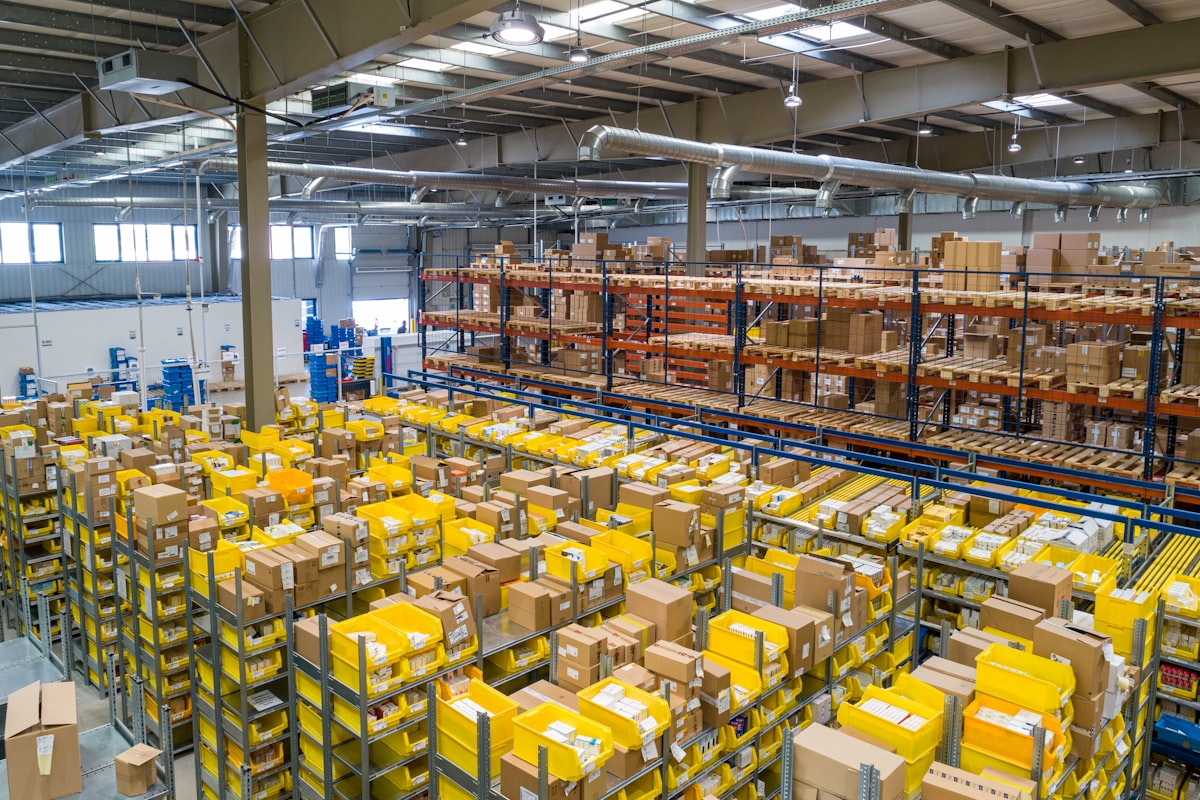
The factory quote is not the final cost. Many first-time fragrance importers budget based on the FOB or EXW unit price from their manufacturer, then face a cascade of additional charges that add 25% to 60% to landed cost. Some of these costs are predictable; others catch buyers completely off guard.
This guide catalogs the hidden costs of importing fragrance products from China, with typical market ranges, so B2B buyers can build accurate landed-cost models from the start.
Shipping and Freight Costs
The most visible additional cost, yet frequently underestimated.
Ocean freight (FCL). A 20ft container from major Chinese ports to the US West Coast costs $2,500 to $5,500 in 2024-2025 market conditions. To Europe, $1,800 to $4,500. To Australia, $1,500 to $3,500. Rates fluctuate seasonally and can spike 50% to 200% during peak season (August to October).
Ocean freight (LCL). For smaller shipments, LCL rates run $50 to $120 per cubic meter. A typical pallet of candles (roughly 2 cubic meters) costs $100 to $240 in freight alone, plus minimum charges of $200 to $500 per shipment.
Air freight. For urgent or sample shipments, $4 to $9 per kilogram. A 100 kg shipment costs $400 to $900 by air versus $50 to $150 by sea.
Inland transportation. Factory-to-port trucking in China: $150 to $500. Destination port-to-warehouse trucking: $200 to $800 depending on distance.
Customs Duties and Taxes
Import duties. Fragrance products attract varying duty rates:
- Candles (HS 3406): 3% to 6% in the US, 0% to 3% in the EU
- Reed diffusers (HS 3307): 4% to 6% in the US, 2% to 4% in the EU
- Essential oils (HS 3301): 0% to 5% in most markets
Value-added tax or GST. EU imports face 19% to 27% VAT depending on country. UK imports face 20% VAT. Australia faces 10% GST. These are recoverable for registered businesses but affect cash flow.
US Section 301 tariffs. Some Chinese goods face additional tariffs of 7.5% to 25%. Fragrance products have generally been excluded from the harshest tranches, but classification matters. Verify current rates before ordering.
Customs broker fees. $100 to $400 per shipment for standard clearance. Complex shipments (multiple HS codes, first-time importer) may cost $400 to $800.
Bond fees (US). Import bonds cost $50 to $300 per single-entry bond, or $300 to $800 annually for a continuous bond.
Dangerous Goods Surcharges
Many fragrance products classify as dangerous goods for shipping due to flash point, alcohol content, or aerosol propellant.
DG classification fee. $100 to $300 per shipment for proper classification and documentation.
DG shipping surcharge. Ocean carriers add $100 to $500 per container for DG cargo. Some LCL consolidators charge $50 to $200 per pallet.
DG warehousing. Storage facilities charge 20% to 50% premiums for DG-compliant warehousing.
Specialized packaging. UN-certified packaging for DG shipments adds $0.20 to $1.00 per unit.
Not all candles and diffusers classify as DG, but room sprays, alcohol-based perfumes, and certain essential oils frequently do. Confirm classification before quoting shipping.
Port and Terminal Charges
These small fees accumulate quickly:
Terminal handling charges (THC). $150 to $400 per container at origin, $200 to $500 at destination.
Documentation fees. $50 to $150 per bill of lading.
Chassis fees. $25 to $75 per day for container chassis at US ports.
Demurrage. If your container sits at the port beyond free time (typically 3 to 7 days), demurrage charges of $100 to $300 per day per container apply. A two-week delay can cost $1,500 to $4,000.
Detention. If you keep the container beyond free time for unloading, $75 to $200 per day.
Inspection and Compliance Costs
Customs inspection. Random or targeted inspections add $200 to $1,000 in examination fees plus potential demurrage during the hold.
FDA or CPSC holds (US). If products are held for review, storage and handling costs of $100 to $500 per day may apply.
EU border inspection. Physical inspection fees: $150 to $600 per shipment.
Third-party inspection. Pre-shipment inspection services (SGS, Bureau Veritas, Intertek): $300 to $800 per inspection.
Insurance
Cargo insurance. Typically 0.3% to 0.8% of goods value. A $20,000 shipment costs $60 to $160 to insure. This seems minor until a container is lost or damaged.
Product liability insurance. Required by many retailers. Annual premiums: $1,000 to $5,000 for small brands, $5,000 to $25,000 for established brands.
Warehousing and Fulfillment
Receiving and inspection. $0.10 to $0.30 per unit for inbound processing.
Storage. $0.50 to $2.00 per pallet per day, or $15 to $40 per pallet per month. Climate-controlled storage (recommended for fragrance) adds 20% to 40%.
Pick and pack. $1.00 to $3.50 per order for ecommerce fulfillment.
Inventory carrying cost. Capital tied up in inventory costs 8% to 15% annually in opportunity cost.
Currency and Payment Costs
Currency conversion. Banks and payment services charge 1% to 3% on international wire transfers.
Letter of credit fees. If using LC payment terms, bank fees of $200 to $800 per transaction.
Payment platform fees. Services like Wise or Payoneer charge 0.5% to 1.5%.
Returns and Defects
Defect allowance. Even with good QC, budget 1% to 3% of goods value for defects, damage, or customer returns.
Return shipping. International returns are rarely economical. Most buyers absorb the cost or dispose of returned goods locally.
Rework or replacement. If a batch fails QC, replacement production and expedited shipping can cost 20% to 50% more than the original order.
Total Landed Cost: A Realistic Example
For a $20,000 FOB order of candles (approximately 5,000 units at $4.00 each):
| Cost Category | Amount |
|---|---|
| FOB goods value | $20,000 |
| Ocean freight (FCL) | $3,500 |
| Insurance | $100 |
| Customs duty (5%) | $1,000 |
| Customs broker | $250 |
| Terminal handling | $400 |
| Inland trucking (destination) | $500 |
| Inspection | $400 |
| Payment fees | $300 |
| Warehousing (first month) | $400 |
| Total landed cost | $26,850 |
| Landed cost per unit | $5.37 |
The landed cost per unit ($5.37) is 34% higher than the FOB price ($4.00). This is typical. Most fragrance importers see landed costs 25% to 50% above FOB depending on destination, volume, and DG status.
How to Minimize Hidden Costs
Order in full container loads. FCL shipping is dramatically cheaper per unit than LCL. Consolidate orders or coordinate with other buyers.
Use FOB or CIF terms. EXW terms push all inland Chinese logistics onto you, often at inflated rates. FOB includes factory-to-port costs. CIF includes ocean freight.
Pre-clear customs. Provide complete documentation (commercial invoice, packing list, SDS, IFRA certificates) to your broker before the vessel arrives to avoid demurrage.
Insure every shipment. The $100 insurance cost is trivial against a $20,000 loss.
Build a 10% to 15% contingency. First-time importers should budget a contingency for unexpected charges. Experienced importers reduce this to 3% to 5%.
Work with experienced factories. Factories that export regularly produce better documentation, pack more efficiently, and flag DG issues early. This prevents costly delays.
At Aromiso, we provide complete export documentation packages, optimize packing for container efficiency, and flag any DG classification issues at the quotation stage. Our logistics team coordinates with freight forwarders to give buyers accurate landed-cost estimates before they commit to an order, eliminating the surprise charges that plague first-time importers.