Buying Guides
Fragrance Oil Concentration Guide: Choosing the Right Strength
Este artículo aún no está disponible en español. Lo estás viendo en inglés.

Fragrance oil concentration is the single most important formulation variable that determines product performance, safety compliance, and unit cost. Too little fragrance and the product underperforms; too much and you risk regulatory violations, product instability, or wasted raw materials. This guide provides B2B buyers with the concentration benchmarks used across major product categories.
Concentration Ranges by Product Type
Each application has an established fragrance load range. These percentages refer to the weight of fragrance oil relative to the total product weight:
| Product Type | Typical Load | Maximum Safe Load |
|---|---|---|
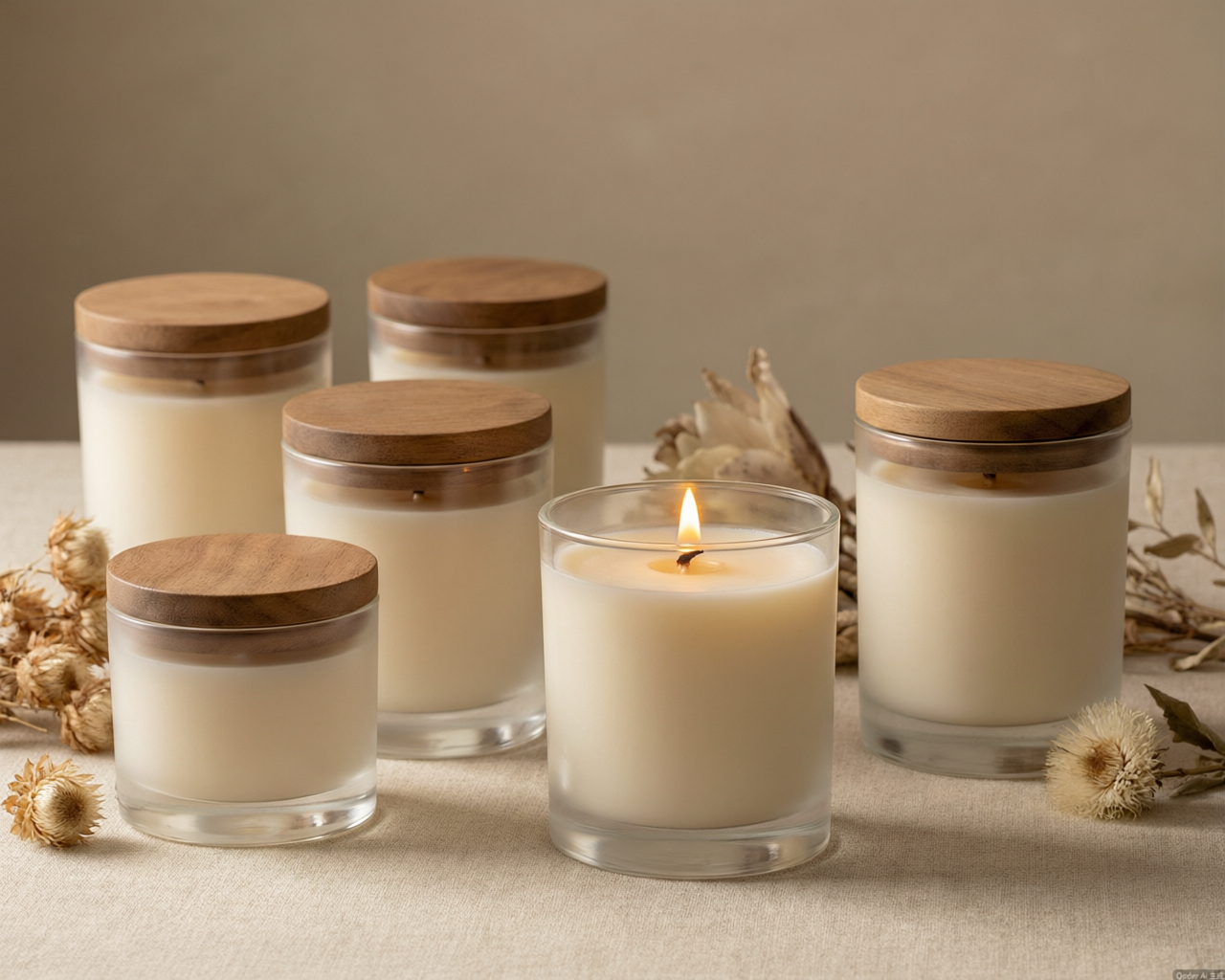
| Container candles (soy/paraffin) | 6-10% | 12% |
| Pillar candles | 3-6% | 8% |
| Wax melts | 8-12% | 15% |
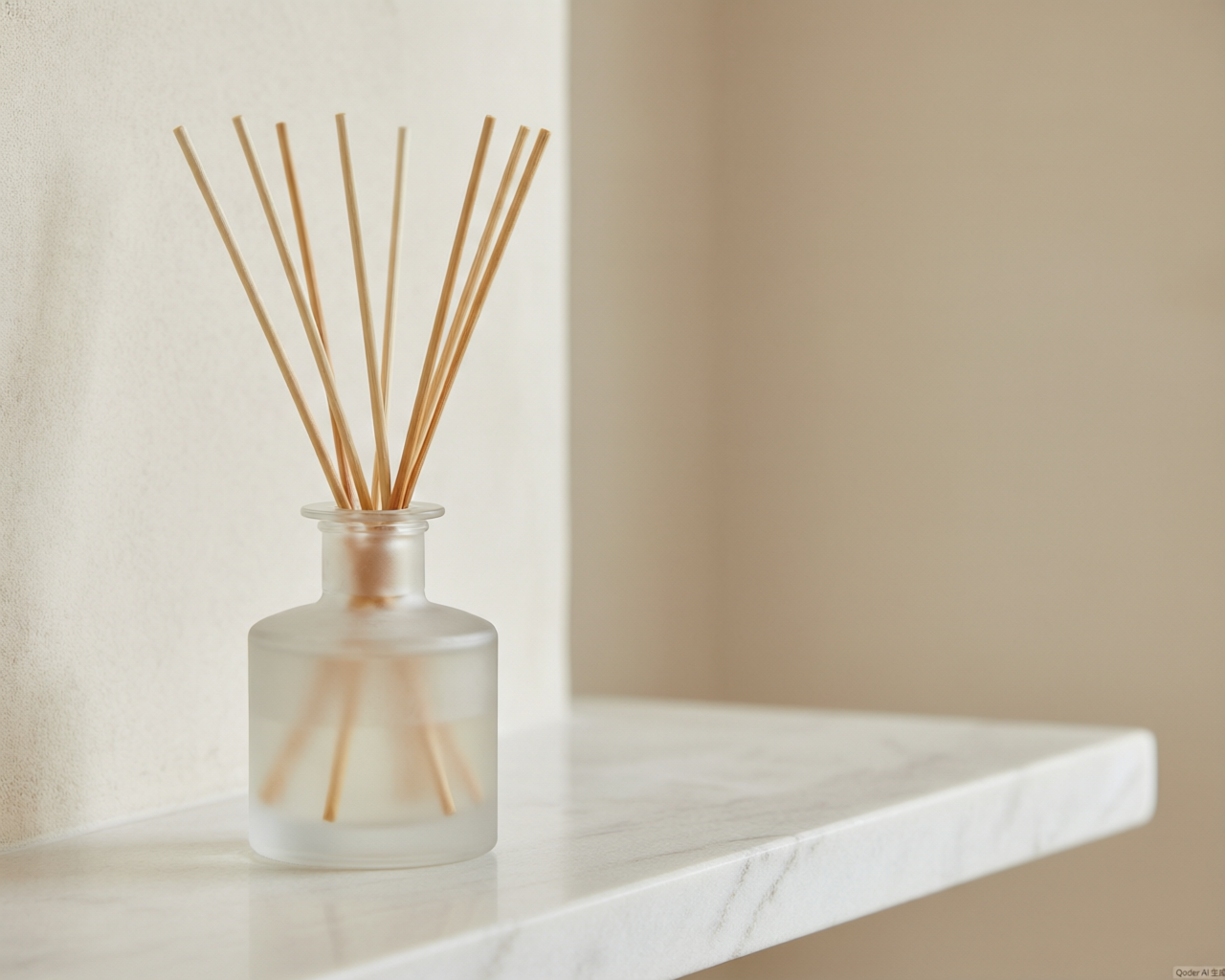
| Reed diffusers | 15-25% | 30% |
| Ultrasonic diffuser oils | 10-30% | 100% (neat) |
| Room sprays (alcohol base) | 5-15% | 20% |
| Room sprays (water base) | 1-5% | 8% |
| Body mists | 1-3% | 5% |
| Linen sprays | 2-5% | 8% |
| Car fragrances (gel) | 5-15% | 20% |
| Soap and bath products | 1-3% | 5% |
These ranges assume IFRA-compliant fragrance oils. Always cross-reference with your supplier’s IFRA certificate for the specific application category.
Why Concentration Matters for Performance
Cold throw (scent emitted at room temperature) and hot throw (scent emitted when heated or dispersed) do not scale linearly with concentration. In soy wax candles, increasing fragrance load from 6% to 10% may improve hot throw by 40-60%, but pushing from 10% to 12% often yields diminishing returns of only 5-10% additional throw while increasing the risk of frosting, wet spots, and poor burn quality.
For reed diffusers, a 20% fragrance load in a DPG (dipropylene glycol) or Augeo base typically provides 4-6 weeks of consistent scent emission from a 100 ml vessel. Increasing to 30% extends longevity to 6-8 weeks but may reduce initial throw intensity due to slower evaporation kinetics.
Cost Impact of Concentration Decisions
Fragrance oil is typically the most expensive raw material in a formulation. Consider a 200g soy candle:
- At 6% load: 12g fragrance oil per unit
- At 10% load: 20g fragrance oil per unit
- At 12% load: 24g fragrance oil per unit
If your fragrance oil costs $25 per kg, the per-unit fragrance cost ranges from $0.30 (6%) to $0.60 (12%). Across a 10,000-unit production run, that is a $3,000 difference. The question is whether the performance gain justifies the cost increase for your market positioning.
IFRA Categories and Regulatory Limits
The International Fragrance Association classifies products into 12 categories with specific concentration limits for individual raw materials:
- Category 4: Fine fragrance, body lotions (higher allowable concentrations)
- Category 9: Rinse-off products like soap (moderate limits)
- Category 12: Non-skin contact products like candles and air fresheners (fewest restrictions)
Even within Category 12, certain materials like cinnamal or eugenol have absolute limits. Your supplier should provide an IFRA compliance letter stating the maximum safe usage level for each product type. Never exceed these limits regardless of performance testing results.
Matching Concentration to Market Segment
Economy tier (retail $5-12 per unit): 4-6% load in candles, 5-10% in sprays. Acceptable performance for price-sensitive channels like dollar stores and promotional products.
Mid-market (retail $12-30 per unit): 8-10% load in candles, 10-15% in sprays. This is the sweet spot for most DTC brands and specialty retail.
Premium/luxury (retail $30+ per unit): 10-12% load in candles, 15-20% in sprays. Maximum performance, often using higher-cost fragrance oils with greater raw material complexity.
Testing Protocol for Concentration Optimization
Before locking in a production concentration, run this evaluation:
- Prepare 3 test batches at low, mid, and high concentration (e.g., 6%, 8%, 10% for candles)
- Cure for the full recommended period (48 hours for paraffin, 7-14 days for soy wax)
- Evaluate cold throw at 1 meter distance in a 20-square-meter room
- Evaluate hot throw after 1 hour of burn time or diffusion
- Check stability over 30 days for separation, discoloration, or scent degradation
- Calculate cost per unit at each concentration level
- Blind-test with 5-10 people representing your target customer
Document results in a standardized scorecard. The optimal concentration is where performance gains plateau relative to cost increases.
Common Mistakes to Avoid
- Assuming more fragrance equals better product: Above 12% in soy wax, excess oil pools on the surface and creates a fire hazard
- Ignoring base material interactions: Coconut wax holds fragrance differently than soy; always retest when changing wax suppliers
- Skipping cure time testing: Many fragrances smell different at 24 hours versus 14 days post-pour
- Using one concentration across all products: A fragrance that works at 10% in candles may need only 3% in a body mist due to skin sensitivity requirements
Working with Your Supplier on Concentration
A capable fragrance oil manufacturer will provide recommended usage levels for each application. At Aromiso, we include application-specific concentration guidance with every technical data sheet, along with compatibility notes for common base materials. When requesting samples, specify your intended product type and target concentration so the supplier can recommend the most suitable grade.
Concentration is not a set-and-forget decision. Revisit it when switching raw material suppliers, entering new product categories, or responding to customer feedback about scent strength. Keep detailed records of every test batch to build institutional knowledge that compounds over time.