Buying Guides
Candle Color and Dye: Achieving Consistent Shades in Production
Este artículo aún no está disponible en español. Lo estás viendo en inglés.
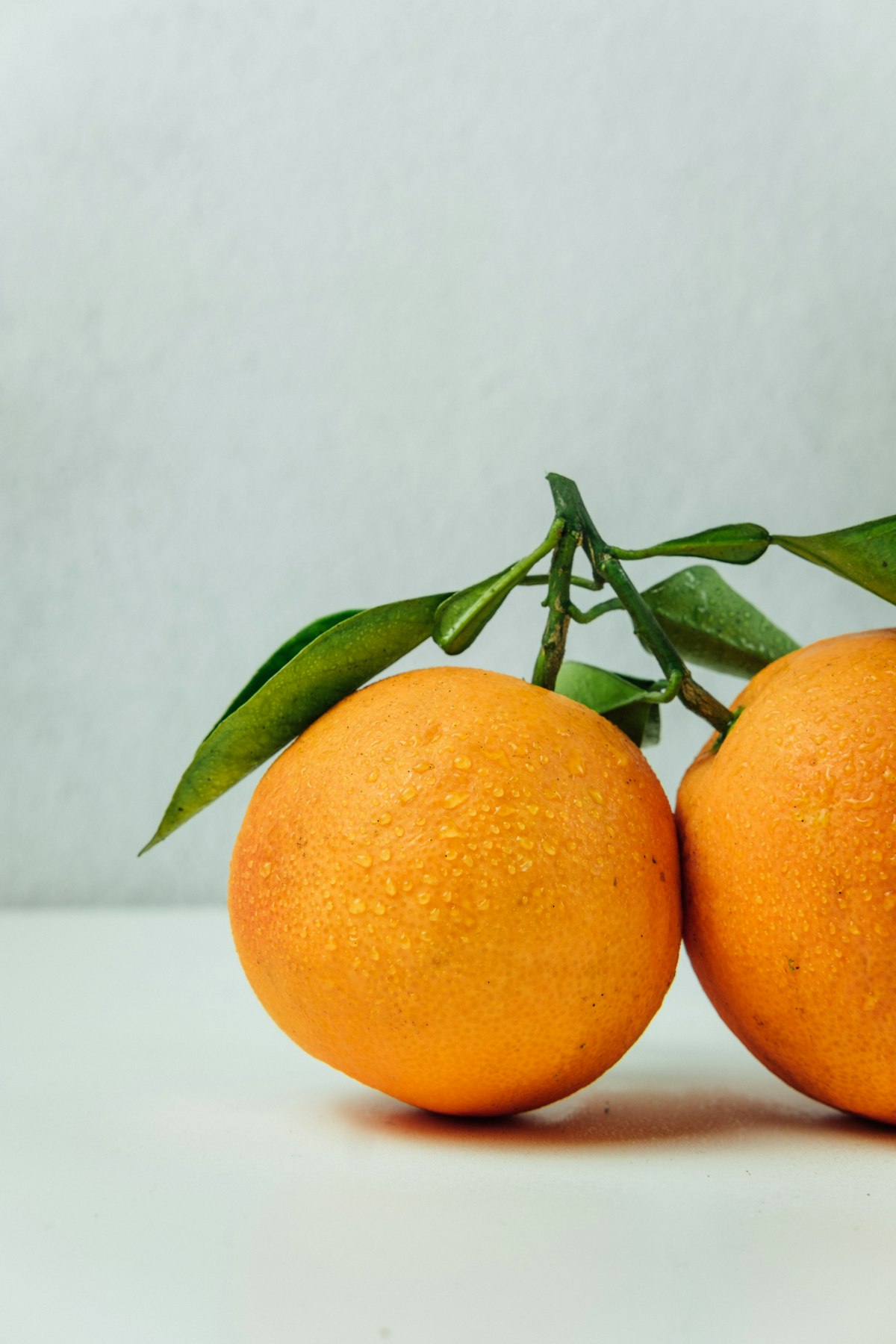
Color is one of the first attributes a consumer evaluates, yet it is among the hardest specifications to control at production scale. A shade that looks perfect in a 5-unit sample can shift noticeably across a 5,000-unit run. This guide covers the dye systems, specification methods, and quality controls that B2B buyers need to ensure color consistency.
Dye Types Used in Candle Production
There are four primary coloring systems, each with distinct performance characteristics:
Liquid dyes (solvent-based):
- Concentration: Add at 0.05-0.5% by wax weight
- Advantages: Easy to dose precisely, excellent dispersion, wide color range
- Disadvantages: Can fade with UV exposure over 6-12 months; may migrate in soft waxes
- Best for: Soy and paraffin container candles, pastels to medium shades
- Cost: $15-$35 per liter (colors 200-500 kg of wax depending on depth)
Dye chips/blocks (concentrated pigment in wax carrier):
- Concentration: Add at 0.1-1.0% by wax weight
- Advantages: Pre-measured dosing reduces operator error; stable in storage
- Disadvantages: Limited to standard color library; slower to dissolve (requires 75-85 C wax temperature)
- Best for: High-volume production with repeatable color specs
- Cost: $20-$50 per kg (colors 50-100 kg of wax)
Powder dyes (concentrated pigment):
- Concentration: Add at 0.01-0.2% by wax weight
- Advantages: Extremely concentrated (small storage footprint); vibrant saturation
- Disadvantages: Difficult to disperse evenly; risk of speckling if not pre-dissolved
- Best for: Deep, saturated colors (navy, burgundy, black)
- Cost: $40-$120 per kg (colors 500-1,000 kg of wax)
Mica and pigment powders (decorative):
- Concentration: 0.5-2.0% for surface decoration; not recommended for full-body coloring
- Advantages: Metallic, pearlescent, and glitter effects
- Disadvantages: Clogs wicks if used in bulk; settles to bottom of container
- Best for: Surface dusting, layered effects, decorative embeds
- Cost: $30-$200 per kg depending on effect
Specifying Color for Production
Vague color descriptions (“dusty rose,” “ocean blue”) create disputes. Use these specification methods:
Pantone Matching: Reference a Pantone TPX (textile) or C (coated paper) swatch. Note that wax is translucent and will not match an opaque paper swatch exactly. Specify “match to Pantone 182C at 0.15% liquid dye in white soy wax, 200ml clear glass jar.”
Physical master sample: Provide a previously approved candle as the color standard. This is the most reliable method. Ship 2-3 master samples to your factory and retain identical references for incoming inspection.
Spectrophotometer values: For large programs, specify Lab* color space values measured with a D65 illuminant. Acceptable tolerance: Delta E less than 2.0 for premium lines; Delta E less than 3.5 for standard production.
Written specification template:
- Target color reference (Pantone code or master sample ID)
- Dye type and supplier/product code
- Dose percentage by wax weight
- Wax type and color (white, natural, cream base)
- Vessel material (clear glass shows true color; frosted or colored glass alters perception)
- Acceptable Delta E tolerance
- Lighting condition for visual assessment (D65 daylight, 45/0 geometry)
Factors That Cause Color Variation
Understanding these variables helps you write tighter specs and evaluate factory QC:
Wax base color: Unrefined soy wax has a natural cream/yellow tint that shifts pastel colors. Specify “bleached/deodorized soy wax” for true whites and pastels. Natural coconut wax is whiter but more translucent.
Fragrance interaction: Some fragrance oils (particularly vanilla, cinnamon, and citrus) cause yellowing or browning over time. Vanilla-containing fragrances with vanillin content above 2% will discolor white wax to cream or tan within 2-4 weeks. Request vanillin-free or stabilized versions for light-colored candles.
Pour temperature: Higher pour temperatures (above 80 C for soy) can degrade heat-sensitive dyes, producing lighter or shifted shades. Specify pour temperature range in your production brief (typically 60-70 C for soy with liquid dye).
Cure time: Color deepens slightly as wax crystallizes over 48-72 hours. Evaluate color at 7 days post-pour, not immediately after production.
UV exposure: Candles displayed in sunlit retail windows fade over 4-8 weeks. For retail products, specify UV-stabilized dyes or add a UV inhibitor at 0.1-0.3% (costs approximately $0.02-$0.05 per unit).
Batch Consistency Controls
Require these controls from your manufacturer:
-
Dye lot tracking: Record dye batch/lot number for each production run. Different dye lots can vary by Delta E 1.0-2.0 even from the same supplier.
-
Standardized dosing: Use calibrated pipettes or peristaltic pumps for liquid dye (accuracy plus or minus 0.01ml). Avoid “drops” or visual estimation.
-
Stir protocol: Mechanical stirring at 400-600 RPM for 3 minutes minimum after dye addition. Hand-stirring produces uneven color, especially in 20+ kg melt pots.
-
First-article approval: Pull 5 units from the start of each batch, allow 24-hour set, and compare to master sample under D65 lighting before continuing production.
-
Mid-run and end-run checks: Sample every 500 units (or every 2 hours) for visual color comparison. Document with calibrated photography (include a color reference card in frame).
Common Defects and Their Causes
| Defect | Likely Cause | Prevention |
|---|---|---|
| Speckling | Undissolved powder dye | Pre-dissolve in carrier oil; use liquid dye |
| Mottling/uneven color | Insufficient stirring; wax too cool at dye addition | Stir 3+ min at 65 C+ |
| Fading over time | UV degradation; vanillin browning | UV stabilizer; vanillin-free fragrance |
| Color migration | Dye incompatible with wax; overload | Test dye-wax compatibility; stay within dose range |
| Batch-to-batch shift | Different dye lot; wax base variation | Lot tracking; incoming wax color check |
Sustainability Considerations
For brands with eco-positioning:
- Request REACH-compliant and phthalate-free dyes
- Plant-based liquid dyes are available but offer a narrower color range (earth tones, muted pastels)
- Avoid azo dyes (some degrade into restricted aromatic amines under EU REACH)
- Specify “candle-safe” dyes — not all textile or food dyes are appropriate for combustion products
Final Recommendation
For consistent results at scale, provide your factory with a physical master sample, a written spec sheet including dye product code and dose percentage, and a clear Delta E tolerance. Approve a pre-production sample of 10 units before authorizing the full run. Color is the attribute customers photograph and share — getting it right in production protects your brand’s visual identity across every sales channel.