Product Comparisons
Amber vs Clear Glass for Fragrance: UV & Aesthetics
Este artículo aún no está disponible en español. Lo estás viendo en inglés.

Choosing the right container is one of the most consequential packaging decisions a fragrance brand makes. The vessel protects the formula, shapes the unboxing experience, and influences unit cost. For B2B buyers sourcing candles, reed diffusers, and essential oils, the amber-versus-clear debate is rarely about personal taste. It is about chemistry, shelf life, and how the product performs on a retail shelf.
The UV Problem: Why Light Degrades Fragrance
Fragrance compounds are photosensitive. Ultraviolet radiation breaks molecular bonds in aromatic compounds, a process called photodegradation. Citrus top notes built on limonene and linalool are especially vulnerable. Studies on essential oil stability show that exposure to UV light can reduce terpene concentration by 15 to 30 percent within a few weeks in poorly protected containers. Oxidation follows, producing off-notes and, in some cases, skin-sensitizing byproducts that complicate regulatory compliance.
This is where glass color matters. Clear glass transmits roughly 90 percent of UV-A and a significant share of UV-B in the 300 to 400 nanometer range. Amber glass, by contrast, blocks approximately 98 to 99 percent of light between 200 and 450 nanometers. That single property is the reason pharmaceutical and essential oil industries standardized on amber decades ago.
Protection Performance by Product Type
Not every product needs the same level of protection. The decision should map to the formula and the expected shelf life.
- Essential oils and fragrance concentrates: High terpene and ester content makes these the most light-sensitive. Amber is the default recommendation for any concentrate intended to last 12 to 24 months.
- Reed diffuser oils: These sit in the vessel for the life of the product, often six months or more on a shelf. Amber or cobalt extends usable life noticeably.
- Candles: The wax itself is somewhat shielded, and many candles are sold in opaque or tinted vessels. Clear glass is acceptable here because the fragrance load is lower and the product is typically used within months.
- Room sprays in PET or glass: Sprays in clear containers should carry UV-stabilized formulas or be packaged in amber if the brand promises a long shelf life.
Aesthetics and Brand Positioning
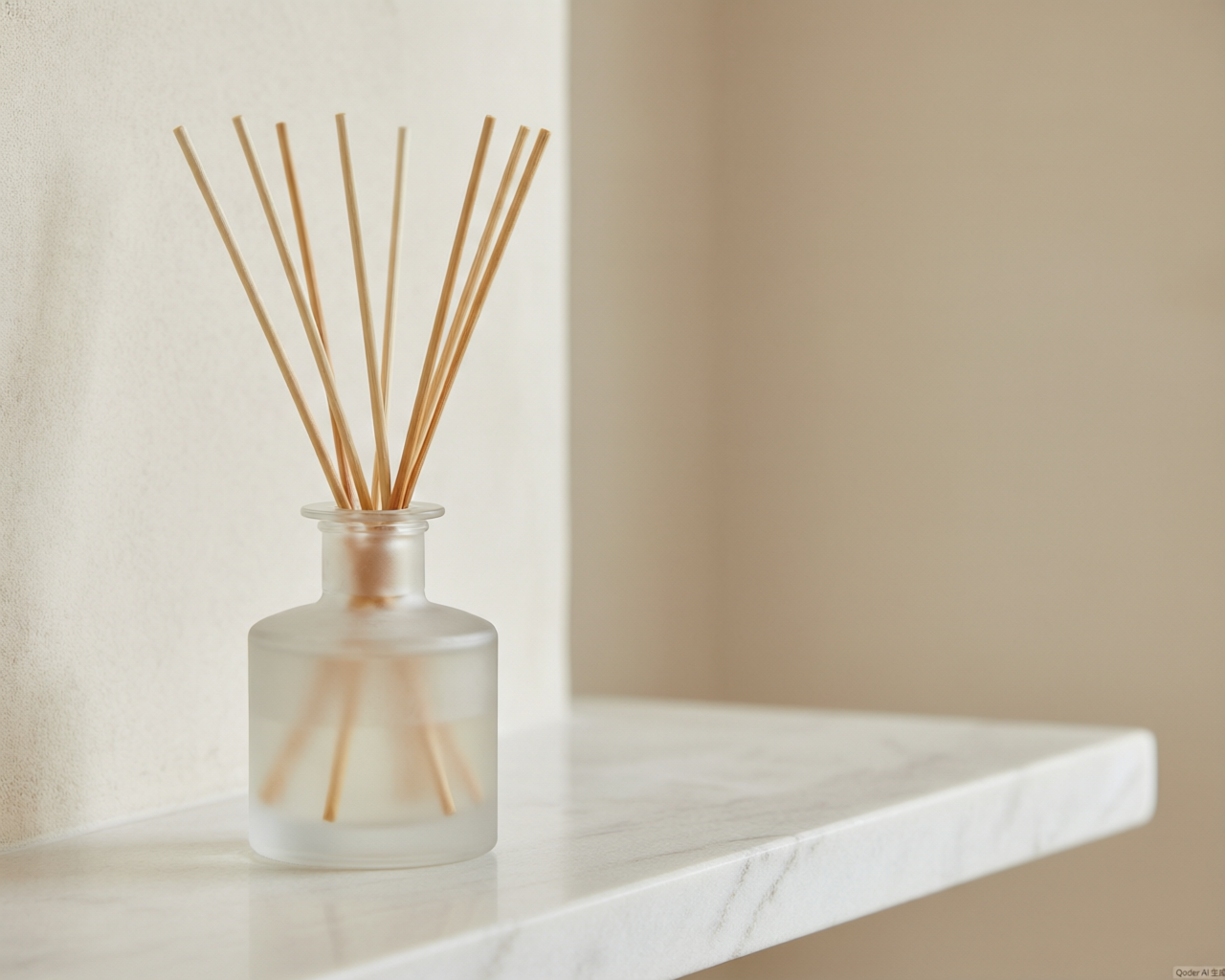
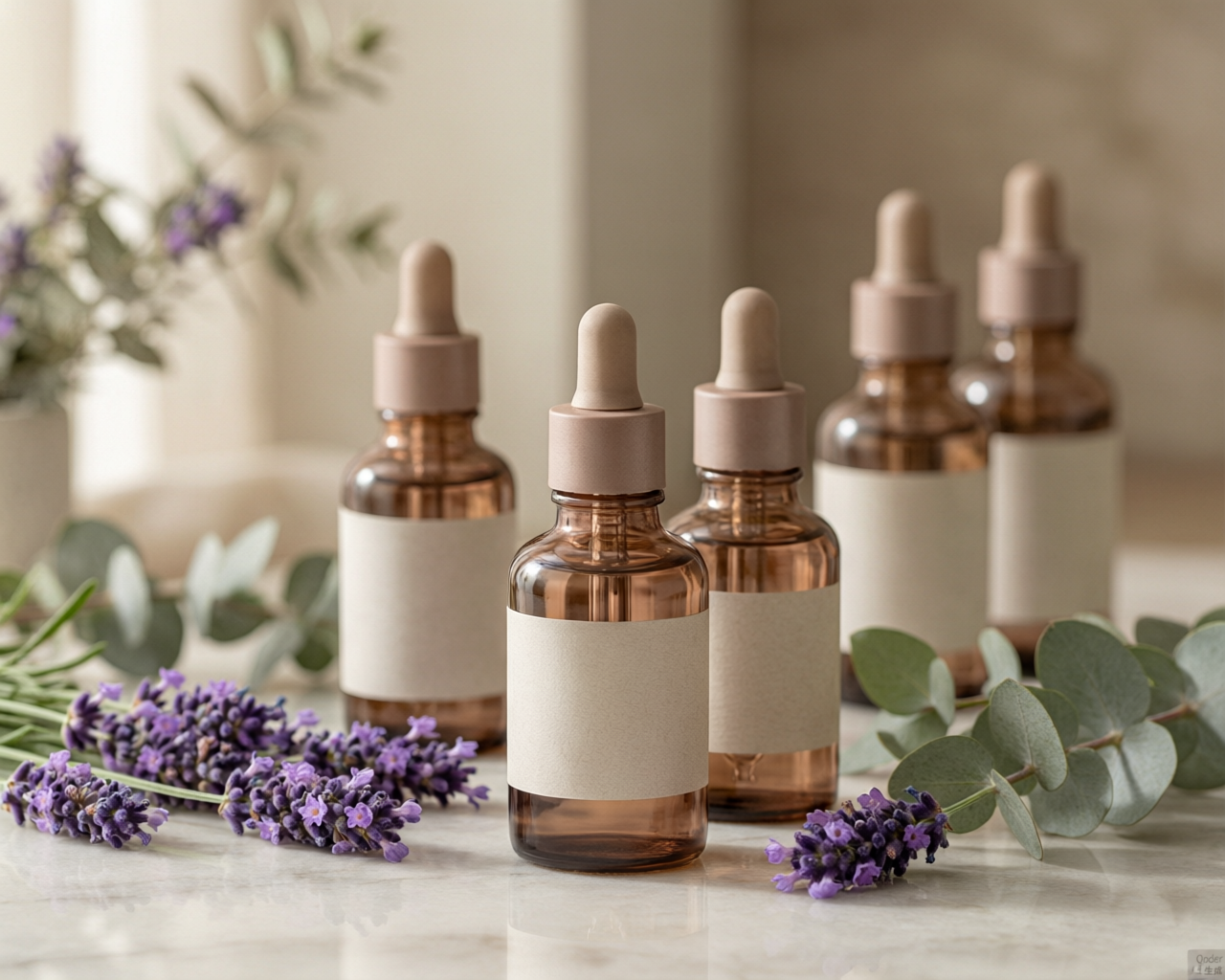
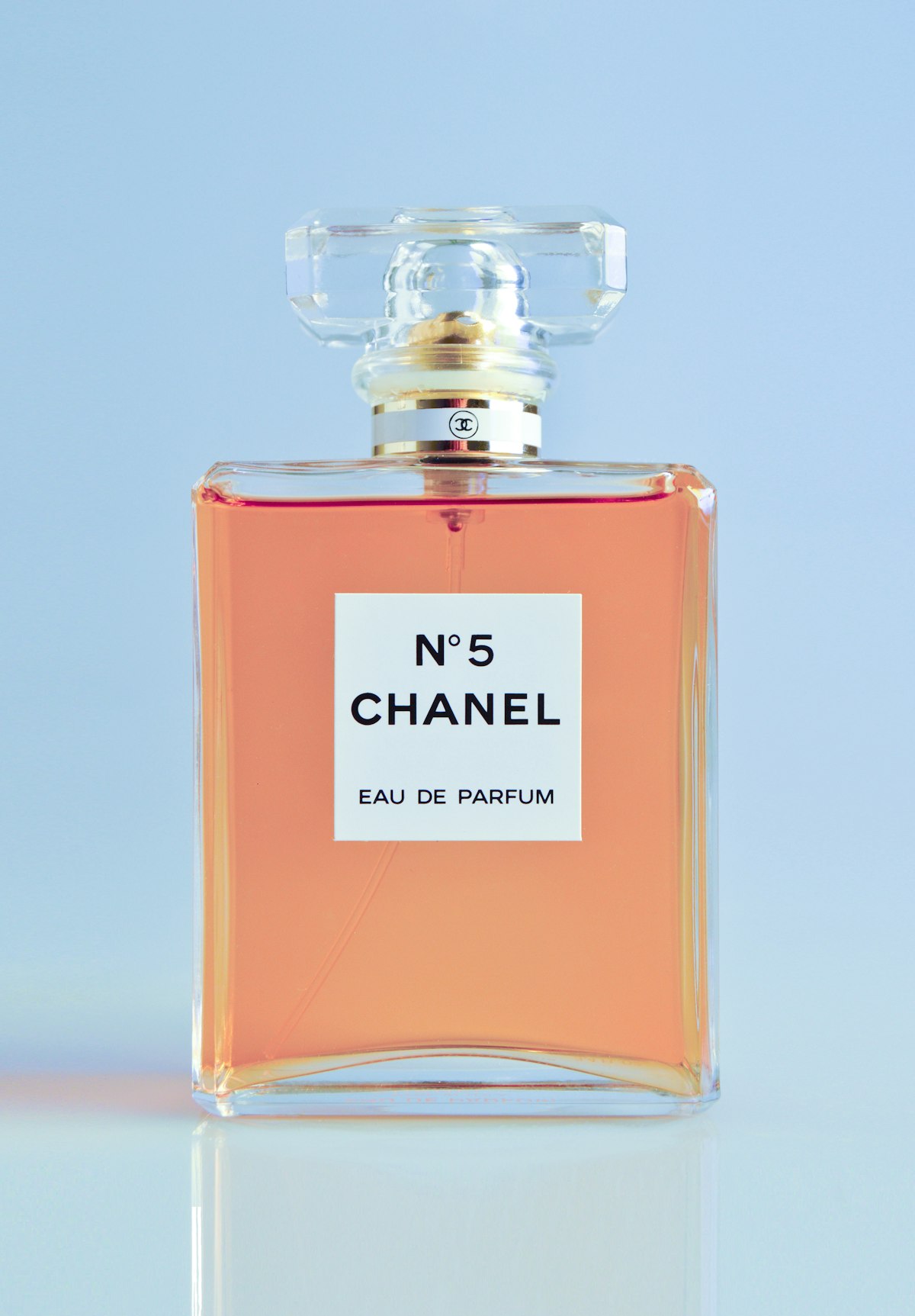
Protection is only half the equation. Clear glass communicates purity, transparency, and premium minimalism. It lets the customer see the liquid, which works well for pale, clean-looking formulas and for brands built around a clinical or spa aesthetic. Amber glass carries an apothecary, heritage, and natural-wellness connotation. It has become almost a visual shorthand for “clean beauty” and artisanal essential oils.
For a B2B buyer, the question is which signal your target retail channel rewards. Premium department stores often favor clear, heavy-base glass with crisp printing. Wellness and natural-product channels respond strongly to amber. Neither is objectively superior; they simply attract different customers and justify different price points.
Cost Comparison
Cost differences are modest but real at volume. As a general sourcing benchmark:
| Factor | Amber Glass | Clear Glass |
|---|---|---|
| Base container cost | Typically 5 to 12 percent higher | Baseline |
| Minimum order flexibility | High; widely stocked | High; widely stocked |
| Printing and labeling | Slightly harder to show true color | Excellent print clarity |
| Secondary UV coatings | Rarely needed | May add 8 to 15 percent cost |
| Breakage and returns | Comparable | Comparable |
The amber premium is usually offset by reduced spoilage, fewer customer complaints about scent changes, and longer sellable shelf life. For a brand shipping internationally with long transit and warehousing times, that reduction in degradation risk often pays for the container difference many times over.
Weight, Sustainability, and Logistics
Both options are glass, so recyclability is equivalent and strong. Glass is infinitely recyclable without quality loss, a point that resonates with sustainability-minded retailers. The environmental difference between amber and clear is negligible compared with the difference between glass and plastic.
Weight is identical for the same mold. Shipping cost is therefore driven by wall thickness and bottle geometry rather than color. If sustainability is a priority, the higher-leverage move is choosing a lighter-weight mold or a recycled-content glass, not switching colors.
Making the Decision: A Practical Framework
When advising buyers, we suggest scoring each option against four criteria:
- Formula sensitivity. High terpene, citrus, or natural content pushes toward amber.
- Shelf-life commitment. Anything beyond 12 months favors amber or a UV-coated clear bottle.
- Channel expectations. Match the visual language of your retail partners.
- Total landed cost. Include spoilage and returns, not just container price.
A hybrid strategy is common and sensible. Many brands use amber for concentrates, oils, and diffusers, and clear for candles and gift sets where visual appeal drives the sale.
How Aromiso Supports the Decision
As a manufacturer of candles, reed diffusers, and essential oil products, Aromiso supplies both amber and clear glass across standard and custom molds. We can provide UV transmission data for specific containers, run stability guidance for your formula, and recommend the most cost-effective packaging for your target shelf life. Whether you need a private label essential oil line in amber or a premium clear-glass candle collection, our team can match the vessel to both your chemistry and your brand.
The right glass does more than hold a product. It protects your formula, defends your margin, and tells your customer exactly who you are before they ever read the label.