Trends & Insights
Spring Fragrance Product Launch: Floral Notes and Fresh Starts
Dieser Artikel ist noch nicht auf Deutsch verfügbar. Sie lesen die englische Version.

Spring represents renewal in both consumer psychology and fragrance purchasing behavior. After months of heavy gourmands and warm spices, buyers actively seek lighter, brighter scents that signal the seasonal shift. For B2B fragrance buyers, a well-executed spring collection re-engages customers who went dormant during the post-holiday slump and sets the tone for the year’s product narrative.
The Spring Purchasing Window
Consumer spending data reveals a distinct “fresh start” purchasing pattern in Q1. The NPD Group reports that home fragrance sales rebound 18-22% in March and April following the January-February post-holiday dip. This rebound is driven by seasonal cleaning rituals, home refresh behaviors, and the psychological desire for change that accompanies longer days and warmer weather.
Search trend analysis shows “spring cleaning” queries peaking in March, with “fresh scents,” “floral candles,” and “new home fragrance” following closely behind. Brands that position spring collections as part of the renewal ritual, rather than simply lighter versions of existing products, capture this intent more effectively.
The global floral fragrance segment is projected to maintain a 6.8% CAGR through 2028 (Market Research Future), supported by consistent demand across both personal fragrance and home scenting categories.
Floral Note Selection for Spring Collections
Not all florals suit spring positioning. The key distinction is between “heavy” florals (tuberose, gardenia, mature rose) that suit autumn and evening contexts, and “fresh” florals that evoke springtime:
Peony. The quintessential spring floral. Light, slightly sweet, and unmistakably seasonal. Peony notes saw a 35% increase in new product launches between 2022 and 2024 (Mintel GNPD).
Lily of the valley. Green, dewy, and delicate. This note communicates freshness without sweetness and pairs well with green and citrus accents.
Freesia. Airy and slightly peppery, freesia adds sophistication to spring blends without the density of jasmine or ylang-ylang.
Cherry blossom. Particularly strong in Asian markets and increasingly popular in Western collections. Cherry blossom carries cultural associations with transience and beauty that support limited-edition positioning.
Magnolia. Creamy yet fresh, magnolia bridges the gap between pure floral and soft gourmand. It performs well in candle format where the warmth of the wax amplifies its creamy character.
Supporting notes. Spring florals benefit from green accents (cut stems, leaves), light citrus (bergamot, mandarin), and clean musks that prevent compositions from feeling overly sweet.
The “Fresh Start” Marketing Position
Spring fragrance launches benefit from narrative positioning around renewal, intention, and new beginnings. This extends beyond scent selection to encompass:
Product naming. Names like “First Bloom,” “Morning Garden,” or “New Day” reinforce the seasonal narrative more effectively than generic floral descriptors.
Packaging refresh. Spring collections warrant lighter packaging: pastel palettes, botanical illustrations, and transparent elements that suggest openness and air. Even a seasonal label update on existing vessels signals newness to retail buyers.
Ritual positioning. Market spring products as part of a “reset” routine: a candle for the first spring evening with windows open, a diffuser for a freshly cleaned space, a room spray for refreshed linens.
Consumer research from Kantar shows that 54% of home fragrance buyers make at least one “new for the season” purchase in spring, compared to 38% who buy purely for replenishment. The novelty factor drives spring purchasing more than any other season except the holidays.
Product Format Strategy
Spring collections should emphasize formats that align with the season’s energy:
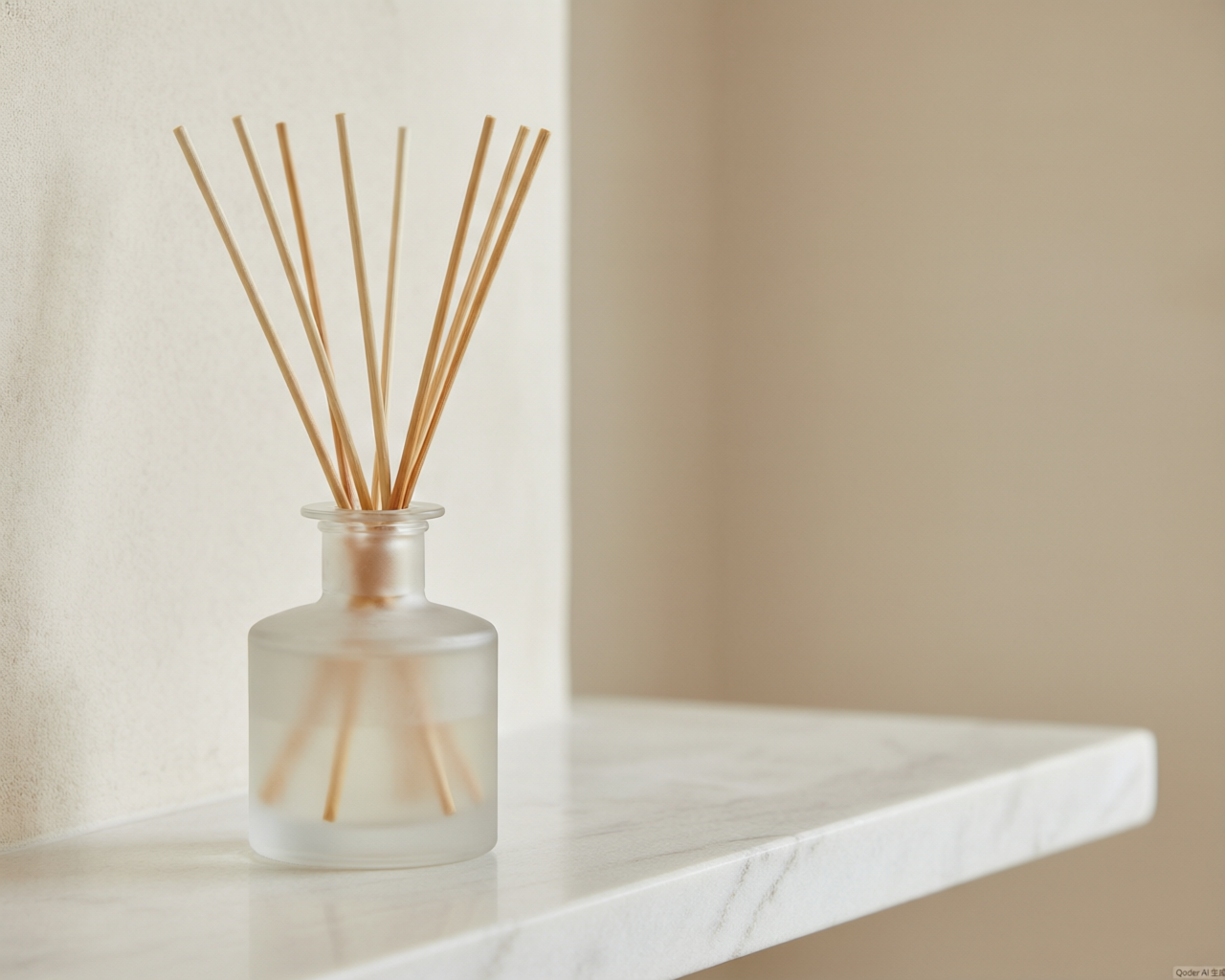
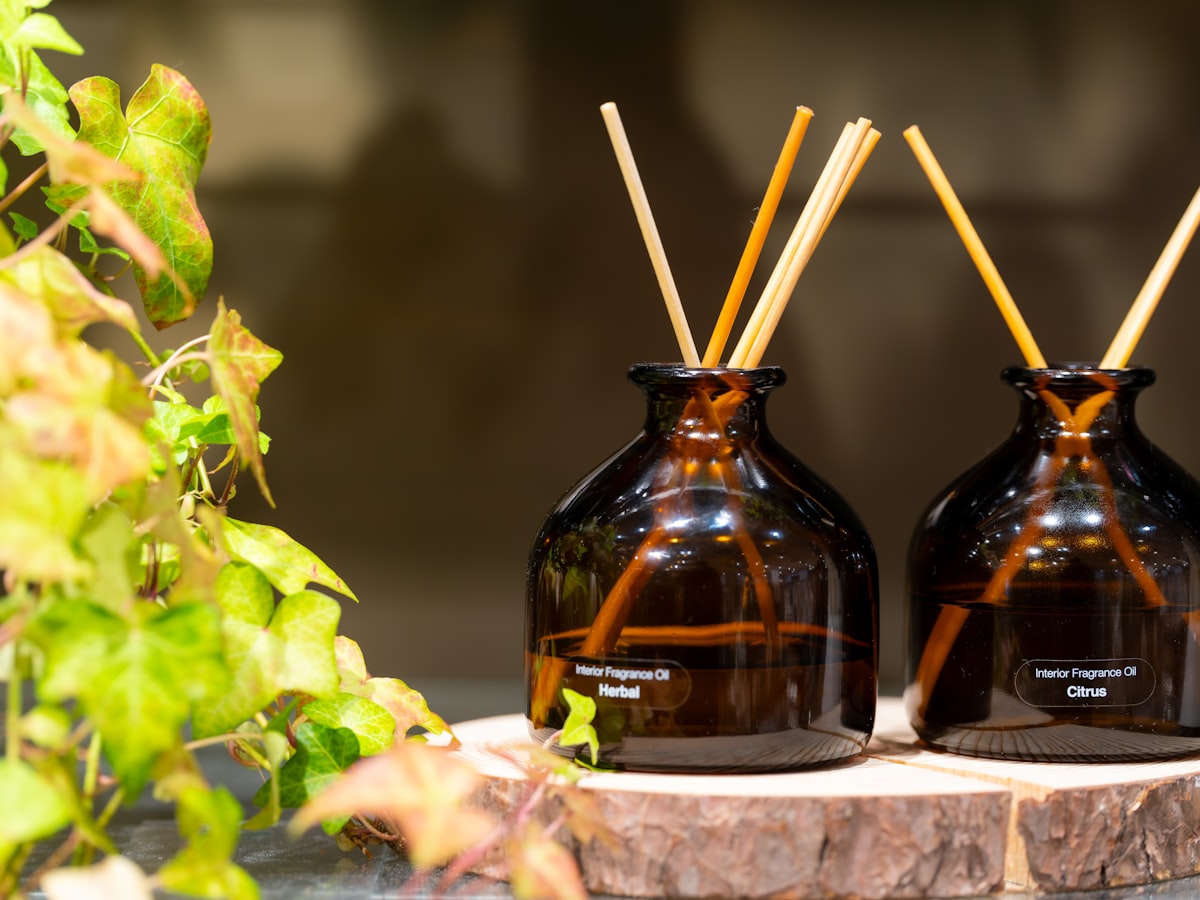
Reed diffusers. Ideal for spring because they provide continuous, subtle scent without the heaviness associated with burning candles. Position diffusers as “always-fresh” ambient scenting for the spring home.
Room sprays and linen mists. The instant-gratification format suits spring cleaning narratives. “Finish your spring clean with a fresh scent reset” is a compelling retail message.
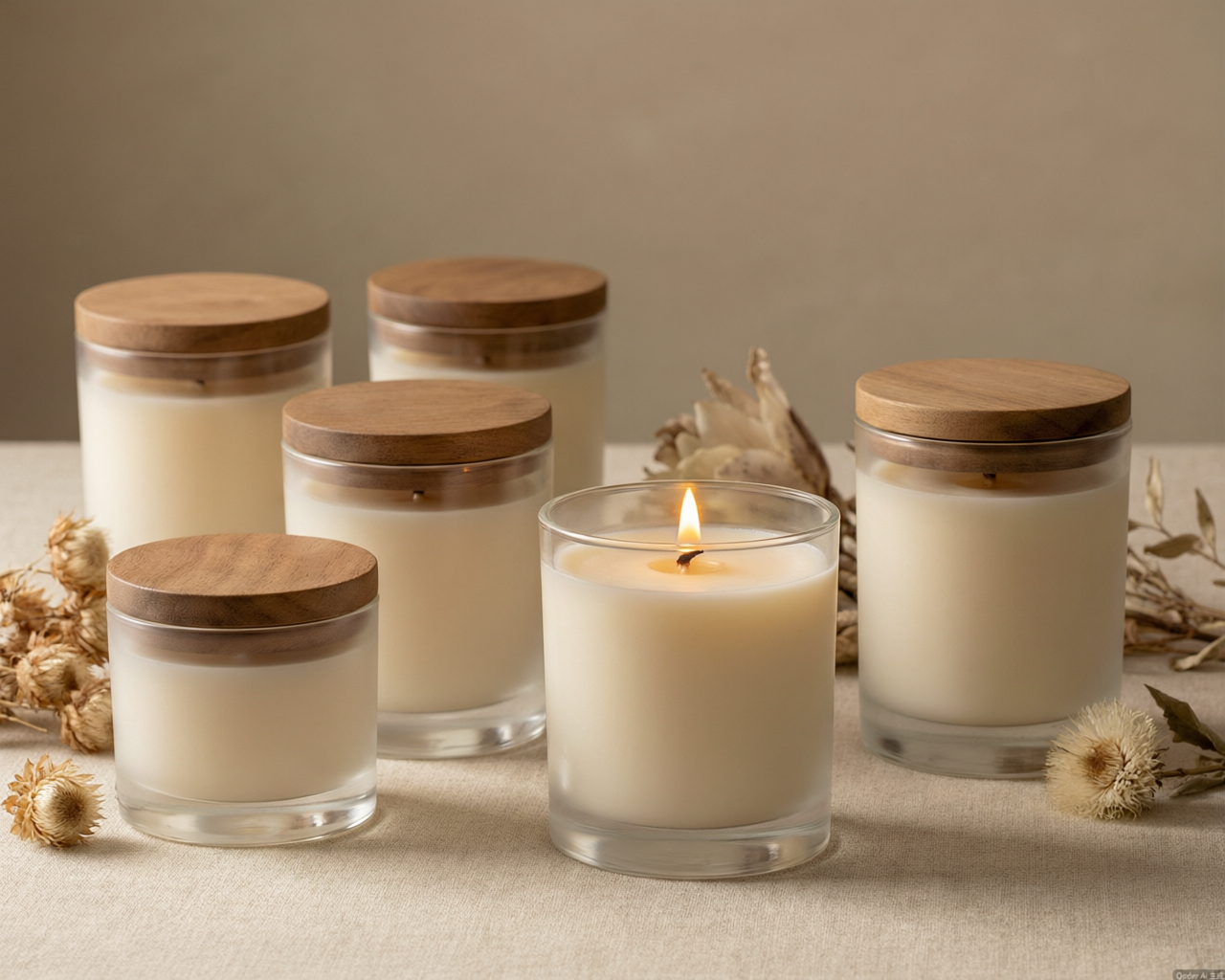
Lightweight candles. For candle SKUs, consider smaller formats (4-6 oz travel tins, votives) that feel less committing than large 3-wick candles. Consumers want to try spring scents without dedicating an entire season to one fragrance.
Multi-scent discovery sets. Spring is an ideal season for sampler collections. A “Spring Garden” set with four floral profiles allows customers to find preferences and drives future full-size purchases.
Production Timeline for Spring Launch
For a February/March retail launch:
October (previous year): Begin spring fragrance development. This timing allows sampling during a period when factories have capacity post-Q4 rush. Request 4-6 floral profiles for evaluation.
November: Approve fragrances. Begin packaging design. Confirm spring collection architecture (number of SKUs, formats, price points).
December-January: Production period. Factories in China typically have reduced capacity during Chinese New Year (late January/February), so production must either complete before the holiday or be scheduled immediately after.
January: Quality inspection and shipping. For March shelf dates, ocean freight must depart by early January (35 days transit plus customs). Alternatively, air freight in late January provides a February arrival for smaller orders.
February: Warehouse receipt and distribution. Products should reach retail floors or e-commerce fulfillment centers by February 15 to capture early spring intent.
Chinese New Year Planning Consideration
Chinese New Year (CNY) typically falls between late January and mid-February. Factories close for 2-4 weeks, and capacity is constrained for a month before and after. Spring collection orders must account for this:
- Place orders by November to secure pre-CNY production slots
- Build in 2-3 weeks buffer for post-CNY restart delays
- Confirm raw material availability before the holiday
Market Data and Growth Context
The broader context supports spring collection investment. The global home fragrance market is expanding at 7.4% CAGR toward $18.9 billion by 2030 (Allied Market Research). Seasonal collections drive customer acquisition: Shopify platform data shows “limited edition” and “seasonal” fragrance products convert 23% higher than evergreen SKUs.
Spring also serves as a testing ground for fragrances that may become year-round staples. Brands that identify a spring best-seller can extend it into summer with adjusted marketing, maximizing the return on fragrance development investment. Document performance meticulously: sell-through rates by scent, format preferences, and customer feedback compound annually, making each spring launch more precise and profitable than the last.