Industry Applications
Fragrance for Spa and Wellness: Product Specifications for B2B
Dieser Artikel ist noch nicht auf Deutsch verfügbar. Sie lesen die englische Version.
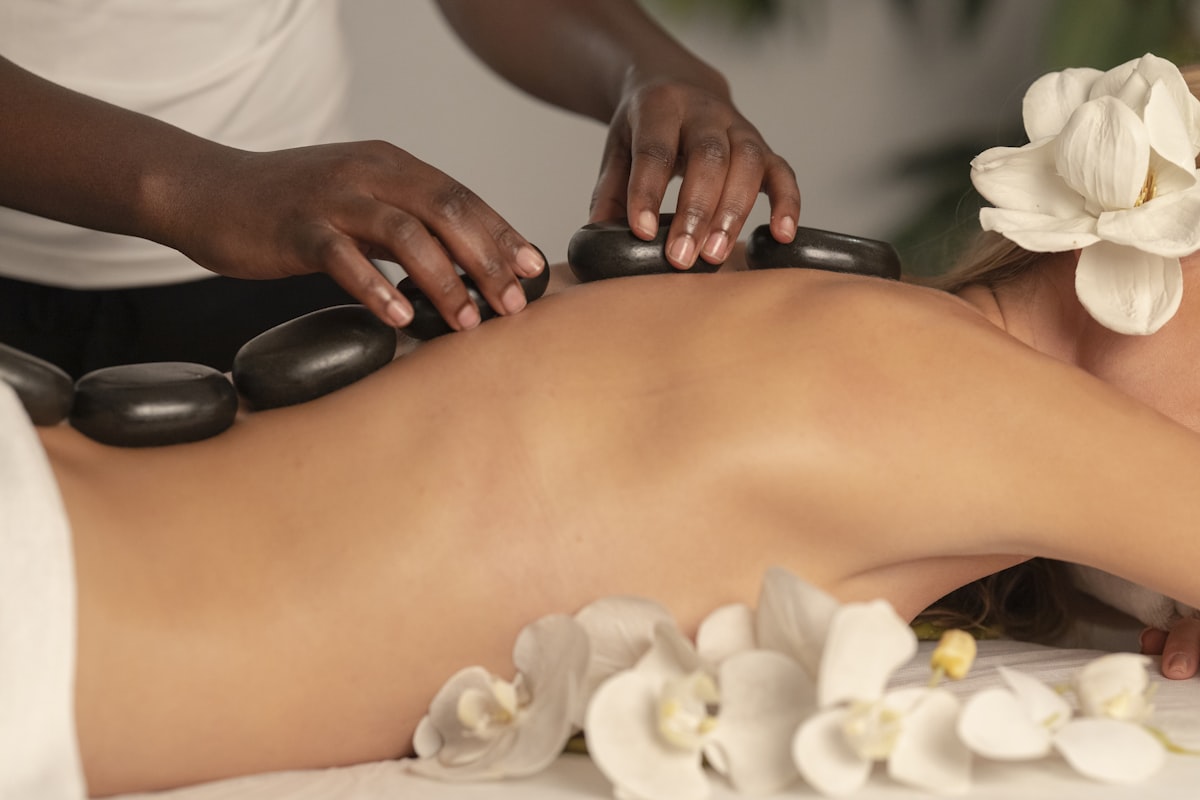
The global spa economy is worth over $135 billion, and fragrance is one of its highest-margin consumable categories. A signature treatment oil can carry 70%+ gross margin at retail; a lobby diffuser program costs a few hundred dollars a month and lifts guest satisfaction scores by measurable points. But spa buyers are not casual purchasers. They operate within treatment protocols, insurance requirements, and brand standards that demand precise product specifications. Suppliers who speak that language win multi-year contracts. Here is the B2B specification landscape.
Treatment room diffusers
The treatment room is the most scent-sensitive environment in any spa. Diffusers here must be quiet, controllable, and safe around clients with respiratory sensitivities.
Hardware specifications buyers request:
- Ultrasonic diffusers (150–300 ml capacity, $25–$60 unit cost): standard for single treatment rooms. Run time 4–8 hours, auto-shutoff on empty, noise below 30 dB. Coverage 20–40 m².
- Cold-air nebulizers ($120–$350 unit): used in larger suites and hydrotherapy areas. No heat, no water, particle size 1–5 microns. Coverage 60–120 m². Programmable intensity (typically 5–10 levels) and timer.
- HVAC-integrated systems ($800–$2,500 installed): for spa lobbies, relaxation lounges, and corridor scenting. One unit covers 200–400 m².
Consumable specifications:
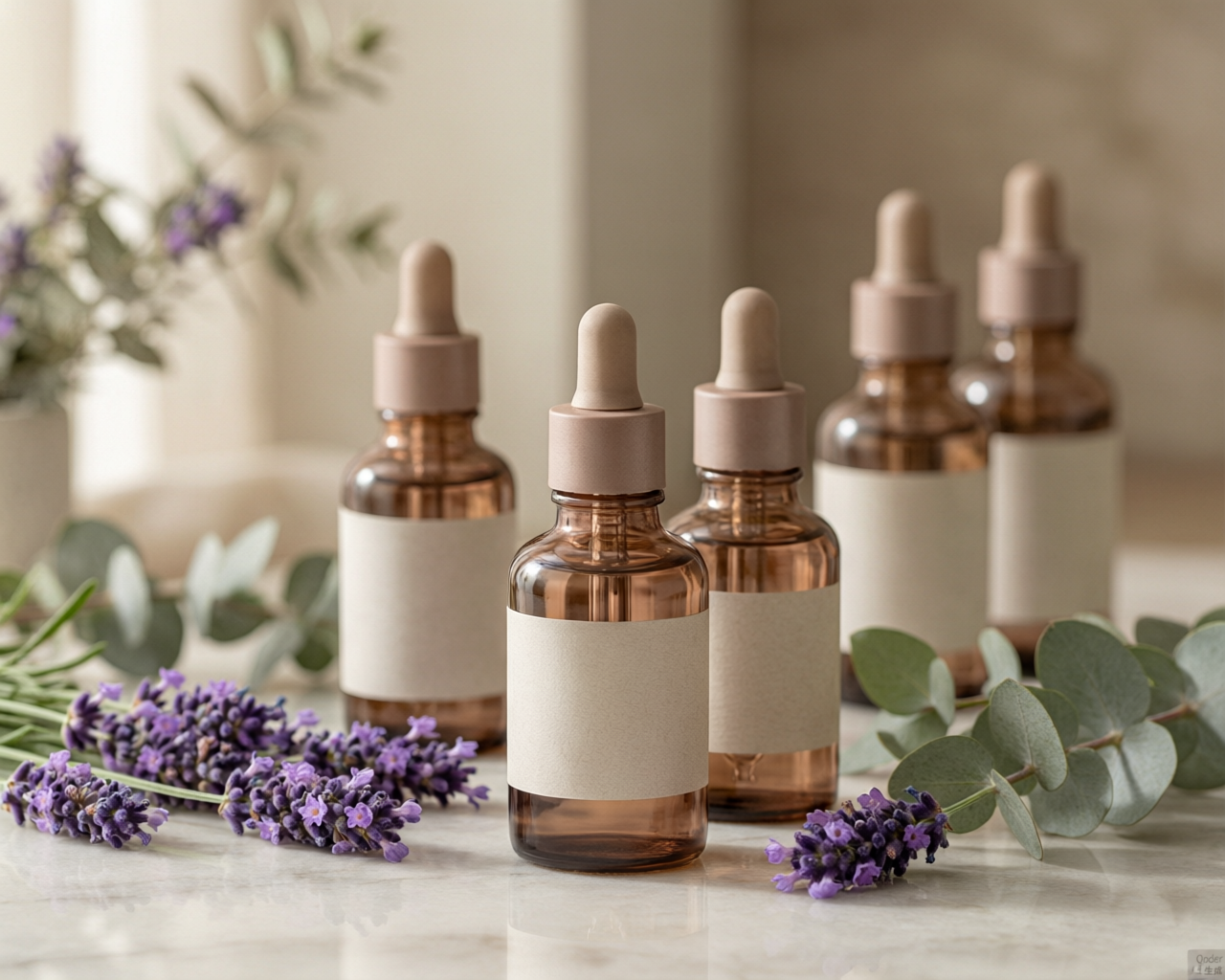
- 100% essential oil blends or IFRA-compliant fragrance oils, in 10 ml, 30 ml, or 100 ml amber glass bottles.
- No synthetic musks, no phthalates, no CMR-classified ingredients above threshold.
- Documented allergen declarations (EU 26 allergens, US MoCRA listings).
- Shelf life of 24 months minimum from production, with batch coding.
A 10-room spa typically consumes 1.5–3 liters of diffuser oil per month. At $80–$220 per liter for premium essential oil blends, the annual fragrance consumable spend per location is $1,500–$8,000 — a recurring revenue line for the supplier.
Massage oil blends
Massage oil is the highest-volume fragrance product in any spa. Specifications are tighter than consumer body oil because therapists work with the product for 6–8 hours a day, five days a week.
Base oil specifications:
- Carrier blend typically 70–90% of formula. Common bases: sweet almond, jojoba, fractionated coconut (MCT), grapeseed, sunflower.
- Cold-pressed or expeller-pressed, hexane-free, with peroxide value below 5 meq/kg at shipment.
- Shelf life 12–18 months; vitamin E (tocopherol) at 0.1–0.5% added as antioxidant.
- Viscosity matched to technique: lighter (MCT-heavy) for Swedish, heavier (almond-jojoba) for deep tissue.
Fragrance load:
- Essential oil concentration: 1–3% for full-body massage (face and sensitive areas pull toward 1%, localized work toward 3%).
- IFRA Category 5A (body lotion/oil) limits apply. Common restricted materials: bergamot (furocoumarin limits, 0.4% in leave-on), ylang ylang, oakmoss.
- Functional claims (calming, energizing, muscle relief) must be substantiated or framed as aromatic, not therapeutic, in regulated markets.
Packaging:
- 1-liter pump bottles for treatment room use (HDPE or PET, $1.20–$2.40 filled cost).
- 100 ml retail bottles for resale (amber glass with dropper or pump, $3.50–$7.00 filled cost).
- 5-liter bag-in-box for high-volume locations ($0.80–$1.40 per liter filled).
A single-location spa orders 5–15 liters of massage oil per month. A 20-location chain orders 200–600 liters per month and will demand custom formulation, exclusive scent ownership, and 90-day payment terms.
Retail product lines
The retail shelf is where spa fragrance becomes brand equity. Guests who cannot return for a monthly treatment can buy the candle, the room spray, the body oil. Retail typically generates 15–25% of total spa revenue, and fragrance SKUs are the top three retail sellers at most locations.
Standard retail assortment for a single-brand spa line:
- Signature candle (8 oz, 40–50 hour burn) — $32–$48 retail.
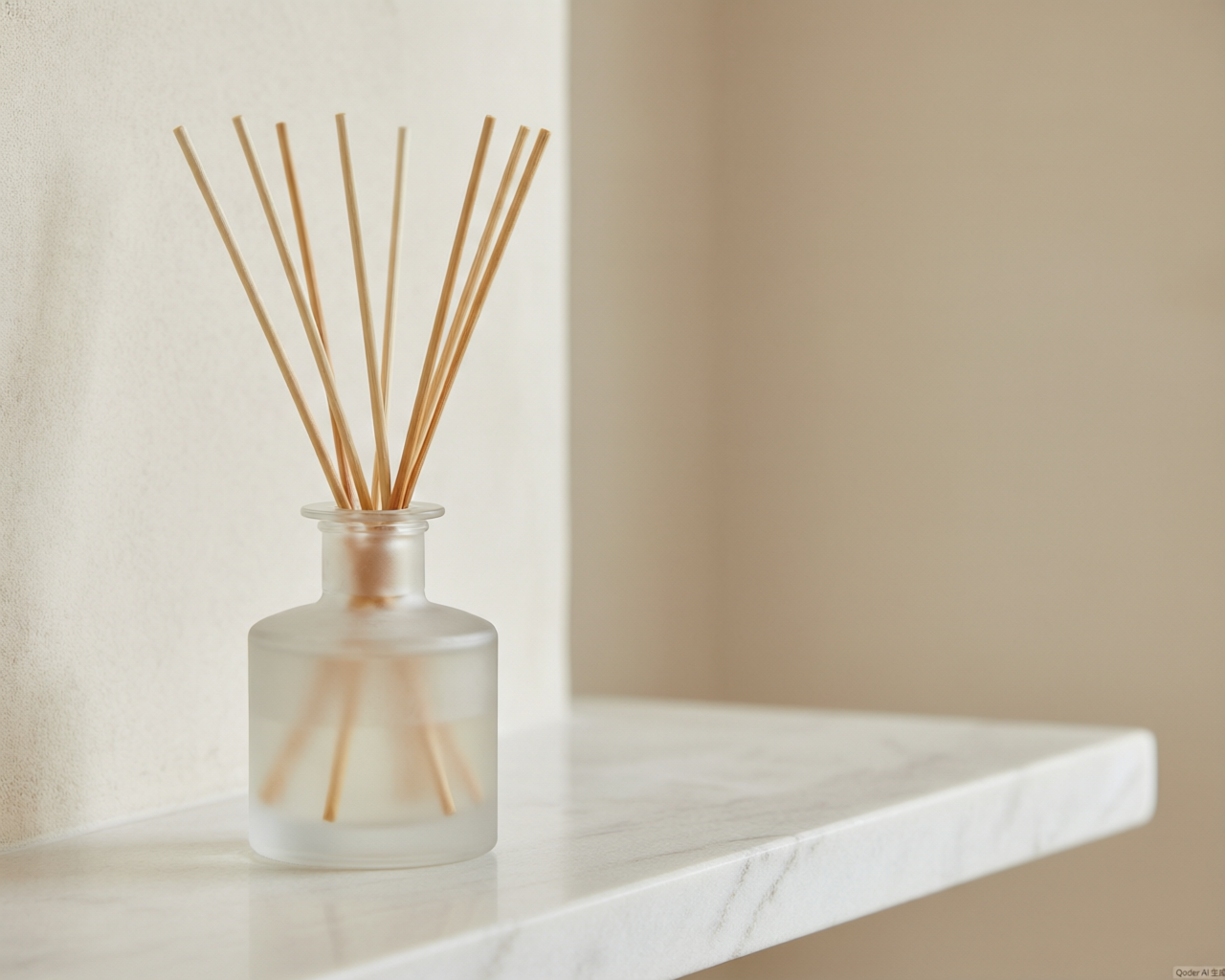
- Reed diffuser (100–150 ml, 60–90 day life) — $38–$58 retail.
- Room and linen spray (100 ml) — $24–$36 retail.
- Massage and body oil (100 ml) — $28–$44 retail.
- Bath soak or salts (300 g) — $22–$34 retail.
Supplier specifications buyers expect:
- Custom fragrance matching the in-treatment scent exactly. Color, viscosity, and scent must be batch-consistent within a defined tolerance (typically GC/MS match within 95% similarity).
- Private-label packaging with the spa’s brand, including custom vessel options for the candle and diffuser.
- MOQ flexibility: 200–500 units per SKU for single-location spas, 1,000+ for chains.
- SDS, IFRA certificate, and (for US) MoCRA facility registration and product listing.
- Case packs of 6 or 12 with retail-ready display, plus a tester unit per case.
Scent branding for chains
Multi-location spa chains (10–200+ locations) move beyond product sourcing into scent identity programs. The buyer here is usually a VP of brand or operations, not a purchasing manager.
Program structure:
- Discovery phase (4–8 weeks): 6–10 scent concepts developed against a brand brief, narrowed through staff and guest testing to 1 final fragrance. Development cost: $3,000–$12,000.
- Deployment phase: scent rolled out across diffusers (lobby and treatment), amenities (soap, shampoo, lotion), and retail. Annual consumable contract per location: $4,000–$15,000 depending on size.
- Governance: the supplier holds the formula and grants exclusive use to the chain. Formula lock-in is typically 24–36 months with reformulation rights reserved for IFRA or regulatory changes.
A 50-location chain on a full scent program represents $200,000–$750,000 in annual fragrance spend with the right supplier. The contract is the prize; the product is the entry ticket.
Compliance non-negotiables
Spa buyers carry insurance and liability exposure that consumer retailers do not. Three documents must be in hand before any product enters a treatment room:
- SDS (GHS, 16-section, dated within 5 years).
- IFRA certificate stating compliance with the current IFRA Standards amendment, by product category.
- Allergen declaration listing all 26 EU allergens (and the 80+ under the 2023 EU expansion) above declaration thresholds.
For US spa chains post-MoCRA, the supplier must also provide facility registration confirmation and product listing support. Suppliers who cannot deliver these within 5 business days of request are not viable for the channel.
The spa channel rewards suppliers who behave like formulators and compliance partners, not commodity vendors. The product is the easy part. The specification discipline is the business.