Product Knowledge
Reed Diffuser vs Candle: Which Product Line Should You Launch?
Dieser Artikel ist noch nicht auf Deutsch verfügbar. Sie lesen die englische Version.

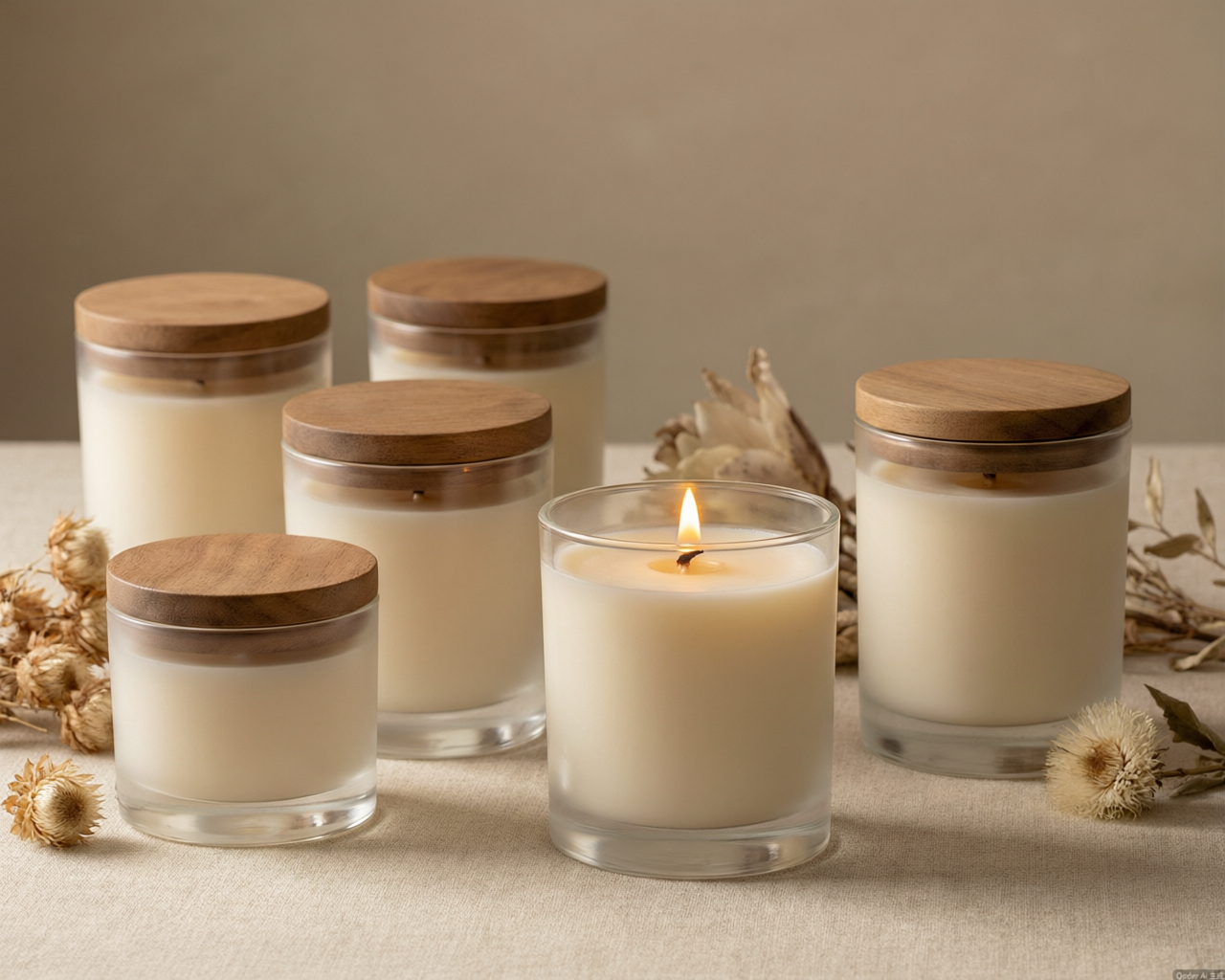
Every home fragrance brand eventually faces the same question: candles or reed diffusers? Both categories are growing, both fit a premium positioning, and both can be produced under a private-label arrangement. But they behave very differently as a business. The capital you commit, the regulations you navigate, and the customers you attract all diverge depending on which line you build first. This comparison lays out the numbers so you can make the call with data rather than instinct.
Gross margin and unit economics
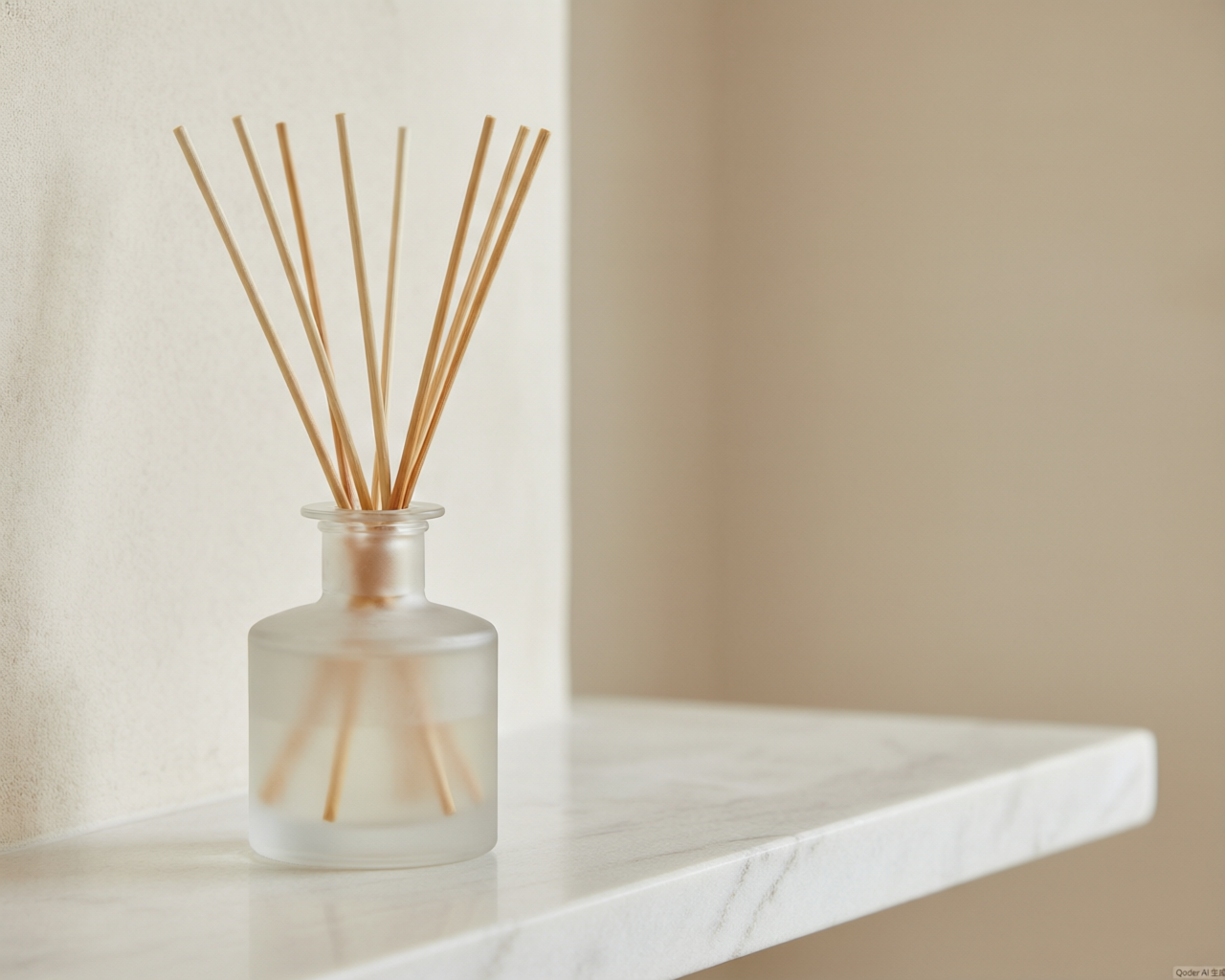
At a typical private-label MOQ of 1,000–3,000 units, a 200g scented candle in a glass vessel lands at a factory cost of roughly $2.20–$4.50 per unit, depending on wax type and fragrance load. A 150ml reed diffuser with eight fiber reeds lands at roughly $2.80–$5.00. On the surface the costs are comparable, but the retail pricing tells a different story.
Candles are a mature, heavily commoditized category. Consumers have anchored price expectations, and discounting pressure is intense — average sell-through discount in the category frequently reaches 20–30%. Reed diffusers command a higher perceived value per milliliter and discount less aggressively. A diffuser that costs $3.50 to produce can sustain a $38–$58 retail price, supporting gross margins of 80–88% before channel costs. Candles at the same price tier tend to compress toward 70–78% once promotions are factored in.
The other margin factor is freight. Diffusers ship as liquid, which adds hazmat considerations, but a 150ml diffuser is lighter and more compact than a 200g candle in thick glass. Per carton, diffusers often deliver 15–25% more sellable units per cubic meter, lowering landed cost.
Production complexity and lead time
Candles are deceptively complex to manufacture consistently. Wax contraction, sinkholes, frosting, wet spots, and wick tuning all introduce defect risk. A well-run factory holds candle reject rates around 2–4%, but an inconsistent one can spike to 8–10% on soy blends. Each fragrance-wax-wick combination requires burn testing, and reformulation cycles add weeks.
Reed diffusers are simpler in production. The core process is base-liquid blending, fragrance incorporation, and filling — no thermal cycling, no solidification defects. Reject rates at a competent factory typically sit at 1–2%. The main complexity is fragrance-base compatibility testing, which a responsible factory documents with a 48-hour stability check before filling. Lead times for diffusers commonly run 25–35 days from approved sample; candles often need 35–50 days once burn testing is included.
Safety and regulatory burden
This is where the two categories diverge most sharply. Candles are an open-flame product. They fall under fire-safety labeling requirements (ASTM F2417 in the US, EN 15494 in the EU), require warning labels, and carry product-liability exposure that raises insurance premiums. Retailers scrutinize candle suppliers for burn-test documentation and child-safety compliance.
Reed diffusers carry no flame risk. Their regulatory load centers on chemical classification: CLP labeling in the EU, GHS-compliant SDS, and IFRA-conformant fragrance usage levels. The liquid is often classified as a flammable liquid for transport (many bases flash below 60°C), which affects shipping documentation but not in-use safety. For a brand entering its first market, diffusers are materially easier to clear through compliance.
Shelf life and inventory risk
Candles degrade in ways that are visible and damaging: fragrance fade, color shift, frosting, and wick problems. Realistic shelf life is 12–18 months under good storage, and soy candles are sensitive to heat in transit. Diffusers, properly formulated and sealed, hold 24–36 months unopened and remain saleable even after the liquid has partially diffused in use. For importers managing long ocean-freight lead times, the diffuser’s stability reduces the risk of arriving with aged stock.
Customer profile and positioning
Candle buyers are often transactional and promotion-driven; they shop scent and price. Diffuser buyers skew toward a more considered, design-led purchase — they are furnishing a space, not just buying a scent. That translates into higher average order value, stronger gifting demand, and better fit for boutique, hospitality, and lifestyle channels. Diffusers also perform in spaces where flame is prohibited: offices, dormitories, hotels, and rentals.
Which should you launch first?
If your priority is fast time-to-market, lower compliance friction, and stronger margins, start with reed diffusers. If you already have an audience that expects candles and you can absorb burn-testing cycles, add candles as a second line. Many of the strongest home fragrance brands run both — but they typically build the diffuser line first because it funds the more capital-intensive candle program.
A practical path: launch three diffuser SKUs at a 1,000-unit MOQ each to validate scent and packaging, then layer candles once your channel and cash flow are proven. Your factory partner should be able to produce both under one roof, which consolidates QC, freight, and compliance work.