Sourcing & Procurement
How to Find a Private Label Essential Oil Supplier in China
Dieser Artikel ist noch nicht auf Deutsch verfügbar. Sie lesen die englische Version.
China produces an estimated 40% of the world’s essential oils and aromatic chemicals, making it one of the most cost-effective sourcing destinations for private label essential oil brands. But the market is fragmented: thousands of factories range from small workshops to ISO-certified facilities exporting to 60+ countries. Finding the right partner requires a structured approach.
Why Source Private Label Essential Oils from China?
The economics are compelling. A 10ml bottle of lavender essential oil that retails for $12–$18 in the US or EU can be produced and packaged in China for $1.20–$2.80 per unit at volumes of 5,000+. This 70–85% margin gap is why over 60% of Amazon’s top-selling essential oil brands source from Chinese manufacturers.
Beyond cost, Chinese suppliers offer:
- Full turnkey service: formulation, bottling, labeling, box packaging, and FBA-ready prep
- Low MOQs: many factories accept 1,000–3,000 units per SKU for private label
- Regulatory support: MSDS, IFRA compliance certificates, and COA documentation included
- Speed: 20–30 day production cycles for standard formulations
Step 1: Define Your Product Requirements
Before contacting suppliers, document the following:
- Oil types: single-note (lavender, eucalyptus, tea tree) or blends (sleep, focus, energy)
- Volume per unit: 5ml, 10ml, 15ml, 30ml, or 50ml
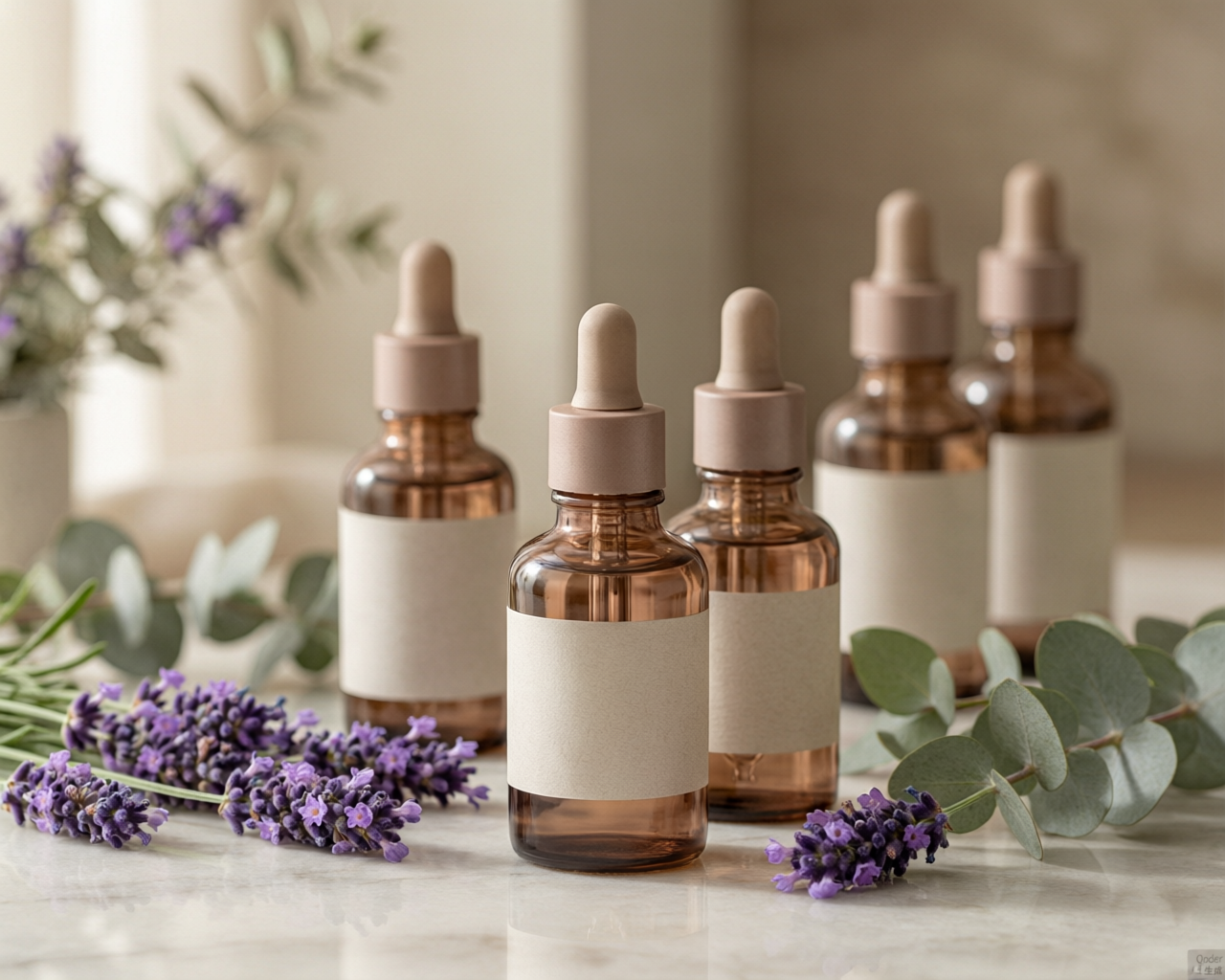
- Packaging: amber glass dropper bottle, roll-on, or plastic PET
- Certifications needed: USDA Organic, ECOCERT, ISO 9001, GMP
- Target markets: US (FDA labeling), EU (CLP regulation), or domestic
- Annual volume forecast: this determines pricing tier and supplier interest
A buyer requesting 2,000 units of a single SKU will get different attention than one projecting 50,000 units across 12 SKUs over 12 months. Be honest about your trajectory.
Step 2: Identify Candidate Suppliers
Use multiple channels to build a shortlist of 8–12 factories:
- B2B platforms: Alibaba, Made-in-China, and Global Sources list thousands of essential oil manufacturers. Filter by “Verified Supplier” status and trade assurance.
- Trade shows: Canton Fair (Guangzhou, April/October), China Beauty Expo (Shanghai, May), and PCHi (personal care ingredients) attract export-oriented factories.
- Industry directories: China Fragrance Flavor and Cosmetics Association (CAFFCI) maintains a member list.
- Referrals: Ask logistics providers or sourcing agents who specialize in cosmetics and aromatherapy.
At Aromiso, we receive inbound inquiries primarily through our website and trade show contacts, and we publish our full certification portfolio publicly because vetting transparency saves both parties time.
Step 3: Vet for Manufacturing Capability
Narrow your list to 3–5 suppliers by evaluating:
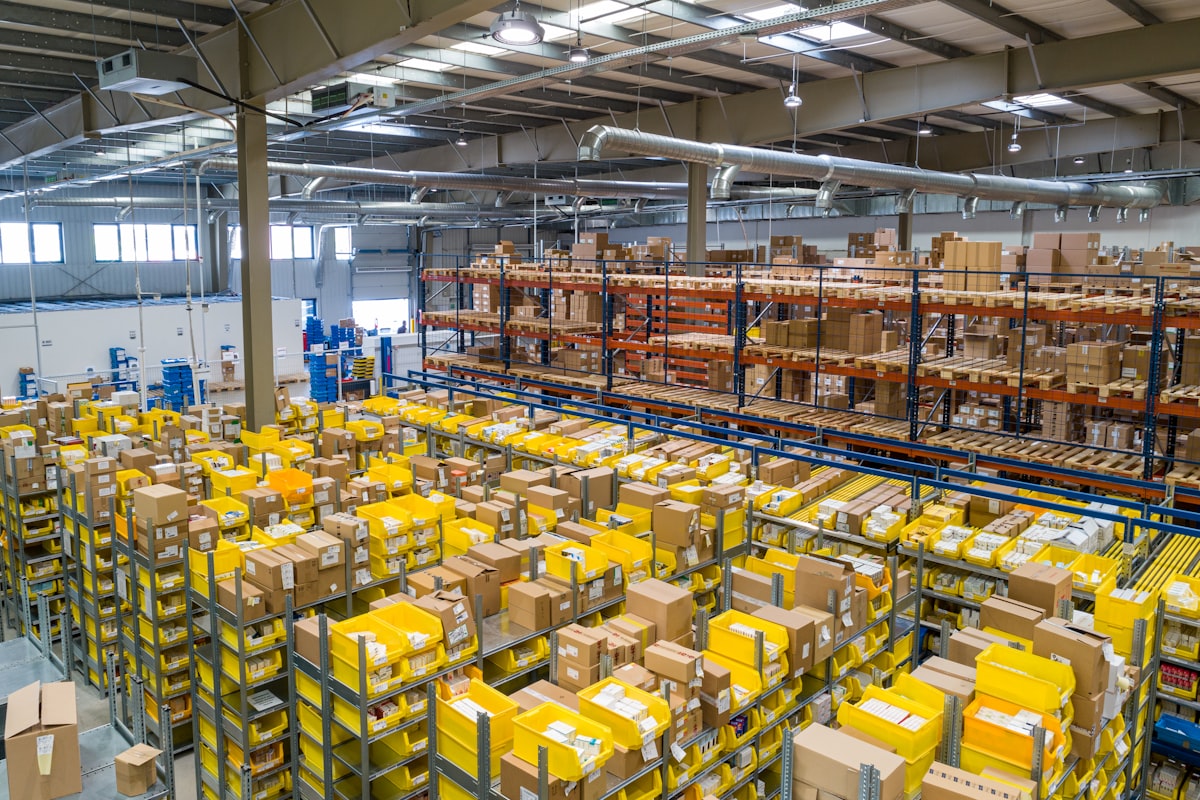
Production capacity. Ask for monthly output in units or liters. A factory producing 200,000 bottles per month has different quality systems than one producing 10,000. Request a factory video tour or schedule an in-person visit.
Quality systems. Minimum requirements for export markets:
- ISO 9001:2015 (quality management)
- GMP for cosmetics (ISO 22716)
- IFRA compliance for fragrance ingredients
- Batch traceability with COA per production lot
Testing infrastructure. In-house GC-MS (gas chromatography-mass spectrometry) testing indicates the supplier can verify purity without outsourcing. Third-party testing via SGS or Intertek adds $150–$300 per SKU but provides independent assurance.
Export experience. Ask: what percentage of revenue is export? Which markets? Can they provide three buyer references? A supplier shipping 70%+ to North America and Europe will understand FDA 21 CFR labeling, EU CLP pictograms, and Amazon compliance requirements.
Step 4: Request Samples and Compare
Order samples from your top 3 candidates. Budget $50–$150 per supplier for a sample kit of 5–10 oils. Evaluate:
- Scent accuracy and consistency against your reference
- Bottle fill accuracy (weigh 10 units; variance should be under 2%)
- Label quality and adhesion
- Packaging integrity after simulated shipping (drop test from 1 meter)
- Documentation completeness: COA, MSDS, allergen declaration
Turnaround for samples is typically 5–7 business days plus 4–7 days shipping via DHL or FedEx. Total sample evaluation period: 2–3 weeks.
Step 5: Negotiate Commercial Terms
Key terms to lock down before your first purchase order:
| Term | Typical Range |
|---|---|
| MOQ per SKU | 1,000–5,000 units |
| Unit price (10ml lavender, glass bottle) | $1.20–$2.80 |
| Payment terms | 30% deposit, 70% before shipment |
| Sample fee | $50–$200 (often credited against first order) |
| Lead time | 20–35 days |
| Defect allowance | Under 2% |
| Label revisions included | 2–3 rounds |
Negotiate volume rebates: many suppliers offer 5–8% discounts at 10,000+ units per SKU and 10–15% at 50,000+.
Step 6: Start with a Pilot Order
Place a trial order of 1,000–3,000 units across 2–3 SKUs. Use this run to validate:
- Production consistency across the batch
- Packaging accuracy (barcode scanning, label placement)
- Shipping performance (request pre-shipment photos and AQL 2.5 inspection)
- Communication responsiveness (48-hour reply standard)
A successful pilot builds the operational trust needed for quarterly or monthly replenishment orders.
Red Flags to Watch For
- Unwillingness to share business license or export records
- No GC-MS reports or refusal to provide COA
- Prices 30%+ below market average (often indicates dilution with carrier oils)
- No English-speaking project manager for export accounts
- Pressure to pay 100% upfront via non-traceable methods
Final Thoughts
Finding a private label essential oil supplier in China is a 4–8 week process from initial research to signed agreement. The investment in due diligence pays for itself: a reliable partner reduces your per-unit cost by 20–40% versus domestic filling, eliminates quality surprises, and scales with your brand from 1,000 to 100,000 units without re-sourcing.
Start with clear specifications, verify claims with samples and documentation, and build the relationship incrementally. The best suppliers operate as extensions of your brand team—not just contract manufacturers.