Market Guides
The German Home Fragrance Market: Trends and Opportunities
Dieser Artikel ist noch nicht auf Deutsch verfügbar. Sie lesen die englische Version.

Germany is the largest home fragrance market in Europe by unit volume and the second by retail value, behind the United Kingdom. For B2B buyers, distributors, and private-label brands, it offers a rare combination of scale, predictable regulation, and a consumer base that rewards quality and sustainability. This guide summarizes the data and trends that matter for sourcing decisions.
Market Size and Growth
The German home fragrance market is estimated at EUR 1.2 to EUR 1.4 billion in retail sales, with the broader air care category exceeding EUR 1.6 billion. Key segments include:
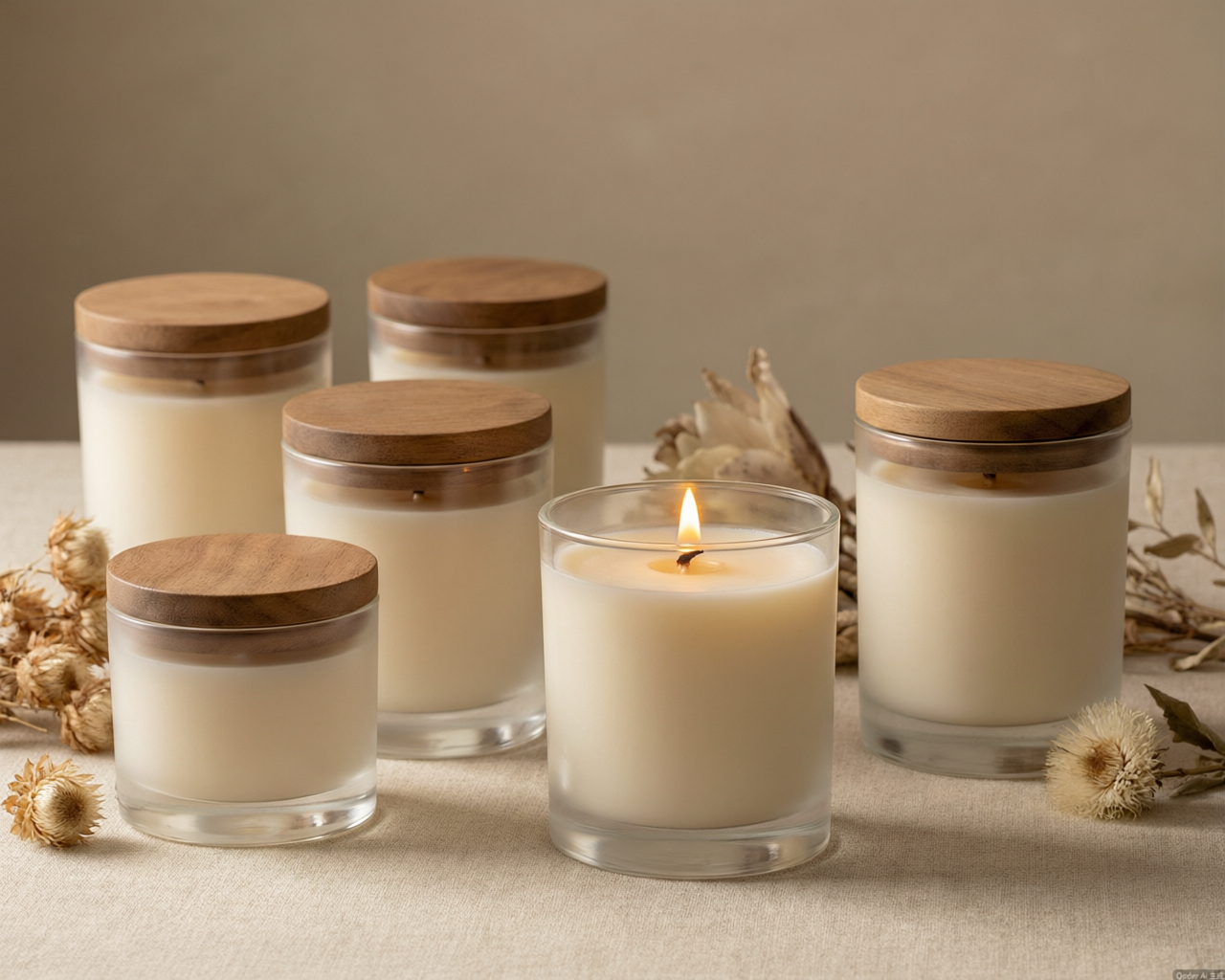
- Scented candles: roughly EUR 700 to EUR 800 million annually, with Germany consuming more than 220,000 tonnes of candles per year.
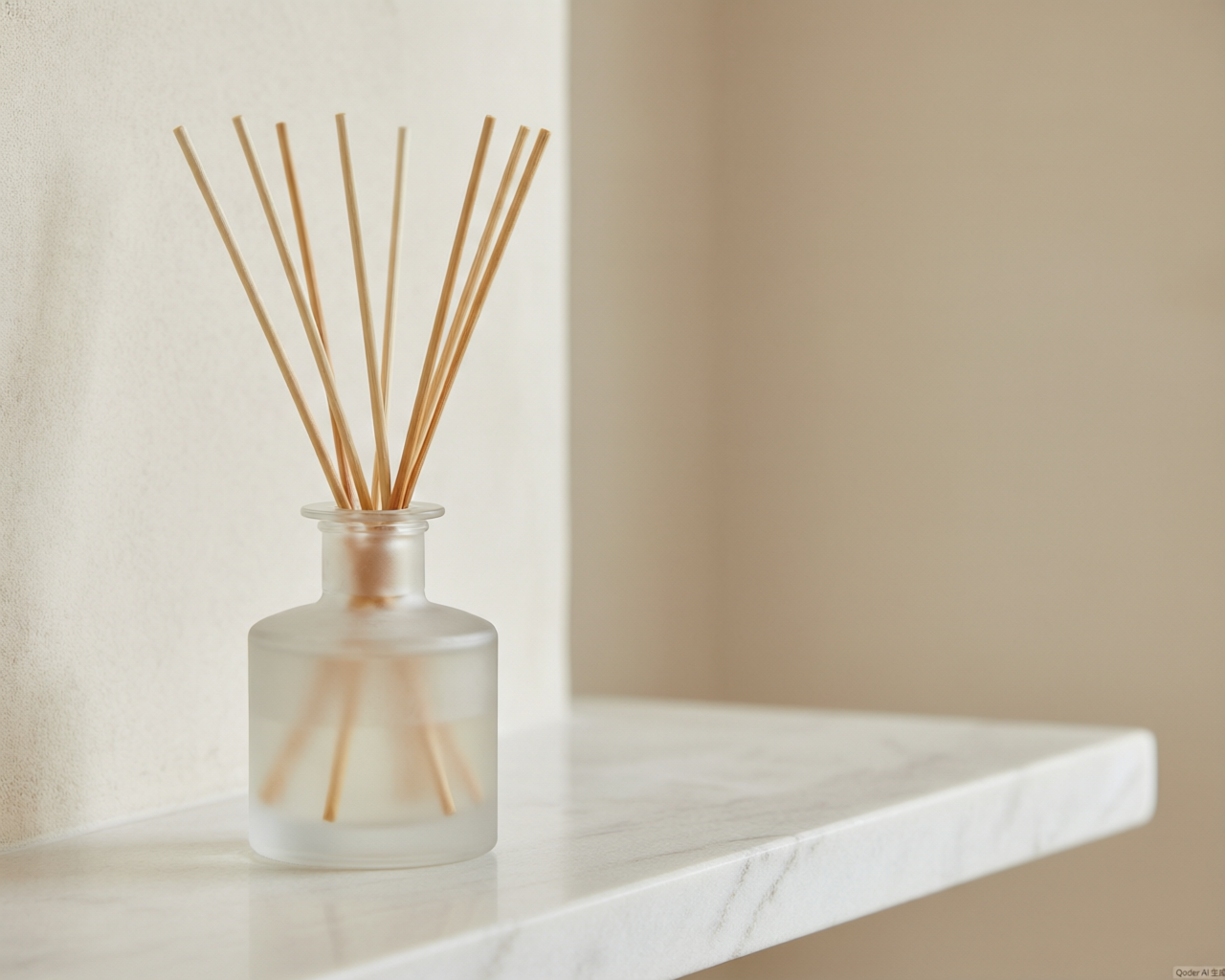
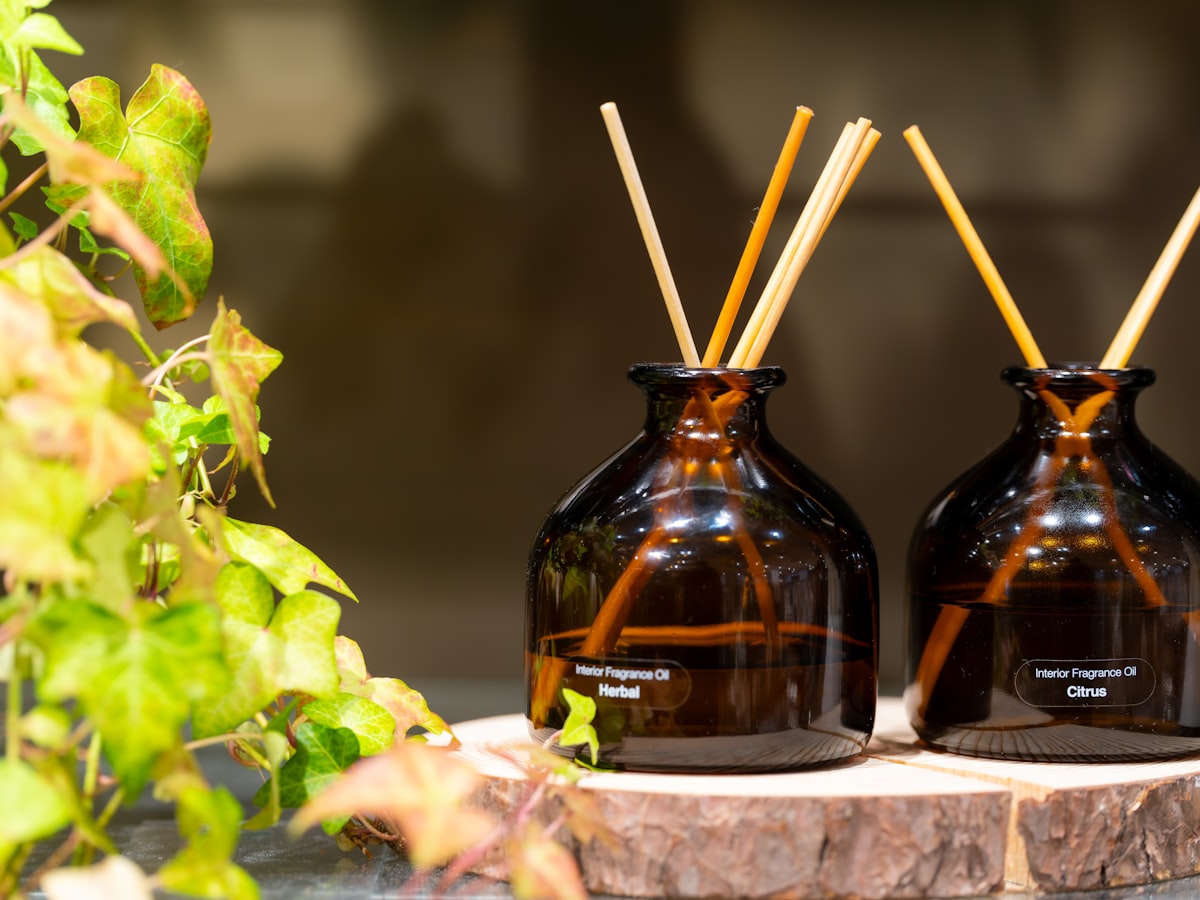
- Reed diffusers and room sprays: EUR 250 to EUR 320 million, growing at 6 to 8 percent per year.
- Electric diffusers and plug-ins: EUR 150 to EUR 200 million, with strong growth in ultrasonic devices.
- Wax melts and accessories: a smaller but fast-growing niche, up roughly 12 percent year on year.
Per-capita candle consumption in Germany is among the highest in the world, at approximately 2.5 kg per person per year, ahead of France and Italy.
Consumer Trends Shaping Demand
1. Sustainability and Natural Wax
German consumers actively seek soy, coconut, rapeseed, and beeswax candles. Paraffin remains dominant in the value segment, but premium shelves at DM, Rossmann, and specialty retailers are increasingly natural-wax-only. Look for “ohne Paraffin” and “nachhaltig” claims on packaging.
2. Clean Fragrance and Allergen Transparency
The clean beauty movement has crossed into home fragrance. Consumers read ingredient lists and avoid products with phthalates, CMR substances, and excessive synthetic musks. Brands that publish full allergen lists and IFRA-compliant formulations command a price premium of 15 to 25 percent.
3. Refill and Reuse Models
Refillable reed diffusers and candle refill programs are growing rapidly, driven by both consumer preference and the EU Packaging and Packaging Waste Regulation (PPWR), which enters into force in stages from 2025. German retailers are actively seeking refill-ready formats.
4. Wellness and Functional Scents
Scents positioned around sleep, focus, and relaxation, such as lavender, eucalyptus, and cedarwood blends, are outperforming purely decorative fragrances. The “Self-Care” trend, amplified since 2020, continues to drive demand for aromatherapy-adjacent products.
5. Premiumization
The premium and luxury segment, candles above EUR 25 and diffusers above EUR 35, is growing faster than the value segment. German consumers are willing to pay for distinctive packaging, longer burn times, and complex fragrance compositions.
Retail Channels
Germany’s home fragrance retail landscape is highly structured:
- Drugstores: DM, Rossmann, and Muller dominate the mass market and increasingly carry private-label and mid-tier brands.
- Discounters: Aldi and Lidl run seasonal candle and diffuser promotions with very high volumes and aggressive pricing.
- Specialty retail: Depot, Butlers, Nanu-Nana, and independent concept stores focus on design-led products.
- Online: Amazon.de, OTTO, and brand-owned Shopify stores account for roughly 25 to 30 percent of home fragrance sales.
- Department stores: Breuninger, KaDeWe, and Galeria carry luxury and niche brands.
Each channel has distinct margin expectations. Drugstores typically negotiate 35 to 45 percent retail margins, while specialty stores accept 50 to 60 percent. Online marketplaces add 15 percent referral fees plus fulfillment costs.
Pricing Benchmarks
Typical German retail price points in 2025:
- Mass-market scented candle (200 g): EUR 3.99 to EUR 7.99.
- Mid-tier soy candle (220 g): EUR 9.99 to EUR 19.99.
- Premium candle (250 g+): EUR 25 to EUR 65.
- Reed diffuser (100 ml): EUR 6.99 to EUR 14.99 mass; EUR 19.99 to EUR 45 premium.
- Room spray (100 ml): EUR 5.99 to EUR 12.99 mass; EUR 18 to EUR 38 premium.
For private-label buyers, FOB China costs of USD 1.50 to USD 4.00 per candle and USD 1.80 to USD 3.50 per 100 ml diffuser allow healthy margins even at mass-market price points.
Sourcing Opportunities
German buyers sourcing from China benefit from:
- Mature OEM/ODM infrastructure for candles, diffusers, and essential oils.
- Competitive pricing on glass, packaging, and fragrance compounds.
- Increasing factory capability in natural waxes and refillable formats.
- Established logistics routes to Hamburg and Bremerhaven with 30 to 38 day transit times.
The key risk is compliance. German market surveillance, led by the BAuA and state-level authorities, is among the most active in the EU. Buyers who invest in DIN EN 15493 testing, CLP labeling, and GPSR documentation avoid the recalls and delistings that affect under-prepared competitors.
Final Thoughts
The German home fragrance market rewards brands that combine competitive pricing with credible sustainability and compliance stories. For B2B buyers, the next three years offer strong growth in refillable formats, natural wax candles, and functional wellness scents. Aromiso supports German partners with product development, regulatory documentation, and flexible MOQs designed for both drugstore-scale and boutique launches.