Trends & Insights
Functional Fragrance: Scents for Sleep, Focus, and Mood
Dieser Artikel ist noch nicht auf Deutsch verfügbar. Sie lesen die englische Version.

The fragrance industry is undergoing a fundamental repositioning. Consumers are increasingly purchasing scent products not for ambiance alone but for specific functional outcomes: better sleep, improved focus, reduced anxiety, elevated mood. This shift from decorative to functional is creating new product categories, new marketing frameworks, and new requirements for B2B buyers and their manufacturing partners.
The Functional Fragrance Market
The concept of functional fragrance sits at the intersection of home fragrance, aromatherapy, and wellness. While traditional home fragrance is marketed primarily on scent character (how it smells), functional fragrance is marketed on effect (what it does). This distinction has significant implications for product development, positioning, and pricing.
Market research indicates that the functional wellness fragrance segment is growing at approximately 10% to 15% annually, outpacing the broader home fragrance market. The global functional fragrance and aromatherapy product market is projected to exceed USD 5 billion by 2028. Consumer surveys show that over 65% of fragrance buyers in key markets are interested in products designed for specific wellness outcomes, with sleep and stress relief as the most demanded functions.
The trend is supported by a growing body of research on olfactory-neurological connections. Studies on lavender and sleep, citrus and alertness, and peppermint and cognitive performance have provided scientific backing for claims that were previously considered anecdotal. This evidence base gives brands confidence to make functional positioning claims and gives consumers justification for premium pricing.
Key Functional Categories
Sleep and Relaxation
Sleep-focused fragrance products are the largest functional sub-category. Consumer demand is driven by widespread sleep disturbance: surveys indicate that 30% to 40% of adults in developed markets report regular sleep difficulties. Products in this category typically feature lavender, chamomile, valerian, cedarwood, and other calming botanicals.
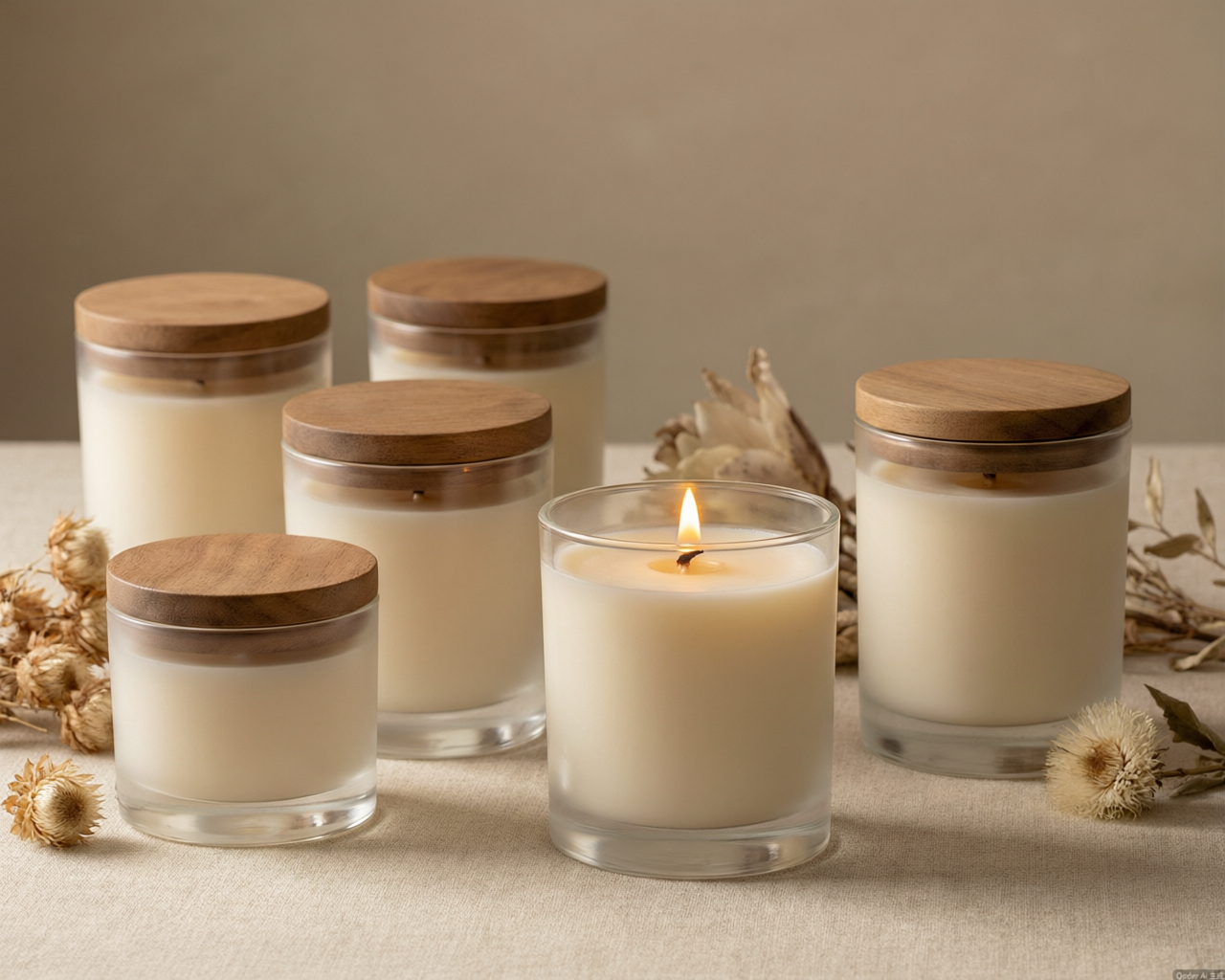
Product formats include bedtime candles, pillow mists, evening diffuser blends, and sleep ritual kits. The marketing narrative centers on creating a wind-down environment that supports natural sleep onset. For B2B buyers, sleep products benefit from strong repeat purchase behavior, as consumers incorporate them into nightly routines.
Focus and Productivity
The focus and cognitive performance category has grown rapidly with the expansion of remote and hybrid work. Consumers seeking to create productive home office environments are turning to functional fragrance as a tool for concentration and mental clarity. Key notes include rosemary, peppermint, lemon, eucalyptus, and basil.
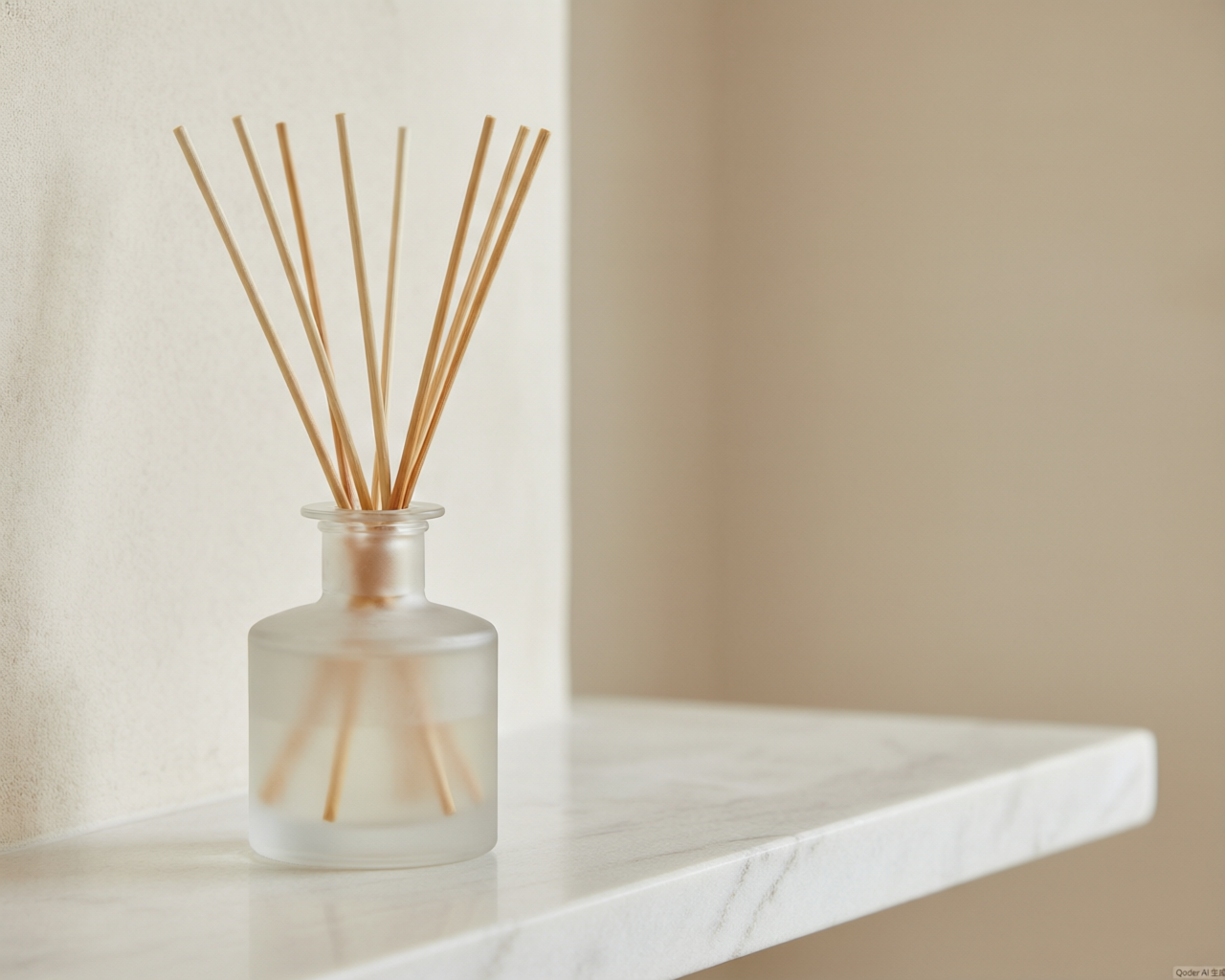
Product formats include desk diffusers, focus candle lines, and workspace scent kits. This category appeals to a professional demographic willing to invest in productivity tools, supporting premium positioning. Corporate wellness buyers represent an additional B2B channel for focus-oriented products.
Mood Elevation and Energy
Products positioned for mood enhancement and energy target consumers seeking an emotional lift. Citrus-dominant formulations (bergamot, grapefruit, sweet orange) combined with uplifting botanicals characterize this category. These products perform well in morning routines, exercise spaces, and social environments.
Stress and Anxiety Relief
The stress relief category overlaps with relaxation but is positioned more specifically around anxiety management. Products in this space often incorporate adaptogenic botanicals, grounding earth notes, and breathing ritual elements. The target consumer is actively managing stress and seeking accessible, non-pharmaceutical interventions.
Product Development Implications
Formulation with Purpose
Functional fragrance formulation differs from traditional perfumery. The goal is not merely a pleasant scent but a formulation that delivers a genuine physiological or psychological effect. This requires knowledge of essential oil pharmacology, appropriate concentration levels, and synergistic blending principles.
For manufacturers, this means R&D teams need expertise beyond traditional fragrance development. Formulators must understand which compounds have evidence-backed functional properties, at what concentrations they are effective, and how they interact in blends. Buyers should verify that potential manufacturing partners have this specialized capability.
Ingredient Quality and Documentation
Functional positioning requires higher ingredient standards than decorative fragrance. If a product claims to promote sleep through lavender, the lavender component must be genuine, high-quality essential oil at a meaningful concentration, not a synthetic fragrance labeled as lavender. Consumers in the functional space are educated and skeptical; they check ingredient lists and question claims.
Manufacturers must provide documentation: essential oil authentication (GC/MS reports), concentration verification, and allergen declarations. Buyers building functional lines should require this documentation as a standard part of their supplier relationship.
Efficacy and Testing
While full clinical trials are beyond the scope of most product launches, brands making functional claims benefit from some form of efficacy validation. This might include consumer perception studies, sensory testing panels, or partnerships with research institutions. Manufacturers can support these efforts by providing consistent formulations suitable for testing protocols.
Regulatory Positioning
Functional claims exist in a regulatory gray area between cosmetics, home products, and therapeutic goods. Products that make explicit therapeutic claims may trigger pharmaceutical or medical device regulation in some markets. Buyers should work with manufacturers who understand how to position functional products appropriately: making credible wellness claims without crossing into regulated therapeutic territory.
B2B Strategy Considerations
Product Line Architecture
Functional fragrance lines are most effective when organized around use occasions and desired outcomes rather than scent families. A typical architecture might include: Morning (energy and focus), Midday (clarity and productivity), Evening (relaxation and decompression), and Night (sleep). This structure guides consumer selection and encourages multi-product purchases.
Pricing and Positioning
Functional products command premium pricing because they solve problems rather than merely decorate. Consumers pay more for a product that promises better sleep than for one that simply smells pleasant. Buyers should position functional lines at premium price points and ensure product quality justifies the positioning.
Channel Strategy
Functional fragrance products perform well in channels where wellness positioning is already established: health and wellness retailers, yoga and fitness studios, corporate wellness programs, and D2C wellness brands. They also work in traditional home goods channels when positioned as an upgrade from standard fragrance products.
Education and Content
Functional fragrance requires more consumer education than traditional products. Buyers should invest in content that explains the science behind functional claims, provides usage guidance, and builds credibility. Manufacturers can support this by providing technical information about formulation rationale and ingredient properties.
Building Functional Fragrance Lines
Buyers entering the functional fragrance space should start with one or two well-defined functions (sleep and focus are the strongest entry points), develop evidence-backed formulations with qualified manufacturing partners, and build marketing narratives that balance aspiration with credibility. Avoid overclaiming; the functional fragrance market rewards brands that deliver genuine benefits.
At Aromiso, we develop functional fragrance formulations for candles, diffusers, room sprays, and wellness products. Our R&D team combines perfumery expertise with aromatherapy knowledge to create products that deliver both sensory pleasure and functional benefit, backed by the documentation and quality standards that functional positioning demands.