Market Guides
The French Home Fragrance Market: Luxury Expectations and Entry Points
Dieser Artikel ist noch nicht auf Deutsch verfügbar. Sie lesen die englische Version.
France is the spiritual home of Western perfumery, and its home fragrance market reflects that heritage. French consumers treat candles, diffusers, and room sprays as interior design objects and olfactive experiences, not as commodity air fresheners. For B2B buyers, distributors, and brands, France offers premium pricing and strong brand loyalty, but only to those who meet its exacting standards. This guide summarizes the data and the entry points.
Market Size and Structure
The French home fragrance market is estimated at EUR 900 million to EUR 1.1 billion in retail sales, making it the second-largest in Europe after the United Kingdom and ahead of Germany in per-capita premium spending. Key segments:
- Scented candles: roughly EUR 450 to EUR 550 million, with France consuming approximately 80,000 to 90,000 tonnes annually.
- Reed diffusers and room sprays: EUR 200 to EUR 260 million, growing at 5 to 7 percent per year.
- Luxury and niche home fragrance: a disproportionately large share, with brands such as Diptyque, Trudon, Cire Trudon, and Maison Francis Kurkdjian commanding global followings.
- Electric and ultrasonic diffusers: EUR 100 to EUR 140 million, with steady growth.
France is also a major export hub: a significant share of candles and diffusers sold under French brand names is produced abroad, including in China, then finished, packaged, or distributed from France.
Consumer Expectations
French consumers differ from other European markets in several ways:
1. Olfactive Sophistication
Single-note fragrances underperform. French buyers expect a structured pyramid: top notes (bergamot, pink pepper), heart notes (fig, jasmine, rose), and base notes (cedar, musk, amber). Grasse-trained perfumers remain the gold standard, and brands frequently reference Grasse in their storytelling.
2. Aesthetic and Material Quality
Heavy glass, ceramic vessels, metal lids, and rigid gift boxes are standard at the premium tier. Plastic components are tolerated only in the mass market. Packaging is treated as part of the product, not as a cost line.
3. Heritage and Narrative
French consumers reward brands with a story: a founder, a region, a craft tradition. Even China-produced lines benefit from French-designed fragrance, French art direction, or a Provence-inspired narrative.
4. Sustainability
The AGEC anti-waste law and the broader French sustainability consciousness drive demand for natural waxes, refillable formats, and recyclable packaging. The Triman sorting logo is mandatory and consumers actively look for it.
Retail Channels
France’s retail landscape is fragmented and channel-specific:
- Selective perfumery and beauty: Sephora, Marionnaud, Nocibe carry premium and luxury home fragrance.
- Department stores: Galeries Lafayette, Printemps, Le Bon Marche, BHV are essential for luxury positioning.
- Concept stores and boutiques: Merci, Fleux, and independent interior shops drive design-led discovery.
- Mass market: Monoprix, Carrefour, Auchan, and Action serve the value segment.
- Online: Amazon.fr, brand-owned Shopify stores, and marketplaces such as Etsy and Smallable.
- Specialty candle and fragrance chains: Durance, Esteban, and Maison Berger operate dedicated networks.
Margins vary widely. Selective perfumery expects 50 to 60 percent retail margins, mass market 35 to 45 percent, and online marketplaces add 15 percent referral fees plus fulfillment.
Pricing Benchmarks
Typical French retail price points in 2025:
- Mass-market candle (180 g): EUR 4.99 to EUR 9.99.
- Mid-tier soy candle (220 g): EUR 14.99 to EUR 29.99.
- Luxury candle (220 to 300 g): EUR 45 to EUR 95, with limited editions exceeding EUR 150.
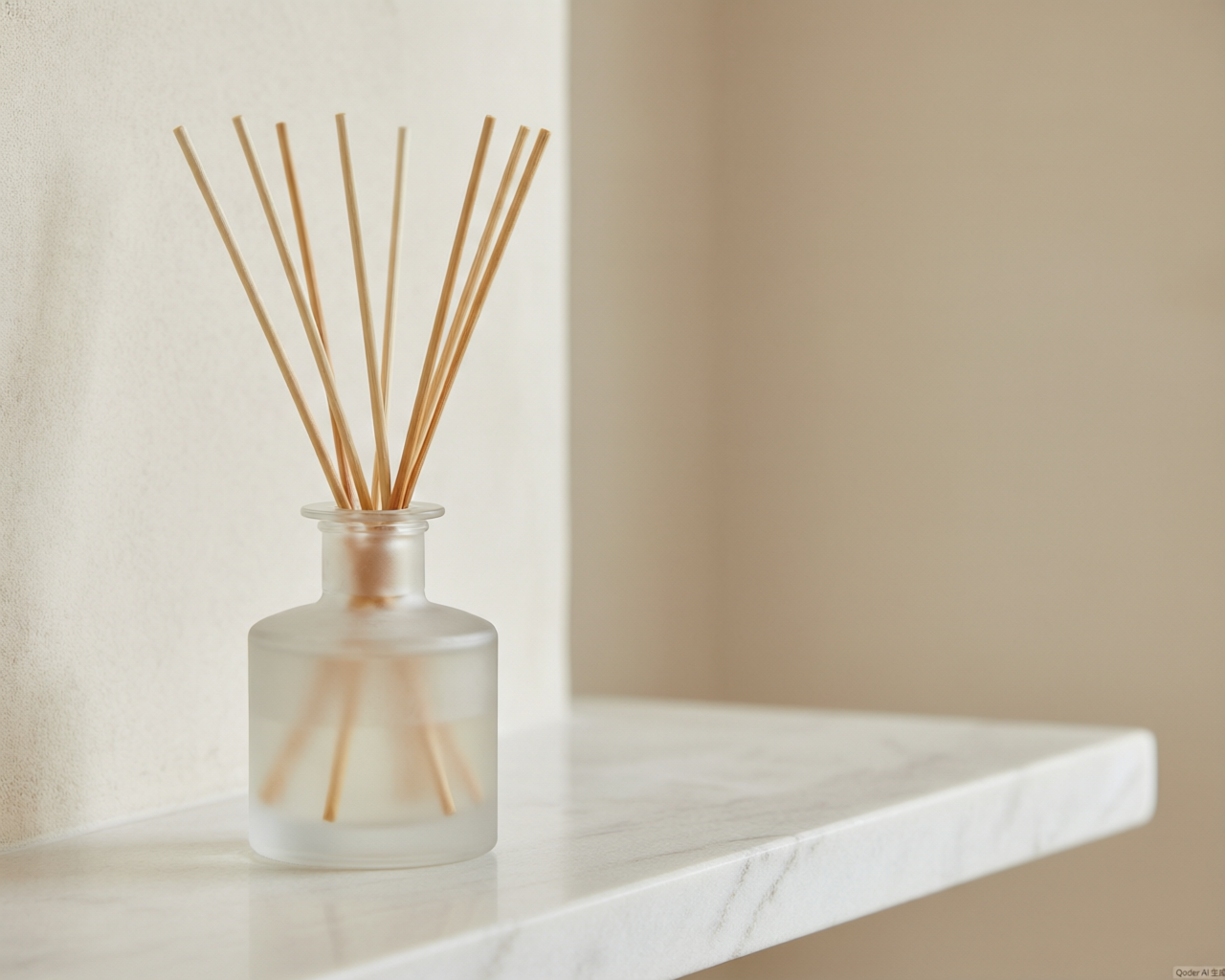
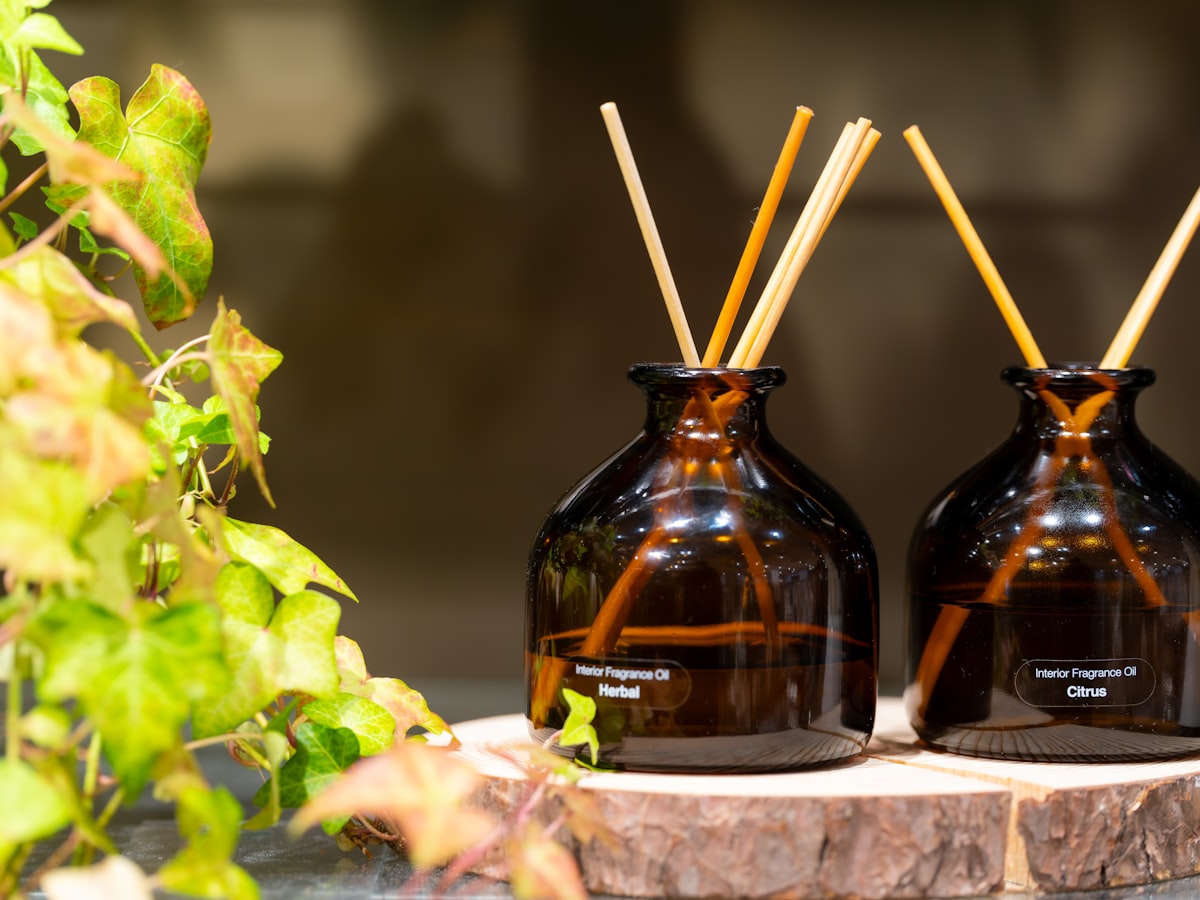
- Reed diffuser (100 ml): EUR 9.99 to EUR 19.99 mass; EUR 35 to EUR 75 luxury.
- Room spray (100 ml): EUR 7.99 to EUR 14.99 mass; EUR 25 to EUR 55 luxury.
For private-label buyers, FOB China costs of USD 1.80 to USD 4.50 per candle and USD 2.20 to USD 4.00 per 100 ml diffuser support strong margins even at mid-tier price points.
Entry Points for B2B Buyers
1. Premium Private Label for Concept Stores
Concept stores and interior boutiques are receptive to small-batch, design-led private label. MOQs of 1,000 to 2,000 units per SKU work well, with custom glass and rigid boxes.
2. Hotel and Hospitality Scenting
France’s hotel industry, especially in Paris, the Cote d’Azur, and ski resorts, invests heavily in signature scents. Reed diffusers, room sprays, and amenity candles for boutique hotels are a growing B2B channel.
3. Corporate Gifting
French luxury houses, banks, and wine estates commission branded candles and diffusers for client gifting. These programs value customization, premium packaging, and short lead times.
4. Refill and Subscription Models
Refillable diffusers and candle refill subscriptions are growing in urban France, driven by sustainability concerns and the AGEC law.
Sourcing Considerations
French buyers sourcing from China should:
- Choose factories with premium packaging capability and EU compliance experience.
- Invest in fragrance development, ideally with Grasse-style perfumery input.
- Build in 12 to 16 weeks from brief to French warehouse.
- Budget EUR 2,000 to EUR 4,500 per program for CLP, REACH, IFRA, GPSR, and Poison Centre notification.
- Register with Citeo for packaging extended producer responsibility and apply Triman signage.
Final Thoughts
The French home fragrance market rewards quality, narrative, and olfactive depth over volume. B2B buyers who treat France as a premium market, and invest accordingly in fragrance, packaging, and compliance, can build durable, high-margin programs. Aromiso supports French partners with Grasse-inspired fragrance development, luxury packaging options, and a complete EU compliance package, making China sourcing fully compatible with French luxury expectations.