Sourcing & Procurement
Fragrance Supplier Lead Times: How to Shorten Them
Dieser Artikel ist noch nicht auf Deutsch verfügbar. Sie lesen die englische Version.
For B2B buyers sourcing candles, essential oils, or home fragrance products from China, lead time is often the single most important variable in supplier selection. A difference of two weeks can determine whether your products land on shelves before the holiday rush or miss the season entirely. Understanding what drives lead times—and how to compress them—gives you a measurable competitive advantage.
Typical Lead Time Benchmarks
Across the Chinese fragrance manufacturing sector, standard lead times break down roughly as follows:
- Stock formulations (white label): 15–25 days from order confirmation to FOB shipment
- Custom fragrance development: 30–45 days, including 7–10 days for scent sampling and approval
- Private label with custom packaging: 35–50 days, depending on packaging complexity
- Peak season (August–November): Add 10–20 days to any of the above
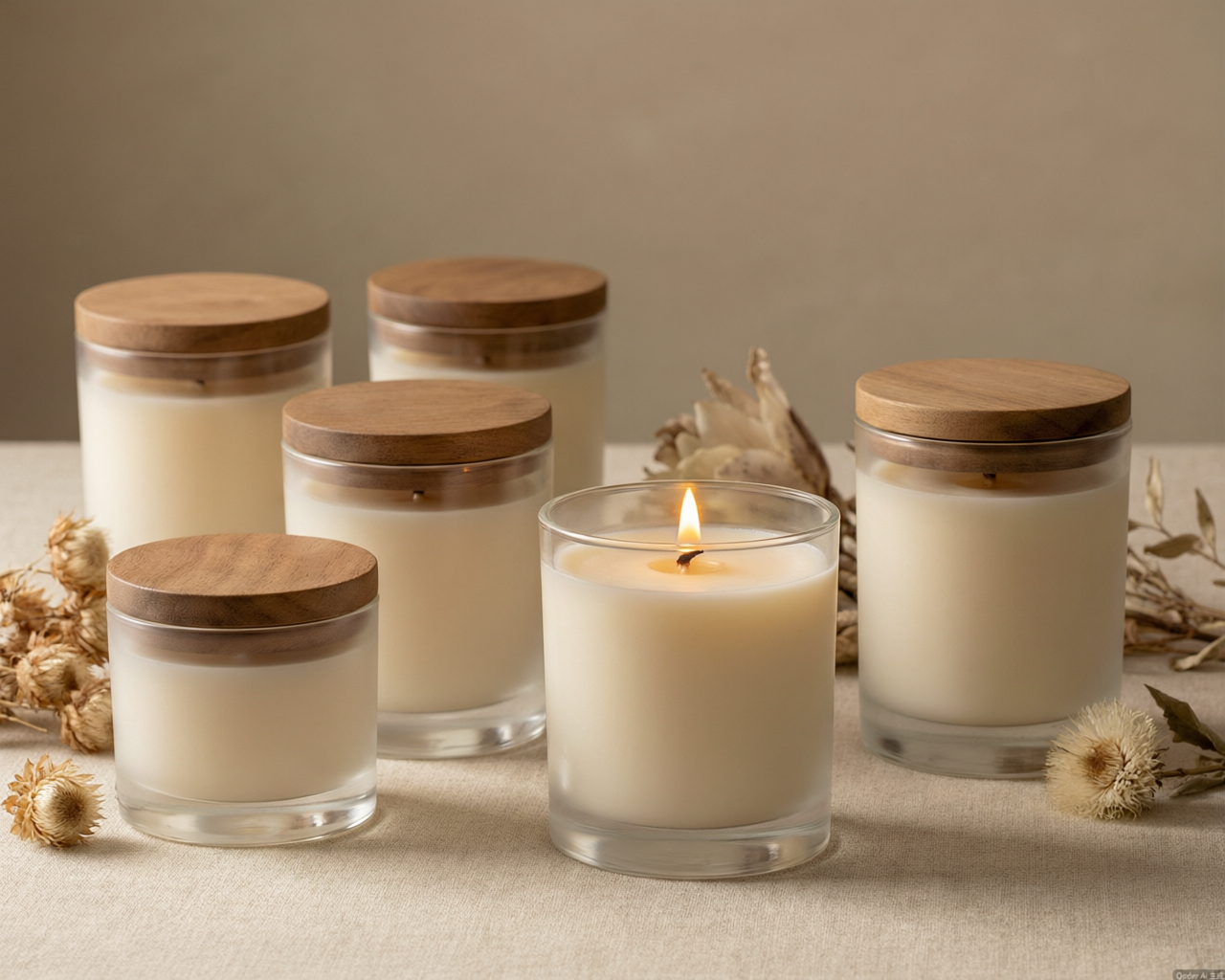
At Aromiso, our standard production cycle for a 5,000-unit candle order with an existing formula is approximately 20 days. A fully custom project—new scent, new vessel, branded packaging—typically runs 40 days from brief to container loading.
The Six Factors That Drive Lead Times
1. Raw Material Availability
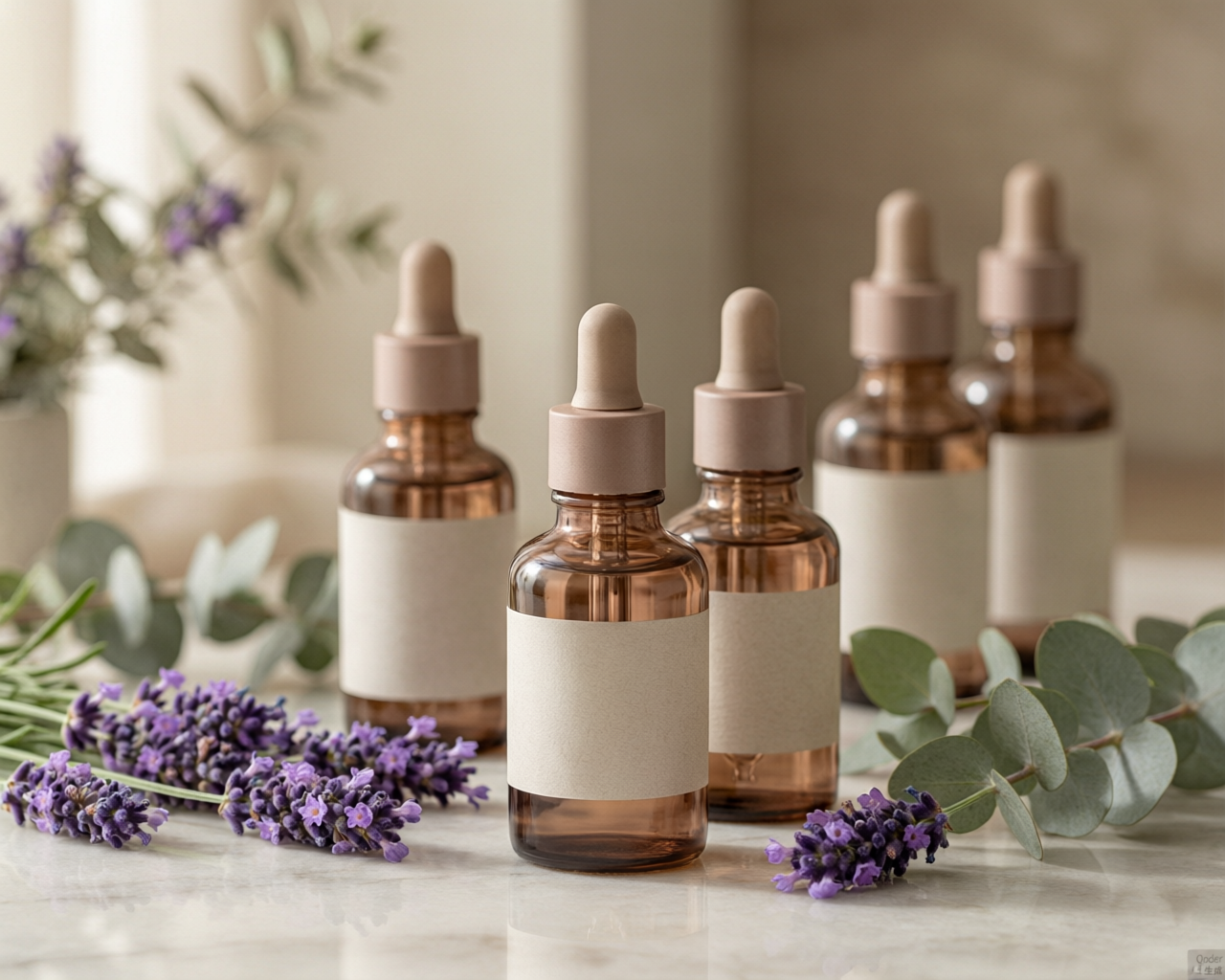
Fragrance oils, wax blends, and specialty containers are not always in stock. A single out-of-stock ingredient—say, a specific French lavender absolute—can add 10–15 days while the supplier sources alternatives or waits for shipment. Suppliers who maintain 60–90 days of raw material inventory can absorb these shocks. Ask your supplier directly: what is your safety stock policy on key inputs?
2. Sampling and Approval Cycles
Each round of scent sampling takes 3–5 business days for production plus shipping time. If you require three revision rounds, that is 15–25 days before bulk production even begins. Buyers who provide detailed briefs—reference scents, target notes, intensity levels—often reduce sampling to one or two rounds.
3. Packaging Sourcing
Custom glass jars, printed boxes, and branded labels often come from separate vendors. A custom-printed rigid box with foil stamping can take 20–25 days alone. If your supplier manages packaging in-house or has established sub-supplier agreements, this timeline compresses to 12–15 days.
4. Order Volume
A 1,000-unit order may fit into a single production day. A 50,000-unit order requires line scheduling, potentially competing with other clients. Most factories allocate production slots weekly. Placing your order before the monthly cutoff (often the 20th–25th) can save an entire cycle.
5. Quality Control and Testing
Reputable manufacturers run 2–3 QC checkpoints: incoming material inspection, in-process checks, and pre-shipment AQL inspection. This adds 3–5 days but prevents costly returns. Skipping QC to save time is a false economy—container rejection at destination can cost $8,000–$15,000 in rework and delays.
6. Logistics and Documentation
Export documentation (certificate of origin, MSDS, customs declarations) takes 2–3 days. Ocean freight from Shenzhen or Ningbo to Los Angeles runs 14–18 days; to Rotterdam, 28–32 days. Air freight cuts transit to 3–5 days but costs 4–6x more per kilogram.
Seven Strategies to Shorten Your Lead Time
-
Lock formulations early. Finalize your scent 60–90 days before your target ship date. This removes the sampling bottleneck entirely.
-
Pre-approve packaging dielines. Provide print-ready artwork in AI or PDF format with Pantone references. This saves 5–7 days of back-and-forth.
-
Order in aligned quantities. Match your order to the supplier’s minimum efficient run. For candles, this is often 3,000–5,000 units per SKU. Splitting a 10,000-unit order across four scents may add setup time.
-
Use the supplier’s stock components. Choosing a catalog jar instead of a custom mold saves 20–30 days and $0.30–$0.80 per unit in tooling.
-
Place orders outside peak season. Factories are most congested from August through November. Orders placed in March–June often ship 15–20% faster.
-
Consolidate inspections. Arrange your third-party inspection (SGS, Bureau Veritas) for the same day the factory completes internal QC. This eliminates a 3–5 day gap.
-
Negotiate a penalty/incentive clause. A contract term offering a 1–2% discount for early delivery or a 0.5% per-day penalty for late delivery aligns incentives. At Aromiso, we include delivery-date commitments in every purchase order.
Building a Realistic Timeline
For a typical private-label candle program launching in Q4, work backward:
| Milestone | Timing |
|---|---|
| Target on-shelf date | November 1 |
| Ocean freight transit | 18 days |
| Production + QC | 25 days |
| Packaging production | 15 days (overlapping) |
| Sampling approval | 10 days |
| Brief and supplier selection | 7 days |
| Start date | ~August 1 |
This gives roughly 90 days from project kickoff to retail shelf. Compressing any single phase without adjusting others creates risk. The most reliable approach is parallel processing: run packaging development alongside scent approval rather than sequentially.
Final Thoughts
Lead time is not a fixed number—it is a negotiation between complexity, volume, seasonality, and preparation. Buyers who invest in upfront clarity and maintain transparent communication with their manufacturing partner consistently achieve 20–30% faster time-to-market than those who do not.
If you are planning a fragrance product launch and need a realistic timeline, request a production schedule from your supplier before signing. A reputable factory will provide a Gantt-level breakdown within 48 hours. That document alone will tell you more about their operational maturity than any sales pitch.