Trends & Insights
Aromatherapy and Wellness Market Growth
Dieser Artikel ist noch nicht auf Deutsch verfügbar. Sie lesen die englische Version.

The intersection of aromatherapy and wellness has become one of the most dynamic growth areas in the broader fragrance and home products industry. What was once a niche category sold primarily through health food stores and specialty practitioners has entered the mainstream, driven by consumer interest in holistic well-being, stress management, and natural health solutions. For B2B buyers, this convergence creates product opportunities that extend well beyond traditional candle and diffuser lines.
Market Size and Growth Trajectory
The global aromatherapy market is valued at approximately USD 3 to 4 billion as of 2024, with projections placing it at USD 5 to 7 billion by 2030, representing a CAGR of 8% to 12% depending on the research source. The broader wellness economy, within which aromatherapy products are increasingly positioned, exceeds USD 5 trillion globally and continues to expand.
Essential oils, the core input for aromatherapy products, represent a significant sub-segment. The global essential oils market is projected to grow at a CAGR of 9% to 11% through 2030, driven by applications in personal care, home fragrance, food and beverage, and therapeutic use.
Several factors distinguish this growth from previous wellness trends. First, the consumer base is broadening beyond traditional wellness enthusiasts to include mainstream consumers seeking stress relief and sleep improvement. Second, the scientific evidence base for aromatherapy interventions is expanding, lending credibility to product claims. Third, the product formats are diversifying, making aromatherapy accessible in contexts far beyond the spa or yoga studio.
Consumer Behavior Driving Demand
Stress and Sleep as Primary Motivators
Consumer surveys consistently identify stress reduction and sleep improvement as the top motivations for aromatherapy product purchases. In a global environment where reported stress and sleep disturbance are at record levels, products that address these needs have a growing addressable market. Over 60% of aromatherapy product buyers cite relaxation or sleep as their primary use case.
Natural and Clean Product Preference
The wellness consumer is highly attentive to ingredient quality. There is strong preference for pure essential oils over synthetic fragrances in the aromatherapy context, along with demand for organic certification, transparent sourcing, and absence of synthetic additives. This creates a premium segment where quality documentation and supply chain transparency are competitive requirements.
Integration with Daily Routines
Aromatherapy is increasingly positioned as part of daily wellness routines rather than occasional luxury. Morning energizing rituals, midday focus boosters, and evening wind-down routines all incorporate scent. This routine integration drives repeat purchase and creates opportunities for product lines organized around use occasions rather than just scent preferences.
Professional and Institutional Adoption
Beyond consumer retail, aromatherapy products are gaining adoption in professional settings: corporate wellness programs, healthcare facilities, hospitality properties, and fitness studios. These institutional buyers represent a growing B2B channel with different requirements than consumer retail, including bulk formats, consistent supply, and documentation of product safety and efficacy.
Product Opportunities for B2B Buyers
Functional Essential Oil Blends
Pre-formulated blends targeting specific wellness outcomes (sleep, focus, energy, calm) are among the fastest-growing product formats. These products combine multiple essential oils in ratios designed to deliver a targeted experience. For buyers, the opportunity lies in developing proprietary blends with clear positioning and consistent formulation.
Manufacturing requirements include access to high-quality essential oil inputs, formulation expertise in therapeutic blending, and stability testing to ensure blend integrity over time. Buyers should verify that manufacturers can provide GC/MS (gas chromatography/mass spectrometry) testing data for essential oil inputs.
Aromatherapy Candle and Diffuser Lines
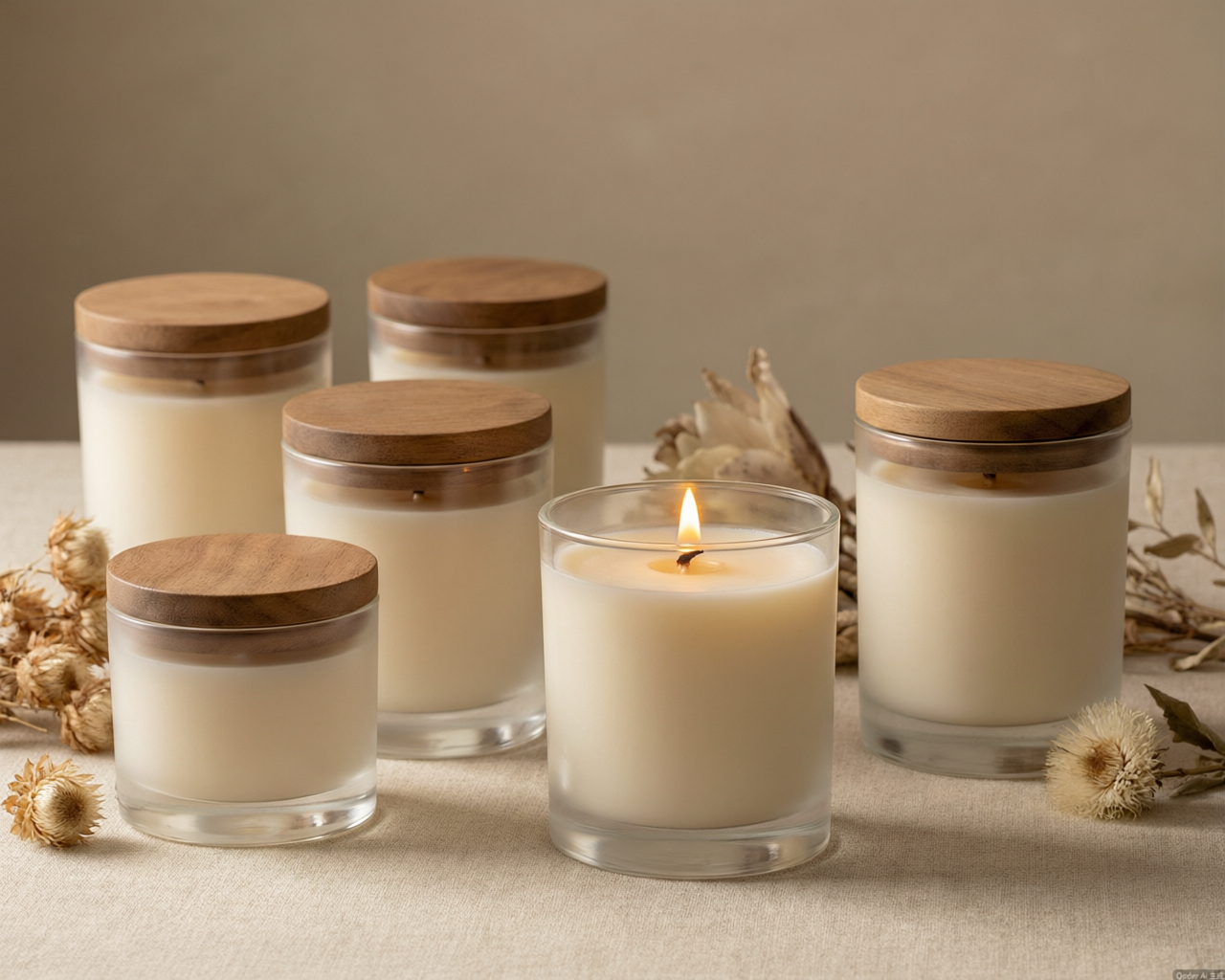
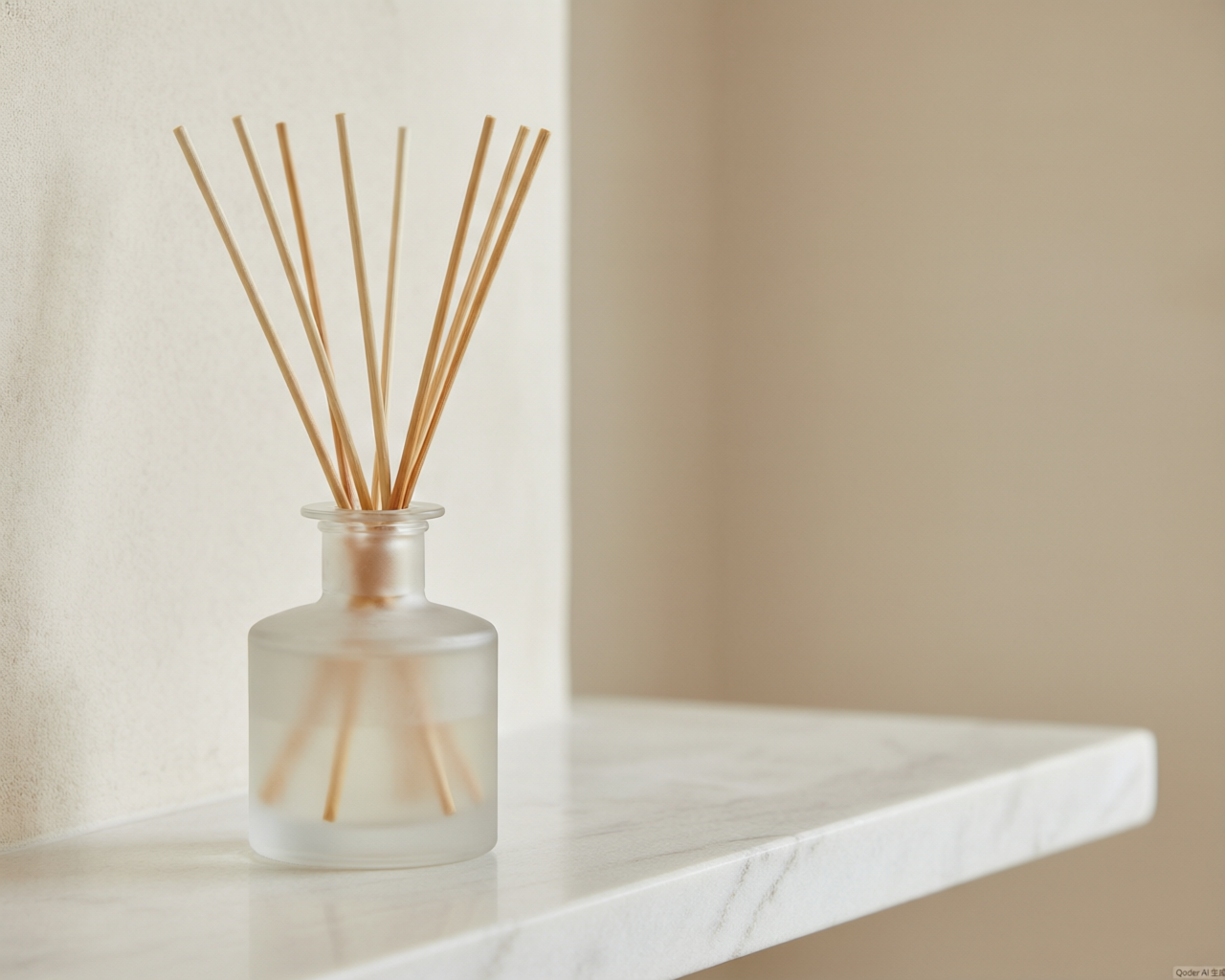
Traditional home fragrance formats are being repositioned as wellness products. Candles formulated with essential oil blends and marketed for specific wellness benefits (evening relaxation, morning energy) command premium pricing compared to purely decorative candles. Similarly, diffuser products are being sold as wellness tools rather than home decor items.
The key differentiation is formulation credibility. Wellness-positioned products need to deliver genuine aromatherapeutic benefit, which requires meaningful essential oil concentrations rather than trace amounts added for marketing claims.
Topical and Personal Care Crossovers
The aromatherapy category increasingly overlaps with personal care: roll-on blends, massage oils, bath products, and pillow mists. Buyers with access to manufacturing partners who can produce across these formats can build comprehensive wellness brands rather than single-product lines.
Subscription and Ritual Kits
Curated kits that guide consumers through aromatherapy rituals (a sleep kit with pillow mist, evening candle, and breathing guide; a focus kit with desk diffuser and energizing blend) are performing well in D2C channels. These kits increase average order value and provide an entry point for customers new to aromatherapy.
Sourcing and Quality Considerations
Essential Oil Quality and Authentication
The aromatherapy market has a significant quality problem. Adulterated, diluted, and synthetic products marketed as pure essential oils are widespread. Buyers entering this space must verify supplier quality through documentation: GC/MS reports, country of origin certificates, organic certifications, and batch traceability.
Regulatory Compliance
Aromatherapy products occupy a complex regulatory space. Products marketed with therapeutic claims may face different regulatory requirements than those marketed as home fragrance. Buyers should work with manufacturers who understand the regulatory landscape in target markets and can help position products appropriately to avoid compliance issues.
Stability and Shelf Life
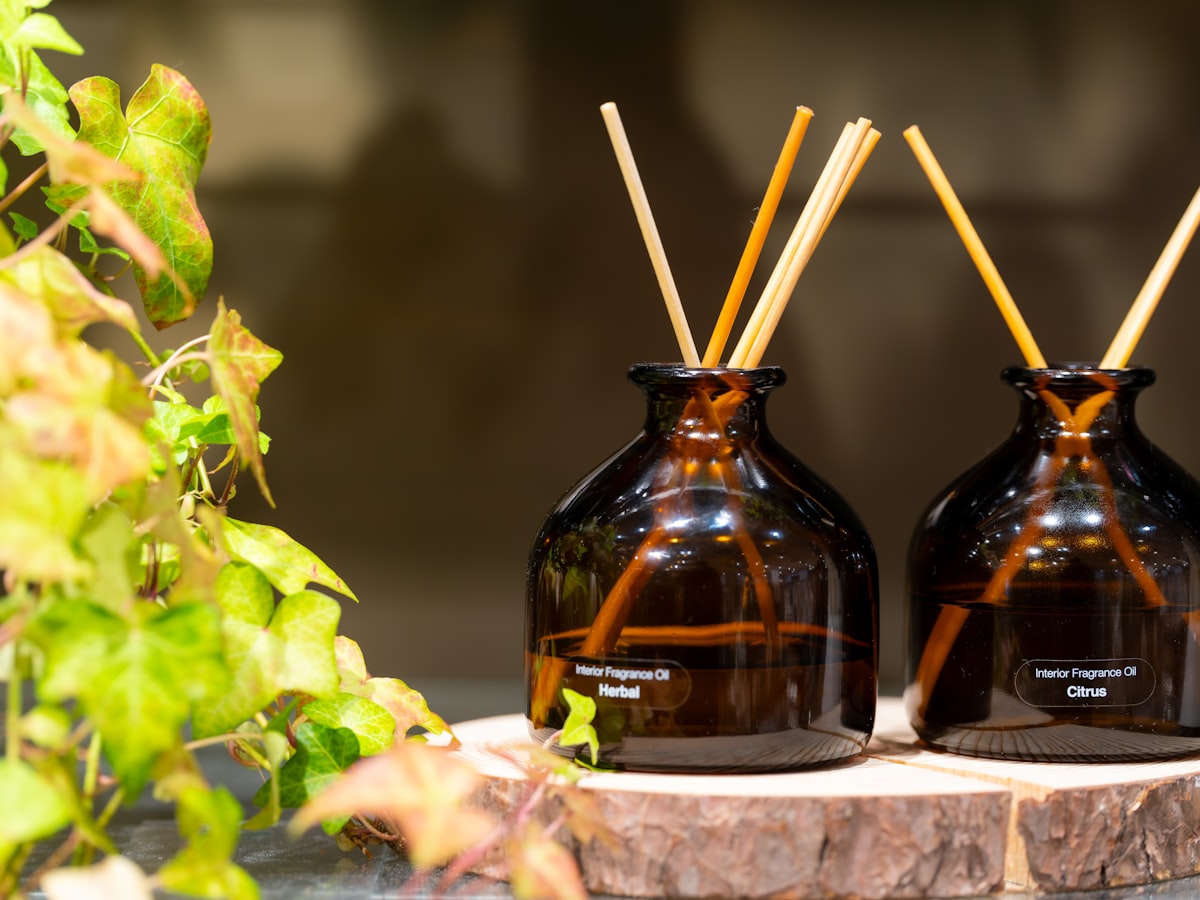
Essential oil-based products have different stability profiles than synthetic fragrance products. Oxidation, light sensitivity, and temperature sensitivity can affect product quality. Manufacturers need appropriate storage, packaging (dark glass, airtight closures), and formulation expertise to ensure products maintain quality through their shelf life.
Sustainability and Ethical Sourcing
Wellness consumers are highly sensitive to sustainability and ethical sourcing narratives. Essential oil production can involve significant agricultural resources (large quantities of plant material for small oil yields), and some species face sustainability pressure. Buyers should verify that their manufacturing partners source from sustainable, ethically managed supply chains.
Building an Aromatherapy Product Strategy
Buyers entering the aromatherapy space should begin by defining their positioning: pure therapeutic grade, wellness lifestyle, or accessible self-care. Each positioning implies different quality levels, price points, and manufacturing requirements. Partner with a manufacturer who has demonstrated expertise in essential oil handling, functional formulation, and the documentation standards that wellness consumers expect.
At Aromiso, we produce aromatherapy candles, essential oil blends, diffuser products, and wellness-focused home fragrance for brands worldwide. Our quality systems include essential oil authentication, stability testing, and the documentation frameworks that wellness-positioned products require.