Marketing & Sales
Trade Show Booth Design for Fragrance Brands: Layout & Scent Stations
Esta guía aún no está disponible en español. La estás viendo en inglés.
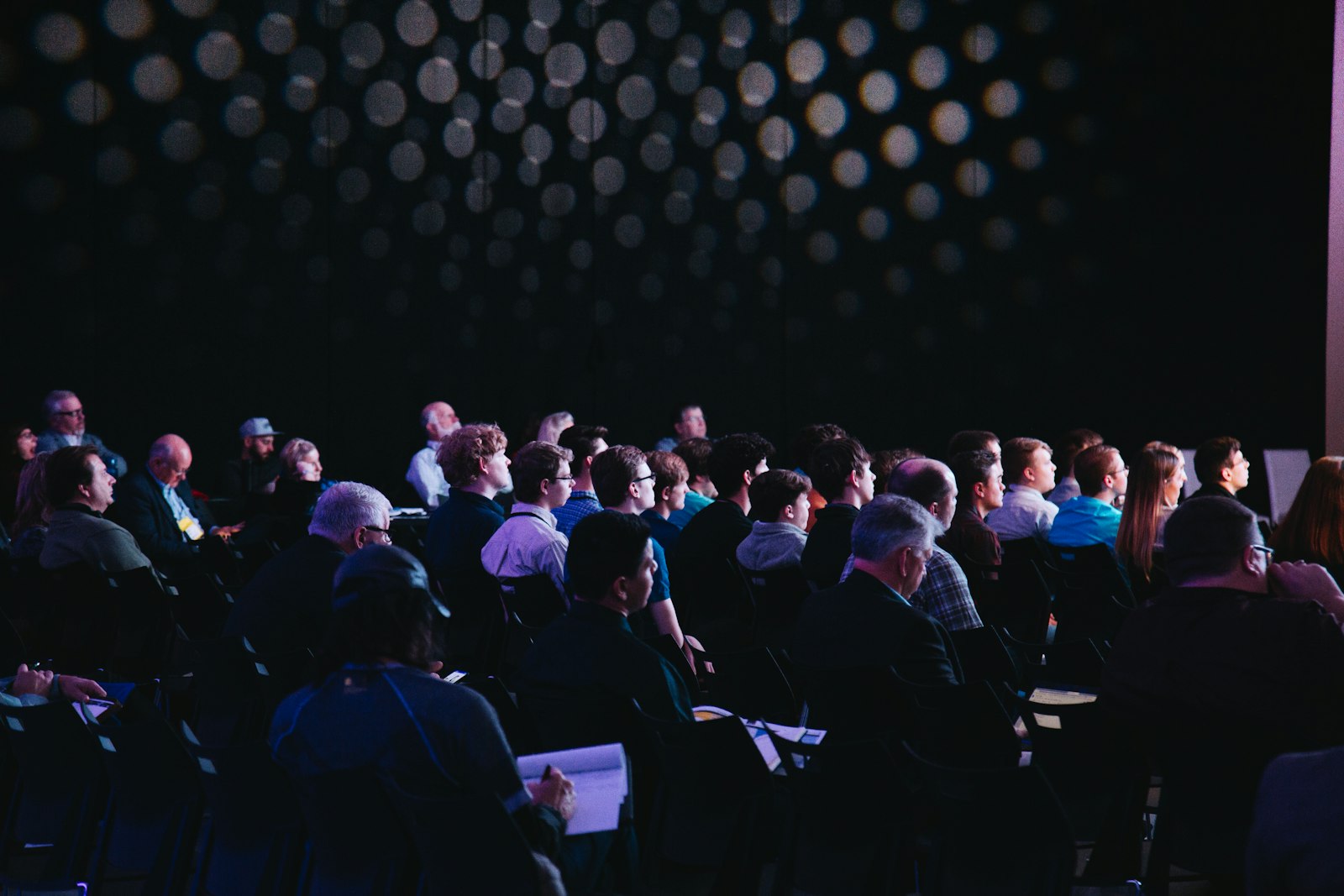
Every year, fragrance brands spend $8,000 to $45,000 on a single trade show booth — and most of that investment is wasted within the first 90 seconds. A buyer walking the floor at Maison et Objet, Canton Fair, or the Hong Kong Houseware Fair makes a subconscious decision to stop or keep walking in under three seconds. For fragrance brands, that decision is driven by two things: whether the booth layout signals professionalism, and whether a scent reaches them before they read a single word on your signage. If your candle booth design treats fragrance as an afterthought rather than the primary engagement tool, you are competing on price alone against hundreds of identical white-label suppliers.
The specific challenge for fragrance exhibitors is olfactory fatigue and cross-contamination. Place six reed diffuser collections on a single table and buyers smell nothing after 30 seconds. Stack scented candles too close together and the warm wax notes muddle into an indistinguishable sweetness. This guide breaks down how to engineer a fragrance trade show booth that controls scent delivery, guides buyer movement through product categories, and converts foot traffic into qualified OEM and private-label inquiries — with real cost ranges and a planning timeline you can work backward from your next confirmed show date.
Booth Size Selection and Space Planning
Choosing booth dimensions is a budget decision disguised as a design decision. The three standard configurations at most international trade shows are 3x3 m (9 sqm), 3x6 m (18 sqm), and 6x6 m (36 sqm). For a fragrance brand displaying 30 to 80 SKUs across reed diffusers, candles, essential oils, and car fragrances, the minimum viable footprint is 18 sqm. Below that, you cannot separate scent zones adequately.
- 9 sqm (3x3 m): Suitable for a single product line only — for example, a focused candle booth design with 12 to 20 SKUs. Budget $3,500 to $6,000 for build-out. Limit scent stations to one.
- 18 sqm (3x6 m): The working standard for mid-size fragrance OEMs. Accommodates 3 distinct scent stations, a negotiation table for 4, and wall-mounted shelving for 50+ SKUs. Budget $7,000 to $14,000.
- 36 sqm (6x6 m): Allows a full sensory journey layout with entry scent corridor, 4 to 5 product zones, a private meeting area, and a demo counter for live candle-pouring or blending. Budget $16,000 to $40,000.
At Canton Fair Phase 2, a standard 9 sqm raw space booth costs approximately $1,200 to $1,800 in space rental alone. At Maison et Objet Paris, the same footprint runs $2,800 to $4,500. Factor space rental into your total before allocating design budget.
Scent Station Design and Olfactory Zoning
A scent station is a controlled sampling point where buyers experience one fragrance family at a time without interference from adjacent products. The engineering principle is simple: isolate, ventilate, and reset. Each station needs a minimum 1.2 m buffer zone from the next station, and ideally a small directional fan (0.5 W USB fans work) pushing scent toward the buyer rather than allowing it to drift across the booth.
For a typical trade show display fragrance layout with 18 sqm, configure three stations:
| Station | Product Focus | Scent Delivery Method | Reset Mechanism | Cost per Station |
|---|---|---|---|---|
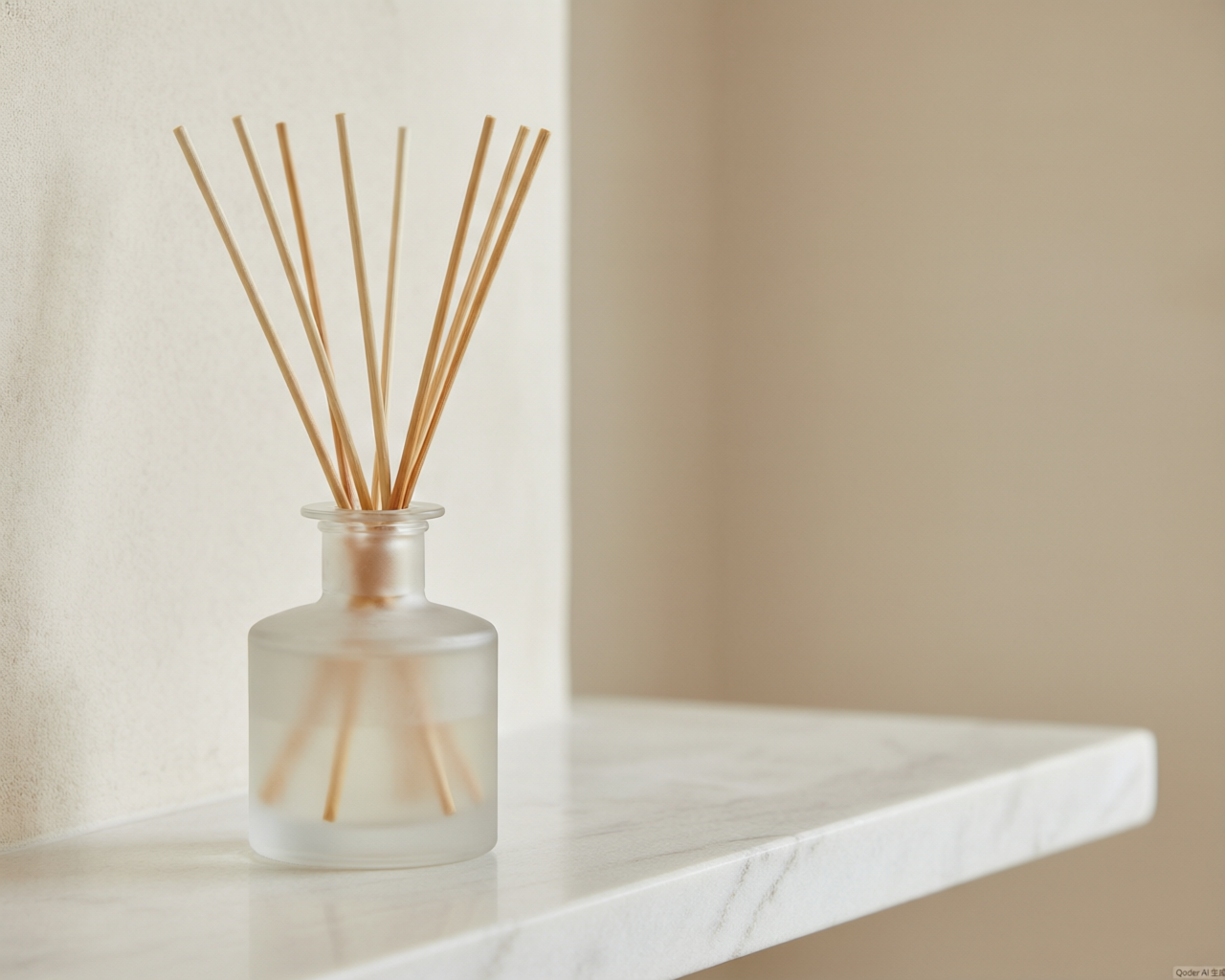
| Station 1 | Reed diffusers (floral, citrus) | Passive evaporation from 3 open bottles on risers | Coffee bean jar + 20-second pause gap | $180 - $350 |
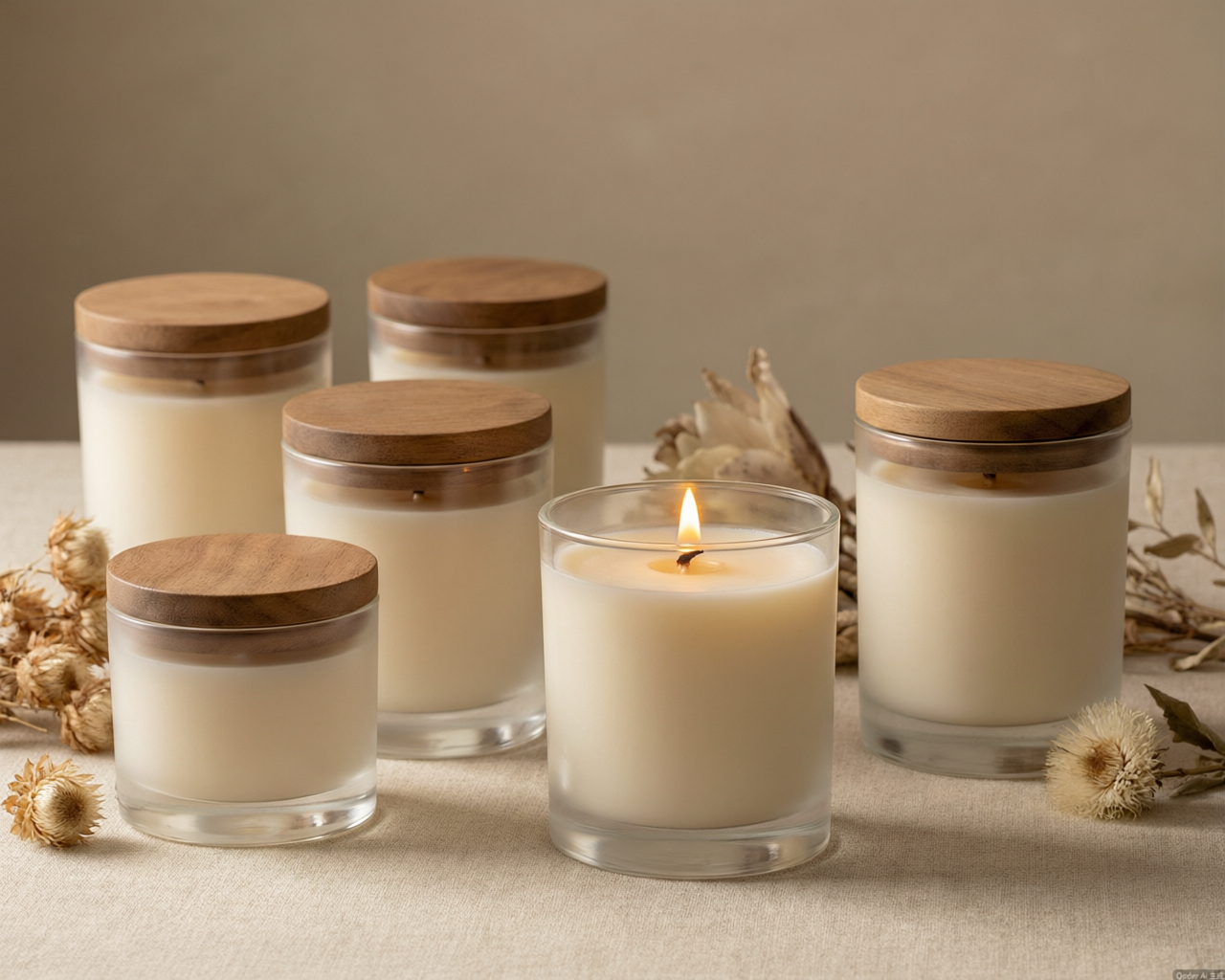
| Station 2 | Scented candles (woody, gourmand) | 1 lit candle under a glass cloche, lifted on request | Cloche containment + ventilation gap | $220 - $400 |
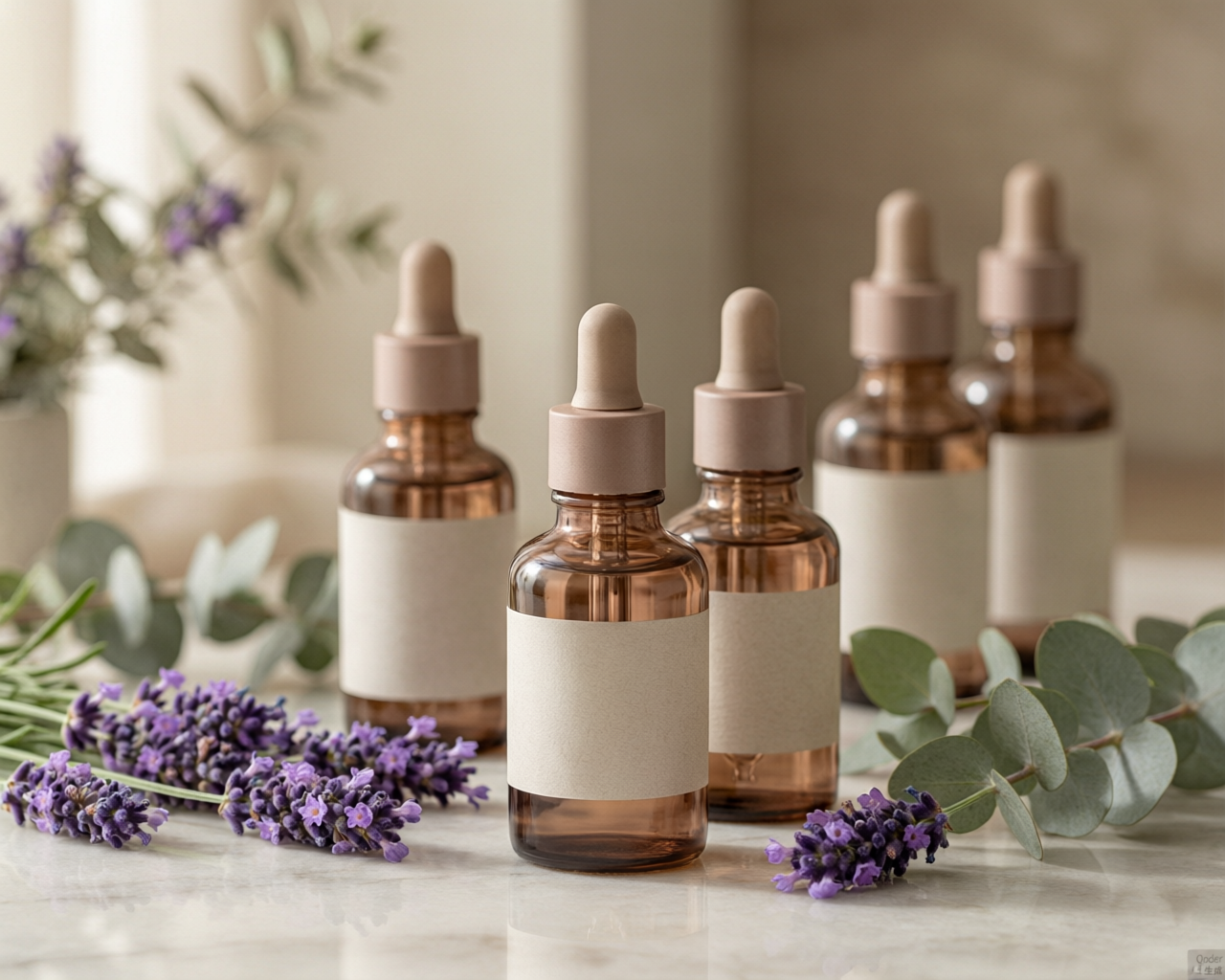
| Station 3 | Essential oils and car fragrances | Blotter strips dipped on demand | Sealed bottles, single-use strips | $120 - $280 |
- Never pre-light more than one candle in an enclosed booth space. Two burning candles in 18 sqm will saturate the air within 10 minutes and eliminate all scent differentiation.
- Use blotter strips for oils rather than open bottles. A buyer can evaluate 8 to 10 oil blends via strips without olfactory overload, versus 3 to 4 maximum from open bottles.
- Position scent stations along the booth perimeter, not the center. This forces buyers to step inside your space rather than sampling from the aisle and moving on.
Traffic Flow and Buyer Journey Mapping
Design your fragrance trade show booth for a clockwise flow. Trade show research from the Center for Exhibition Industry Research consistently shows 70% to 80% of visitors turn right upon entering any space. Place your highest-margin or newest product line immediately to the right of the entry point.
Structure the journey in four stages:
- Attract (aisle-facing edge): A single hero display — for example, a 1.5 m tall pyramid of your best-selling reed diffuser in branded packaging. No text smaller than 72 pt. One clear value proposition: “Private-label reed diffusers, 500-unit MOQ, 25-day lead time.”
- Engage (first scent station): The buyer steps in to smell. A staff member initiates conversation within 10 seconds. Provide a printed scent menu card listing all available fragrance families.
- Evaluate (product wall and negotiation table): Shelving displays full range by category. The table holds spec sheets, MOQ tables, and sample kits. This is where procurement managers ask about pricing tiers, certifications (IFRA, MSDS, CLP), and packaging customization.
- Convert (exit point): A takeaway sample bag with 2 to 3 mini products, your catalog QR code, and a business card. Capture contact information before they leave — a tablet signup form converts at roughly 35% versus 12% for a paper business card drop.
Display Fixtures and Materials
For a candle booth design, material choice affects both aesthetics and shipping logistics. If you are exhibiting internationally and shipping fixtures from China, weight and flat-pack capability matter enormously.
- Acrylic risers and cubes: $8 to $25 per piece, lightweight, flat-packable. Ideal for elevating reed diffuser bottles at varying heights. Order in clear or frosted white to keep focus on product color.
- Bamboo or birch plywood shelving: $40 to $120 per linear meter from Guangdong suppliers. Warm, natural aesthetic pairs well with soy candle branding. Specify 18 mm thickness minimum for load-bearing shelves holding glass vessels.
- MDF with matte laminate: $25 to $60 per panel. The budget option for back walls and counter fronts. Specify matte finish — gloss shows fingerprints under trade show lighting within one hour.
- Metal wire grid panels: $15 to $35 per 1x1 m panel. Useful for hanging car fragrance cards, sachets, and small boxed items. Attach with S-hooks for reconfiguration between show days.
If you source products through an OEM program, ask your manufacturer whether they provide branded display kits. Many Chinese fragrance OEMs, including Aromiso, offer complimentary or low-cost branded risers, acrylic holders, and printed backdrops for orders above 2,000 units. This can save $800 to $2,000 in fixture costs.
Lighting and Sensory Amplification
Lighting is the most under-budgeted element of a fragrance trade show booth. Standard venue overhead lighting is typically 500 to 750 lux of flat fluorescent or LED panel light — it flattens product color, creates no depth, and makes glass vessels look dull.
- Add 3000K warm-white spotlights at a 30-degree angle onto each scent station. This makes amber glass glow and highlights wax texture in candles. Budget $150 to $400 for a 4-light clamp kit with dimmers.
- Use LED strip lighting under shelves (12V, 60 LEDs/meter, $6 to $12 per meter) to create depth on product walls. Warm white for candles and diffusers; cool white (5000K) only if your branding is clinical or minimalist.
- Avoid colored RGB lighting unless it matches your exact brand palette. Purple or blue uplighting distorts fragrance liquid color and makes buyers question product accuracy.
- Bring a portable dimmer pack. Venue power is often single-circuit. A 4-channel dimmer ($80 to $150) lets you adjust without calling an electrician at $95/hour.
Budget Allocation and Cost Control
For a procurement manager planning a full trade show display fragrance presence, here is a realistic budget breakdown for an 18 sqm booth at a mid-tier international show:
| Category | Low Estimate | High Estimate | Notes |
|---|---|---|---|
| Space rental (18 sqm) | $2,000 | $5,500 | Varies by show and city |
| Booth construction and fixtures | $3,500 | $9,000 | Flat-pack from China saves 40% vs. local build |
| Lighting and electrical | $400 | $1,200 | Includes venue power surcharge |
| Printed materials (backdrop, signage, catalogs) | $600 | $1,800 | Fabric backdrops ship lighter than PVC |
| Product samples and giveaways | $500 | $2,000 | 200 to 500 mini units |
| Staff travel and accommodation (2 people, 5 days) | $2,500 | $6,000 | Flights, hotel, per diem |
| Shipping and logistics | $800 | $2,500 | Sea freight for fixtures; air for samples |
| Contingency (10%) | $1,030 | $2,800 | Always include this |
| Total | $11,330 | $30,800 |
To control costs, order branded fixtures and display materials together with your product shipment. Aromiso consolidates display kits into product cartons at no extra handling charge for product catalog orders above 1,000 units, eliminating a separate freight shipment.
Pre-Show Timeline and Checklist
Work backward from show day. A 12-week timeline is the minimum for an international fragrance trade show booth sourced from China.
- Week 12 to 10: Confirm booth size and location. Finalize layout sketch. Order fixtures and printed materials from your supplier. Request venue electrical and rigging specifications.
- Week 9 to 7: Produce sample kits and giveaway units. Confirm product labels meet destination-country regulations (CLP for EU, FDA for US). Book freight — sea freight from Shenzhen to Europe takes 28 to 35 days.
- Week 6 to 4: Receive and inspect all fixtures. Test-assemble the booth in your warehouse. Photograph the setup for your team reference. Confirm travel documents and visas.
- Week 3 to 2: Ship product samples via air freight (5 to 7 days). Print final signage if any pricing or SKU changes occurred. Prepare staff briefing documents: talking points, pricing sheets, competitor positioning.
- Week 1: Pack a carry-on emergency kit: spare blotter strips, lighter, coffee beans, double-sided tape, cable ties, a backup USB with all print files, and 20 extra business cards per staff member per day.
- Show day minus 1: Arrive during setup hall hours. Allow 4 to 6 hours for an 18 sqm build. Test every light, confirm power load does not trip the circuit, and run a scent check — stand at the aisle edge and confirm your fragrance is detectable at 2 meters without being overwhelming.
Common Mistakes That Kill Fragrance Booth ROI
- Over-scenting the space. Burning 4+ candles or opening 10+ diffusers simultaneously creates olfactory chaos. Buyers associate the headache with your brand. Stick to the station protocol above.
- No clear MOQ and lead-time messaging. Procurement buyers scan for numbers. If your signage says “Premium Artisan Fragrances” but never mentions “MOQ 500 units” or “Samples in 7 days,” you attract hobbyists, not buyers.
- Ignoring ventilation requirements. Confirm with the venue whether your booth allows open flame. Many shows (especially in the US and Germany) prohibit lit candles entirely. Bring battery-operated warmers or rely on passive diffusion as your backup.
- Failing to capture leads digitally. A tablet CRM form with a sample-incentive (“Enter your email for a free 6-scent discovery kit shipped to your office”) captures 3x more qualified leads than a fishbowl for business cards.
- Shipping products without temperature protection. Scented candles and essential oils degrade above 45 degrees C. If your container sits in a port yard in July, specify insulated liners or ship via temperature-controlled air for sample quantities.
Next Steps
A well-designed fragrance trade show booth is a system, not a decoration. It controls how buyers encounter your scents, structures the conversation from curiosity to commercial terms, and differentiates your brand from the 40 other candle and diffuser suppliers in the same hall. The brands that win orders at shows are not the ones with the biggest budget — they are the ones that engineer the buyer experience with the same precision they apply to fragrance formulation.
If you are planning your next show and need product samples, branded display kits, or private-label packaging designed to perform under trade show conditions, start with the product catalog to shortlist your SKUs, review the OEM program for customization and display support options, then request a quote with your show date and booth dimensions. Aromiso’s team can provide a booth-ready product and fixture package with a confirmed production timeline matched to your freight window.