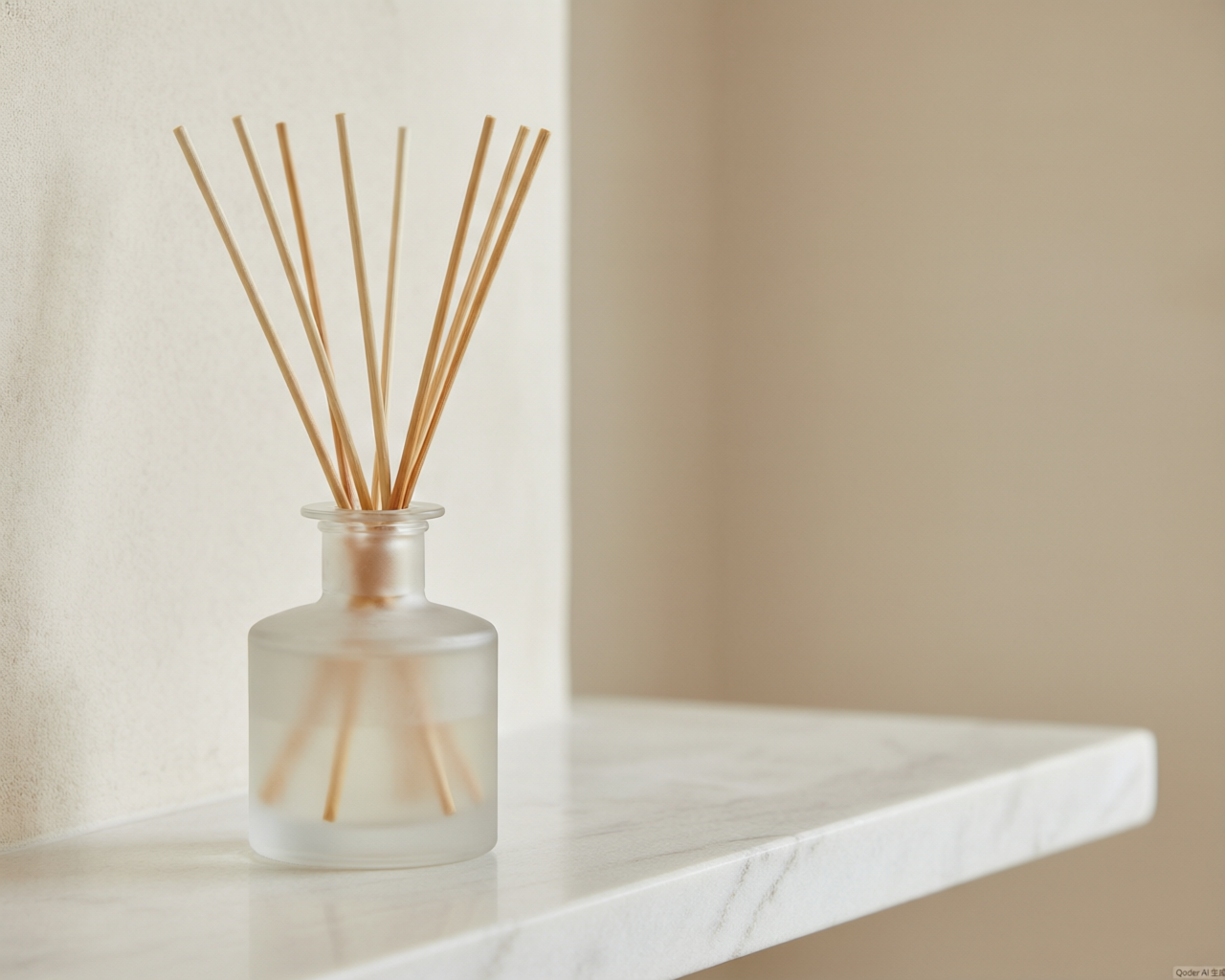
Market Entry
Selling Fragrance Products in Japan: Quality Standards & Distribution
Esta guía aún no está disponible en español. La estás viendo en inglés.
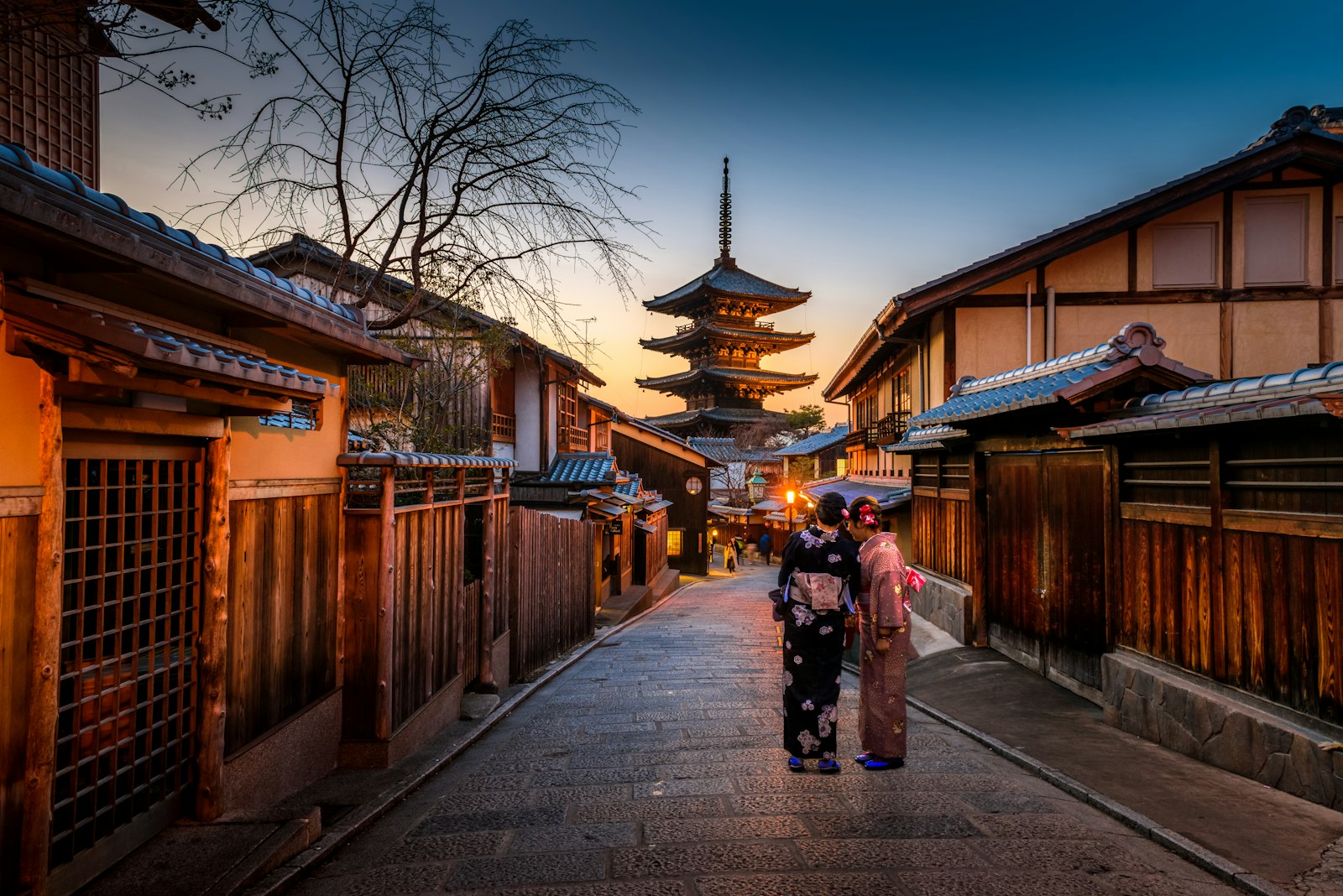
Japan rewards precision and punishes shortcuts. Buyers who treat it as “just another Asian market” usually discover the difference at customs — a mislabeled candle held for inspection, a reed diffuser rejected because the solvent documentation was incomplete, or a retail buyer who quietly drops the line after one shipment arrived with scuffed gift boxes. The japan fragrance market is large and growing, but it runs on trust, documentation, and a level of finish that many Western brands underestimate.
The opportunity is real. Japanese consumers spend among the highest per-capita amounts on home fragrance in Asia, and demand for reed diffusers, scented candles, and car fragrances has grown steadily as smaller urban apartments drive interest in compact, flame-free scenting. Yet the path in is narrow: strict labeling rules under the Household Goods Quality Labeling Act, fire-safety expectations for candles, and a distribution system dominated by a handful of powerful wholesalers and retail chains. This guide walks procurement teams and brand owners through what it actually takes to sell candles and fragrance in Japan — standards, costs, channels, and the supplier choices that make or margin.
Understanding the japan fragrance market
Before committing tooling and inventory, size the opportunity against your category:
- Market size — Japan’s home fragrance and air-care market is valued at roughly USD 1.5–2 billion at retail, with the decorative home scent segment (candles, diffusers, room sprays) growing in the mid-single digits annually.
- Channel mix — Specialty lifestyle chains (Loft, Tokyu Hands, Muji, Plaza), drugstore chains (Matsumoto Kiyoshi, Welcia), department store basements, and Rakuten/Amazon Japan together account for the majority of branded sales. Convenience stores dominate impulse and seasonal items.
- Consumer behavior — Japanese buyers favor subtle, single-note, or “clean” scents (citrus, hinoki, green tea, white floral) over the heavy gourmand profiles that sell in North America. Packaging finish matters as much as the fragrance itself.
- Seasonality — Gift peaks cluster around Ochugen (July), Oseibo (December), Valentine’s/White Day (February–March), and Mother’s Day (May). Plan production 4–5 months ahead of these windows.
A useful first test: list your top five SKUs and score each on scent subtlety, packaging giftability, and price point against the JPY 1,500–4,000 sweet spot that dominates specialty retail.
Regulatory framework: what applies to what
Japan does not regulate decorative candles and reed diffusers as cosmetics, which simplifies entry — but several laws still apply, and they differ by product type:
| Product | Primary regulation | Key obligation |
|---|---|---|
| Scented candles | Fire Service Act + Household Goods Quality Labeling Act | Flame-safety labeling; quality label (composition, net content, importer) in Japanese |
| Reed diffusers | Household Goods Quality Labeling Act; Fire Service Act if solvent is flammable | Japanese quality label; flammable-liquid handling markings where applicable |
| Essential oils (aroma use) | Household Goods Quality Labeling Act | Japanese label; avoid cosmetic or therapeutic claims |
| Essential oils (skin/cosmetic claims) | PMD Act (Pharmaceuticals and Medical Devices Act) | Cosmetics manufacturing/marketing license required — avoid unless licensed |
| Electric/USB diffusers | Electrical Appliance and Material Safety Act (PSE) | PSE mark and conformity required for powered units |
The single most common mistake is claim drift: marketing copy that implies relaxation, sleep, or skin benefits can reclassify an aroma product under the PMD Act, triggering licensing you do not have. Keep all claims to “fragrance for the home” and review every label, insert, and web description before printing.
Labeling and the Household Goods Quality Labeling Act
Every consumer unit sold in Japan needs a Japanese-language quality label. For candles and diffusers, the label must typically include:
- Product name and intended use — stated plainly in Japanese.
- Composition / ingredients — wax type, fragrance, solvent base, and any hazardous components disclosed.
- Net content — weight or volume in metric units.
- Country of origin — “Made in China” (or equivalent) is acceptable and common.
- Importer / distributor — the name, address, and phone number of the Japanese entity responsible for the product. This is non-negotiable; a foreign-only address will not pass.
- Safety warnings — flame and ventilation cautions for candles; keep-away-from-children and flammability notes for solvent-based diffusers.
Practical tip: have your Japanese label reviewed by your importer or a labeling consultant before mass production. A reprint of 10,000 gift boxes because of a wording error can cost more than the entire compliance review. Budget roughly JPY 30,000–80,000 for professional label drafting and review per SKU family.
Quality expectations: the Japanese standard
Japanese retail buyers and consumers apply a higher visual and consistency bar than most markets. Build these into your supplier spec sheet:
- Appearance tolerance — no visible sinkholes, frosting, cracks, or off-center wicks on candles; no scratches, bubbles, or print misalignment on glass and packaging. Agree an AQL of 1.0 for critical defects and 2.5 for major defects.
- Scent consistency — request signed reference samples and require batch-to-batch matching. Japanese buyers will reject a shipment that smells noticeably different from the approved sample.
- Packaging integrity — gift boxes must arrive pristine. Specify double-wall cartons, corner protection, and individual dividers. Sea freight humidity can warp boxes; ask for desiccants and moisture-barrier liners.
- Documentation — provide IFRA certificates, SDS (Safety Data Sheets) in a Japan-compatible format, and test reports. A supplier that cannot produce these on request is a red flag.
When you evaluate manufacturers, ask for their Japan-market track record specifically. Aromiso’s OEM program supports Japan-bound production with IFRA-compliant fragrance documentation, Japanese-ready label artwork coordination, and pre-shipment inspection to agreed AQL levels — see the product catalog for export-ready candle and diffuser formats.
Import process, duties, and landed cost
Candle import japan logistics follow a standard flow, but flammable solvents in reed diffusers add a dangerous-goods step:
- Classify your HS codes — scented candles typically fall under 3406 (candles); reed diffusers and fragrance preparations often fall under 3307. Confirm with your customs broker, as classification affects duty.
- Confirm duty and tax — Japan’s MFN tariff on candles is generally low (often 0–3.5%), and consumption tax is 10% applied on CIF value plus duty. Get a written estimate before ordering.
- Prepare dangerous-goods documentation — flammable diffuser solvents may require UN classification, a DG declaration, and compliant outer packaging and markings.
- File import notification — your customs broker files with Japan Customs; products are inspected against labeling and safety rules.
- Clear and deliver — after duties and consumption tax are paid, goods release to your warehouse or 3PL.
A realistic landed-cost build for a JPY 2,000 retail candle:
| Cost element | Typical range |
|---|---|
| FOB unit cost (China OEM) | USD 1.80–4.50 |
| Ocean freight + insurance (allocated) | USD 0.20–0.60 |
| Import duty (0–3.5%) | USD 0.05–0.20 |
| Consumption tax (10%) | Applied on CIF + duty |
| Customs brokerage + handling | USD 0.10–0.30 per unit (volume-dependent) |
Target a landed cost at or below 25–30% of retail price to leave room for wholesale margins and retail markup.
Distribution channels and how to reach them
Japan’s distribution is layered, and choosing your route shapes pricing and lead times:
- Direct to specialty chains — Loft, Tokyu Hands, Plaza, and Muji buy directly or through appointed agents. Expect rigorous product review, margin requests of 40–55%, and strict delivery windows. Best for established brands with Japanese-language support.
- Wholesalers / importers — trading companies and specialty importers handle customs, labeling, and channel placement for a margin or fee. The fastest route for newcomers; they typically take 20–35% but remove the need for a local entity.
- E-commerce first — Amazon Japan and Rakuten let you validate demand with lower upfront commitment. Use FBA Japan for fulfillment, but remember you still need a Japanese responsible importer of record.
- Department and gift channels — higher price tolerance but smaller volumes and demanding packaging standards.
For a first entry, the lowest-risk sequence is: validate 3–5 SKUs on Amazon Japan/Rakuten through an importer partner, then approach specialty chains with proven sell-through data.
Pricing, margins, and the wholesale ladder
Japanese retail pricing is disciplined and transparent. Build your ladder from retail backward:
- Retail price (tax-inclusive) — set against the JPY 1,500–4,000 specialty sweet spot.
- Retail margin — chains typically expect 40–55%.
- Wholesale/distributor margin — 20–35% on top of the chain’s buying price.
- Your landed cost — keep at or below ~25–30% of retail.
Worked example: a candle at JPY 2,750 retail, with a 50% chain margin, leaves JPY 1,375 to the distributor; a 30% distributor margin leaves you roughly JPY 960 (about USD 6.40) to cover landed cost, marketing, and profit. If your landed cost is USD 3.00, you retain healthy margin; if it is USD 5.50, the line is marginal. Run this math on every SKU before you commit.
Common mistakes and how to avoid them
- Skipping the responsible importer — you cannot legally sell without a Japanese importer of record named on the label. Line this up before production, not after.
- Over-scenting for the market — heavy, sweet profiles underperform. Reformulate toward lighter, cleaner notes and test with local panels.
- Underestimating packaging — a great candle in a mediocre box will not get shelf space. Budget for premium, gift-ready packaging from the start.
- Ignoring flammable-solvent rules — reed diffusers with flammable bases need DG-compliant documentation and packaging; missing this stalls shipments.
- Missing seasonal lead times — work backward 4–5 months from gift peaks; production plus ocean transit plus retail onboarding easily consumes that window.
Next Steps
Selling fragrance in Japan is a documentation-and-detail game. Get the labeling, the responsible importer, the scent profile, and the margin ladder right, and the market rewards consistency with long retail relationships and repeat orders.
To move forward this quarter:
- Score your top five SKUs against the JPY 1,500–4,000 sweet spot and Japanese scent preferences.
- Confirm HS codes, duty, and dangerous-goods status with a Japan customs broker.
- Engage a Japanese importer of record and draft compliant Japanese labels.
- Run the wholesale margin ladder on each SKU and cut any line that cannot hold a 25–30% landed-cost ratio.
When you are ready to source export-ready product, browse the product catalog, review the OEM program for Japan-compliant documentation and labeling support, and request a quote with your target SKUs, volumes, and timeline — you will receive FOB pricing, lead times, and a compliance checklist within two business days.