Packaging & Design
Packaging Drop Test & Transit Testing for Fragrance Products
Esta guía aún no está disponible en español. La estás viendo en inglés.
Why Transit Testing Matters for Fragrance Products
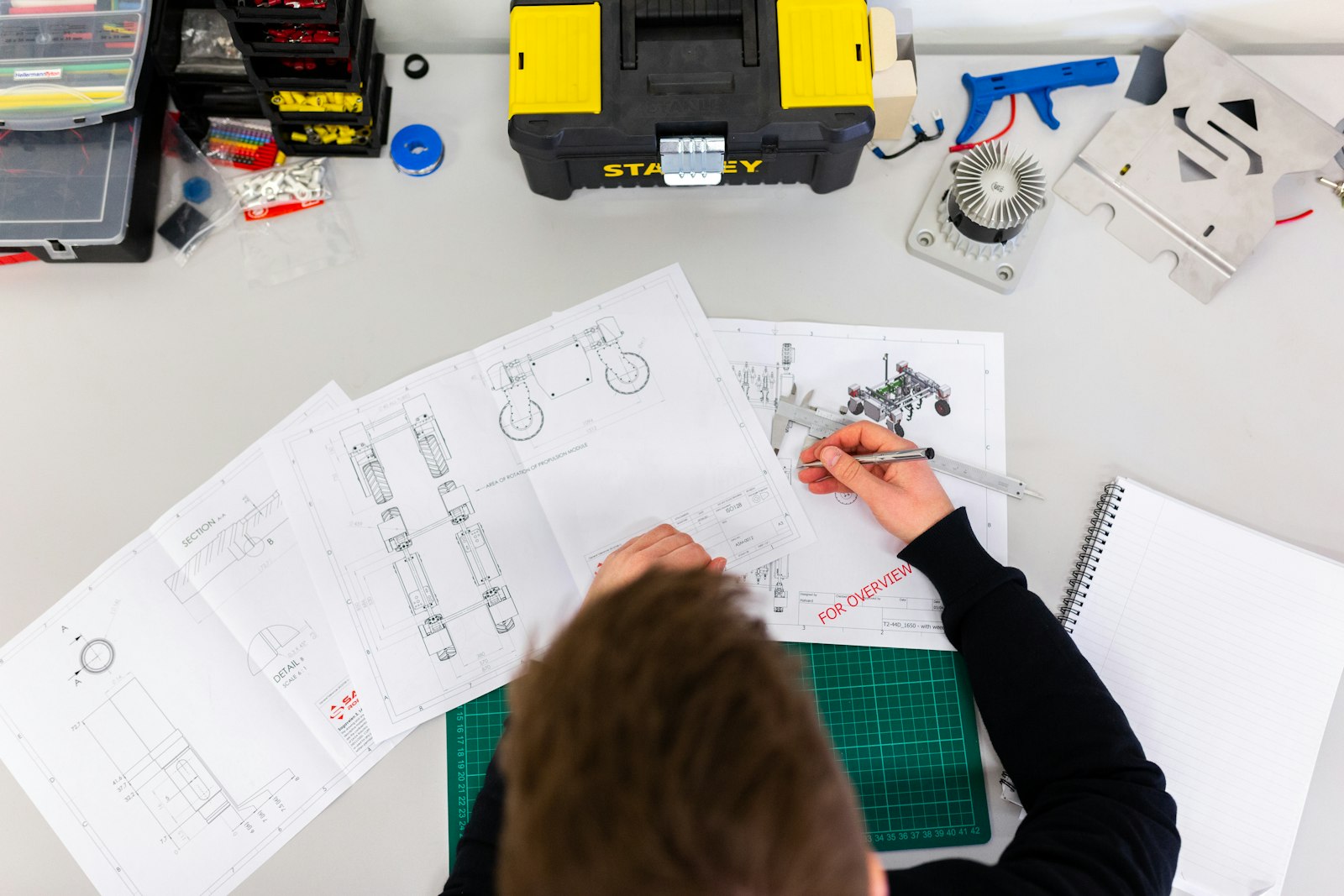
Fragrance products combine two packaging nightmares: fragile glass containers and hazardous liquid contents. A single broken bottle in a 500-unit shipment can contaminate the entire carton, trigger dangerous goods incident reporting, and result in carrier claims denial. Transit testing validates that your packaging system survives the real-world hazards of international shipping — drops, vibration, compression, and climate changes — before you commit to a production run.
For B2B buyers importing from China, transit testing is especially critical because shipments endure 28-40 days of ocean freight, multiple port handlings, and last-mile delivery. The cost of a failed package in transit ($15-50 per damaged unit plus claim administration) far exceeds the $300-800 cost of a pre-shipment lab test.
ISTA Test Protocols: Which One Applies?
The International Safe Transit Association (ISTA) maintains standardized test protocols. For fragrance products shipped internationally, two protocols are most relevant:
| Protocol | Application | Test Sequence | Typical Use Case |
|---|---|---|---|
| ISTA 3A | Packaged products shipped via parcel delivery (under 68 kg) | Climate preconditioning, random vibration, drop, compression | E-commerce orders, sample shipments, small B2B orders |
| ISTA 6A | Packaged products in LTL/TL freight (over 68 kg) | Vibration, shock, compression, climate | Full pallet/container B2B shipments |
| ISTA 1A | Basic integrity test (non-simulation) | Drop and vibration only | Quick screening, internal QC |
| ISTA 2A | Partial simulation | Drop, vibration, compression | Products with known shipping lane data |
Recommendation: Use ISTA 3A for individual cartons shipped via courier or LCL (less-than-container-load). Use ISTA 6A for full-pallet or full-container shipments. Most Chinese packaging labs are accredited for ISTA 3A; fewer hold 6A accreditation.
Drop Test: Heights and Procedures
Drop testing simulates the impacts packages receive during manual handling, conveyor transfers, and loading/unloading. The drop height is determined by package weight:
| Package Weight | Drop Height (ISTA 3A) | Drop Height (ISTA 6A) | Number of Drops |
|---|---|---|---|
| Under 10 kg | 76 cm (30 in) | 61 cm (24 in) | 10 (all faces, edges, corners) |
| 10-20 kg | 61 cm (24 in) | 46 cm (18 in) | 10 |
| 20-32 kg | 46 cm (18 in) | 38 cm (15 in) | 10 |
| 32-68 kg | 38 cm (15 in) | 30 cm (12 in) | 10 |
| Over 68 kg | N/A (use 6A) | 20 cm (8 in) | 6-10 |
Drop sequence (ISTA 3A, 10 drops):
- Corner (weakest corner, typically bottom)
- Three edges adjacent to that corner
- Six faces (bottom, top, longest side, shortest side, remaining two sides)
For fragrance products, the most critical drops are the corner drop and bottom face drop, which transmit the most shock to glass bottles through the insert/cradle system.
Vibration Testing
Vibration simulates truck, rail, and ship transport. Two methods apply:
Random Vibration (ISTA 3A)
- Duration: 60 minutes total
- Profile: ASTM D4728 random vibration spectrum
- Frequency range: 3-100 Hz
- PSD levels: 0.53 g²/Hz at 3-6 Hz, tapering to 0.25 g²/Hz at 100 Hz
- Axes: Vertical (primary), then horizontal at 90° rotation
Fixed Displacement Vibration (ISTA 1A/2A)
- Frequency: 2-5 Hz sweep
- Displacement: 25mm peak-to-peak
- Duration: 60 minutes or until 14,200 cycles
- Purpose: Screens for resonance issues in cap/closure systems
For fragrance products, vibration testing primarily reveals cap loosening and pump leakage issues. A cap torque of 8-12 N·cm that seems secure in static testing may back off after 60 minutes of vibration.
Compression (Stack) Testing
Compression testing verifies that bottom cartons survive the weight of stacked inventory in containers and warehouses:
| Parameter | Standard Value | Notes |
|---|---|---|
| Test method | ASTM D642 or ISTA procedure | Constant deflection rate of 12.5 mm/min |
| Duration | 72 hours (ISTA 3A) or until failure | Simulates long-term warehouse stacking |
| Load calculation | (Stack height - 1) x carton weight x safety factor | Safety factor: 2.0 for domestic, 3.0 for export |
| Typical load (5-high stack, 8kg cartons) | 32 kg + safety factor = 96 kg applied | Applied via compression plate |
A standard 20GP container stacks cartons 5-7 high. Your bottom-layer cartons must support 4-6 layers above them without deformation exceeding 10mm.
Climate Preconditioning
Before mechanical testing, packages are conditioned to simulate environmental exposure:
| Condition | Temperature | Humidity | Duration |
|---|---|---|---|
| Standard atmosphere | 23°C ± 2°C | 50% ± 5% RH | 24 hours |
| Tropical (optional) | 38°C ± 2°C | 85% ± 5% RH | 24 hours |
| Cold chain (if applicable) | -18°C ± 2°C | Ambient | 12 hours |
For fragrance products, the tropical precondition is important because container interiors on Asia-Europe routes can reach 55-65°C. Adhesive bonds (labels, box glue) and plastic components behave differently at elevated temperatures.
Failure Criteria for Fragrance Packaging
A package fails transit testing if any of the following occur:
| Failure Mode | Criticality | Common Cause |
|---|---|---|
| Glass breakage or cracking | Critical — automatic fail | Insufficient insert cushioning, thin glass walls |
| Cap loosening or detachment | Critical — leakage risk | Insufficient torque, vibration resonance |
| Pump leakage (>0.5ml) | Critical — DG incident risk | Crimp failure, gasket compression set |
| Label peeling or illegibility | Major | Adhesive failure under humidity |
| Box crushing (>25% deformation) | Major | Insufficient board grade, poor flute direction |
| Insert displacement | Minor (if no glass contact) | Tolerance gap between insert and bottle |
| Surface scuffing on box | Minor | Abrasion during vibration |
Zero-tolerance rule: Any glass breakage or liquid leakage is an automatic test failure requiring redesign, regardless of other results.
Lab Testing Costs and Turnaround
| Test Package | Cost (China labs) | Cost (EU/US labs) | Turnaround |
|---|---|---|---|
| ISTA 3A full protocol (per SKU) | $300-500 | $600-1,000 | 5-7 business days |
| ISTA 6A full protocol (per SKU) | $500-800 | $900-1,500 | 7-10 business days |
| Drop test only (10 drops) | $100-200 | $250-400 | 2-3 days |
| Vibration only (60 min) | $150-250 | $300-500 | 2-3 days |
| Compression test | $100-180 | $200-350 | 1-2 days |
| Climate conditioning (add-on) | $50-80 | $100-200 | +1 day |
Accredited labs in China: SGS (Shanghai, Shenzhen), Bureau Veritas (Guangzhou), Intertek (Shenzhen), TUV SUD (Guangzhou). Most factories in Guangdong can ship samples to a lab within 1-2 days.
Common Failures and Fixes
Based on testing data across hundreds of fragrance packaging programs:
- Cap loosening (35% of failures): Fix with thread-locking adhesive, increased torque spec (12-15 N·cm), or switch to crimp pump.
- Glass chipping at base (25%): Fix with thicker base glass (minimum 3mm), softer EVA insert (Shore A 20-30), or added corrugated bottom pad.
- Box corner crushing (20%): Fix with higher board grade (upgrade from 350gsm to 400gsm), double-wall corrugated shipping carton, or corner protectors on pallets.
- Label edge lift (12%): Fix with full-wrap PP label instead of paper, or switch to direct screen printing.
- Insert fatigue (8%): Fix with higher-density foam or switch from vacuum-formed PET to molded pulp with better memory.
When to Test
- New packaging design: Full ISTA 3A before first production run
- Material change (new glass supplier, different board): Drop test + vibration
- New shipping lane or carrier: Full protocol for first shipment
- Annual revalidation: ISTA 1A minimum to catch material drift
- Customer complaint (damage in transit): Full ISTA 3A investigation
Working with Aromiso
Aromiso includes ISTA 3A transit testing as part of our packaging validation process for all new designs, with test reports provided in English alongside your production samples. We coordinate testing at SGS or Bureau Veritas labs near our production facilities, typically completing full validation within 7 days. Our MOQ starts at 100 pieces, and we handle all export documentation including test certificates required by destination-country customs.