Essential Oils
Wholesale Essential Oil Storage and Handling
Esta guía aún no está disponible en español. La estás viendo en inglés.
Wholesale essential oil buyers often focus on price and fragrance profile before shipment, but quality loss after purchase is a common and avoidable cost. Light, heat, oxygen, and poor handling can change aroma, color, and chemical composition before the oil reaches your customers. This guide covers practical storage, handling, inspection, and traceability steps for international B2B buyers sourcing from factories like Aromiso.
Why Storage and Handling Decide Wholesale Quality
Essential oils are concentrated botanical extracts. They are not inert liquids. Many degrade when exposed to ultraviolet light, high temperature, or repeated contact with air. In wholesale volumes, small quality changes at container level can become costly across multiple downstream products. Hotels, spas, retailers, and brand owners depend on consistent aroma and shelf life. A single poorly handled drum can affect a full production batch.
Quality loss is not always visible immediately. Aroma may flatten, top notes may disappear, or the oil may become hazy or develop off-notes. These changes can reduce the value of your inventory, increase returns, or force you to rework finished goods. Good storage and handling are therefore part of your cost control, not just a compliance task. For more sourcing guidance, see our buyer resources.
Storage Requirements: Light, Temperature, Sealing, and Batch Control
Light
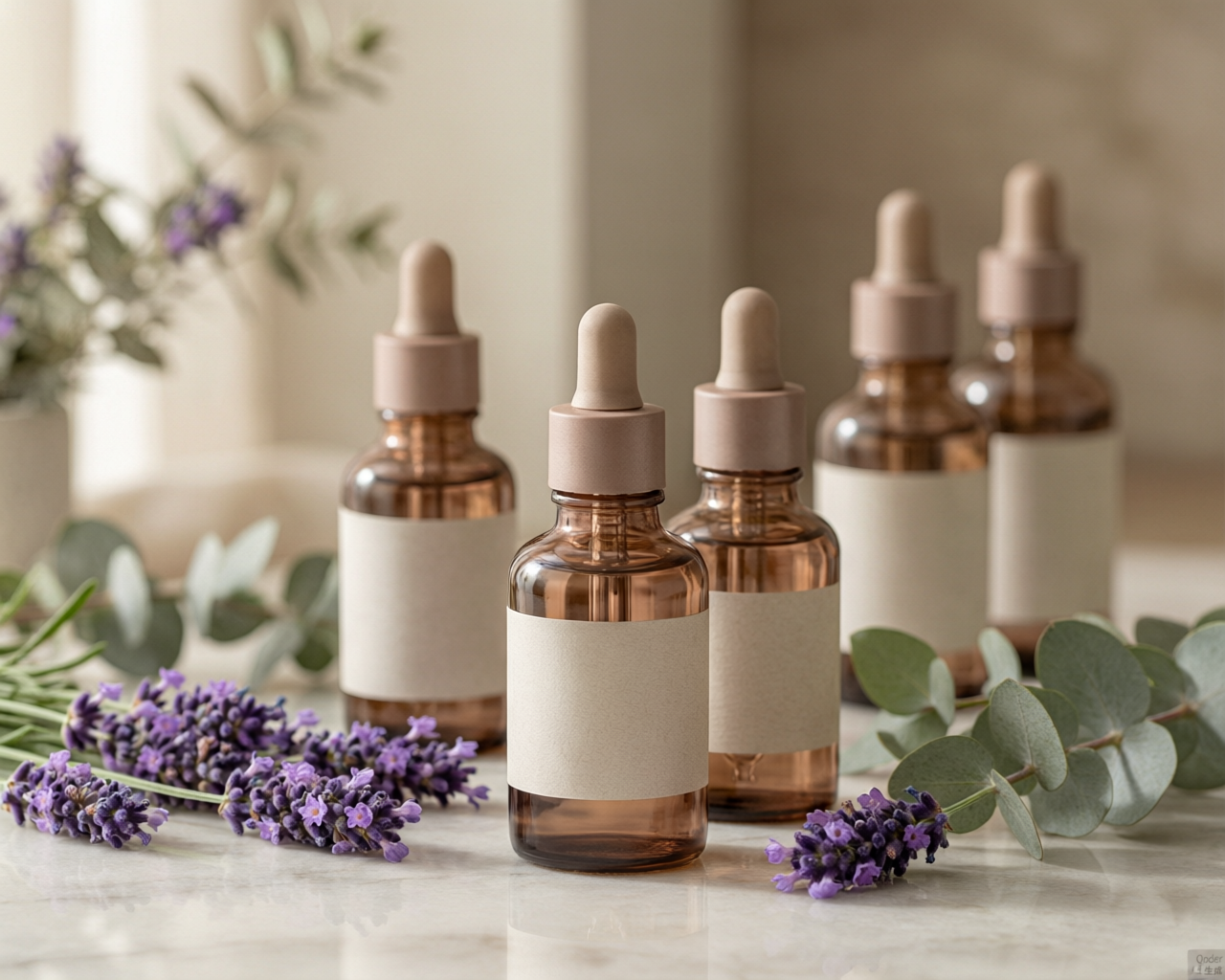
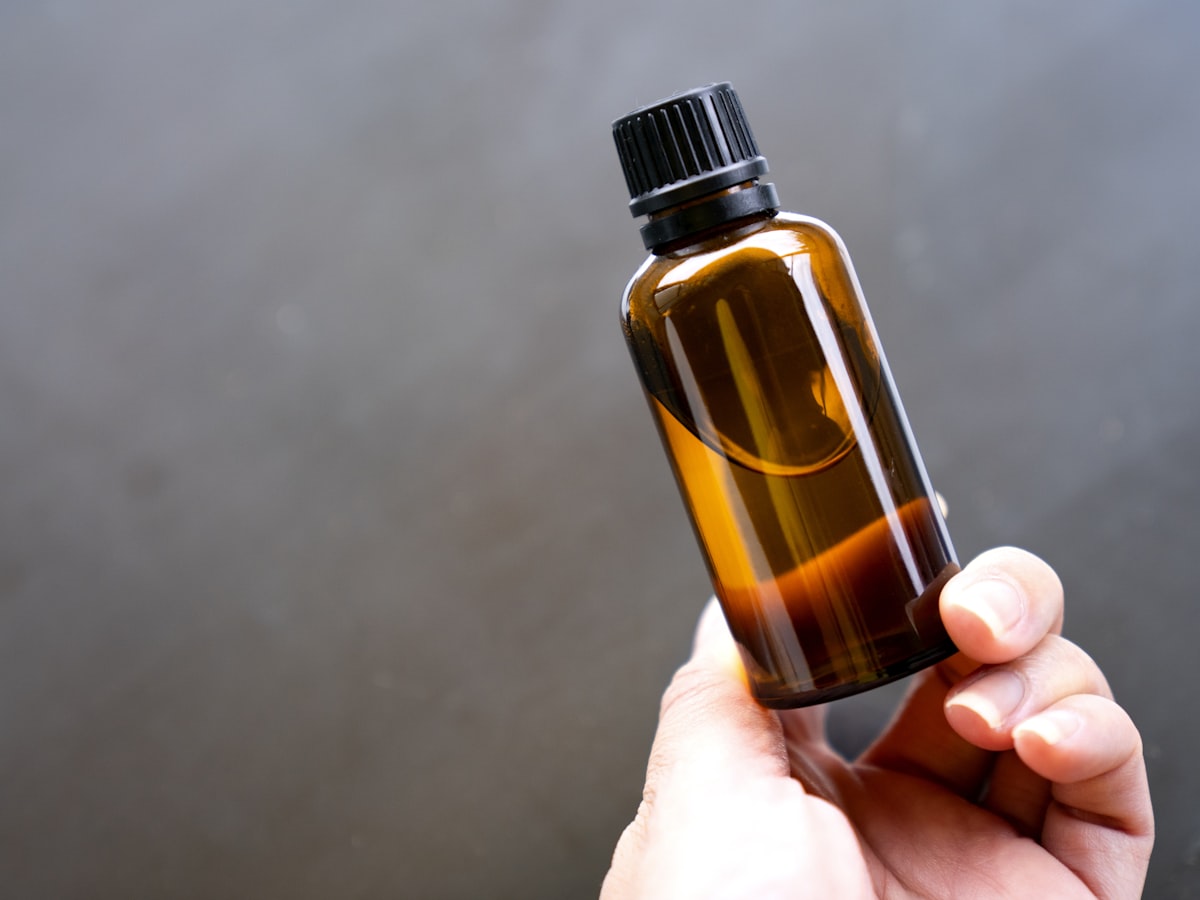
Store wholesale essential oils in dark glass, amber glass, aluminum, or epoxy-lined steel containers. Keep drums and bottles away from windows, skylights, and direct fluorescent lighting. If you store in a shared warehouse, use opaque covers or designated dark storage zones. Do not transfer oils into clear containers for long-term storage.
Temperature
Keep storage areas cool and stable. Avoid placing containers near boilers, ovens, steam lines, loading docks with direct sun, or uninsulated metal buildings that heat up during the day. Fluctuating temperatures can cause container expansion and contraction, which may draw in air or cause seals to fail. If your warehouse cannot maintain a stable temperature, store temperature-sensitive oils in a smaller insulated room or climate-controlled cabinet. Ask your supplier whether specific oils need cold or cool storage; citrus oils and some floral absolutes can be more sensitive.
Sealing
Oxygen is a major cause of oxidation. Keep containers tightly sealed when not in use. For drums and pails, use clean, compatible gaskets and close them immediately after sampling or dispensing. Avoid leaving partial containers open during shift changes. If you transfer oil to smaller containers, use clean, dry, opaque containers and fill them to minimize headspace. Record the transfer date and original batch code on every new container.
Batch Control
Always store and label by supplier lot or batch number. Keep each batch physically separated or clearly marked, even if the oil type is the same. This allows you to trace any quality issue back to a specific delivery and compare retained samples. This applies whether you receive two 25 kg drums or twenty 180 kg drums. Good batch control also prevents older stock from being used after newer stock, reducing the risk of age-related changes.
Inbound and Outbound Handling: Inspect, Sample, and Trace
Arrival Inspection Checklist
When a wholesale shipment arrives, complete these checks before accepting or moving goods:
- Compare the delivery note, commercial invoice, and packing list against the physical containers: product name, botanical name, lot number, quantity, and net weight.
- Check outer packaging for dents, punctures, crushed corners, or signs of forklift damage.
- Inspect every seal or closure. Look for wet spots, staining, or crystallization around caps and bungs.
- Note any unusual odor near the shipment. An odor outside the containers may indicate a leak.
- If any container is damaged or leaking, photograph it, isolate it, and notify the supplier or freight forwarder before further handling.
- Record the receiving date and storage location in your inventory system.
Do not accept a leaking drum into general storage. Even if the leak appears small, the remaining oil may be contaminated or oxidized. Keep it separate and raise a formal claim if needed.
Retained Samples
Retain a small sample from each wholesale lot or batch in a clean, sealed, light-protected vial. Label it with supplier, product, lot number, delivery date, and warehouse location. Store retained samples under the same conditions as the main stock. These samples are valuable when:
- A customer reports an off-note or color change.
- You need to compare a new delivery with a previous approved lot.
- A supplier questions whether a quality issue existed at the time of delivery.
Dispensing and Repacking
When you dispense into smaller bottles or blend containers, use clean, dry equipment. Avoid using the same funnel or pump for different oils without thorough cleaning, because cross-contamination can change aroma and cause customer complaints. Keep a written record of the source drum, target container, date, and operator. This supports traceability if a finished product is later found to be off-spec.
What to Ask Your Essential Oil Factory
Before you place a wholesale order, ask the factory these storage and handling questions. The answers help prevent quality disputes later.
- What packaging do you recommend for this oil for sea, air, or land transport?
- Do you provide a certificate of analysis or batch-specific documentation, and is the lot number on every container?
- What is the recommended storage temperature range for this oil after arrival?
- How long can the oil remain stable in the original sealed container, and what is the expected shelf life?
- What should I do if a container arrives damaged or shows signs of leakage?
- Can you supply retention samples or reference samples from the same production batch?
A factory that answers these clearly is easier to work with when an issue arises. At Aromiso, we support international B2B buyers with batch-level documentation and shipping advice. See our essential oil catalog for the oils we supply.
Common Pitfalls That Increase Loss and Deterioration
Avoid these mistakes to protect your wholesale inventory.
- Storing oils in clear bottles or clear secondary containers. Use amber or opaque packaging.
- Leaving drums in direct sunlight or next to heat sources, even for a few days. This can cause pressure build-up and seal failure.
- Using damaged or reused gaskets. A poor seal allows oxygen in and aroma out.
- Mixing partial lots without updating batch labels. This creates traceability gaps.
- Failing to keep retained samples. Without a sample, it is hard to prove when or where a quality problem started.
- Ignoring small leaks because the drum still appears mostly full. Leaks are a red flag for contamination and oxidation.
- Stacking heavy containers in a way that deforms lower drum closures. Follow the supplier’s stacking limits and use proper pallets.
Conclusion
Wholesale essential oil storage and handling is not complicated, but it requires discipline. Control light, temperature, oxygen, and batch identity at every step from receiving to dispensing. Inspect every arrival, keep retained samples, and document transfers. These practices reduce avoidable loss, keep your finished products consistent, and make supplier communication much easier when a quality question arises. For B2B buyers who want reliable sourcing and clear factory guidance, review our buyer resources or contact Aromiso to discuss your requirements.