Industry Verticals
Cruise Line & Hospitality Amenities: Scented Products at Scale
Esta guía aún no está disponible en español. La estás viendo en inglés.
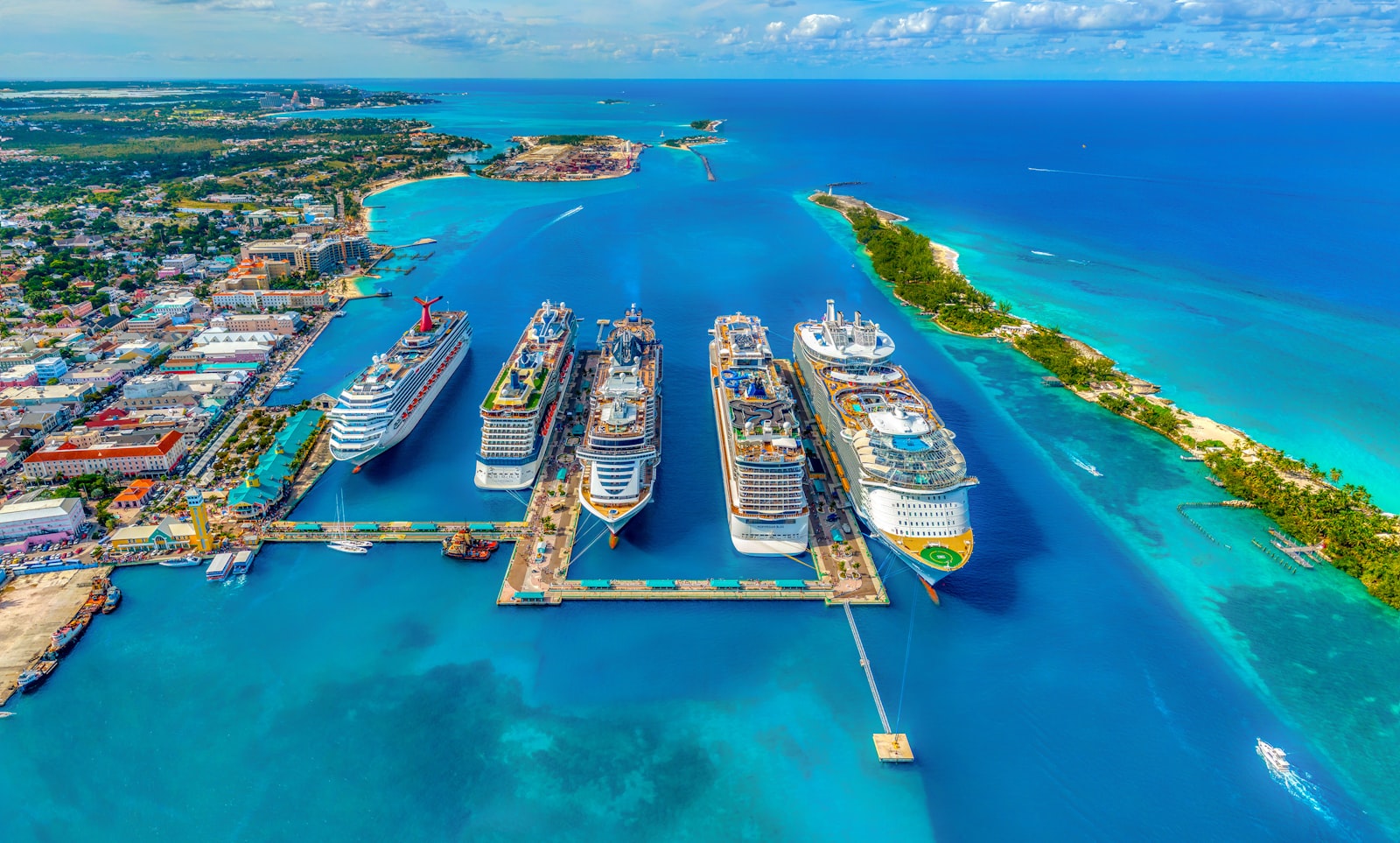
Procuring scented amenities for a cruise fleet or hotel group is not the same as buying retail fragrance products. A single mid-size cruise ship with 2,000 staterooms can consume 4,000 to 8,000 amenity units per week across cabin turndown gifts, spa retail, dining room ambiance candles, and public-area diffuser refills. Multiply that by a fleet of 10 to 20 vessels, add seasonal itinerary rotations, and you are managing a supply chain that demands consistent scent profiles, maritime-safe packaging, and delivery windows measured in days rather than weeks. Miss one sailing’s provisioning window and the cost is not a late fee — it is a degraded guest experience reviewed publicly by thousands of passengers.
The challenge intensifies when you factor in regulatory divergence. A hotel amenity candle sold in a Miami lobby shop must satisfy US CPSC labeling and ASTM standards, while the same product placed in a stateroom on a Bahamas-flagged vessel may need to comply with SOLAS fire-safety provisions that restrict open-flame items entirely. Procurement managers who treat cruise line amenities as a simple bulk purchase of hotel amenity candle stock routinely encounter customs delays, failed port inspections, and costly reformulations. This guide breaks down exactly how to scope, source, and manage hospitality scent products at fleet scale — with real cost ranges, timelines, and supplier evaluation criteria.
Understanding the Cruise and Hospitality Amenity Ecosystem
Before issuing an RFQ, map where fragrance products actually land in the operation. Cruise lines and hotel groups deploy scented products across at least five distinct zones, each with different specifications:
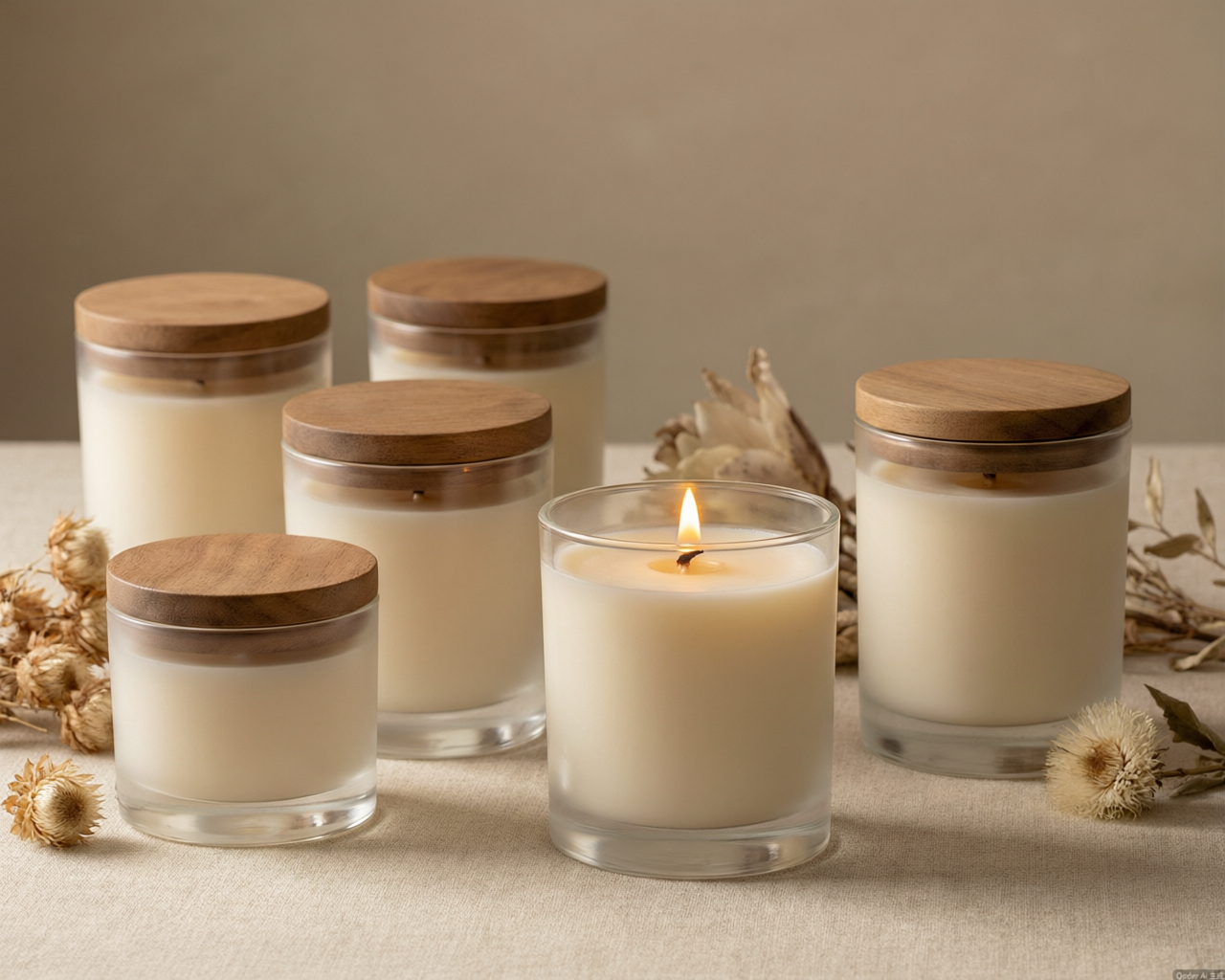
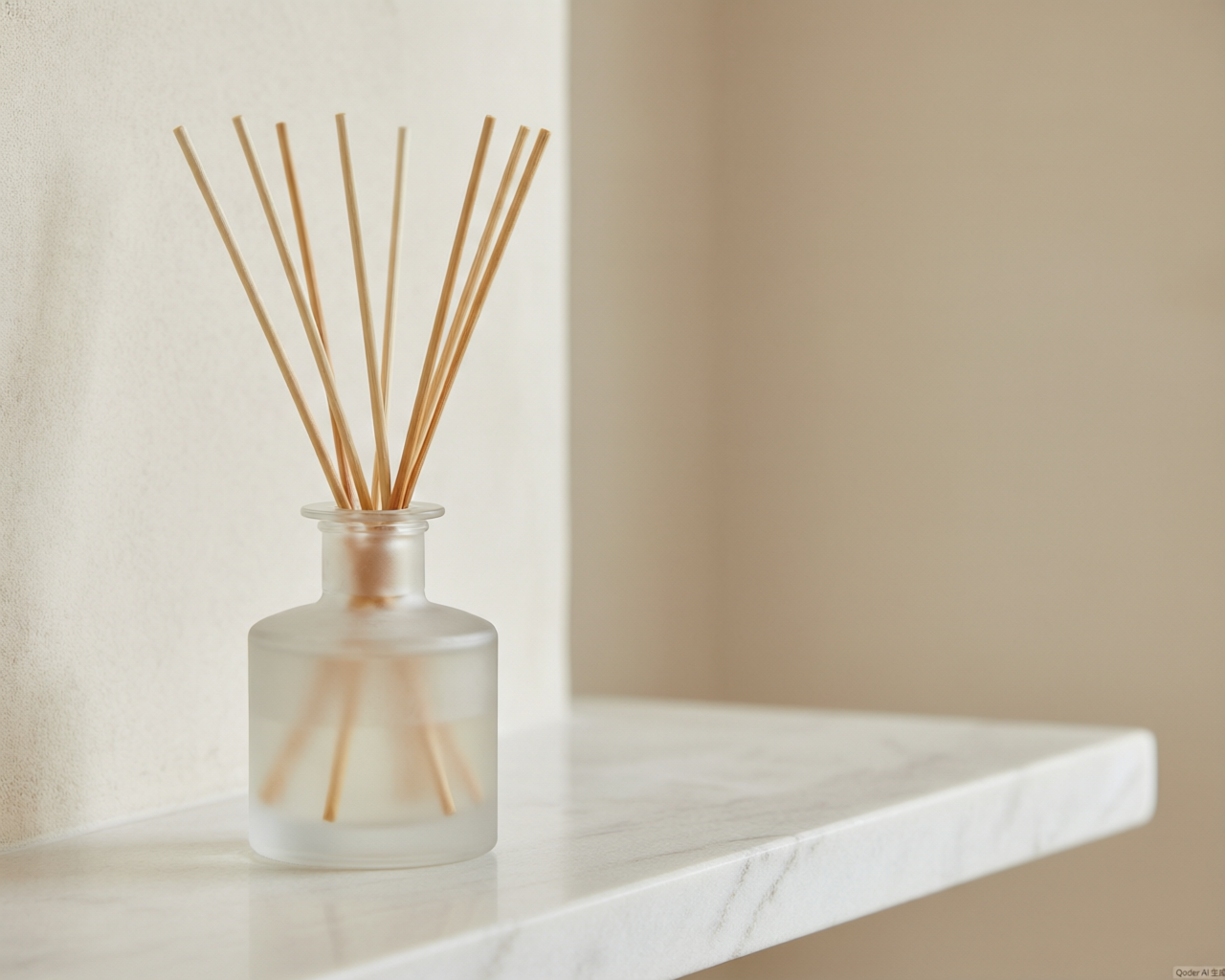
- Stateroom and guest-room turndown gifts — typically 30 ml to 50 ml reed diffusers, mini candles (70 g to 100 g), or sachets. Volume is the highest here: one unit per cabin per sailing or per stay.
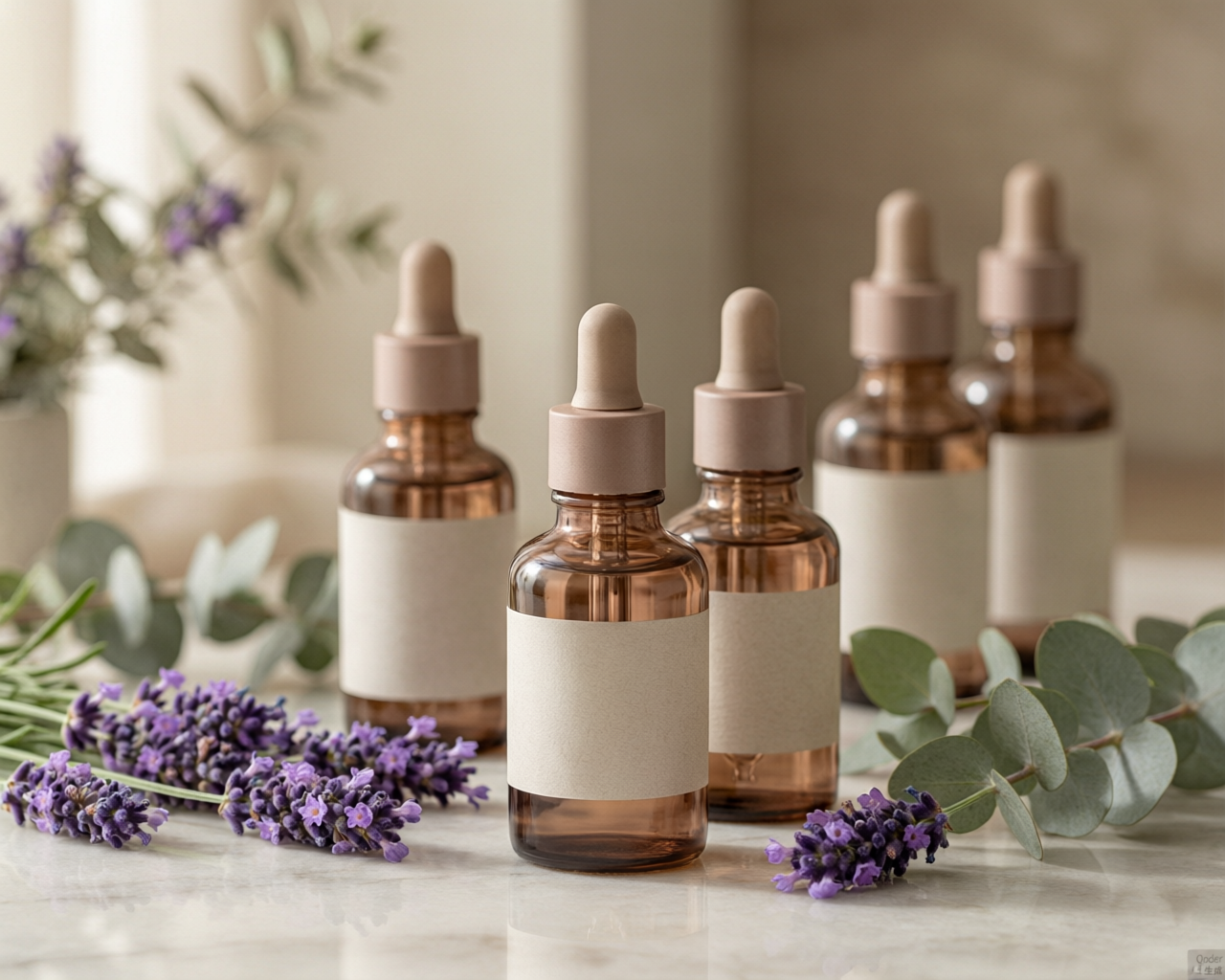
- Spa and wellness retail — full-size candles (200 g to 300 g), essential oil blends (10 ml to 30 ml), and room sprays. Lower volume but higher unit value, often branded co-branded with the spa operator.
- Public-area ambient scenting — commercial HVAC-connected diffusers and concentrated fragrance oils (500 ml to 1 L refill bottles). These are hospitality scent products purchased on recurring refill contracts, typically quarterly.
- F&B and event ambiance — flameless or LED-adjacent decorative candles, pillar candles for banquet tables, and seasonal gift sets for holiday sailings.
- Crew and back-of-house — functional air fresheners, car-fragrance-style clip units for shuttle vehicles, and linen sprays. Low cost per unit, very high volume.
Each zone has a different buyer persona onboard — the hotel director, the spa concessionaire, the F&B manager — and a different budget cycle. Consolidating these into a single supplier relationship reduces SKU sprawl and gives you leverage on bulk amenity fragrance pricing.
Product Format Selection: What Works at Sea and at Scale
Not every retail fragrance format survives the cruise environment. Vibration, humidity, temperature swings in storage holds, and strict fire codes eliminate options that work perfectly in a boutique hotel.
| Format | Best Use Case | Unit Cost (FOB China, 10k units) | Cruise Suitability | Key Risk |
|---|---|---|---|---|
| Reed diffuser (50 ml) | Stateroom turndown | $1.80 - $3.20 | High (no flame) | Spillage in transit; alcohol content restrictions |
| Scented sachet (8 g) | Drawer/closet freshener | $0.25 - $0.60 | Very high | Low perceived value for luxury brands |
| Gel candle (100 g) | Spa retail, gift shop | $2.50 - $4.80 | Medium | Must meet SOLAS if used in passenger areas |
| Soy wax candle (200 g) | Hotel lobby, VIP suites | $3.00 - $6.50 | Low (open flame) | Banned in most cruise staterooms |
| Essential oil refill (500 ml) | HVAC diffuser systems | $8.00 - $18.00 | Very high | Requires IFRA-compliant concentration docs |
| Car fragrance clip (5 ml) | Shore excursion vehicles | $0.90 - $1.80 | High | Short lifespan in high-heat environments |
The dominant trend for cruise line amenities is flameless formats. Reed diffusers and sachets account for roughly 70 percent of cabin-level scent product orders from Chinese OEM factories serving cruise provisioning companies. If your brand currently sells only candles, consider developing a diffuser or sachet variant specifically for maritime accounts.
Regulatory and Safety Compliance Checklist
Compliance is where procurement teams lose the most time. Build these items into your supplier qualification process before requesting samples:
- SOLAS (Safety of Life at Sea) alignment — confirm whether the product will be used in passenger-accessible areas. Open-flame candles are prohibited in staterooms on virtually all major cruise lines (Royal Caribbean, Carnival, Norwegian, MSC). Even decorative candles must be flagged as “retail-only, not for in-cabin use” on packaging.
- IFRA certification — every fragrance compound must carry a current IFRA 51st Amendment certificate. Cruise procurement offices routinely request this before contract signature. Ask your supplier for IFRA docs per SKU, not a blanket statement.
- CLP and GHS labeling — if the vessel calls at EU ports (Mediterranean itineraries), reed diffusers and sprays require CLP hazard pictograms, UFI codes, and multilingual safety text in at least the flag-state language plus English.
- US CPSC / ASTM F2417 — for any candle format sold in US ports or onboard shops while docked in US waters.
- Maritime packaging standards — inner cartons must withstand 1.2 m drop tests and 72-hour humidity exposure at 40 degrees Celsius. Request ISTA 3A test reports from your supplier’s packaging engineer.
- MSDS / SDS documentation — required for every liquid fragrance product shipped by sea. Ensure your supplier provides 16-section SDS in English and the destination port language.
A qualified OEM factory will have these documents on file for standard formulations. Custom scents require new IFRA assessments, which add 2 to 4 weeks to the timeline.
Sourcing from China: Cost Structure and MOQ Realities
China remains the dominant manufacturing base for bulk amenity fragrance products, offering 30 to 50 percent cost savings versus European or US domestic production at equivalent quality tiers. But the cost structure has nuances that affect your landed price:
- Fragrance oil — 35 to 55 percent of unit cost. Imported French or Swiss oils (Givaudan, Firmenich, IFF) add $0.40 to $1.20 per unit versus domestic Chinese aroma compounds. For hospitality scent products where brand perception matters, specify the oil house in your contract.
- Vessel and packaging — 25 to 40 percent of unit cost. Custom glass molds start at $1,500 to $3,000 tooling; stock molds eliminate this fee but limit differentiation.
- Labor and overhead — 10 to 15 percent. Relatively fixed across order sizes.
- Compliance and testing — $500 to $2,000 per SKU for a full test suite (IFRA, CLP, CPSC, heavy metals, flash point). Amortize across the contract volume.
Typical MOQs from experienced cruise-hospitality OEM factories: 3,000 to 5,000 units per SKU for standard formulations, 5,000 to 10,000 for custom scents with new IFRA filings. Aromiso’s OEM program structures minimums around the provisioning reality of fleet operators — allowing split shipments across multiple vessel home ports under a single production run.
Lead Times and Provisioning Logistics
Cruise provisioning operates on fixed sailing schedules. A missed delivery does not roll to next week — it rolls to the next port call, potentially in a different country. Plan backward from the sailing date:
- Custom scent development and approval — 4 to 6 weeks (brief, 3 sample rounds, IFRA filing)
- Production (10,000 to 50,000 units) — 25 to 35 days after artwork approval
- Ocean freight to major cruise home ports — Miami: 28 to 35 days from Shenzhen; Barcelona: 25 to 30 days; Singapore: 5 to 7 days
- Customs clearance and port delivery — 3 to 7 days depending on port and broker
- Safety stock buffer — add 14 days for first orders; 7 days for repeat orders with established customs history
Total first-order timeline from brief to port delivery: 12 to 16 weeks. Repeat orders on locked formulations: 6 to 8 weeks. Procurement teams managing fleet-wide rollouts should stagger production across two factories or two production windows to avoid single-point-of-failure risk.
Supplier Evaluation: 8 Questions to Ask Before Signing
Not every candle factory can service cruise accounts. Use this qualification checklist when evaluating potential partners:
- Maritime account references — ask for at least two active cruise or hotel-group clients. Verify with a direct call, not just a logo sheet.
- In-house IFRA and regulatory team — or a documented partnership with a third-party assessor. Turnaround for new scent IFRA filings should be under 10 business days.
- Production capacity — confirm monthly output exceeds your peak requirement by at least 30 percent. A factory running at 95 percent utilization cannot absorb your rush reorder.
- Quality certifications — ISO 9001, BSCI or Sedex audit, and ideally GMP for any products touching skin (sachets, oils).
- Packaging engineering — in-house capability for drop-test-validated cartons, humidity-resistant labeling, and multilingual print runs.
- Split-shipment experience — ability to palletize and label for multiple destination ports in a single container load.
- Fragrance library depth — a library of 500+ proven formulations reduces development time versus building every scent from scratch.
- Financial stability — request a Dun and Bradstreet report or equivalent. A supplier that cannot fund raw materials for your order will delay production.
Review the full product catalog to assess format range before shortlisting. A supplier offering reed diffusers, candles, essential oils, car fragrances, and commercial diffuser refills under one roof simplifies your vendor management significantly.
Building a Recurring Replenishment Program
One-off purchase orders are inefficient for cruise line amenities. The most cost-effective procurement model is a standing replenishment agreement structured around sailing calendars:
- Quarterly production blocks — lock in 12-month pricing with quarterly call-offs. This gives the factory raw material purchasing leverage (especially for fragrance oils bought in drum quantities) and gives you price certainty.
- Consignment or VMI at home-port warehouses — some provisioning partners (e.g., Wilhelmsen Ships Service, Inchcape) operate bonded warehouses in Miami, Barcelona, and Southampton. Negotiate vendor-managed inventory so stock is held locally and released per sailing manifest.
- Seasonal SKU rotation — allocate 15 to 20 percent of annual volume to limited-edition scents (holiday, summer Mediterranean, Alaska itinerary themes). These drive guest retail conversion in onboard shops.
- KPI tracking — measure fill rate (target 98 percent+), defect rate (target under 0.5 percent), and on-time port delivery (target 100 percent). Include penalty clauses for sailing-miss events.
Hotels operate on a simpler cadence — monthly or bi-monthly replenishment tied to occupancy rates. A 300-room luxury hotel at 80 percent annual occupancy consumes roughly 2,400 to 3,600 amenity fragrance units per month across turndown and public-area applications.
Next Steps
If you are scoping a cruise line amenities program or consolidating hospitality scent products under a single OEM partner, the fastest path to a firm quote is to prepare three documents before your first supplier call: (1) a SKU list with formats, sizes, and estimated annual volumes per vessel or property; (2) target FOB and landed price ranges per unit; and (3) your compliance matrix showing which certifications each destination market requires.
Aromiso supports cruise provisioning companies, hotel group purchasing offices, and spa concessionaires with end-to-end OEM manufacturing — from custom scent development through maritime-compliant packaging and split-port logistics. Browse our product catalog for format options, explore the OEM program for customization capabilities, or request a quote with your volume requirements for a response within 2 business days.