Industry Applications
Preparing for a Fragrance Trade Show: Booth, Samples, and Follow-Up
Este artículo aún no está disponible en español. Lo estás viendo en inglés.
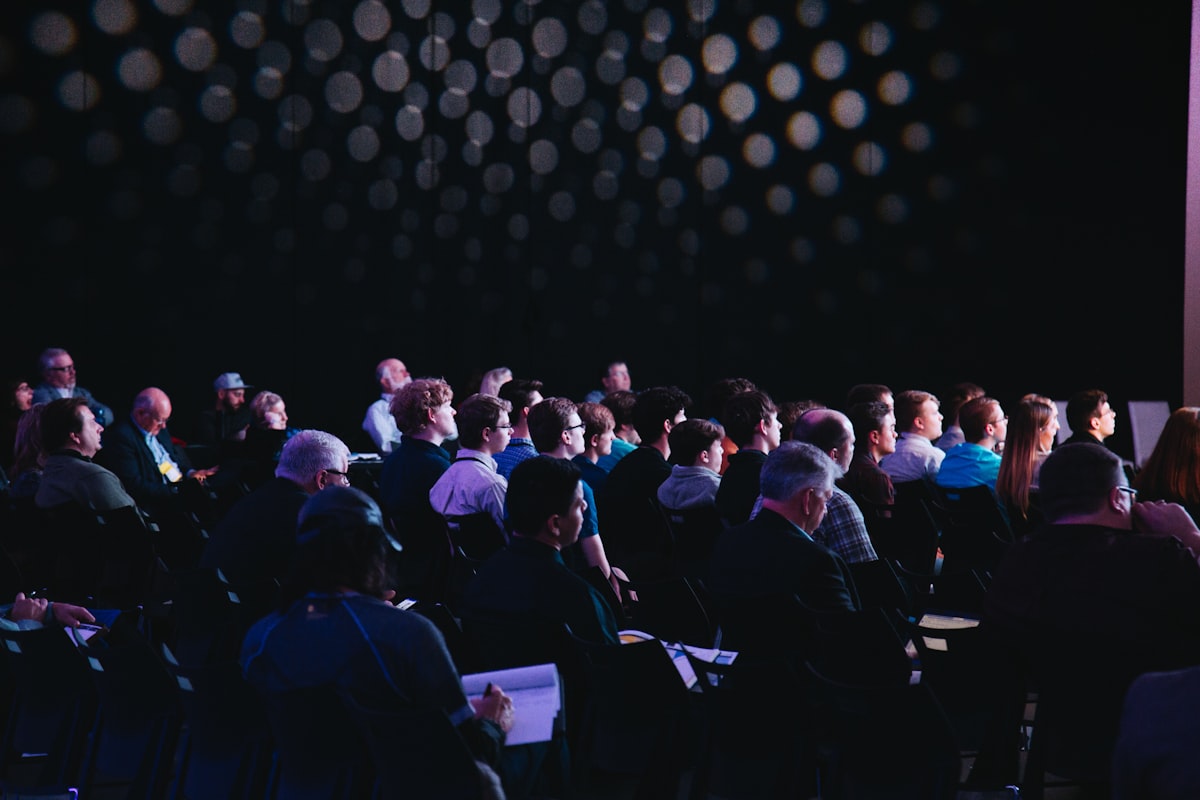
For all the growth of digital B2B channels, trade shows remain where fragrance deals actually close. Buyers want to smell the line, hold the vessel, and read the supplier’s body language when they ask about lead times. A well-executed show can produce 80–150 qualified leads and $50,000–$500,000 in pipeline for a mid-size factory or brand. A poorly executed one burns $20,000 and produces a stack of business cards that never convert. Here is the working playbook.
Choosing the right shows
Not every show is worth the booth fee. The four anchor events for fragrance and home scent:
Maison et Objet (Paris, January and September). The dominant EU home fragrance and decor show. 2,500+ exhibitors, 80,000+ visitors, heavy buyer concentration from European concept stores, department stores, and hospitality groups. Booth cost for a 9 m² stand: €6,000–€12,000 plus build-out. Best for: candle, diffuser, and home fragrance lines with design positioning.
Beautyworld Middle East (Dubai, October). The largest beauty and fragrance trade show in MENA, 1,800+ exhibitors, 60,000+ visitors. Heavy concentration of distributors, private-label buyers, and oud/attar specialists. Booth cost: $8,000–$18,000. Best for: fine fragrance, personal care fragrance, and private-label factories targeting GCC and South Asian distribution.
Cosmoprof (Bologna, March; Las Vegas, July; Hong Kong, November). The global beauty supply chain show. Cosmoprof Bologna draws 250,000+ visitors across cosmetics, packaging, and contract manufacturing. Best for: fragrance ingredient suppliers, contract manufacturers, and packaging partners.
NY Now / Atlanta Gift (US, January and July/August). The North American gift channel shows. Smaller (30,000–60,000 visitors) but tightly focused on independent retail buyers. Booth cost: $3,000–$8,000. Best for: candle and home fragrance brands targeting US boutique wholesale.
Pick one anchor show per region you serve. Two shows in the same region split your budget and your team without doubling results.
Booth design that pulls traffic
The booth’s job is to stop a walking buyer for 90 seconds. Three elements do the work:
-
A scent moment at the entrance. A cold-air nebulizer diffusing your signature scent at the booth threshold increases dwell time measurably. Use a focused unit covering 20–30 m², not a room-filling system — you want a scent gradient that pulls visitors in, not a cloud that overwhelms neighboring booths (which gets you complaints from show management).
-
A clear hero product display. One illuminated pedestal with your flagship SKU beats a wall of 40 SKUs. Buyers scan booths in 3 seconds; they remember one product, not a catalog.
-
A working demonstration. A candle being lit, a diffuser being assembled, a fragrance organ with 12 raw materials buyers can smell. Demonstration doubles average dwell time versus static display in our show data.
Build-out budget rule of thumb: 1.5x to 2x the booth rental fee. A $10,000 booth space deserves a $15,000–$20,000 build, including graphics, lighting, furniture, and freight. Reusable modular systems (Octanorm, BeMatrix) amortize over 3–5 shows and cut per-show build cost 40%.
The sample kit
Samples are the most under-engineered part of most fragrance booths. A buyer who leaves with a well-organized kit references it for weeks; a buyer who leaves with a loose pile of vials forgets them in a hotel drawer.
Standard kit composition for a factory or brand:
- 12–16 fragrance vials, 5 ml each, in a branded foam-insert box.
- 3–5 finished product samples (mini candle, 30 ml diffuser, 5 ml perfume).
- A printed scent index with notes, IFRA category, recommended application, and SKU code for each vial.
- A price sheet (or price-on-request card with QR code to a gated portal).
- A business card with a personal email, not info@.
Cost per kit: $18–$45 in product and packaging at volume. Produce 200–400 kits for a major show.
Qualification gate. Do not hand full kits to every visitor. Hand a single hero vial and a catalog card to casual browsers; reserve the full kit for buyers who share a business card and a credible volume signal (store count, distribution reach, current supplier). This is not gatekeeping — it is inventory management. You will run out by day two if you give kits to everyone.
Lead capture, done in real time
Business cards in a fishbowl are a 1995 strategy. Modern lead capture:
- Badge scan rental from the show organizer ($300–$800 per device) exports a CSV with name, company, title, and email.
- A short qualification form on a tablet at the booth: company, country, channel (retail / distribution / hospitality / private label), estimated annual volume, follow-up priority (hot / warm / cold). Two minutes max.
- Tagging in the CRM the same evening. HubSpot, Pipedrive, or even a disciplined spreadsheet — but the data must be cleaned and prioritized before the show ends, not two weeks later.
Target: 80–150 qualified leads per major show, with 15–25 tagged “hot” (real volume, real timeline).
The post-show workflow
80% of trade show ROI is captured in the first 14 days after the show. The standard sequence:
- Day 1–2 (during the show): Same-evening email to hot leads — “Great to meet you at [booth number]. Attached is the price sheet we discussed. I will follow up Tuesday to schedule a sample shipment.” Personal, one paragraph, no marketing template.
- Day 3–5: Sample shipment to all hot leads with tracking numbers. Include a handwritten note.
- Day 7–10: Follow-up call or video meeting. The ask is specific: a 30-minute review of the line, a sample feedback session, or a quote on a defined SKU.
- Day 14: Warm-lead nurture sequence begins — monthly product updates, seasonal catalog, factory audit invitation.
- Day 30–90: Cold leads enter the quarterly newsletter cadence. Do not abandon them; 10–15% of cold leads convert within 12 months.
A realistic conversion funnel from a major show: 120 qualified leads → 35 sample shipments → 18 serious conversations → 6–9 first orders → 3–4 reorder customers within 12 months. The 3–4 reorder customers, at $20,000–$150,000 annual volume each, are the entire ROI of the show.
Budget reality
A mid-size factory at Maison et Objet or Beautyworld should budget:
- Booth space: $10,000–$18,000
- Build-out and graphics: $15,000–$25,000
- Travel and lodging (3 staff, 5 days): $12,000–$20,000
- Sample kits and freight: $6,000–$12,000
- Pre-show marketing (email, LinkedIn, buyer appointments): $3,000–$6,000
Total: $46,000–$81,000. Against a target of $200,000+ in first-year revenue from the show, the math works — but only with the post-show discipline above. The booth is 20% of the result. The follow-up is 80%.