product-knowledge
Scented Candle OEM: Lead Time & Packaging Planning
Este artículo aún no está disponible en español. Lo estás viendo en inglés.
For international B2B buyers, timing is everything. A delayed shipment of scented candles can mean missing the entire holiday selling window. Understanding what drives OEM lead times—and how packaging choices impact them—lets you build a production schedule that hits the shelves on time.
Key Factors That Influence OEM Scented Candle Lead Time
Several variables can stretch a typical lead time from a few weeks to several months. Knowing them upfront helps you plan realistic timelines with your factory.
1. Wax Type and Sourcing
Standard paraffin wax is widely available and often stocked by factories, so candles can enter production within days. Soy wax, coconut wax, and custom blends may require longer lead times if the factory orders specialty materials. Some wax blends also need longer cure times to achieve optimal scent throw and adhesion. If your project demands a specific eco-certified wax, verify its procurement lead time at the quotation stage.
2. Fragrance Development
Off‑the‑shelf fragrances can ship immediately. Custom fragrance creation, however, adds 2 to 6 weeks for formulation, safety testing, and compatibility trials with your wax. For complex profiles that mimic a luxury perfume or incorporate natural essential oils, factor in additional time for IFRA compliance and stability testing at elevated temperatures.
3. Container and Packaging Complexity
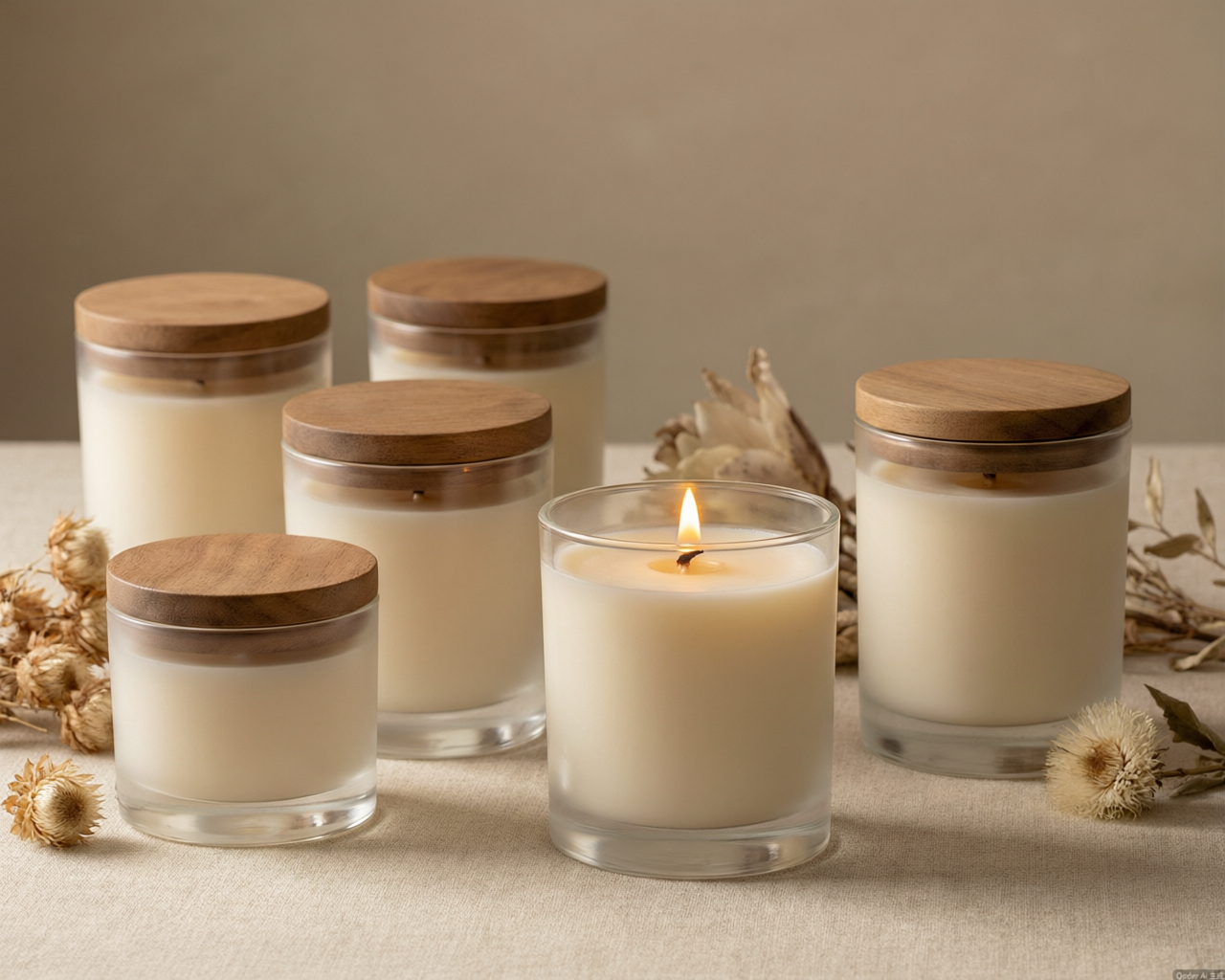
A simple stock glass jar might be in constant supply. A custom coloured glass vessel or a uniquely shaped ceramic container, on the other hand, often comes with a minimum order quantity and a mould‑making lead time of 30 to 60 days. Similarly, custom‑printed candle tins or bespoke wooden lids can extend timelines. The more you can work within the factory’s existing supplier network, the faster your order moves.
4. Order Volume and Production Slot
Factories run on production schedules. A small batch of 1,000 candles might be squeezed in between larger runs, but a 40‑foot container load needs a reserved production window. During peak seasons (typically July through October for Q4 retail), production slots fill up early. Booking your order well in advance secures your place in the queue.
Packaging Decisions That Speed Up or Slow Down Your Order
Packaging for scented candles goes beyond protection; it’s a branding tool. Yet every layer of packaging adds steps, materials, and time.
-
Individual Candle Boxes: A standard tuck‑top box with a pre‑printed design keeps things simple. Foil stamping, embossing, or window patching each require additional setup and longer printing lead times. If you need boxes that match a Pantone colour exactly, ask your factory how they handle colour‑matching and whether it affects the schedule.
-
Gift Sets and Kits: Bundling multiple candles in a larger gift box introduces an extra assembly step. If the gift box has a custom insert (moulded pulp, foam, or die‑cut cardboard), that insert must be designed, prototyped, and manufactured. Simple kraft crinkle paper fill is faster. Decide whether premium unboxing matters more than speed.
-
Master Cartons and Palletisation: The way candles are packed into shipping cartons determines container utilisation. A well‑optimised carton size can reduce freight costs and sometimes speed up loading. Discuss with your factory the carton dimensions early to avoid last‑minute repacking that delays the shipment.
-
Full Container Load (FCL) vs. Less‑than‑Container Load (LCL): FCL gives you a dedicated container and a fixed departure schedule. LCL consolidates your goods with others, which can add days or weeks to the transit time as the freight forwarder waits for enough cargo to fill a container. For large orders, always push for FCL to lock in the shipping date.
Pro tip: Ask your factory for a ready-to-ship catalog. These candles use stock packaging and can often ship within days—useful for filling a last‑minute gap or testing a new market.
How to Schedule Production to Hit Peak Season Deadlines
Christmas, Black Friday, and the winter gifting season account for a huge portion of annual candle sales. To avoid disappointment, reverse‑engineer your timeline from the date you need goods on‑shelf.
Step‑by‑step planning timeline (example for a Q4 launch):
- February – March: Finalise product concept, wax type, fragrance, and container. Request samples from the factory.
- April: Approve final samples. Confirm packaging artwork and begin tooling if needed.
- May – June: Place production order and pay deposit. Factory orders raw materials.
- July – August: Production window. Factory pours, labels, and packages the candles.
- September: Quality inspection, final packing into export cartons, and container booking.
- October – November: Ocean freight (typically 4–6 weeks to major ports) plus customs clearance and inland transport. Goods arrive in warehouse ready for distribution.
This timeline assumes an FCL shipment from China to a Western port with no major delays. Add 2 weeks for LCL, and an extra month for any first‑time custom tooling. If your market requires air freight for an ultra‑tight schedule, discuss it early—factories need to build to air‑freight standards (e.g., lighter packaging) and you’ll pay a premium.
Crucial checkpoint: Because lead times stretch further during peak season, book your container slot at least 4 weeks before the expected cargo‑ready date. Freight rates skyrocket, and space becomes scarce as Christmas approaches.
What to Ask Your Candle Factory Before You Order
Clear communication eliminates surprises. Before committing to an order, get written answers to these questions:
- What is the current lead time for my chosen wax and container, and how does it change in the months leading up to my shipment?
- Do you keep stock of the raw materials I need, or will they be procured after I place the order?
- Can I see a sample from your current production of a similar candle, so I understand the actual finish, not just a hand‑made prototype?
- How do you handle packaging coordination? Does the box supplier fall under your management, or do I need to source it separately?
- What is the cut‑off date for my order to guarantee delivery before [specific date]?
Use our buyer guides to see more checklists for sourcing from China factories.
By mapping out these factors well ahead of peak season, you transform scented candle OEM from a guessing game into a reliable supply‑chain process. At Aromiso, we help B2B buyers align product vision with practical production timelines—so you never have to explain an empty shelf.