Sourcing & Procurement
Private Label vs White Label Fragrance Products: Key Differences
Este artículo aún no está disponible en español. Lo estás viendo en inglés.
B2B buyers entering the fragrance market often encounter the terms “private label” and “white label” used interchangeably. They are not the same. Choosing the wrong model can cost you months of development time or leave you with a product indistinguishable from competitors. Here is a practical breakdown.
Definitions That Matter
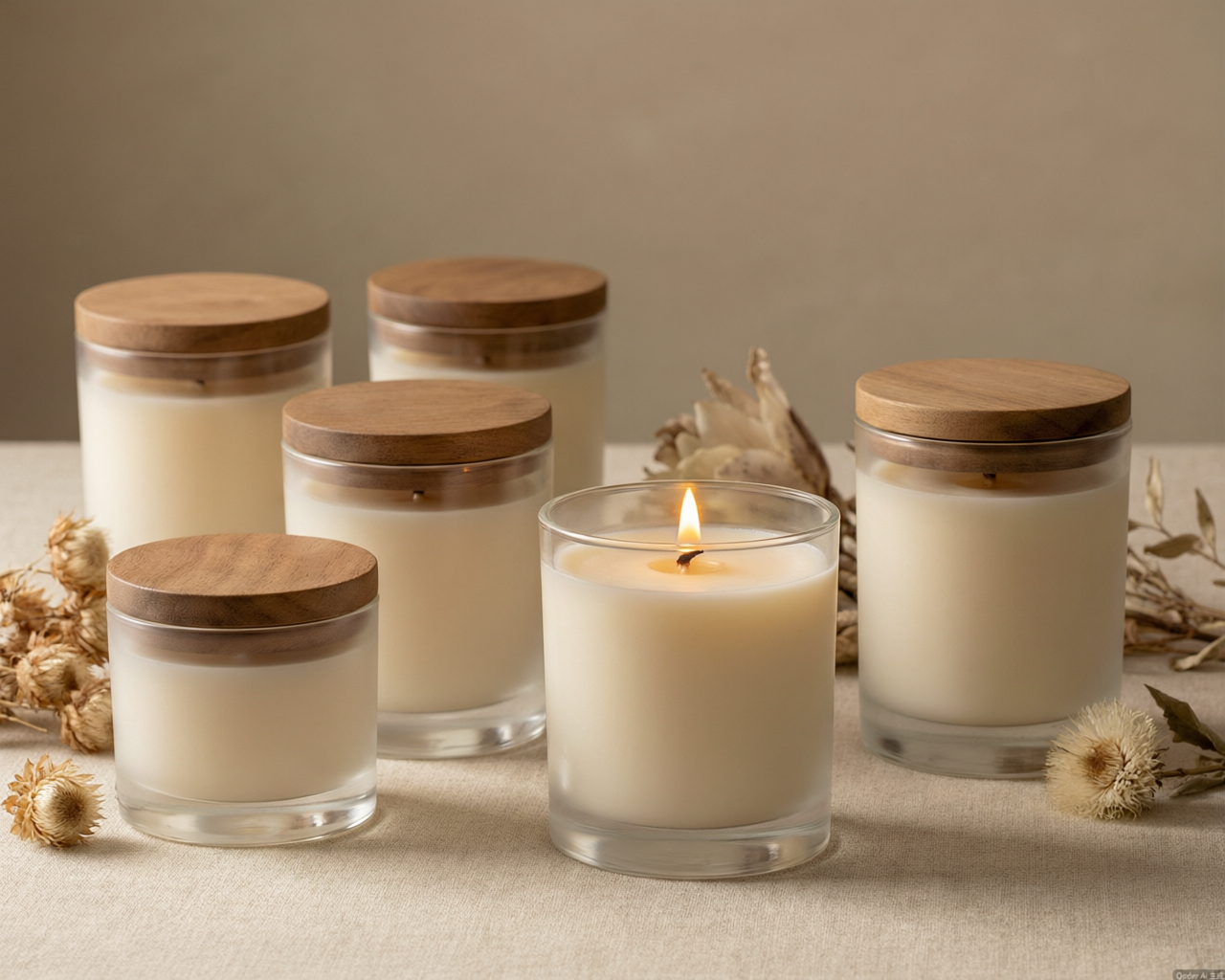
White label means the factory has an existing product formula, vessel, and packaging design. You apply your brand name and sell it as yours. The product is identical (or nearly identical) to what other buyers purchase from the same factory.
Private label means the factory manufactures a product to your specifications. You control the fragrance formula, wax blend, vessel design, packaging structure, and labeling. The product is exclusive to your brand.
Customization Level
| Element | White Label | Private Label |
|---|---|---|
| Fragrance scent | Choose from 10-30 stock options | Fully custom or modified from a base |
| Vessel/container | Fixed selection (3-8 options) | Custom mold or sourced to spec |
| Wax/formula | Standard factory blend | Custom soy, coconut, paraffin ratio |
| Packaging | Generic box with your logo | Custom structural design, inserts, finishes |
| Label | Your artwork on standard label shape | Custom die-cut, foil, emboss options |
White label gives you a branded product in the fastest possible timeframe. Private label gives you a differentiated product that competitors cannot replicate.
Cost Comparison
For a 200g scented candle in a glass jar:
White label:
- Unit cost: $1.50-$2.80 (depending on volume)
- Setup fees: $0-$200 (label plate charge)
- MOQ: 200-500 units per scent
- Time to market: 15-25 days from artwork approval
Private label:
- Unit cost: $2.20-$4.50 (depending on specifications)
- Setup fees: $500-$3,000 (fragrance development, custom mold, packaging tooling)
- MOQ: 1,000-3,000 units per SKU
- Time to market: 45-75 days from brief to first production run
The private label route costs 30-60% more per unit and requires 3-5x longer development time. However, it builds brand equity that white label cannot.
When White Label Makes Sense
White label is the right choice when:
- You are validating a market. A subscription box service testing candle demand should not invest $3,000 in custom tooling before confirming product-market fit.
- Speed matters more than differentiation. Seasonal retailers needing product on shelves within 30 days cannot wait for custom development.
- Your margin structure is tight. If your retail price is under $15, white label unit economics work; private label may not leave sufficient margin.
- You sell through channels where brand story is secondary. Amazon marketplace sellers competing primarily on price and reviews benefit from white label speed.
A typical white label engagement: you select 3 scents from the factory catalog, submit your logo and label artwork (AI or PDF format), approve a digital proof within 48 hours, and receive finished goods in 15-20 days. Total investment for 500 units across 3 SKUs: approximately $2,500-$4,000 including shipping to a US warehouse.
When Private Label Makes Sense
Private label is the right choice when:
- You are building a long-term brand. DTC brands, boutique hotel amenity lines, and luxury retailers need exclusive products.
- Differentiation drives your pricing. If your candle retails at $35-$65, customers expect a unique scent profile and distinctive packaging.
- You need regulatory exclusivity. Custom formulations can be protected through trade secret and contractual exclusivity clauses.
- You require specific compliance. Organic certification, vegan formulations, or specific allergen-free profiles often require custom development.
A typical private label timeline at a Chinese factory:
- Brief and concept alignment: 3-5 days
- Fragrance development (3-5 initial options): 10-14 days
- Scent selection and refinement: 5-7 days
- Packaging structural design and sampling: 14-21 days
- Pre-production sample approval: 7-10 days
- Mass production: 20-30 days
- Quality inspection and shipping: 7-10 days
Total: approximately 65-95 days from initial brief to goods arriving at your warehouse.
Hybrid Approaches
Many experienced buyers use a hybrid model:
- Start with white label to test 3-5 scents in market (2 months, $3,000 investment)
- Identify the top 1-2 performers by sell-through rate
- Develop private label versions of proven sellers (3 months, $5,000-$8,000 investment)
This approach reduces risk by 60-70% compared to launching a full private label line blind.
Common Mistakes
Mistake 1: Assuming white label means low quality. Many factories use identical base formulations for white and private label. The difference is exclusivity, not quality.
Mistake 2: Skipping contracts on private label. Always specify in writing that your custom formula, mold, and packaging design are exclusive. Without this, the factory may sell your design to other buyers after 6-12 months.
Mistake 3: Underestimating white label lead times during peak season. Chinese factories face capacity constraints from August-October (Christmas production). White label orders that normally ship in 15 days may take 30-40 days during peak. Place Q4 orders by June.
Questions to Ask Your Factory
Before committing, ask:
- How many other brands currently sell this white label product?
- Can I modify the fragrance intensity or wax color within the white label program?
- What is the exclusivity period for private label formulations?
- Do you offer a transition path from white label to private label with credit toward tooling?
- What is your defect rate, and what is your replacement policy?
A reputable factory will answer all five transparently. At Aromiso, for example, we maintain a maximum of 8 active white label clients per stock formulation and offer full exclusivity contracts on all private label work.
The Bottom Line
White label is a launch strategy. Private label is a brand strategy. Neither is inherently superior. The right choice depends on your stage, budget, timeline, and competitive positioning. Many successful fragrance brands started white label and transitioned to private label within 12-18 months as revenue justified the investment.
Start with the model that gets product into customers’ hands fastest, then reinvest in differentiation once you have demand data.