Sourcing & Procurement
How to Source Private Label Aromatherapy Products from China
Este artículo aún no está disponible en español. Lo estás viendo en inglés.

The global aromatherapy market is projected to exceed $5.5 billion by 2027, and private-label products capture some of the highest margins in the category. A 10ml essential oil blend that costs $1.80-$3.20 to manufacture in China retails for $18-$35 under a wellness brand. The spread is real, but only for buyers who navigate formulation, compliance, and quality control correctly.
This guide covers the full sourcing process for private-label aromatherapy products, from product selection to delivery.
Product Categories Worth Considering
Not all aromatherapy products carry the same sourcing complexity. Here is a practical breakdown:
| Product | Typical MOQ | FOB Unit Cost | Complexity |
|---|---|---|---|
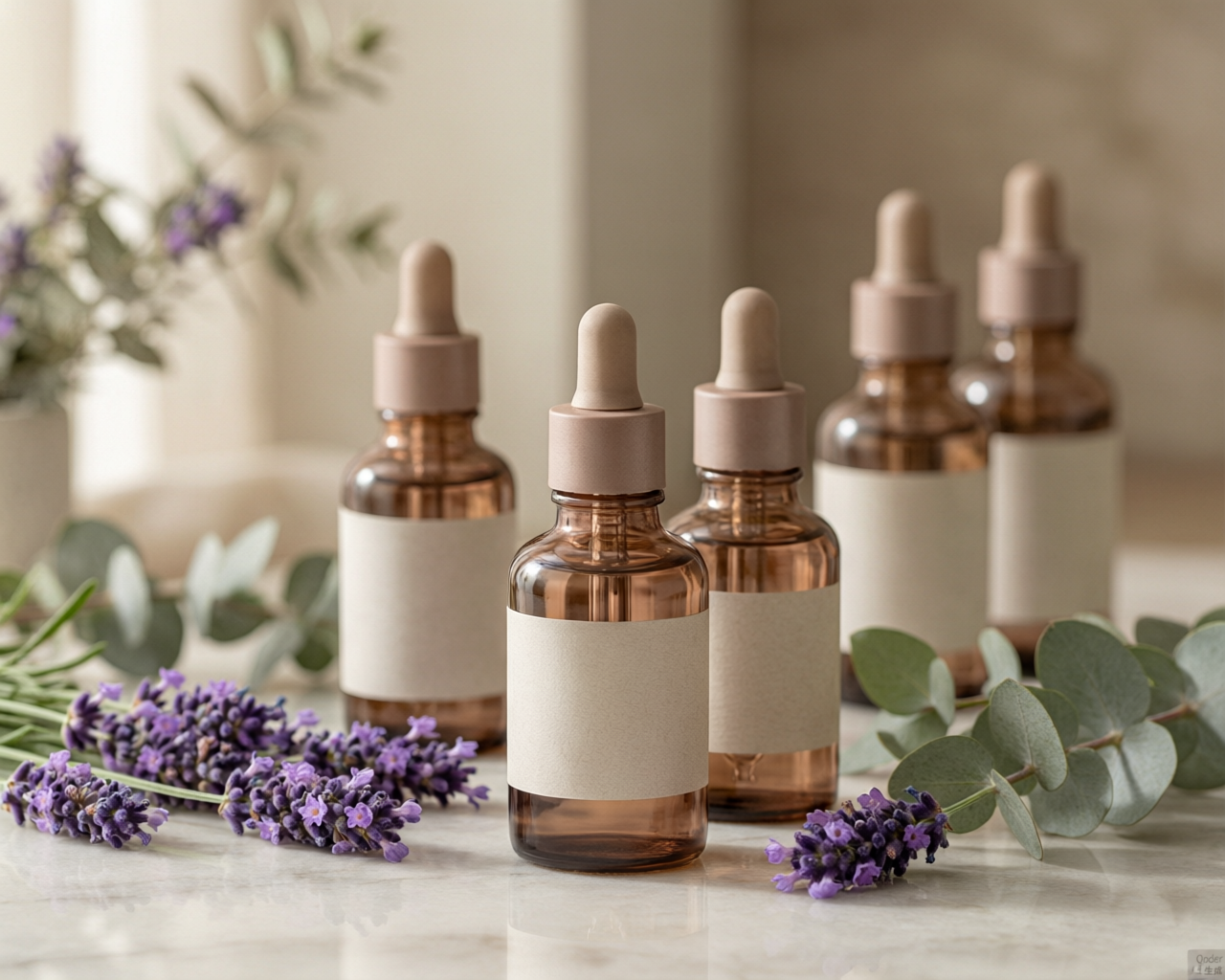
| Essential oil blends (10ml) | 2,000-5,000 units | $1.80-$3.50 | Medium (formula + stability testing) |
| Roll-on perfume oils (10ml) | 1,000-3,000 units | $1.50-$2.80 | Medium |
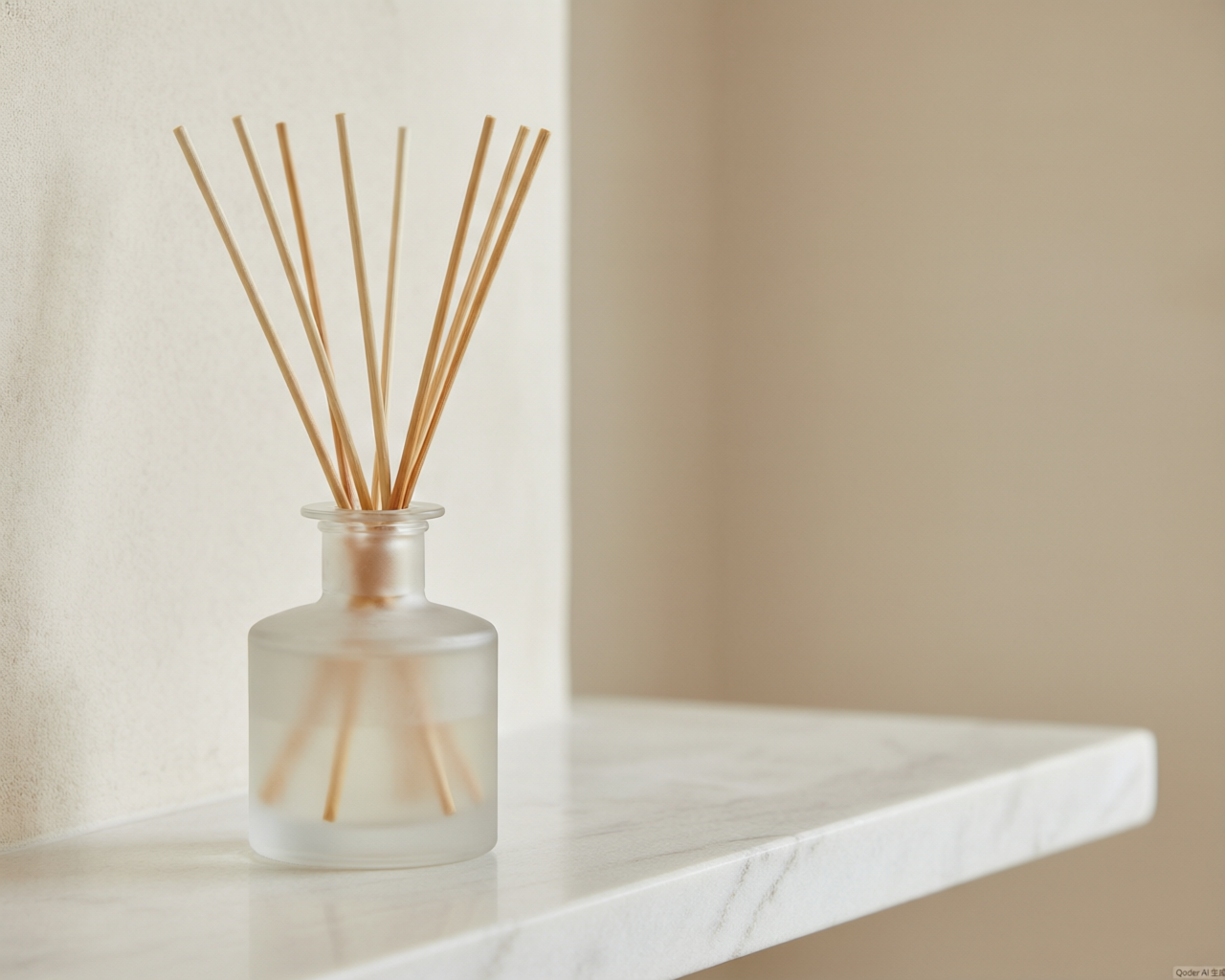
| Reed diffuser sets (100ml) | 1,000-2,000 units | $3.00-$5.50 | Low-Medium |
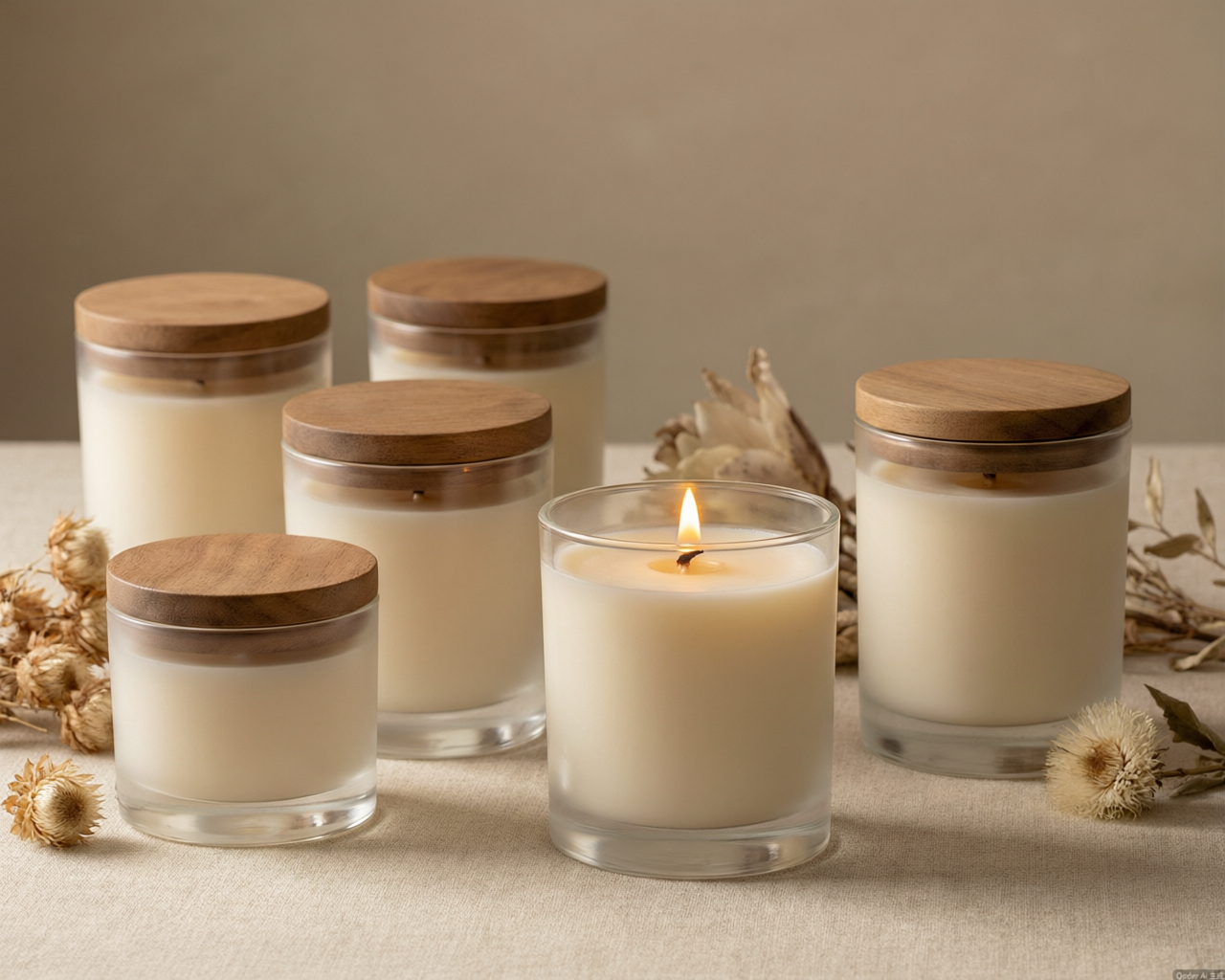
| Aromatherapy candle (200g) | 500-2,000 units | $2.50-$4.50 | Low |
| Pillow/linen mists (100ml) | 2,000-3,000 units | $1.60-$3.00 | Medium (alcohol-based, DG shipping) |
| Shower steamers (pack of 6) | 1,000-2,000 packs | $2.00-$3.80 | Low |
Start with one or two SKUs. Expanding to 5+ products before validating demand multiplies your compliance workload and ties up capital in inventory.
Step 1: Define Your Formulation Requirements
Before contacting factories, document your therapeutic positioning (relaxation with lavender and chamomile, energy with peppermint and citrus, or focus with rosemary and eucalyptus), since this determines your oil blend. Decide between natural and synthetic: 100% natural essential oil blends cost 2-4x more than nature-identical alternatives, so a 10ml pure lavender oil blend may cost $3.20 FOB versus $1.40 for a lavender fragrance oil blend. Specify the carrier and dilution (roll-ons typically use fractionated coconut oil or jojoba at 10%-20% essential oil concentration, and higher concentrations raise both cost and skin-sensitization risk), and confirm target market regulations: the EU requires CLP labeling and IFRA compliance, the US requires FDA cosmetic registration if marketed with therapeutic claims, and Australia requires NICNAS notification for new chemical introductions.
Step 2: Identify Qualified Manufacturers
Search for factories with:
- GMP certification (ISO 22716 for cosmetics) if products contact skin
- Experience with essential oil stability testing (accelerated aging at 40C for 6 months)
- In-house or partnered perfumery lab for custom blending
- Export history to your target market (ask for bill-of-lading references)
Factories in Guangdong province (Guangzhou, Shenzhen, Dongguan) concentrate the majority of aromatherapy production. Zhejiang (Yiwu, Hangzhou) is stronger for candle and diffuser assembly. Aromiso operates production lines covering both categories, which simplifies multi-SKU orders.
Request 3-5 factory profiles and compare:
- Minimum order per SKU
- Sample fees (typically $50-$150 per formula, refundable against bulk order)
- Lead time for custom blends (15-25 days for formulation, 25-35 days for bulk production)
- Available certifications and testing partnerships
Step 3: Sample Development and Approval
Budget 4-8 weeks for the sampling phase:
- Brief submission (Day 1): Send your formula direction, target cost, packaging specs, and regulatory requirements.
- First sample delivery (Day 10-18): Factory ships 3-5 variant samples via DHL Express ($40-$70 per shipment, 4-6 days transit).
- Evaluation (Day 18-25): Test scent accuracy, skin feel (for roll-ons), color stability, and packaging fit.
- Revision round (Day 25-35): Most formulas need 1-2 adjustments. Each revision adds 7-10 days.
- Final approval and stability test initiation (Day 35-50): Request a 3-month accelerated stability test ($150-$300 per SKU through the factory’s lab or a third party like SGS).
Do not skip stability testing. Essential oil blends can oxidize, separate, or change color within 60 days if the formula is unbalanced. A $200 test prevents a $10,000 recall.
Step 4: Compliance and Labeling
For each destination market, prepare the right documentation.
European Union: a CLP-compliant label with hazard pictograms (many essential oils are classified as skin sensitizers or aquatic toxicants), UFI code registration in the ECHA Poison Centre portal, an IFRA certificate confirming restricted substance limits, and a Responsible Person designation ($200-$500/year through a compliance service).
United States: FDA cosmetic facility registration (free, mandatory since MoCRA 2022), ingredient listing per INCI nomenclature, and a California Prop 65 warning if any listed chemicals are present (common with certain citrus oils containing limonene).
General: a Safety Data Sheet per GHS format ($100-$250 per product from a regulatory consultant) and a Certificate of Analysis per batch, provided by the factory at no extra charge.
Total compliance budget for a 3-SKU aromatherapy line entering the EU and US: $1,200-$2,500.
Step 5: Production and Quality Control
Once samples are approved and purchase order is placed:
- Production lead time: 25-35 days for standard formulations; 35-45 days if custom packaging (printed boxes, custom bottles) is involved.
- In-process QC: Request photos at three stages: raw material weighing, blending/filling, and final packaging. Factories with ISO 9001 systems provide this routinely.
- Pre-shipment inspection: Hire a third-party inspector (QIMA, SGS, AsiaInspection) at $280-$400 per man-day. They check AQL 2.5 for visual defects, verify labeling, and confirm carton counts.
- Payment terms: Standard is 30% deposit, 70% before shipment. After 3-5 successful orders, negotiate 30/70 against bill of lading copy or net-30.
Step 6: Shipping and Delivery
For a 3,000-unit order of 10ml roll-ons (approximately 180 kg, 0.8 CBM):
- Air freight: $4.50-$6.50/kg, 5-8 days transit. Total: $810-$1,170.
- Sea freight (LCL): $45-$70/CBM, 25-35 days transit. Total: $36-$56 plus $200-$400 in port handling fees.
- Express courier (DHL/FedEx) for under 100 kg: $8-$12/kg, 4-6 days.
Alcohol-based products (mists, perfumes) may ship as limited-quantity dangerous goods, adding $0.50-$1.50/kg in surcharges and requiring UN-spec packaging.
Realistic Total Investment
For a first private-label aromatherapy order of 2,000 units (2 SKUs, 1,000 each):
| Cost Item | Amount |
|---|---|
| Product manufacturing (FOB) | $4,000-$7,000 |
| Custom packaging and labels | $800-$1,500 |
| Sample development | $200-$400 |
| Stability and compliance testing | $800-$1,500 |
| Freight and duties | $600-$1,200 |
| Total landed cost | $6,400-$11,600 |
At a retail price of $22-$28 per unit, gross margin lands at 65%-75% after all costs. That margin is why the aromatherapy category continues to attract new brands, and why getting the sourcing process right from the start matters so much.
Start small, validate demand, and scale with a factory partner that grows alongside your line.