Market Guides
The Japanese Home Fragrance Market: Preferences and Entry Strategy
Este artículo aún no está disponible en español. Lo estás viendo en inglés.

Japan’s home fragrance market is one of the most sophisticated in Asia, valued at approximately JPY 180 billion (USD 1.2 billion) across all home scenting categories. Unlike Western markets where bold fragrance statements dominate, Japanese consumers favor subtlety, seasonality, and functional benefits. For B2B suppliers and manufacturers, understanding these preferences is the difference between market success and expensive failure.
Market Overview and Growth
The Japanese home fragrance market has grown steadily at 3-5% annually since 2020, accelerated by increased time spent at home and a growing wellness orientation. Key segments include:
- Reed diffusers and room sprays: JPY 65 billion, the largest segment
- Scented candles: JPY 35 billion, growing at 6-8% annually
- Electric and ultrasonic diffusers: JPY 40 billion, driven by technology adoption
- Incense and traditional products: JPY 25 billion, stable
- Essential oils: JPY 15 billion, growing with aromatherapy trends
Japan imports approximately 60% of its home fragrance products, with China, Thailand, and European countries as primary sources. The market is expected to reach JPY 210 billion by 2028.
Consumer Preferences: What Japanese Buyers Want
Japanese fragrance preferences differ markedly from Western and Middle Eastern markets:
Subtlety over intensity: Japanese consumers prefer light, clean scents that do not overwhelm. Products marketed as “gentle,” “natural,” or “airy” outperform bold, heavy fragrances. Strong oud or musk products that succeed in the UAE typically underperform in Japan.
Seasonal sensitivity: Japan’s four distinct seasons drive purchasing patterns. Cherry blossom (sakura) scents peak in spring, citrus and green tea in summer, osmanthus (kinmokusei) in autumn, and yuzu and hinoki (cypress) in winter. Successful brands rotate seasonal collections.
Natural and functional positioning: Aromatherapy benefits (relaxation, sleep improvement, concentration) are major purchase drivers. Products with essential oil blends and functional claims like “stress relief” or “air purification” command premium pricing.
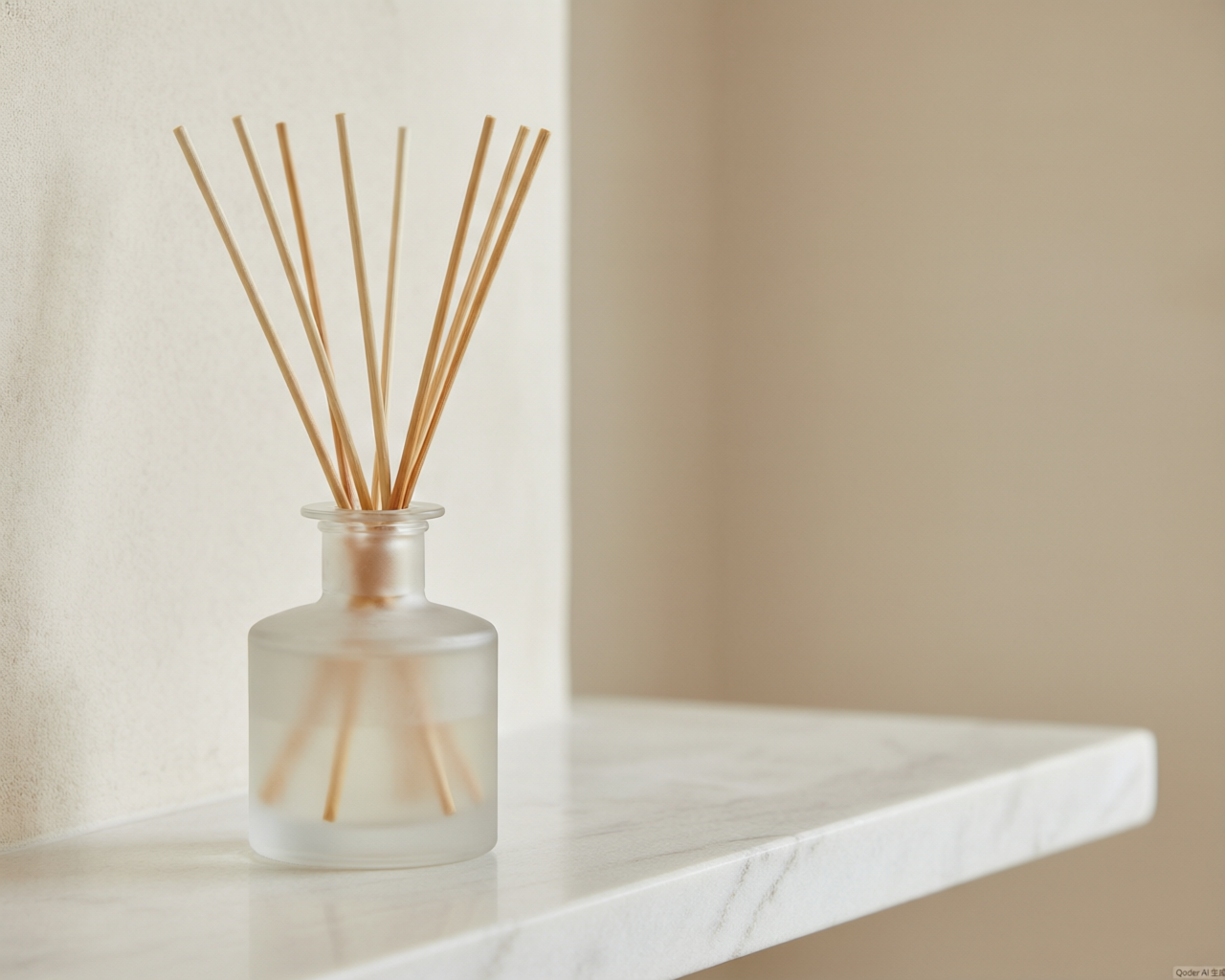
Minimalist aesthetics: Clean, simple packaging in muted colors dominates. Japanese consumers value the unboxing experience and display-worthiness of products. Heavy ornamentation is less effective than refined simplicity.
Quality obsession: Consumers scrutinize ingredient lists, manufacturing origins, and safety certifications. “Made in Japan” carries a premium, but high-quality imports from established brands are well accepted.
Popular Scent Profiles
Top-performing fragrance families in the Japanese home fragrance market:
- Citrus: Yuzu, lemon, bergamot, grapefruit (year-round bestsellers)
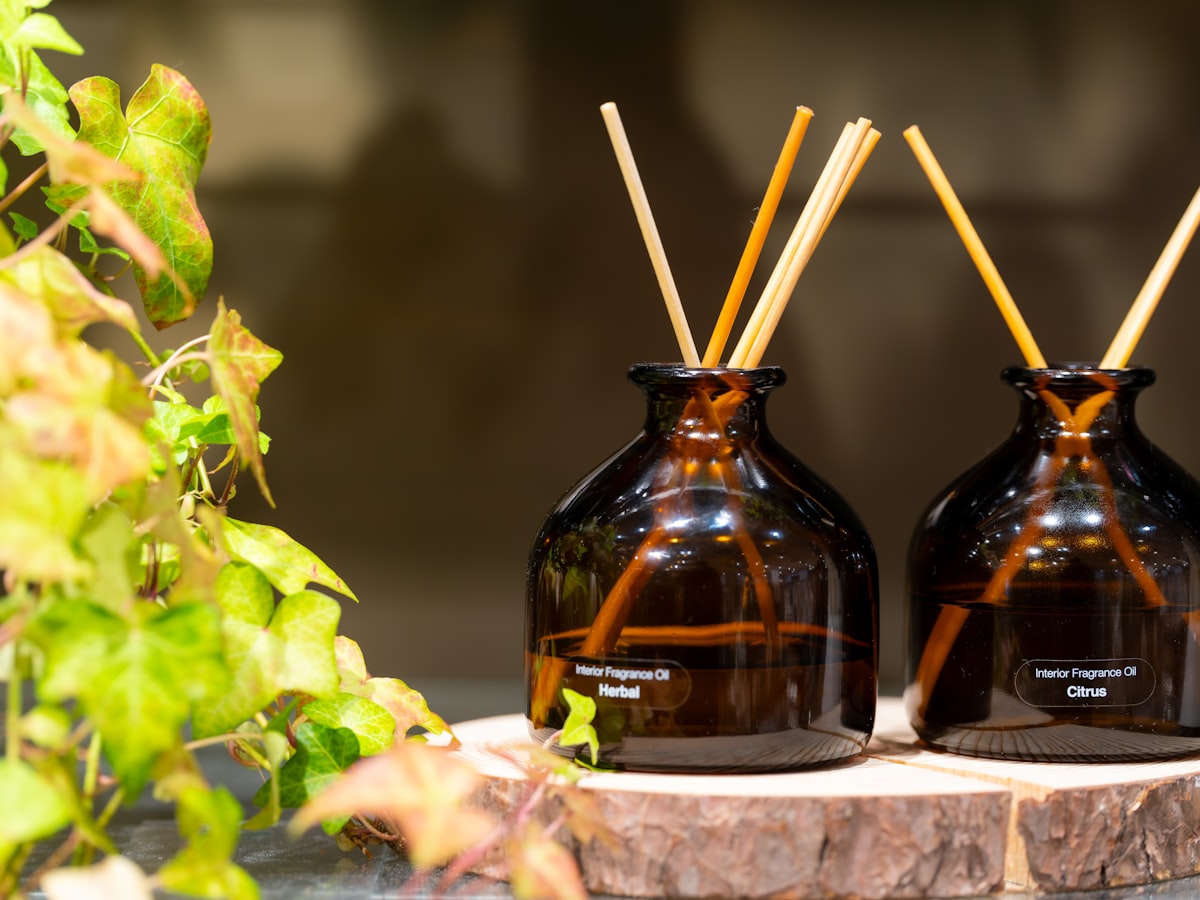
- Green and herbal: Green tea, mint, eucalyptus, rosemary
- Floral (light): Sakura, lavender, jasmine, lily of the valley
- Woody (subtle): Hinoki cypress, cedar, sandalwood
- Clean and fresh: Cotton, soap, rain, ocean breeze
Retail and Distribution Channels
Specialty lifestyle stores: Muji, Francfranc, Afternoon Tea Living, and Actus carry curated home fragrance selections. These buyers seek design-forward products with Japanese-market-appropriate scents.
Department stores: Isetan, Takashimaya, Mitsukoshi, and Daimaru dedicate floor space to imported home fragrance brands. Entry requires a Japanese distributor or agent.
Variety and drug stores: Loft, Tokyu Hands, Plaza, and Matsumoto Kiyoshi offer mid-range products. These channels favor accessible pricing (JPY 1,500-3,500 for candles).
E-commerce: Rakuten, Amazon Japan, and Yahoo Shopping account for 25-30% of home fragrance sales. Brands need Japanese-language listings and domestic fulfillment.
Hotel and commercial scenting: Japan’s hospitality sector (ryokans, business hotels, luxury resorts) invests in ambient scenting. This B2B channel values custom fragrance development and reliable supply.
Pricing Tiers
| Tier | Candle Price (JPY) | Diffuser Price (JPY) | Channel |
|---|---|---|---|
| Mass market | 800-1,500 | 1,000-2,000 | Drug stores, 100-yen shops |
| Mid-range | 1,500-3,500 | 2,000-5,000 | Loft, Francfranc, Amazon |
| Premium | 3,500-7,000 | 5,000-12,000 | Department stores, specialty |
| Luxury | 7,000-20,000+ | 12,000-40,000+ | Isetan, brand boutiques |
Chinese manufacturers can competitively supply the mass and mid-range tiers, with FOB costs of USD 2-5 for candles that retail at JPY 1,500-3,500.
Market Entry Strategy for B2B Suppliers
1. Partner with a Japanese trading company (shosha) or distributor. Japan’s retail landscape is relationship-driven. Distributors like Nippon Access, Aromasearch, or specialized lifestyle importers handle retail introductions, logistics, and after-sales service.
2. Adapt products for Japan. Reduce fragrance intensity by 20-30% compared to Western formulations. Use clean-burning waxes (soy, coconut) and cotton wicks. Ensure packaging meets Japanese quality expectations with precise printing and finishing.
3. Obtain Japanese compliance documentation. Products must comply with the Pharmaceutical and Medical Device Act (for certain claims), the Fire Service Act (for candles), and JIS standards. Labels must be in Japanese.
4. Attend trade shows. Interior Lifestyle Tokyo (June), Gift Show (February/September), and Cosme Tokyo are key B2B events for meeting buyers.
5. Build a Japanese-language presence. Product information, safety data, and customer support in Japanese are non-negotiable for retail partnerships.
Logistics Considerations
- Ocean transit from Shanghai to Tokyo/Yokohama: 5-7 days
- Freight cost: USD 1,500-2,500 per 20-foot container
- Import duty on candles (HS 3406): 0% under WTO MFN
- Import duty on room deodorizers (HS 3307): 3.9-5.3%
- Consumption tax: 10% on imported goods
- Japan requires a domestic “importer of record” with proper business registration
Conclusion
Japan rewards patience, precision, and cultural adaptation. B2B suppliers who invest in understanding Japanese scent preferences, quality expectations, and business protocols can build long-term, high-margin relationships in a market that values consistency and craftsmanship. The key is approaching Japan not as a volume market but as a quality market where the right product at the right positioning commands strong pricing power.
Aromiso develops Japan-market-specific formulations with reduced intensity, seasonal scent collections, and Japanese-compliant packaging. Our team supports distributors and brands entering the Japanese market with full documentation and sample programs.