Brand Building
Fragrance Brand Packaging Identity: Creating Visual Consistency
Este artículo aún no está disponible en español. Lo estás viendo en inglés.

In home fragrance, packaging is the first and often only salesperson. A wholesale buyer scanning a trade show booth or a consumer browsing a retail shelf makes a judgment in under three seconds. Your packaging identity system must communicate brand quality, product category, and scent character in that window. This guide covers how to build a packaging identity that scales across products and channels without losing coherence.
Why Packaging Identity Matters More in Fragrance Than Other Categories
Fragrance products face a unique challenge: the primary product attribute (scent) is invisible. Unlike food or cosmetics, customers cannot evaluate the product through the package. This means packaging must do double duty: attract attention and convey the sensory promise of what is inside.
For B2B brands specifically, packaging identity affects:
- Buyer confidence: Consistent, professional packaging signals operational maturity
- Shelf negotiation: Retailers allocate space to brands that create visual impact
- Price justification: Premium packaging supports premium wholesale pricing
- Brand recall: Consistent visual systems build recognition across repeat orders
Step 1: Define Your Packaging Identity Principles (Weeks 1-2)
Before designing anything, establish the rules that govern all packaging decisions.
Actionable steps:
- Write a packaging identity brief answering:
- What three adjectives should our packaging convey? (e.g., minimal, warm, artisanal)
- What is our primary packaging material story? (glass, kraft paper, matte black, recycled)
- What is our decoration approach? (foil stamping, embossing, full-color print, hand-tied elements)
- What is our sustainability commitment? (recyclable, refillable, plastic-free, FSC-certified)
- Audit 5-10 brands you admire across categories (not just fragrance). Note what packaging elements create the impression you want.
- Define your “non-negotiables”: elements that must appear on every package regardless of product or size.
Budget guidance: $0-$1,000 (internal strategy; optional design consultant).
Step 2: Build Your Visual System (Weeks 2-6)
A packaging identity system is a set of rules, not a single design.
Actionable steps:
- Commission or develop these core elements:
- Logo application rules: Minimum size, clear space, placement on different package formats
- Typography system: Primary typeface for brand name, secondary for product details, tertiary for regulatory text
- Color architecture: Base color (applies to all products), accent colors (per scent or collection), and neutral tones for text
- Graphic language: Patterns, illustrations, textures, or photographic styles that appear across the range
- Material specifications: Paper stocks, finishes (soft-touch lamination, spot UV, foil), and structural formats
- Create a packaging style guide document (10-15 pages) that any designer or manufacturer can follow to produce on-brand packaging.
- Test your system across 3-4 hypothetical products to verify it scales: a small candle, a large diffuser, a gift set, and a shipping box.
Budget guidance: $2,000-$6,000 for professional packaging identity design and style guide creation.
Step 3: Design for the Product Hierarchy (Weeks 5-10)
Your packaging system must differentiate products while maintaining family resemblance.
Actionable steps:
- Establish a visual hierarchy across your range:
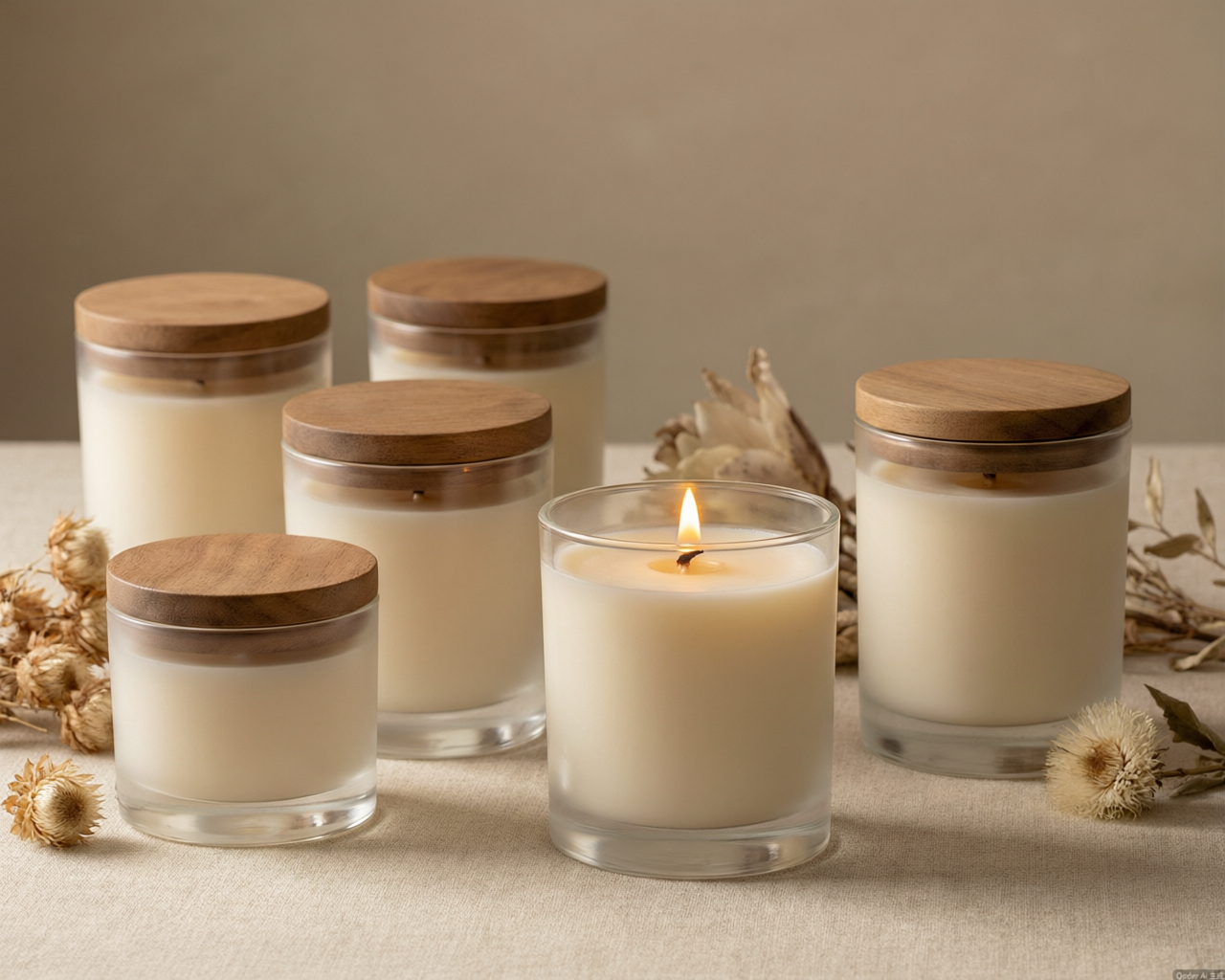
- Format differentiation: Candles, diffusers, and sprays should be distinguishable by package shape or structural design, not just labels.
- Scent differentiation: Use consistent accent color coding or illustration motifs per fragrance. A buyer should identify the scent variant from 3 feet away.
- Tier differentiation: Entry, core, and premium products should differ in material quality or decoration level (e.g., standard print vs. foil stamp) while sharing structural DNA.
- Design a “shelf test” mockup: place your full range together and evaluate whether it reads as one brand with clear internal organization.
- Create packaging templates for each SKU type so future products slot into the system without redesign.
Budget guidance: $1,500-$4,000 for multi-SKU packaging design and template creation.
Step 4: Engineer for Production and Protection (Weeks 8-12)
Beautiful packaging that arrives damaged or costs too much to produce serves no one.
Actionable steps:
- Work with your manufacturer on structural engineering:
- Confirm vessel dimensions and tolerances for box sizing
- Specify internal protection: molded pulp, foam inserts, or corrugated dividers
- Test drop resistance: packaged products should survive a 3-foot drop on all faces
- Optimize for shipping efficiency:
- Design master cartons to maximize pallet utilization (standard pallet: 1200x1000mm or 1200x800mm)
- Target carton weights under 15kg for manual handling compliance
- Minimize void space to reduce dimensional weight charges
- Confirm print production feasibility:
- Request print proofs from your packaging supplier before approving designs
- Verify color reproduction (especially brand colors) on your chosen stock
- Check that regulatory text meets minimum font size requirements at final print scale
- Calculate per-unit packaging cost and confirm it fits your margin model (target: 8-15% of wholesale price).
Budget guidance: $1,000-$3,000 for structural engineering, proofing, and testing.
Manufacturing integration: When your product manufacturer also handles packaging assembly (as Aromiso does for turnkey orders), you eliminate the coordination gap between packaging supplier and product assembler. This reduces damage rates, ensures fit accuracy, and shortens lead times by 1-2 weeks.
Step 5: Create Channel-Specific Adaptations (Weeks 10-14)
The same product may need different packaging presentations for different channels.
Actionable steps:
- Retail-ready packaging: Individual product boxes designed for shelf display, with facing graphics optimized for front-on viewing.
- Gift set packaging: Multi-product boxes with window cutouts or magnetic closures that elevate perceived value for gifting occasions.
- E-commerce packaging: Shipping-safe outer packaging with branded unboxing experience (tissue paper, stickers, thank-you cards). Must survive courier handling without additional outer box.
- Wholesale/bulk packaging: Efficient master cartons with clear SKU labeling, barcode placement, and quantity markings for warehouse handling.
- Hospitality/custom packaging: White-label or co-branded options where the buyer’s identity takes prominence alongside or instead of yours.
- Document all channel variants in your packaging style guide to ensure consistency even when formats differ.
Budget guidance: $1,000-$3,000 for channel-specific design adaptations.
Step 6: Maintain Consistency Over Time (Ongoing)
Packaging identity degrades without active management.
Actionable steps:
- Store master design files (AI, PDF, dielines) in a centralized, access-controlled location.
- Require packaging approval from your brand manager before any production run, including reorders.
- Conduct annual packaging audits: compare current production to original specifications for color drift, material substitution, or quality degradation.
- When adding new products, start from existing templates rather than designing from scratch.
- Version your style guide and distribute updates to all suppliers simultaneously.
- Retain physical reference samples from every production batch for comparison.
Packaging Identity Checklist
- Packaging identity brief documented
- Visual system designed (logo, type, color, graphics, materials)
- Style guide created and distributed to suppliers
- Product hierarchy visually differentiated
- Structural engineering validated (protection, shipping, cost)
- Channel-specific variants designed
- Print proofs approved for all components
- Per-unit cost confirmed within margin model
- Master files archived and version-controlled
- Annual audit schedule established
Budget Summary
| Element | Cost Range |
|---|---|
| Strategy and Brief | $0-$1,000 |
| Visual System Design | $2,000-$6,000 |
| Multi-SKU Design | $1,500-$4,000 |
| Structural Engineering | $1,000-$3,000 |
| Channel Adaptations | $1,000-$3,000 |
| Total Development | $5,500-$17,000 |
Ongoing production costs (per unit) should target 8-15% of your wholesale price.
Final Guidance
Your packaging identity is a long-term investment, not a one-time project. The brands that build lasting recognition in home fragrance are those that treat every box, label, and tissue paper as part of a unified system. Design the system first, then let every product express it. Consistency compounds: each new SKU that follows your system strengthens recognition for all the others.