Sourcing & Procurement
Custom Fragrance Development: From Brief to Finished Product
Este artículo aún no está disponible en español. Lo estás viendo en inglés.

A custom fragrance is one of the strongest moats a home fragrance or personal care brand can build. Off-the-shelf scents are available to every competitor; a proprietary blend that customers associate with your brand is not. But custom development is also where buyers most often underestimate timelines, miscommunicate with perfumers, and blow budgets on endless revision rounds. This article maps the full development process as it actually runs inside a Chinese fragrance factory, with realistic timelines and cost checkpoints at each stage.
Stage 1: Writing the Fragrance Brief (Week 1)
The brief is the single most important document in the project: a vague brief produces vague samples and endless revisions, while a precise brief gets you to approval in 2-3 rounds instead of 5-6.
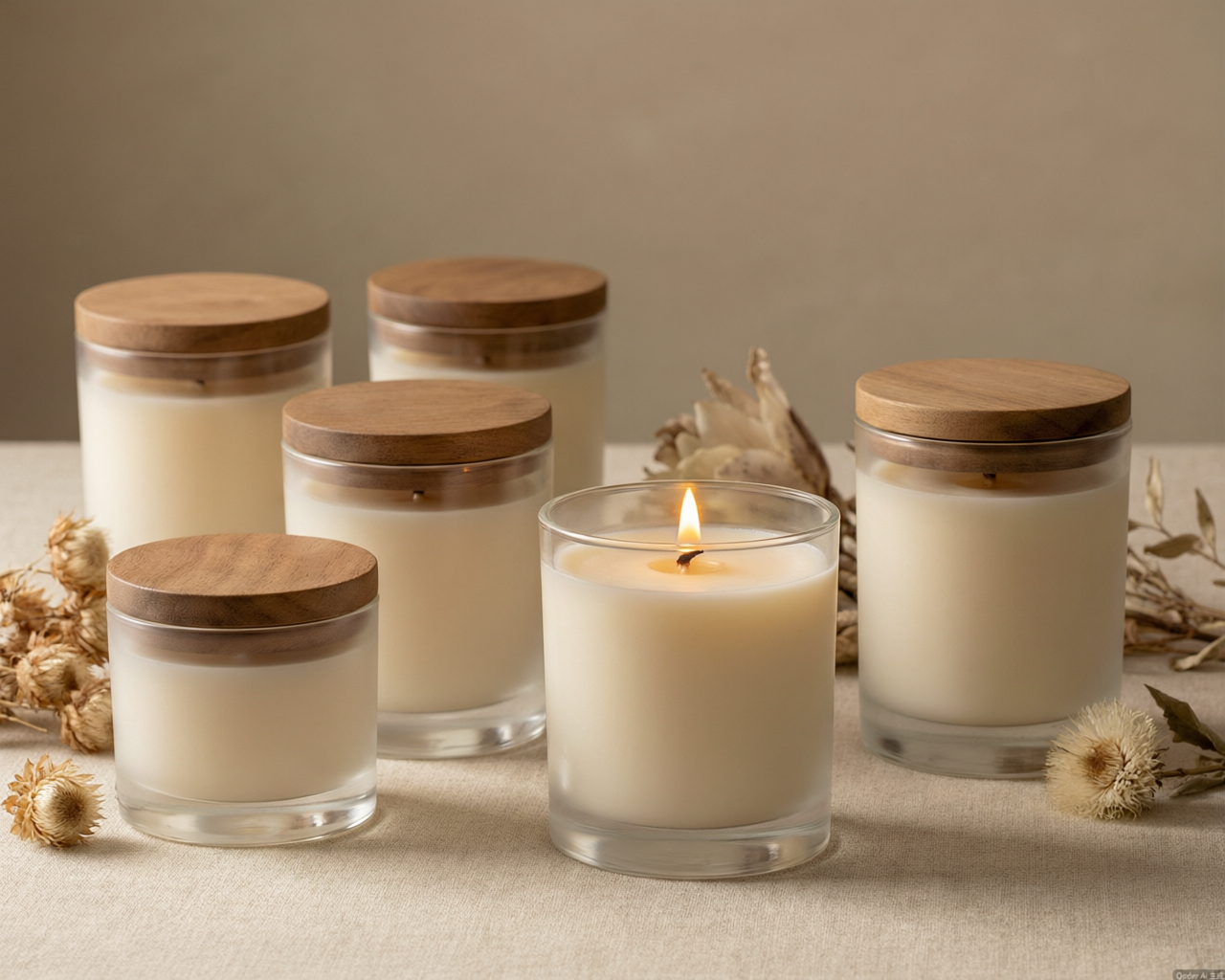
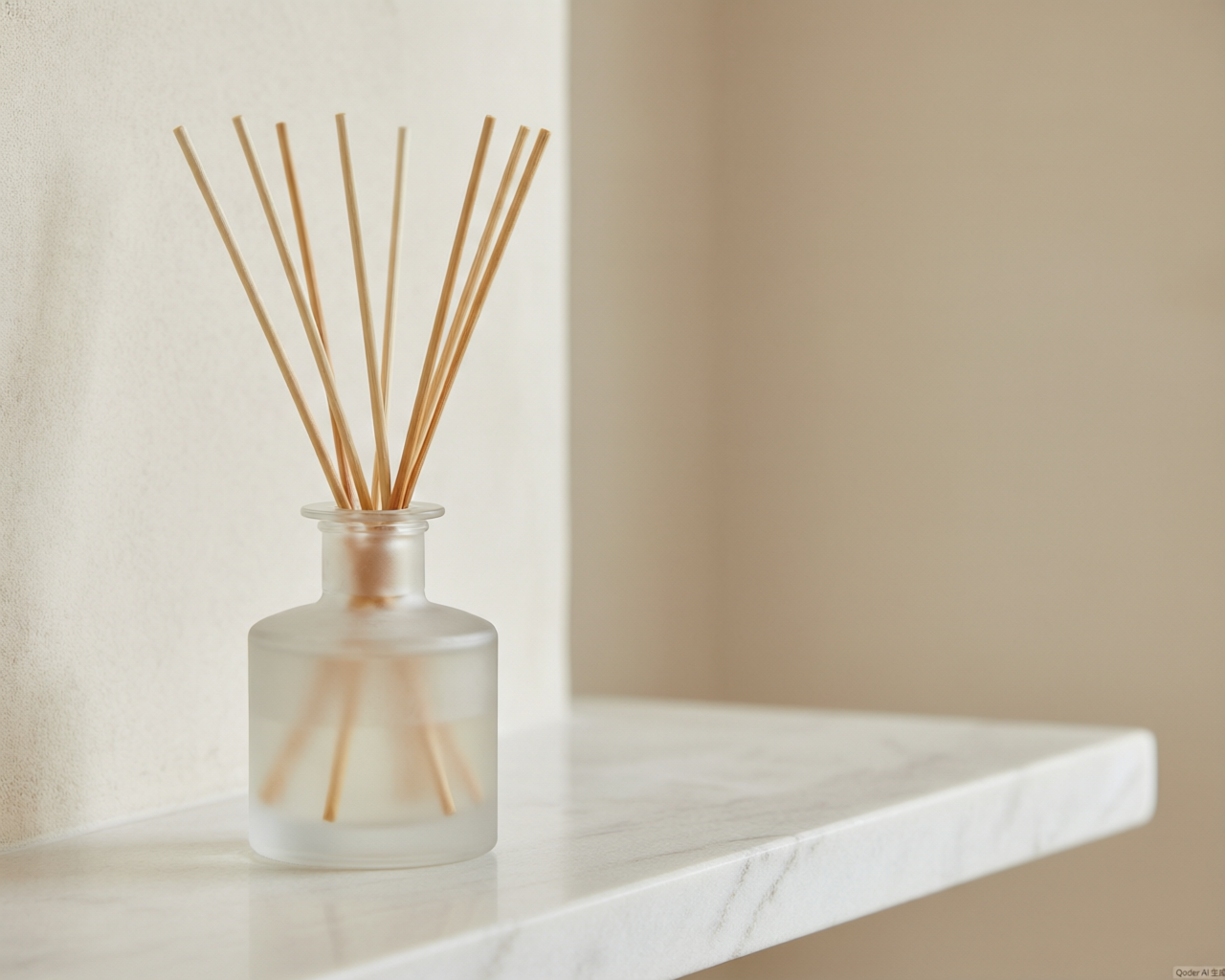
A strong brief specifies the product application (candle, reed diffuser, room spray, roll-on, soap), since the same scent performs differently across media and a fragrance that smells beautiful in a candle may turn harsh in a cold diffuser. It gives a clear scent direction with specific notes or comparables (“like Diptyque Figuier but greener and less sweet” beats “something fresh and natural”), a target consumer and price point (a $3.00 FOB mass-market candle needs a cost-efficient formula; an $8.00 FOB luxury line can accommodate natural extracts), and the regulatory constraints that apply (IFRA category limits, EU CLP, US CPSIA, retailer restricted-substance lists). Finally, it states a cost target per kilogram of fragrance oil to anchor the perfumer’s material choices, plus performance requirements for cold throw, hot throw, flash point, color stability, and shelf life.
Budget 3-5 days to write and internally approve the brief. Rushing this stage is the most common cause of project delays.
Stage 2: Perfumer Collaboration and First Submission (Weeks 2-4)
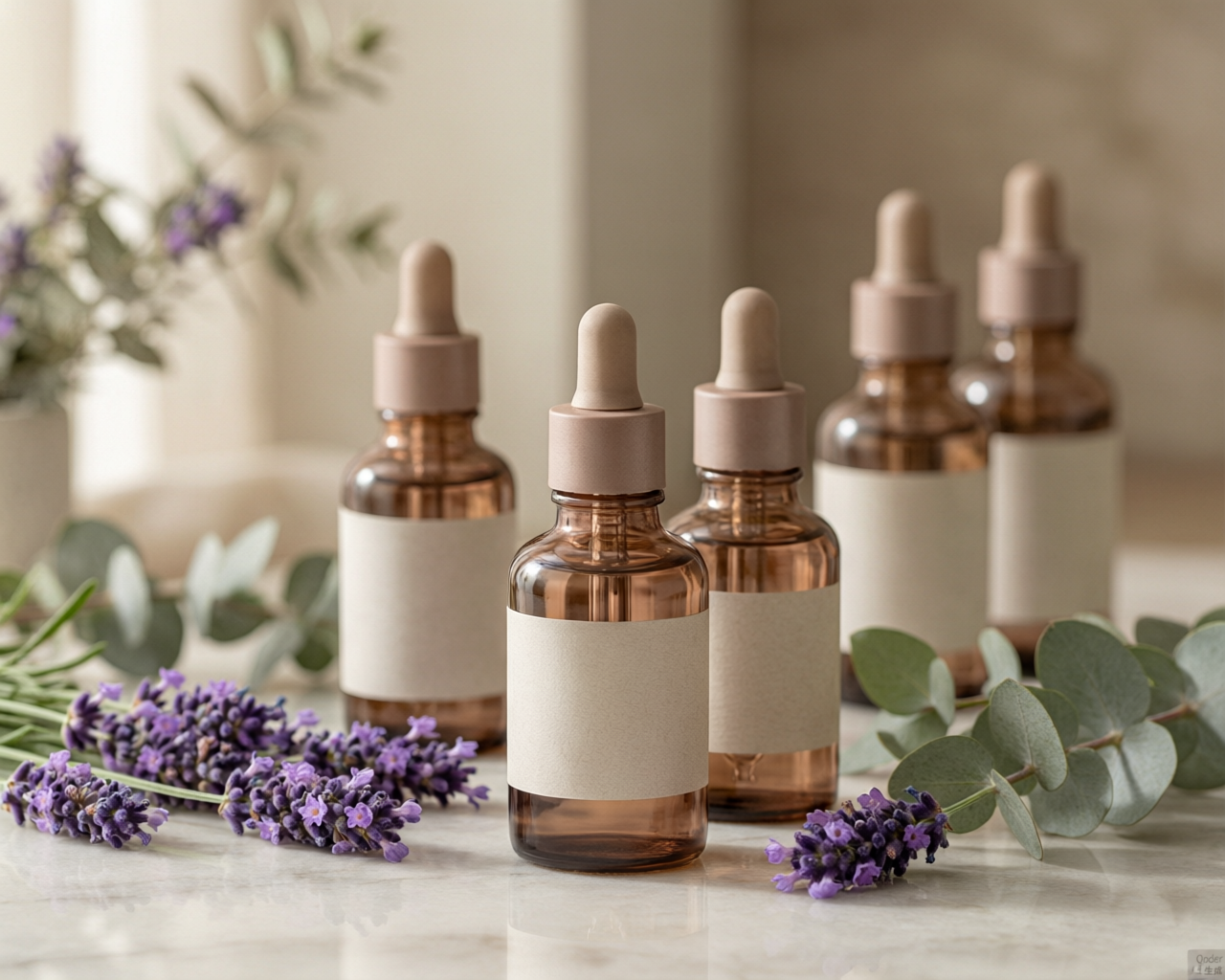
Once the factory receives the brief, the perfumer builds an initial formula by selecting 15-40 raw materials (natural oils, isolates, synthetic aroma chemicals), balancing volatility so top, heart, and base notes unfold correctly, checking each material against IFRA limits and your restricted-substance list, and compounding a small lab batch of typically 50-100 grams.
Timeline: 10-15 business days from brief receipt to first sample shipment.
Cost: Most factories absorb the perfumer’s time for serious projects and charge only for sample shipping ($40-$70 via DHL). Some charge a development fee of $200-$500 per formula, often credited against the bulk order.
You will typically receive 2-3 variants: a faithful interpretation of the brief plus one or two creative alternatives. Evaluate each in the actual product medium, not just on a blotter strip, since a scent that works on paper can fail in wax.
Stage 3: Evaluation and Revision Rounds (Weeks 4-9)
This is where most projects stall. To keep momentum, test in application rather than on paper: for candles, pour test batches at the intended fragrance load (typically 6%-10% for soy wax) and burn them, since cold throw and hot throw differ dramatically from the raw oil. Give specific feedback (“reduce the bergamot top note by half and add more cedar in the base” is actionable; “make it nicer” is not), and limit decision-makers to one or two people, since committee-driven fragrance decisions average 5+ revision rounds versus 2-3 for a single decision-maker.
Timeline per revision: 7-10 business days for reformulation, plus 4-6 days shipping.
Cost: First 2-3 revisions are usually free. Beyond that, factories may charge $100-$250 per round. Total revision budget for a complex project: $0-$750.
Plan for 2-4 revision rounds; approval on the first submission is rare and usually means the brief was exceptionally well-defined.
Stage 4: Stability and Compatibility Testing (Weeks 8-14)
Once the scent is approved, validate that it holds up over time and in the final product.
Accelerated stability testing: Store the fragrance oil at 40C and 45C for 4-12 weeks to simulate 1-2 years of shelf life, checking for color change, odor shift, precipitation, and separation. Cost: $150-$400 per SKU through the factory lab or a third party like SGS or Intertek.
Compatibility testing: Confirm the fragrance does not cause frosting or poor burn in candles, cloud the carrier or clog reeds in diffusers, or degrade the actual bottle, cap liner, and label adhesive. Some aroma chemicals attack certain plastics and rubbers.
Do not skip this stage to save 4 weeks. A formula that separates at month three becomes a $20,000 recall, not a $300 test.
Stage 5: Regulatory Documentation (Weeks 10-14, parallel)
Run compliance work in parallel with stability testing. You will need an IFRA certificate confirming the formula meets current standards for the intended category (usually provided free by the factory for custom projects), a Safety Data Sheet for shipping and handling ($100-$250 if outsourced), an allergen declaration listing the 26 EU-regulated fragrance allergens above threshold levels, and CLP hazard classification and pictograms for EU sales.
Total documentation cost for a custom formula entering EU and US markets: $400-$1,000.
Stage 6: Scale-Up and Production (Weeks 14-20)
Lab formulas do not always scale linearly. During scale-up, the factory compounds the fragrance at production volume (25 kg, 200 kg, or 1-ton batches), produces a pilot batch compared against the approved lab sample for scent match, and establishes batch-to-batch tolerance ranges, typically measured by gas chromatography (GC-MS) fingerprinting.
Production lead time: 25-35 days for the finished product once fragrance oil is compounded and approved.
Pilot batch cost: Often absorbed into the first bulk order. If charged separately, $300-$800.
Total Project Timeline and Budget
For a custom fragrance developed into a finished candle or diffuser line:
| Phase | Duration | Typical Cost |
|---|---|---|
| Brief writing | 1 week | Internal time |
| First submission | 2-3 weeks | $0-$500 |
| Revision rounds | 3-5 weeks | $0-$750 |
| Stability and compatibility | 4-6 weeks | $150-$400 |
| Regulatory documentation | 2-4 weeks | $400-$1,000 |
| Scale-up and production | 4-6 weeks | In bulk order |
| Total | 16-24 weeks | $550-$2,650 in development fees |
The development fee is modest relative to the asset you create: a proprietary fragrance, properly documented and protected, becomes a brand asset that competitors cannot legally replicate.
Protecting Your Custom Formula
Before sharing the brief, sign a mutual NDA. Then ensure your manufacturing agreement specifies formula ownership (you own it, the factory holds it in confidence), non-use clauses preventing the factory from selling your formula to others, and exclusivity terms if you want geographic or category exclusivity, often tied to annual volume commitments of $50,000-$100,000.
Factories accustomed to OEM work, like Aromiso, treat formula confidentiality as standard practice and sign buyer-friendly NDAs without resistance. A factory that hesitates on confidentiality is one to walk away from.
Final Advice
Custom fragrance development rewards patience and precision. The buyers who succeed are not the ones with the biggest budgets but the ones who write the clearest briefs, give the most specific feedback, and refuse to skip stability testing. Invest the 16-24 weeks properly, and you emerge with a scent no competitor can match.