Sourcing & Procurement
China vs Europe Fragrance Manufacturing: Cost and Quality Compared
Este artículo aún no está disponible en español. Lo estás viendo en inglés.

For B2B buyers sourcing fragrance products, the decision between Chinese and European manufacturers carries significant financial and operational implications. This comparison breaks down the real numbers so you can evaluate which origin best fits your product line, budget, and timeline.
Production Cost Breakdown
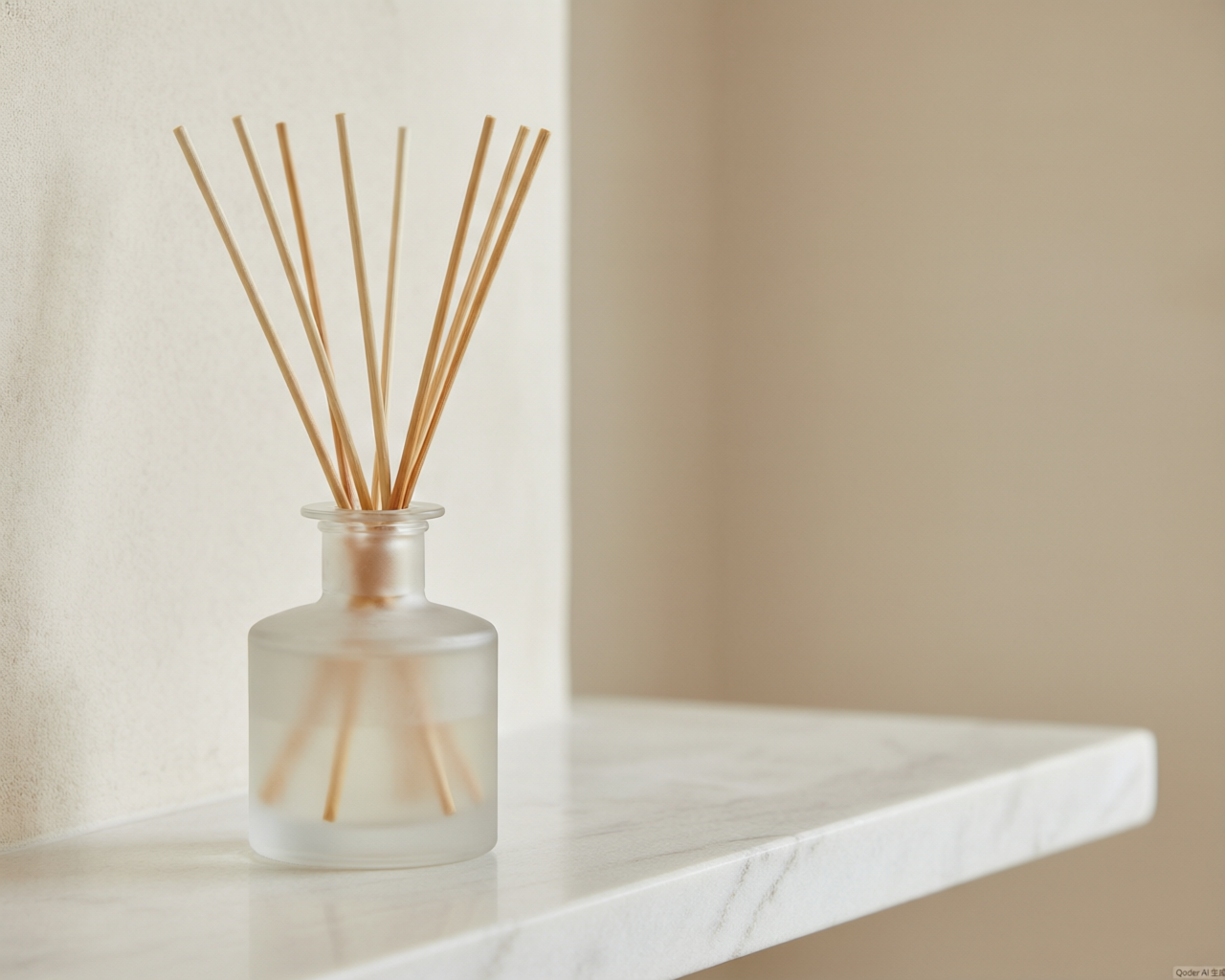
The most immediate difference buyers notice is unit cost. Here is a realistic comparison for a standard 200ml reed diffuser with custom fragrance:
- China (e.g., Guangdong region): $1.80-$3.50 per unit FOB, depending on volume and packaging complexity.
- Europe (e.g., France, Italy): $5.50-$12.00 per unit FOB for comparable specifications.
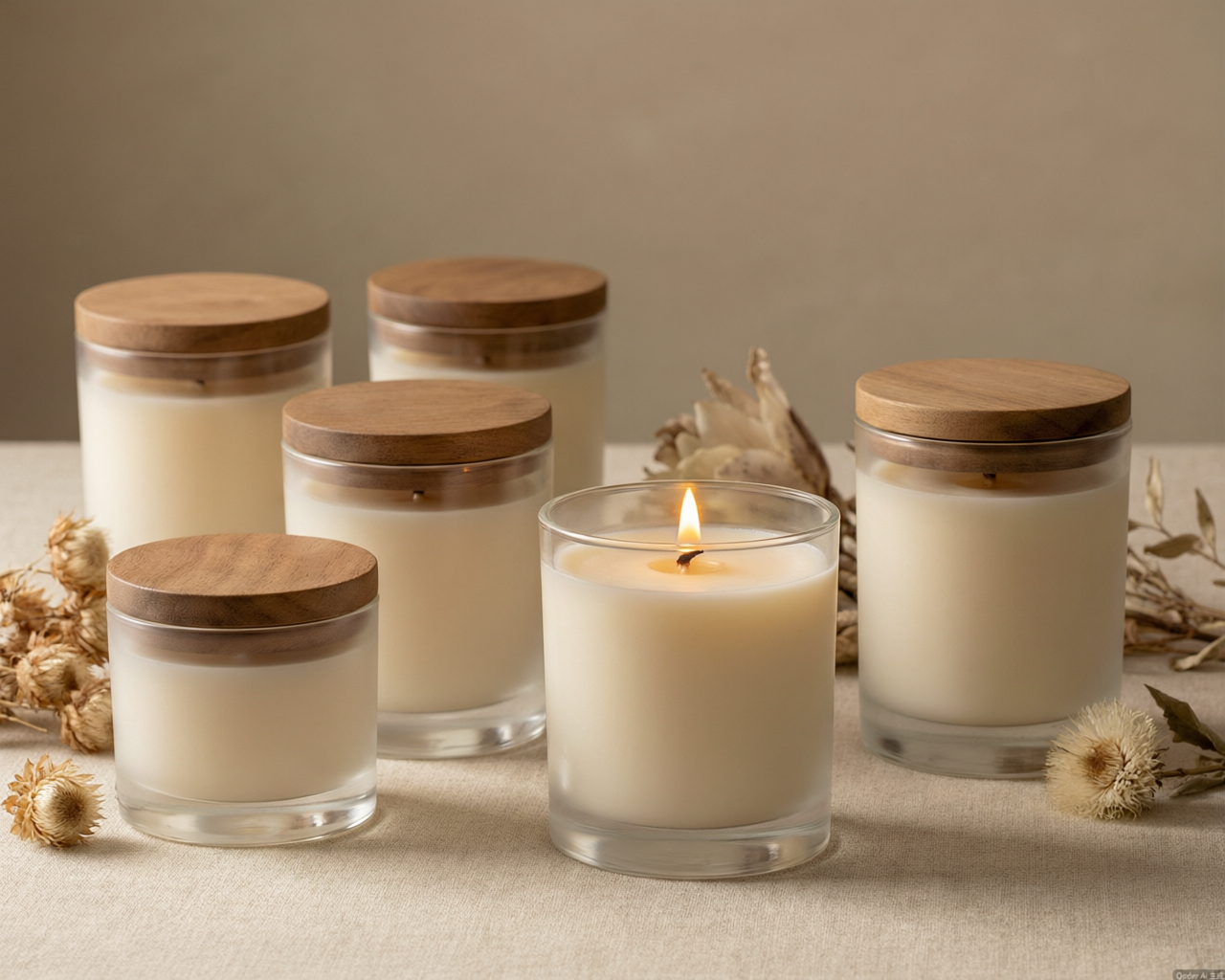
For scented candles (200g soy wax, glass vessel, custom label):
- China: $1.20-$2.80 per unit at 3,000+ units.
- Europe: $4.00-$9.00 per unit at similar volumes.
These gaps stem from labor costs (average manufacturing wage in Guangdong is roughly $4.50-$6.00/hour versus $18-$30/hour in Western Europe), lower overhead, and integrated supply chains where raw materials, glass, packaging, and assembly often sit within a 50km radius.
Minimum Order Quantities
MOQs differ substantially:
- Chinese factories typically accept 1,000-3,000 units per SKU for standard products, with some offering 500-unit runs for stock formulations.
- European manufacturers often require 5,000-10,000 units minimum, particularly for private-label fragrance work. Smaller European ateliers may accept 500 units but at a 40-60% price premium.
For startups and mid-size brands testing new markets, the lower Chinese MOQs reduce capital risk considerably.
Lead Times
- China: 25-40 days production plus 25-35 days ocean freight to North America or Europe. Total door-to-door: approximately 50-75 days.
- Europe: 15-30 days production. For European buyers, total delivery is 2-7 days by road. For US buyers, add 10-18 days ocean freight.
If speed to market within Europe is critical, European manufacturing wins. For planned inventory builds, Chinese lead times are manageable with proper forecasting.
Quality and Compliance
A common misconception is that lower cost means lower quality. In reality, established Chinese fragrance factories now operate under:
- ISO 9001 quality management systems
- IFRA (International Fragrance Association) compliance for fragrance formulations
- EU REACH and US CPSC compliance for export products
- GMP-certified production facilities
The key differentiator is not geography but factory selection. A well-audited Chinese factory producing for European private-label brands will meet the same IFRA 49th Amendment standards as a Grasse-based house. The difference lies in the percentage of factories that maintain these standards consistently. In Europe, regulatory enforcement is more uniform. In China, compliance varies widely between top-tier export factories and smaller domestic operations.
Fragrance Formulation Capability
European manufacturers, particularly in France, retain an edge in:
- Complex fine fragrance composition (50+ ingredient accords)
- Access to heritage raw materials (Grasse jasmine, May rose)
- Perfumer prestige and brand storytelling
Chinese factories excel in:
- Rapid formulation turnaround (7-14 days for custom scents vs. 4-8 weeks in Europe)
- Cost-effective replication of trending profiles
- Large-scale consistency across 100,000+ unit runs
- Integrated product development (fragrance + vessel + packaging under one roof)
For home fragrance, candles, and diffusers, Chinese formulation capability is now on par with European output for 90% of commercial applications.
Intellectual Property Considerations
European manufacturing operates under EU IP frameworks with straightforward legal recourse. In China, IP protection has improved significantly but requires proactive steps:
- Register trademarks in China before sharing formulations
- Use NNN (Non-Disclosure, Non-Use, Non-Circumvention) agreements rather than standard NDAs
- Work with factories that have existing Western brand clients (they have more to lose)
Budget $800-$1,500 for Chinese trademark registration and $500-$1,000 for a bilingual NNN agreement drafted by a China-specialized attorney.
Total Landed Cost Example
For 5,000 units of a 200ml reed diffuser shipped to Los Angeles:
| Cost Element | China | Europe (France) |
|---|---|---|
| Unit cost (FOB) | $2.50 | $7.00 |
| Ocean freight (per unit) | $0.35 | $0.55 |
| Import duty (US, ~6.5%) | $0.16 | $0.46 |
| Customs brokerage (amortized) | $0.06 | $0.06 |
| Total landed per unit | $3.07 | $8.07 |
At 5,000 units, the total savings with Chinese sourcing is approximately $25,000 on this single SKU.
When to Choose Each
Choose China if: You prioritize margin, need lower MOQs, want integrated packaging solutions, or are building a home fragrance brand at scale.
Choose Europe if: You are marketing “Made in France/Italy” as a brand attribute, need ultra-complex fine fragrance, or require 2-week delivery within the EU.
Final Consideration
Many successful brands use a hybrid model: European-sourced fine fragrance oils blended and assembled in China, capturing both the prestige of French perfumery and Chinese manufacturing efficiency. This approach adds $0.50-$1.50 per unit for the imported oil but retains 40-60% cost savings versus full European production.
The right choice depends on your brand positioning, volume, and timeline. Request samples from both origins before committing, and always audit factories in person or via third-party inspection regardless of geography.