Market Guides
Best Fragrance Products for Amazon FBA
Este artículo aún no está disponible en español. Lo estás viendo en inglés.

Amazon remains the largest single online channel for home fragrance in the United States, with the Home and Kitchen fragrance subcategory generating billions in annual sales. For private-label sellers, FBA offers Prime eligibility and hands-off logistics, but the program’s fee structure and hazmat rules make product selection a margin decision, not just a marketing one. This guide breaks down what sells, what to avoid, and what the numbers actually look like.
The Fragrance Categories That Sell on Amazon
Based on Best Seller Rank patterns and Jungle Scout / Helium 10 category data, the strongest fragrance subcategories for FBA sellers in 2025 are:
- Scented jar candles (8 to 12 oz) — the volume leader. Average retail price USD 12 to USD 22, with soy and coconut-soy blends outperforming paraffin in reviews.
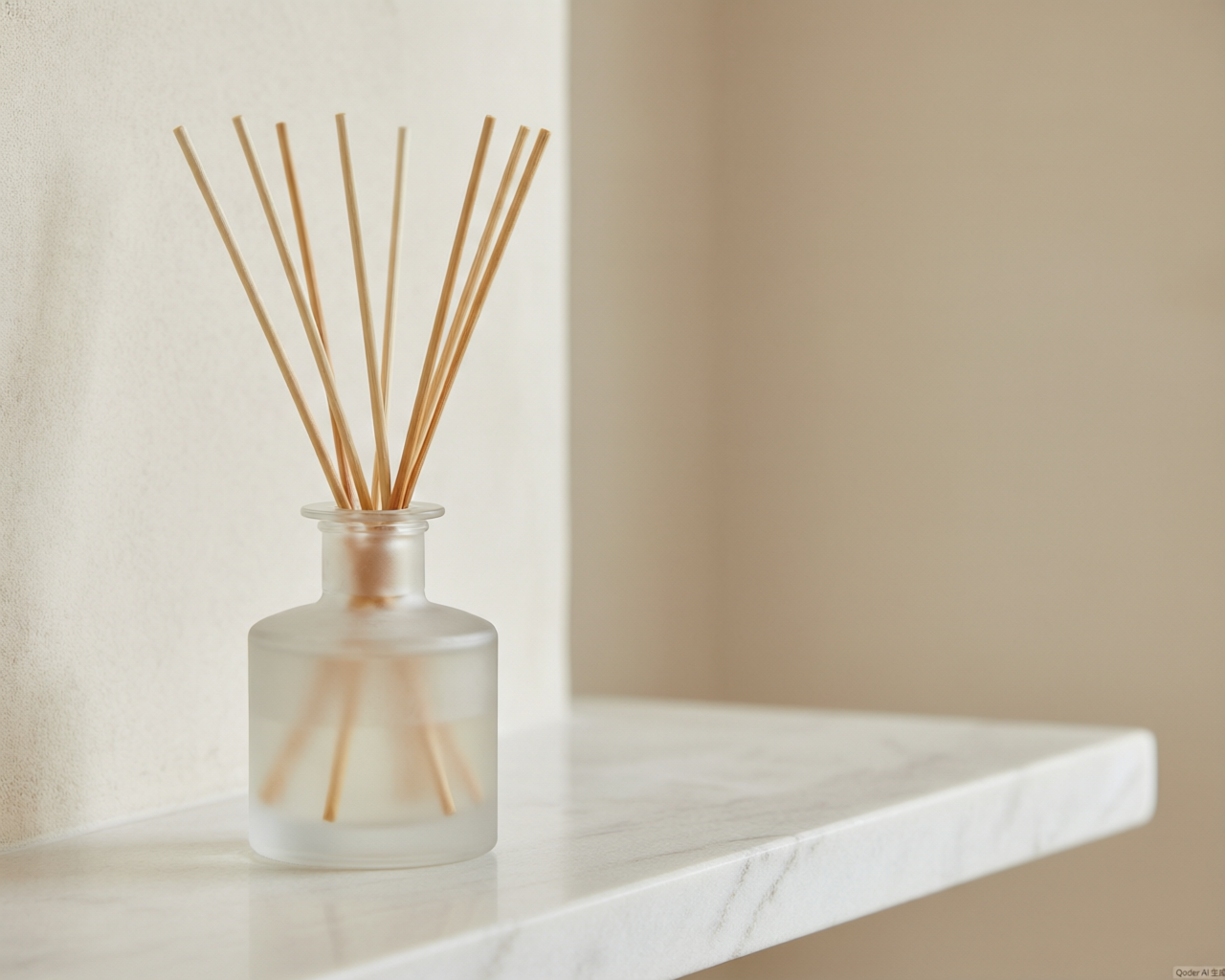
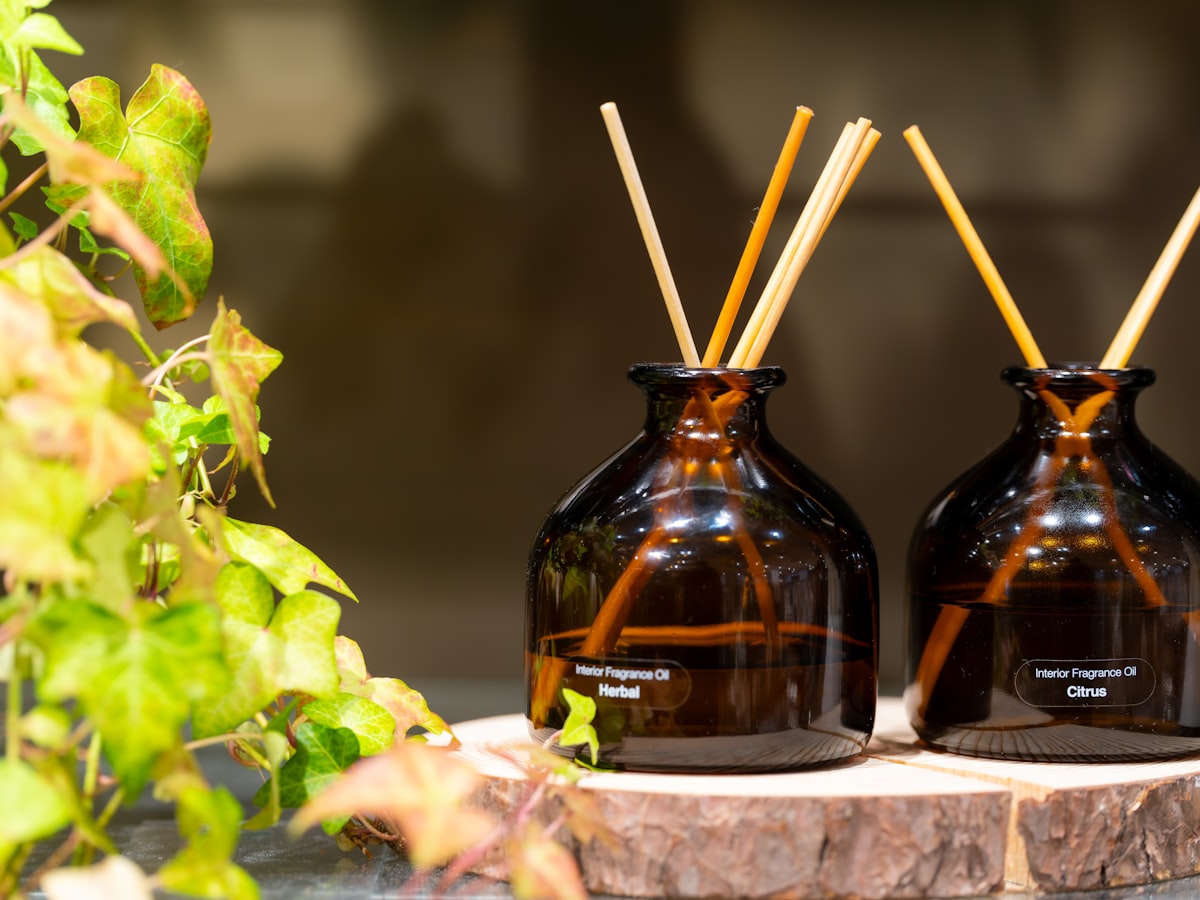
- Reed diffusers (3.4 to 6.8 oz) — strong gifting demand, fewer hazmat issues than sprays, average price USD 18 to USD 30.
- Wax melts and tart packs — low unit cost, high repeat purchase, average price USD 9 to USD 16.
- Car vent clips and hanging diffusers — fast-growing niche, average price USD 10 to USD 18.
- Essential oil gift sets (6 to 8 bottles) — seasonal spikes in Q4 and around Mother’s Day, average price USD 14 to USD 25.
- Pillow and linen mists — wellness-adjacent positioning, average price USD 12 to USD 20.
The common thread is a retail price between USD 12 and USD 30, which is the sweet spot for FBA economics: high enough to absorb fees, low enough to convert without heavy discounting.
Products to Avoid or Approach Carefully
- Aerosol room sprays — classified as dangerous goods (UN 1950), they require hazmat approval, dedicated FBA inventory, and frequently trigger long restock holds.
- High-alcohol perfumes and colognes (3303.00) — flammable liquid restrictions, plus intense brand competition from established houses.
- Candles over 16 oz or multi-wick vessels — dimensional weight fees erode margin, and breakage rates climb.
- Glass diffuser bottles over 8 oz — high breakage in FBA handling; Amazon’s prep requirements add cost.
- Anything making drug claims (“cures insomnia,” “treats anxiety”) — FDA warning letter risk and listing suspension.
- Counterfeit-adjacent branded scents (“Baccarat Rouge dupe”) — IP takedown risk under Amazon’s Brand Registry program.
FBA Fee Structure for Fragrance Sellers
For a typical 12 oz candle shipping at roughly 1.2 lb in retail packaging, 2025 FBA fees look like this:
| Fee | Approximate amount |
|---|---|
| Referral fee (Home category, 15 percent) | USD 2.40 on a USD 16 sale |
| FBA fulfillment fee (standard size, 1 to 1.5 lb) | USD 5.40 to USD 6.10 |
| Monthly storage (Jan to Sep, per cubic foot) | USD 0.87 |
| Monthly storage (Oct to Dec, per cubic foot) | USD 2.40 |
| Aged inventory surcharge (over 181 days) | USD 0.50 to USD 6.90 per unit |
A USD 16 candle sourced at USD 3.50 landed therefore yields roughly USD 4 to USD 5 gross margin before advertising. Sellers should target a landed cost below 25 percent of retail price to leave room for PPC, which in fragrance categories averages USD 0.80 to USD 1.60 per click and an ACoS of 25 to 40 percent.
Hazmat and Compliance Requirements
Amazon requires the following before listing fragrance products:
- Safety Data Sheet (SDS) in GHS format, uploaded through the Manage Dangerous Goods portal.
- Exemption sheet for products that are not regulated as dangerous goods (most soy candles, wax melts, and low-alcohol diffusers qualify).
- UN38.3 documentation only if the product contains lithium batteries (relevant for USB electric diffusers).
- ASTM F2417 fire safety labeling for candles, verified through product images.
- California Prop 65 warning if applicable.
Review times for SDS approval typically run 2 to 5 business days, but hazmat-classified products can take 2 to 4 weeks and may be limited to specific fulfillment centers.
Sourcing Strategy for FBA Sellers
Successful Amazon fragrance sellers usually:
- Start with 3 to 5 SKUs in a single scent family to concentrate reviews.
- Order 500 to 1,000 units per SKU from a Chinese OEM, balancing MOQ economics against storage fees.
- Use FNSKU barcodes printed at the factory to avoid Amazon prep fees of USD 0.55 per unit.
- Ship by ocean to a US 3PL first, then send smaller batches to FBA to avoid long-term storage surcharges.
- Refresh scent collections seasonally — Q4 (pine, cinnamon, vanilla), Q1 (clean linen, eucalyptus), Q2 (citrus, floral), Q3 (fig, tobacco, amber).
At Aromiso, FBA-ready packaging includes FNSKU placement, master cartons built to Amazon’s 25-inch and 50-lb limits, and SDS documentation formatted for the Manage Dangerous Goods upload portal.
Final Thoughts
The best fragrance products for Amazon FBA are not the most exotic; they are the most predictable. Mid-size candles, reed diffusers, and wax melts in the USD 12 to USD 30 range, sourced at a landed cost below 25 percent of retail, give sellers the margin to survive PPC competition and storage fees. Avoid aerosols and high-alcohol products unless you have hazmat logistics experience, and treat SDS and labeling compliance as a launch prerequisite rather than a cleanup task.