Market Entry
Canadian Fragrance Market: Bilingual Labeling, Regulations & Retail
Dieser Leitfaden ist noch nicht auf Deutsch verfügbar. Sie lesen die englische Version.

Canada is one of the most attractive North American markets for home fragrance brands, but it is also one of the easiest to get wrong. Per-capita spending on candles and home fragrance in Canada runs close to USD 55 per year, the specialty retail channel is consolidated under a handful of powerful buyers, and consumers in Quebec, Ontario, and British Columbia actively reward brands that look “local-ready.” Yet every quarter, shipments of scented candles and reed diffusers are held at the border, refused by retailers, or quietly delisted for one preventable reason: the label was English-only, the ingredient disclosure did not match Health Canada expectations, or the carton markings did not satisfy the Canada Consumer Product Safety Act (CCPSA).
If you are a procurement manager or brand owner sourcing from China, the gap between a “US-ready” SKU and a “Canada-ready” SKU is smaller than you think — but it is not zero. This guide breaks down the canadian fragrance market into the decisions that actually move money: which regulations apply to which product, what a compliant bilingual candle label must contain, what Canadian retailers pay and what margins they expect, and how to structure your OEM program so your first purchase order clears customs in 7 to 14 days rather than sitting in a CBSA hold. Use it as a checklist before you sign a production contract, not after.
Why Canada Rewards Prepared Suppliers
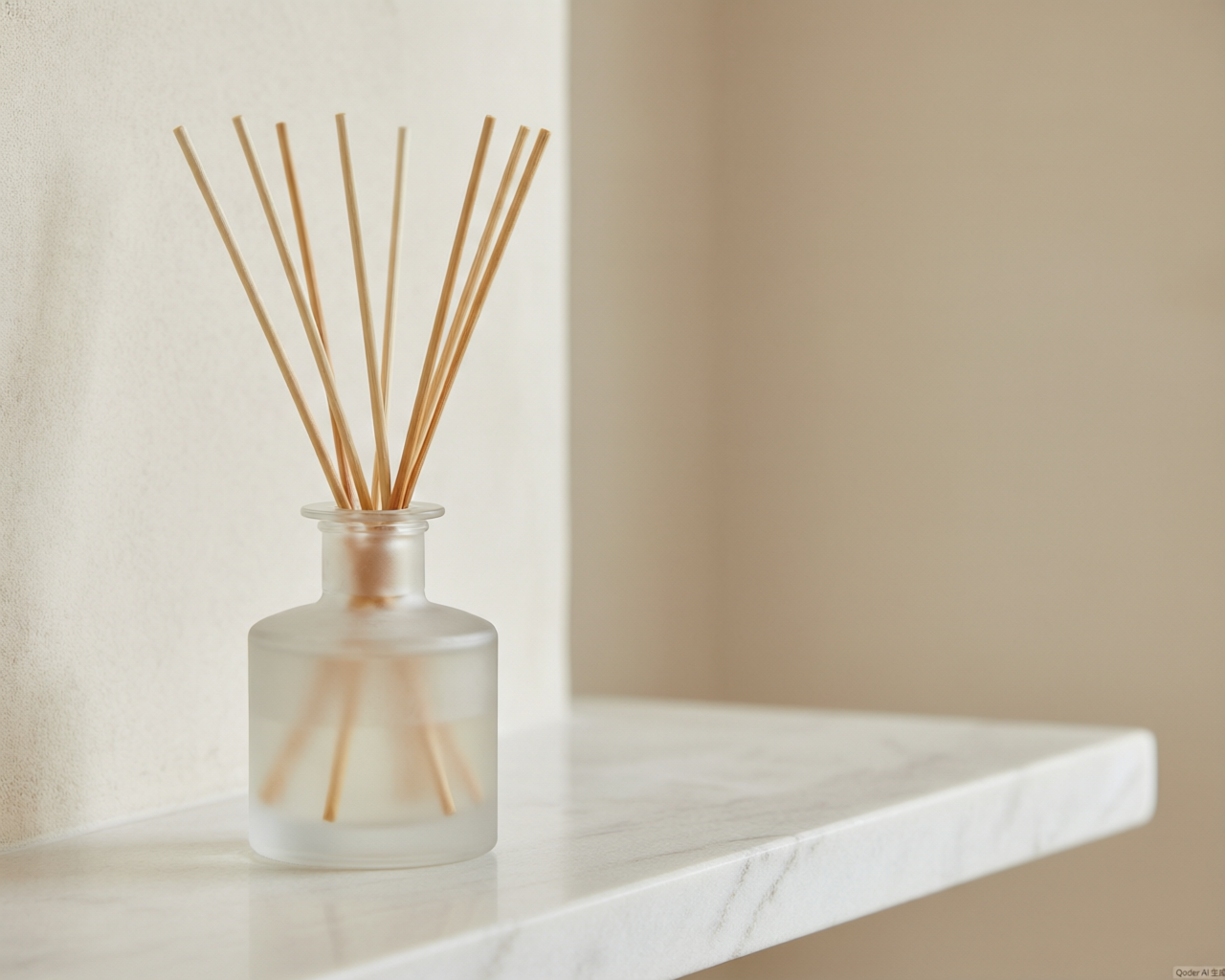
The canadian home fragrance category is worth roughly CAD 1.4 to 1.6 billion at retail, with candles holding about 55 percent of value and reed diffusers, room sprays, and electric diffusers splitting the rest. Growth is concentrated in three segments: soy and coconut-blend candles priced CAD 28 to 48, reed diffusers in the CAD 35 to 65 gifting tier, and refillable formats that align with provincial waste-reduction messaging.
- Channel concentration: Indigo, Simons, HomeSense/Marshalls (TJX Canada), Canadian Tire, and Sephora Canada together account for an outsized share of prestige and mid-market fragrance sales. One approved vendor agreement can equal 80 to 200 doors overnight.
- Bilingual reality: Roughly 22 percent of Canadians speak French as a first language, and Quebec law (Charter of the French Language, Bill 96) makes French labeling not optional but enforceable, with fines starting around CAD 3,000 for repeat corporate offenders.
- Premium tolerance: Canadian consumers pay 15 to 25 percent more than US shoppers for equivalent SKUs, which absorbs the incremental cost of bilingual artwork and dual-compliance testing.
The takeaway for buyers: Canada is a margin market, not a volume market. The suppliers who win are the ones who treat compliance as a feature, not an afterthought.
Canada Fragrance Regulations: The Three Layers You Must Clear
There is no single “fragrance license” in Canada. Instead, canada fragrance regulations stack three layers, and your OEM factory must document compliance for each before production, not after.
| Layer | Authority | Applies To | What You Must Provide |
|---|---|---|---|
| Product safety | Health Canada under CCPSA | Candles, diffusers, sprays, wax melts | Incident records, hazard testing, recall plan |
| Chemical disclosure | Health Canada CEPA + Cosmetic Regulations | Anything skin-adjacent or aerosolized | Full ingredient list, IFRA certificate, allergen declaration |
| Labeling & language | Competition Bureau + OQLF (Quebec) | All consumer-facing packaging | Bilingual EN/FR label, net quantity in metric, country of origin |
- CCPSA (Canada Consumer Product Safety Act): Requires that consumer products sold in Canada do not pose unreasonable danger. For candles, this means documented burn testing, flame-height limits, and a written recall procedure on file with your importer of record.
- Cosmetic vs. consumer product: A reed diffuser is generally a consumer product; a “skin-safe” pillow mist or perfume-grade body oil crosses into cosmetic territory and triggers a Cosmetic Notification Form (CNF) within 10 days of first sale. Misclassifying this is the single most common reason a fragrance SKU gets pulled from Canadian shelves.
- VOC and aerosol rules: Room sprays and car fragrances may fall under provincial solvent regulations (Ontario’s O. Reg. 419/05 is the strictest). Confirm VOC content is below 100 g/L for general air fresheners before quoting a national launch.
The Bilingual Candle Label: A Field-by-Field Checklist
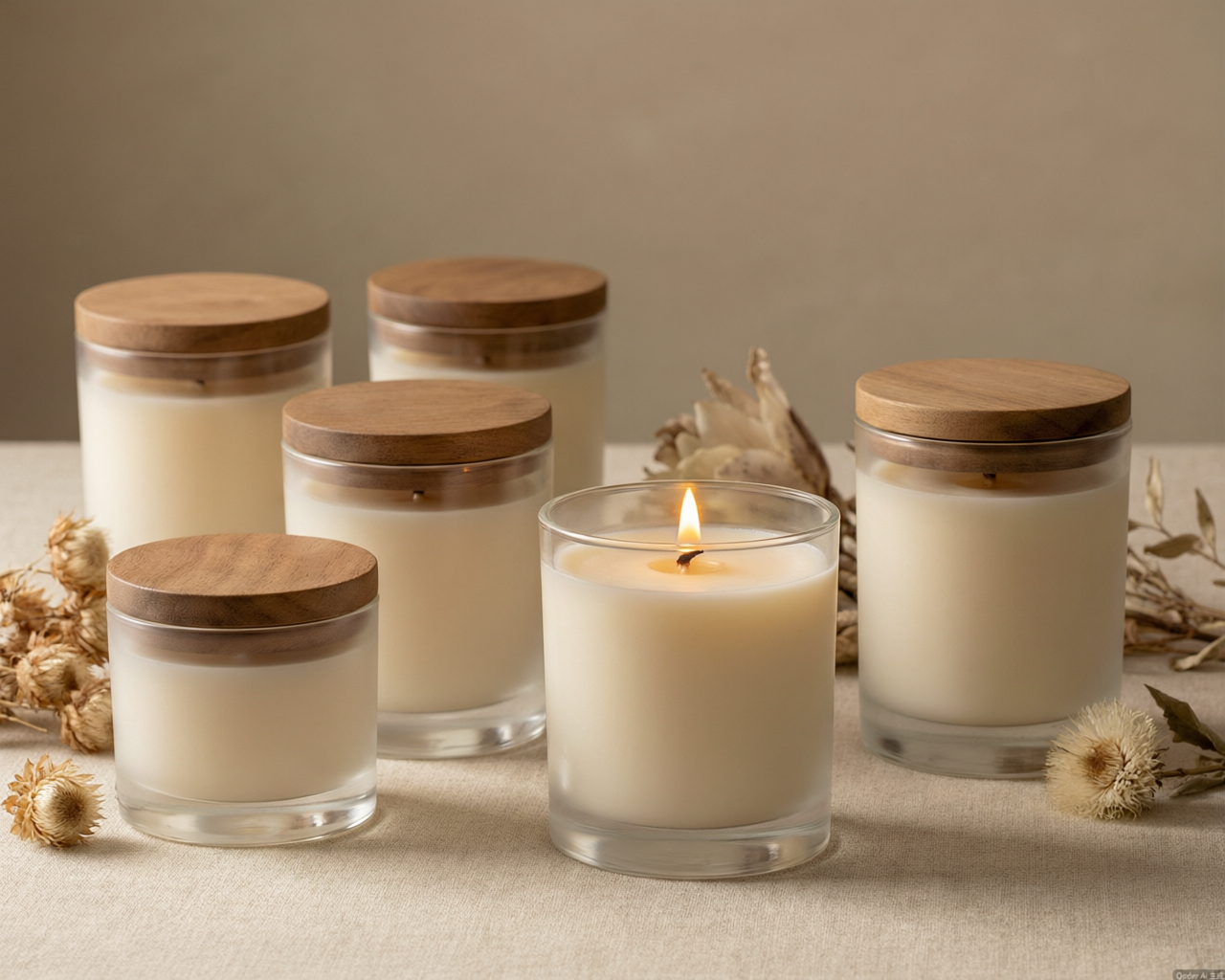
A bilingual candle label is the most visible compliance artifact in the canadian fragrance market, and the one buyers most often get wrong. Under the Consumer Packaging and Labelling Act and Quebec’s Bill 96, French must be at least as prominent as English — same font size, same color weight, same placement priority.
- Product identity: “Scented Candle / Bougie parfumée” — both languages, equal prominence, on the principal display panel.
- Net quantity: Metric first (e.g., “220 g / 7.7 oz”), bilingual, on the principal display panel. Imperial alone is non-compliant.
- Dealer name and address: Importer of record in Canada, not just the Chinese factory. Bilingual if the address contains descriptive words.
- Country of origin: “Made in China / Fabriqué en Chine” — required for all imported consumer products.
- Warnings and directions: Burn time, wick trimming, “keep away from children / tenir hors de portée des enfants,” and the full candle fire-safety block in both languages. ASTM or CSA-equivalent pictograms are strongly preferred by retailers.
- Fragrance allergens: While not yet mandated at the federal level for non-cosmetic fragrance, listing the 26 EU allergens (linalool, limonene, geraniol, etc.) is now a de facto requirement for Indigo, Sephora Canada, and most specialty buyers.
Budget CAD 0.04 to 0.12 per unit for bilingual label conversion on a standard 200 g candle jar, and 4 to 6 weeks for legal review and OQLF pre-clearance if you are launching in Quebec mass retail. Aromiso’s OEM program ships with bilingual artwork templates pre-validated against current OQLF guidance, which typically shaves 2 to 3 weeks off the artwork cycle.
Product Safety, Testing, and Documentation
Canadian buyers will request a compliance package before issuing a PO, not after. A complete file for a candle or diffuser SKU usually runs 25 to 40 pages and costs USD 1,200 to 2,800 per SKU to assemble through accredited labs such as SGS, Intertek, or Bureau Veritas.
- Burn and flame testing: Minimum 3-candle burn cycle, flame height under 5 cm, no secondary ignition. Allow 2 to 3 weeks.
- IFRA certificate: Confirms fragrance oil concentration is within International Fragrance Association limits for the product category. Your oil house must issue this; insist on the latest IFRA 51st Amendment version.
- SDS (Safety Data Sheet): 16-section GHS format, bilingual EN/FR, dated within the last 3 years. CBSA officers and retailer DCs both request this.
- Heavy metals and phthalate statement: Especially for colored candles and reed diffuser liquids. A “phthalate-free, paraben-free” claim must be substantiated or it breaches Competition Bureau advertising rules.
A practical rule: if your factory cannot produce the IFRA certificate and SDS in bilingual format on demand, treat that as a red flag during supplier qualification, not a problem to solve at shipping time.
Retail Channels and the Numbers Buyers Care About
Pricing in the canadian home fragrance market is structured around landed cost, not FOB. Canadian retail buyers typically work backward from a target shelf price.
| Channel | Typical Shelf Price (200 g candle) | Buyer Margin | Landed Cost Target | MOQ Reality |
|---|---|---|---|---|
| Specialty boutique (independent) | CAD 32 to 48 | 50 to 55% | CAD 9 to 14 | 200 to 500 units |
| Indigo / Chapters | CAD 28 to 45 | 50 to 60% | CAD 8 to 13 | 1,500 to 5,000 units |
| HomeSense / TJX Canada | CAD 16 to 26 | 40 to 50% | CAD 5 to 9 | Opportunistic, 3,000+ |
| Sephora Canada (prestige) | CAD 55 to 95 | 50 to 60% | CAD 16 to 28 | 1,000 to 3,000 units |
| Canadian Tire / mass | CAD 12 to 24 | 45 to 55% | CAD 4 to 8 | 5,000 to 20,000 units |
- Lead times: Ocean freight from Shenzhen or Ningbo to Vancouver is 18 to 24 days; to Toronto via Montreal or rail is 30 to 40 days. Add 7 to 14 days for CBSA clearance on first shipments.
- Duty and tax: Scented candles (HS 3406.00) enter Canada duty-free under MFN; reed diffuser liquids (HS 3307.49) typically enter at 6.5 percent. GST of 5 percent applies at import; Quebec adds 9.975 percent QST.
- Chargebacks: Major Canadian retailers assess CAD 250 to 1,500 per incident for ASN errors, late shipments, or non-compliant cartons. Build a 1.5 to 2 percent allowance into your margin model.
Sourcing From China: Structuring the OEM Relationship
The difference between a smooth Canadian launch and a costly one is almost always decided at the OEM contract stage, not at the dock. When you request a quote, specify these five items in writing before tooling begins.
- Incoterms: Prefer FOB Shenzhen/Ningbo with a Canadian freight forwarder you control, or DDP Toronto if you want the factory to own duty and clearance. Avoid EXW for first orders — you lose visibility on export documentation.
- Bilingual artwork ownership: Confirm who owns the print-ready files and who pays for OQLF legal review. A clear clause prevents last-minute renegotiation.
- Compliance deliverables: IFRA certificate, bilingual SDS, burn test report, and a signed CCPSA recall cooperation letter, all due before final balance payment.
- Carton and pallet spec: Canadian Tire and Indigo both publish routing guides. Specify GMA pallets, 48-inch max height, SSCC-18 labels, and bilingual case marks at the contract stage.
- Sample protocol: Two pre-production samples shipped to Canada for buyer approval, plus one retained golden sample at the factory for 24 months.
Aromiso’s product catalog lists SKUs already engineered to Canadian specifications — bilingual-ready jar formats, IFRA-51-compliant oil loads, and carton configurations pre-tested against major Canadian retailer routing guides.
A 90-Day Launch Checklist
- Days 1 to 15: Finalize SKU list, confirm HS codes, lock bilingual naming, sign OEM contract with compliance deliverables attached.
- Days 16 to 45: Submit artwork for OQLF and legal review, run burn and IFRA testing, ship pre-production samples to the Canadian buyer for sign-off.
- Days 46 to 75: Mass production with AQL 2.5 pre-shipment inspection, compile bilingual SDS and IFRA file, engage a Canadian customs broker.
- Days 76 to 90: Ocean freight, CBSA clearance, retailer DC delivery, first sell-through report at day 14 post-shelf.
Next Steps
Selling fragrance in Canada is a discipline, not a translation exercise. The brands that win treat bilingual labeling, CCPSA documentation, and IFRA compliance as product features that justify premium shelf placement — and they lock those requirements into the OEM contract before a single unit is poured.
If you are planning a Canadian launch in the next two quarters, start with three actions this week: pull your current label artwork and audit it against the bilingual checklist above, request IFRA certificates and bilingual SDS files for your top five SKUs, and benchmark your landed cost against the channel table to confirm your margin survives a 6.5 percent duty line. Then talk to a factory that has done this before. Aromiso supports Canadian launches end-to-end, from bilingual artwork and IFRA-compliant oil formulation to retailer-ready cartons and DDP Toronto delivery. Browse the product catalog, explore the OEM program, or request a quote with your target SKU list and channel — a Canadian-compliant proposal typically lands in your inbox within 3 business days.