Trends & Innovation
Home Fragrance Market 2027: Size, Growth Forecasts & Opportunities
Dieser Leitfaden ist noch nicht auf Deutsch verfügbar. Sie lesen die englische Version.

If you are a brand owner or procurement manager planning your 2027 product roadmap, the home fragrance market presents both a clear opportunity and a genuine sourcing challenge. Global retail sales of home fragrance products are projected to reach $14.8 billion by the end of 2027, up from an estimated $12.1 billion in 2025, representing a compound annual growth rate of approximately 10.6%. Yet many buyers we speak with still struggle to translate macro-level growth data into concrete decisions: which product categories will capture the most incremental demand, what unit economics make sense for a China-sourced supply chain, and how to position a private label line before the market saturates further.
The gap between market forecasts and actionable procurement strategy is where most brands lose margin. A 10% CAGR headline does not tell you that reed diffuser unit costs from Guangdong factories dropped 8% year-over-year in 2025 while retail ASPs held steady, or that the candle market forecast 2027 models underweight the commercial and hospitality segment that is now growing at 14% annually. This guide breaks down the home fragrance market size projections by category, identifies the highest-opportunity segments for B2B buyers, and provides a sourcing checklist you can use to lock in supplier terms before peak-season capacity tightens in Q3 2026.
Market Size and Growth by Product Category
The fragrance industry growth trajectory varies significantly across product types. Understanding where volume is expanding fastest helps you allocate SKU development budgets and negotiate MOQs with confidence.
| Product Category | 2025 Est. Value (USD) | 2027 Projected Value (USD) | CAGR 2025-2027 | Key Demand Driver |
|---|---|---|---|---|
| Scented candles | $5.2B | $6.4B | 10.9% | Premium gifting, wellness positioning |
| Reed diffusers | $2.8B | $3.5B | 11.8% | Flame-free regulations, rental housing |
| Essential oils (home use) | $1.9B | $2.3B | 10.0% | Aromatherapy mainstream adoption |
| Car fragrances | $1.1B | $1.4B | 12.9% | EV interior customization trend |
| Commercial diffusers | $1.1B | $1.5B | 16.8% | Hospitality and retail scent branding |
Scented candles remain the largest single category, but the candle market forecast 2027 models show growth concentrating in the $25-$65 retail price band. Sub-$15 commodity candles face margin compression from big-box private labels. If you are entering this space, target the mid-premium tier where OEM differentiation (custom vessels, layered scent profiles, branded packaging) commands 40-55% gross margins at retail.
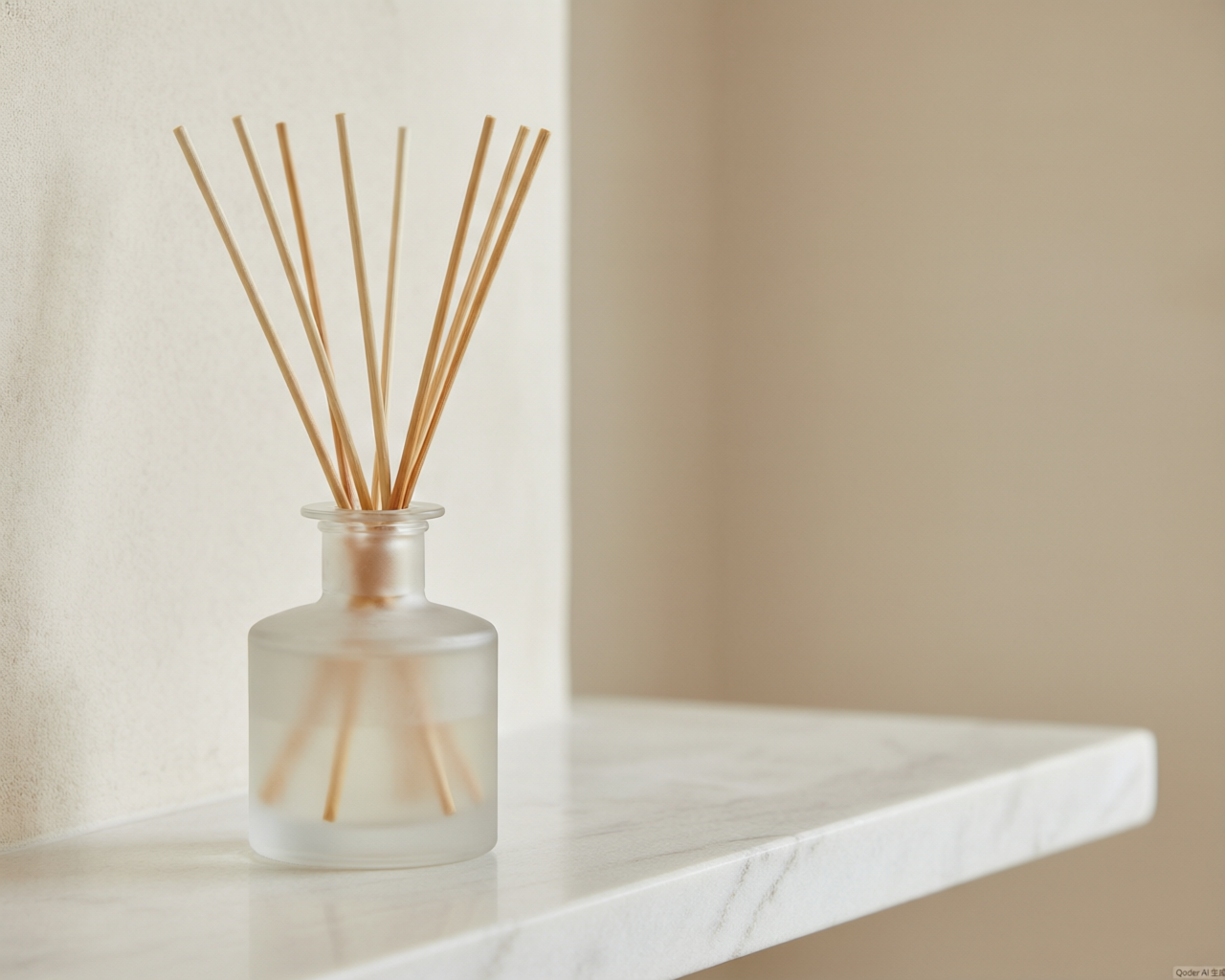
Reed diffusers are the fastest-growing consumer segment for a structural reason: fire-safety regulations in multi-unit housing across the EU, UK, and major US metro areas are effectively pushing flame-free alternatives. Factory-gate pricing for a 150ml reed diffuser with custom labeling runs $2.80-$4.50 per unit at 1,000-unit MOQs from verified Chinese suppliers, leaving substantial room for a $22-$38 retail price point.
Commercial diffusers represent the highest CAGR but require a different sales motion. Hospitality groups, coworking operators, and retail chains are signing 12-36 month scent contracts, creating recurring revenue models that did not exist in this category five years ago.
Regional Demand Hotspots for 2027
Home scent market trends are not uniform globally. Procurement teams should align product specifications with regional regulatory and consumer preference shifts.
- North America (38% of global demand): The US market is projected to reach $5.6B by 2027. Growth is driven by DTC brands and Amazon FBA sellers who need 500-2,000 unit MOQs with FBA-ready packaging. California Prop 65 and CPSC labeling remain the primary compliance hurdles.
- Europe (29% of global demand): CLP Regulation (EC) No 1272/2008 labeling is mandatory. The EU market favors refillable and recyclable formats. Germany, France, and the UK account for 62% of European home fragrance spend. Expect allergen disclosure requirements to tighten further in 2027.
- Asia-Pacific (24% of global demand): The fastest-growing region at 12.4% CAGR. China’s domestic market is expanding rapidly, but Southeast Asia (particularly Indonesia, Thailand, and Vietnam) represents the highest growth for imported finished goods. Halal certification is increasingly requested for Gulf-bound re-exports.
- Middle East and Africa (9% of global demand): Luxury oud and amber profiles dominate. Average unit prices run 30-45% higher than Western equivalents. Dubai and Riyadh retail expansion is creating new wholesale channels.
Supply-Side Dynamics: What China Sourcing Looks Like in 2027
The fragrance industry growth story is partly a manufacturing story. China produces an estimated 65-70% of the world’s reed diffusers and scented candles by unit volume, with Guangdong, Zhejiang, and Shandong provinces concentrating the majority of export-capable factories.
Key supply-side shifts to plan around:
- Raw material costs: Paraffin wax pricing stabilized at $1,050-$1,250/MT in late 2025 after the 2022-2023 volatility. Soy wax blends command a 15-25% premium but are increasingly specified by EU and US buyers for sustainability positioning. Fragrance oil costs remain the largest variable, ranging from $18-$85/kg depending on complexity and IFRA compliance tier.
- Labor and automation: Tier-1 factories have invested in automated filling and labeling lines, reducing per-unit labor costs by 12-18% since 2023. However, skilled perfumers and QC technicians remain scarce, which is why lead times for custom scent development still run 45-75 days.
- Compliance overhead: Factories serving EU and US markets now budget 3-5% of revenue for testing, certification, and documentation (SDS, IFRA certificates, CLP labels, CPSIA where applicable). Confirm your supplier includes this in quoted pricing rather than adding it as a surcharge.
- MOQ flexibility: The market has shifted. Five years ago, 5,000-unit minimums were standard. In 2026-2027, competitive OEM factories offer 500-1,000 unit MOQs for standard formats and 2,000-3,000 for fully custom tooling. Use this to test 3-4 SKUs before committing to container volumes.
Highest-Opportunity Segments for New Entrants
Based on current home scent market trends and our production data across 200+ brand partners, three segments offer the best risk-adjusted returns for brands entering or expanding in 2027:
- Refillable reed diffuser systems: Consumer willingness to pay for a “starter kit + refill” model is 22% higher than single-purchase formats. Factory cost for a ceramic vessel + 2 refill pouches runs $5.50-$7.80 per set. Projected retail: $38-$55. Repeat purchase rate at 60 days averages 34% in subscription models.
- EV-specific car fragrances: Electric vehicle owners spend 2.3x more on interior accessories than ICE vehicle owners (per 2025 JD Power data). Clip-on and vent-mounted formats with 60-90 day longevity are in highest demand. Unit cost from OEM: $1.20-$2.80. Retail: $12-$28.
- Hospitality scent programs (white-label): Boutique hotel groups with 15-80 properties are outsourcing signature scent development. Contract values range from $8,000-$45,000 annually per property group, covering diffuser hardware, fragrance oil replenishment, and seasonal rotation. Margins on recurring oil supply run 60-70%.
Pricing Benchmarks and Margin Planning
Use these factory-gate benchmarks (FOB Shenzhen/Ningbo, 2026 pricing) to build your landed-cost models:
| Product | MOQ | Unit Cost (FOB) | Landed Cost (US/EU) | Suggested Retail | Gross Margin |
|---|---|---|---|---|---|
| 200g soy candle, custom label | 1,000 pcs | $3.20-$5.10 | $4.80-$7.40 | $28-$42 | 48-58% |
| 150ml reed diffuser, boxed | 1,000 pcs | $2.80-$4.50 | $4.20-$6.60 | $24-$38 | 50-62% |
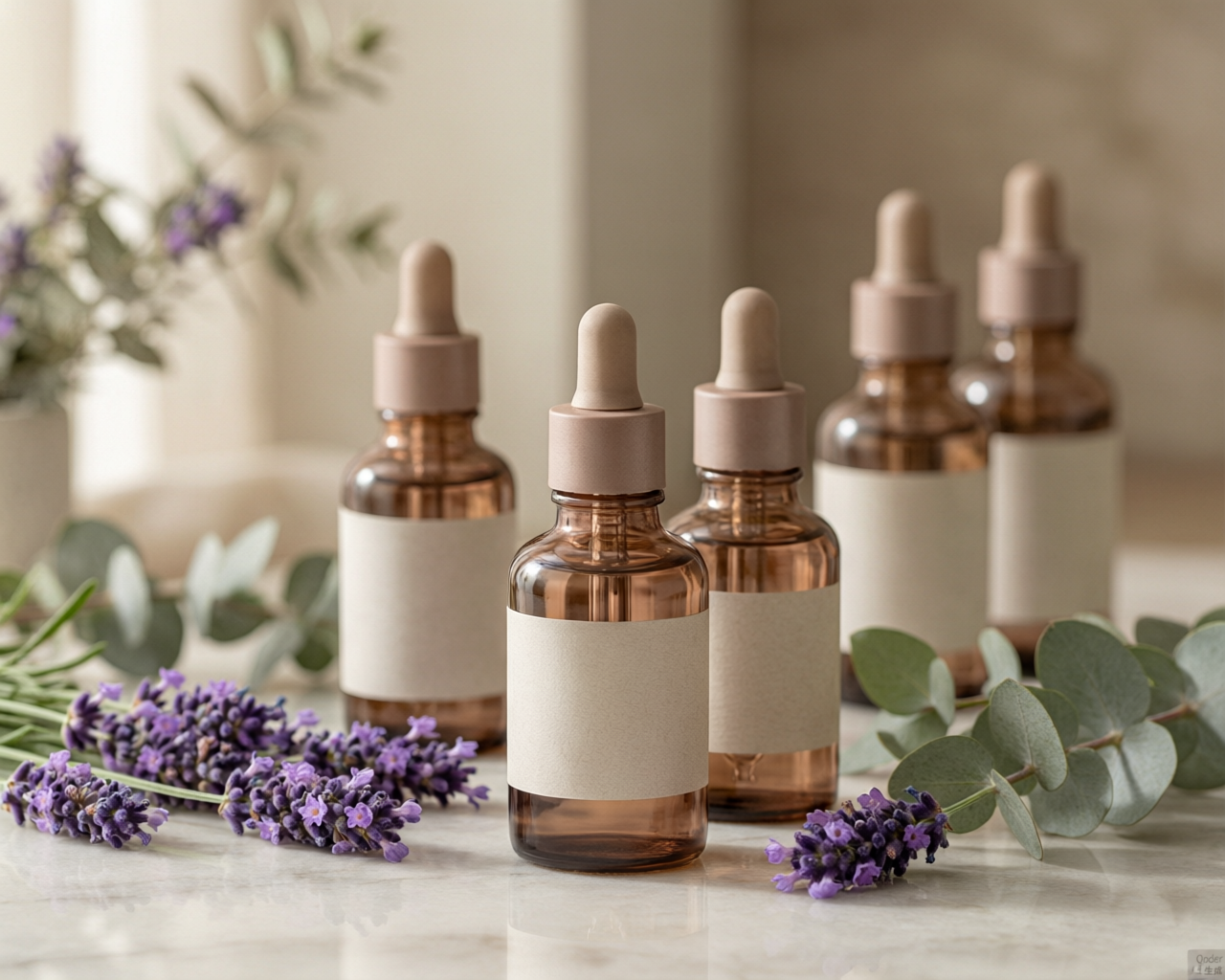
| 10ml essential oil blend, branded | 2,000 pcs | $1.90-$3.40 | $2.90-$5.00 | $16-$28 | 55-68% |
| Car vent clip fragrance | 3,000 pcs | $1.20-$2.80 | $1.90-$4.10 | $12-$24 | 58-72% |
| Commercial HVAC diffuser unit | 50 pcs | $45-$120 | $68-$165 | $180-$450 | 55-63% |
Landed cost estimates include ocean freight ($0.35-$0.80/unit depending on volume), import duties (3.9-6.5% for most HS codes under candles and perfumery), and customs brokerage. Air freight adds $1.50-$3.50/unit but reduces lead time from 35-45 days to 7-12 days.
Sourcing Timeline: From Brief to Shelf in 2027
Plan your procurement calendar against these realistic milestones:
- Weeks 1-2: Finalize product brief (scent direction, format, target cost, compliance markets). Request samples from 3-5 shortlisted suppliers. Review our product catalog for format options.
- Weeks 3-6: Sample evaluation. Expect 2-3 revision rounds for custom scents. Confirm vessel/packaging tooling availability. Lock fragrance formula with IFRA documentation.
- Weeks 7-10: Pre-production sample approval. Finalize packaging artwork, barcode placement, and compliance labeling for target markets. Sign PO with 30% deposit terms.
- Weeks 11-16: Mass production (14-21 days for standard orders, 28-35 days for custom tooling). In-line QC inspection at 20% and 80% completion. Pre-shipment inspection (AQL 2.5/4.0).
- Weeks 17-22: Ocean transit, customs clearance, and last-mile delivery to warehouse or FBA prep center.
Total timeline: 18-22 weeks from initial brief to inventory on hand. For Q4 2027 holiday selling, initiate supplier conversations no later than May 2027. For a faster path, explore our OEM program which offers in-stock semi-custom options with 4-6 week turnaround.
Risk Mitigation Checklist for 2027 Procurement
Protect your margins and timelines with these specific actions:
- Dual-source critical SKUs: Qualify a secondary factory for any product exceeding 15% of revenue. The cost of a second audit ($800-$1,500) is trivial against a stockout during peak season.
- Lock fragrance oil pricing: Negotiate 6-month price holds on your top 3 scent formulas. Fragrance oil suppliers adjust quarterly; a fixed-price addendum saves 4-9% on annual spend.
- Verify compliance documentation upfront: Request IFRA certificates, SDS sheets, and test reports (heavy metals, phthalates, flash point) before placing deposits. Retrofitting compliance after production adds $0.15-$0.40/unit and 2-3 weeks.
- Build in a 10% buffer for customs delays: US port congestion and EU documentation checks added an average of 6 days to clearance times in 2025. Factor this into your sell-through planning.
- Specify packaging drop-test standards: ISTA 3A or equivalent. Fragrance products have a 2-4% breakage rate in transit without proper inserts. Corrugated dividers add $0.08-$0.15/unit but reduce claims by 70%.
Next Steps
The home fragrance market size projections for 2027 confirm sustained double-digit growth, but capturing that growth requires disciplined sourcing decisions made 5-6 months before your target launch window. The brands that will outperform are those locking in OEM partnerships, finalizing compliance documentation, and securing production slots before the Q3 2026 capacity crunch.
If you are planning a new product line or expanding an existing range, start with three actions this week:
- Define your top 2 target categories and compliance markets using the data tables above.
- Review the product catalog to identify formats that match your price positioning.
- Request a quote with your brief attached — include target unit cost, MOQ, timeline, and destination market. You will receive a detailed proposal with sample options within 2 business days.
The fragrance industry growth window is real, but factory capacity for Q4 2027 delivery will begin filling by August 2026. Early movers secure better pricing, shorter lead times, and priority scheduling. Start the conversation now.