Market Guides
The Spanish Home Fragrance Market: Trends for B2B Suppliers
Dieser Artikel ist noch nicht auf Deutsch verfügbar. Sie lesen die englische Version.

Spain’s home fragrance market has emerged as one of Southern Europe’s fastest-growing segments, driven by a cultural affinity for scent, a booming tourism and hospitality sector, and rising consumer interest in home aesthetics. With a market value exceeding EUR 850 million and annual growth of 6-8%, Spain presents compelling opportunities for B2B suppliers of candles, diffusers, and ambient fragrance products.
Market Size and Dynamics
Spain is the fifth-largest fragrance market in Europe. Key data points for B2B suppliers:
- Total Spanish fragrance market: approximately EUR 1.6 billion (2024)
- Home fragrance segment: EUR 850-920 million
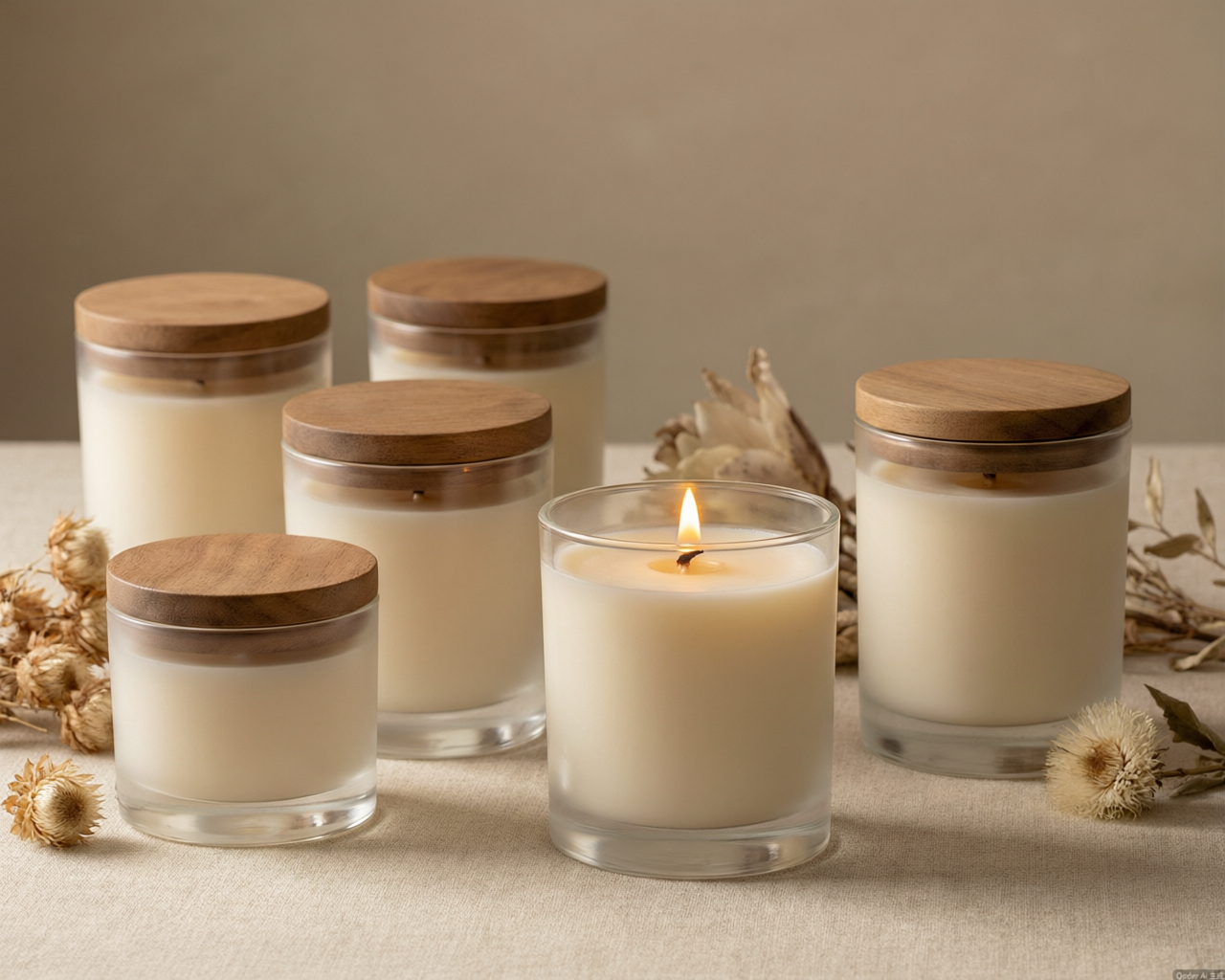
- Scented candles: EUR 220 million, growing at 9-11% annually
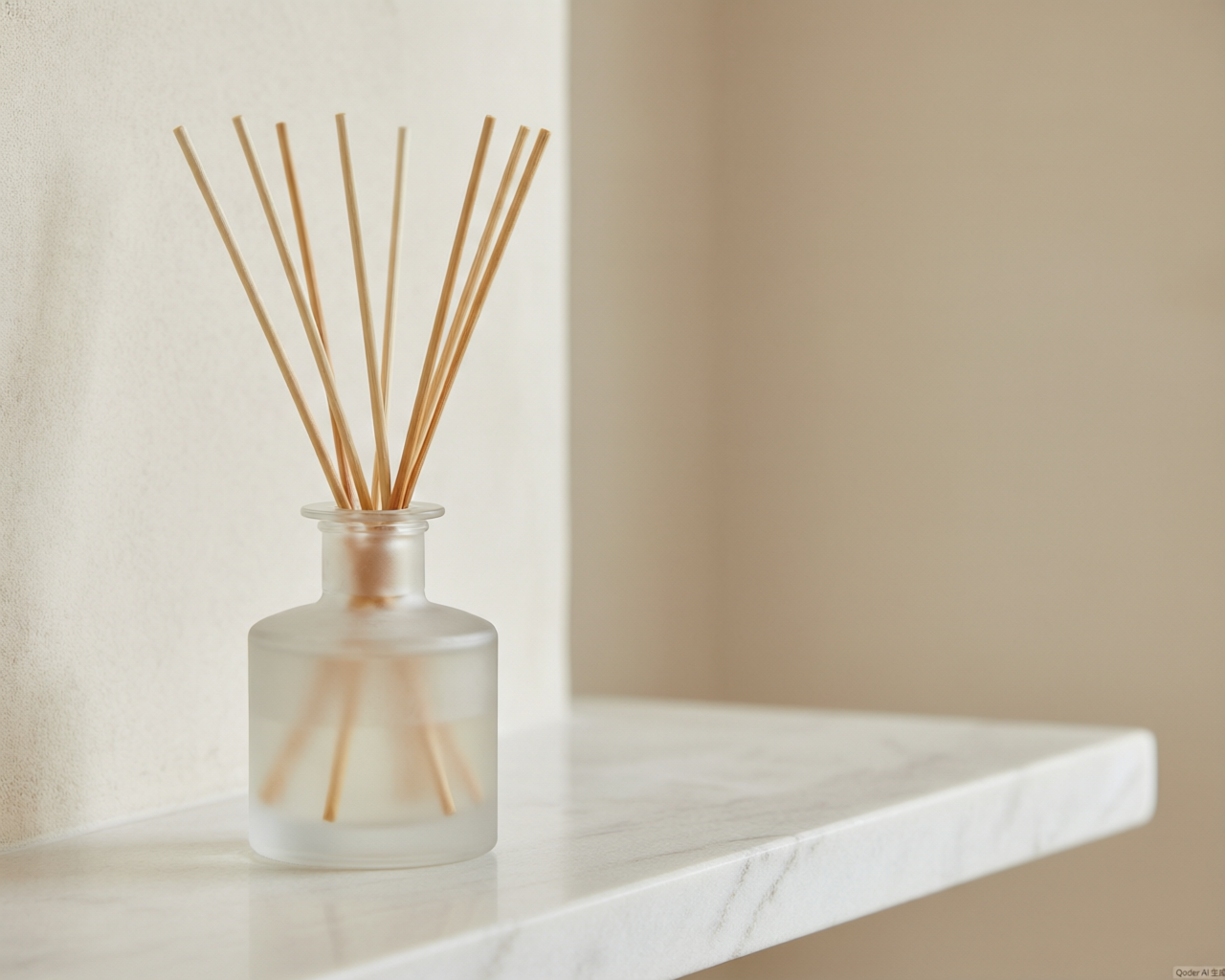
- Reed diffusers and room sprays: EUR 310 million
- Electric diffusers and devices: EUR 180 million
- Incense and traditional formats: EUR 140 million
Growth is concentrated in the premium and natural segments. Mass-market products grow at 2-3%, while premium home fragrance (candles above EUR 20, diffusers above EUR 30) grows at 12-15% annually.
Consumer Trends Shaping Demand
Mediterranean scent identity: Spanish consumers gravitate toward scents that evoke their environment: citrus (orange blossom, lemon), Mediterranean herbs (rosemary, lavender, thyme), fig, olive wood, and sea breeze. These profiles outperform heavy oriental fragrances in the home category.
Natural and sustainable positioning: The “clean home” trend is strong in Spain. Products marketed as natural wax (soy, coconut), phthalate-free, vegan, and eco-packaged command 15-25% price premiums. Spanish consumers increasingly check ingredient lists and sustainability claims.
Tourism-driven demand: Spain received 85 million international tourists in 2024. Hotels, vacation rentals, spas, and restaurants invest heavily in ambient scenting to create memorable experiences. The hospitality B2B channel represents EUR 120-150 million in annual home fragrance purchases.
Gifting culture: Home fragrance products are popular gifts, particularly during Navidad (Christmas), Reyes (Epiphany, January 6), and San Valentin. Gift sets and limited editions drive 30-40% of annual candle sales in Q4.
Interior design integration: Spanish consumers view home fragrance as part of interior decoration. Products with design-forward vessels (ceramic, terracotta, hand-blown glass) that complement Mediterranean and modern interiors perform strongly.
Distribution Channels
Specialty retail: Chains like Zara Home, Maisons du Monde, and Casa distribute home fragrance at mid-range prices. Independent boutiques in Madrid, Barcelona, Valencia, and Seville carry premium imports.
Department stores: El Corte Ingles (93 locations nationwide) is the dominant department store, with dedicated home fragrance floors carrying both mass and luxury brands.
Drugstores and perfumeries: Primor, Druni, and Aromas perfumery chains stock accessible home fragrance lines. These buyers prioritize competitive pricing and fast turnover.
E-commerce: Amazon.es, El Corte Ingles online, and brand DTC sites account for 20-25% of sales. Spanish consumers increasingly purchase home fragrance online, particularly for replenishment.
Hospitality and contract: Hotels (Meliá, NH, Barceló groups), restaurants, and commercial spaces purchase through specialized scent marketing companies or direct from distributors.
Wholesale and trade: Mercamadrid and regional wholesale markets serve smaller retailers. Trade fairs like Intergift (Madrid, February/September) and Maison et Objet connections drive B2B orders.
Pricing Landscape
| Product | Mass Market (EUR) | Mid-Range (EUR) | Premium (EUR) |
|---|---|---|---|
| Scented candle (200g) | 3-8 | 10-25 | 30-65 |
| Reed diffuser (100ml) | 4-10 | 12-30 | 35-80 |
| Room spray (100ml) | 3-7 | 9-20 | 25-50 |
| Candle gift set | 8-15 | 20-45 | 50-120 |
Chinese manufacturers can supply mid-range quality products at FOB costs of EUR 2-6, enabling healthy margins for Spanish importers at retail price points of EUR 12-30.
Regulatory Framework
As an EU member state, Spain applies EU-wide regulations:
- EU Cosmetics Regulation (EC) 1223/2009: Applies to personal fragrance products
- REACH (EC) 1907/2006: Chemical substance registration and restriction
- CLP Regulation (EC) 1272/2008: Hazard classification and labeling for mixtures
- General Product Safety Regulation (EU) 2023/988: Consumer product safety obligations
- Spanish Royal Decree 85/2018: National implementation of cosmetics regulation
Additional Spanish requirements:
- Product labels must be in Spanish (Castellano). Products sold in Catalonia, Basque Country, or Galicia may require co-official language labeling for certain product categories.
- The Agencia Espanola de Medicamentos y Productos Sanitarios (AEMPS) oversees cosmetics notification.
- Importers must register in the Registro de Empresas y Establecimientos (REE) for certain product categories.
Import Logistics
- Ocean transit from China: 30-38 days to Port of Valencia or Port of Barcelona
- Freight costs: USD 2,200-4,000 per 40-foot container (2025)
- EU import duty: 0% for candles (HS 3406), 6.5% for room deodorizers (HS 3307)
- Spanish VAT (IVA): 21% on imported goods
- Key ports: Valencia (largest container port), Barcelona, Algeciras
Opportunities for Chinese Manufacturers
Spanish buyers actively seek Chinese manufacturing partners for:
- Private label programs: Spanish retailers and brands outsource production for their own-label home fragrance lines. Zara Home, for example, sources extensively from Asia.
- Custom hospitality products: Hotels need branded candles and diffusers in volume. Chinese factories offer the customization depth required.
- Seasonal collections: Spanish brands launch 3-4 collections per year and need flexible manufacturing partners.
- Sustainable product lines: Soy wax, recycled glass, and FSC-certified packaging are in high demand. Factories offering verified sustainable options have a competitive edge.
Entering the Spanish Market
- Attend trade fairs: Intergift Madrid (February and September) is the primary B2B home fragrance event. Iberflora (Valencia) covers floral and lifestyle products.
- Appoint a Spanish distributor: Companies like Alvarez Beltran, Cerabella, or Boles d’Olor understand retail relationships and regulatory requirements.
- Adapt scents for Spain: Prioritize citrus, Mediterranean herbal, and light floral profiles. Reduce intensity compared to Middle Eastern formulations.
- Prepare EU documentation: REACH compliance, CLP labeling in Spanish, and safety assessments are mandatory before market entry.
- Consider sustainability certifications: FSC, ECOCERT, or vegan certifications open doors with premium Spanish retailers.
Conclusion
Spain combines cultural fragrance affinity with strong retail infrastructure and tourism-driven demand. B2B suppliers who offer Mediterranean-appropriate scents, sustainable materials, and full EU compliance documentation will find receptive buyers across retail, hospitality, and e-commerce channels. The market rewards quality, design, and authenticity over pure volume.
Aromiso supplies Spanish distributors and brands with EU-compliant candles, diffusers, and room sprays featuring Mediterranean scent profiles, natural wax options, and full REACH/CLP documentation. Contact our European market team for samples and pricing.