Sourcing & Procurement
Top Private Label Fragrance Manufacturers in China
Dieser Artikel ist noch nicht auf Deutsch verfügbar. Sie lesen die englische Version.

The private label fragrance market in China has matured significantly over the past decade. Manufacturers that once only filled generic formulations now offer full-service product development, from scent creation to retail-ready packaging. For B2B buyers launching or scaling a fragrance brand, understanding what separates top-tier manufacturers from average ones is essential to protecting your investment.
This guide outlines the evaluation framework used by experienced importers and brand owners.
What “Private Label Fragrance Manufacturing” Includes
The term covers a spectrum of services:
- Basic private label: You provide the formula; the manufacturer fills, labels, and packages under your brand.
- ODM (Original Design Manufacturing): The manufacturer offers existing formulations you can select and rebrand.
- Full OEM/ODM: The manufacturer develops custom formulations, designs packaging, and manages compliance under your brand name.
Most buyers benefit from full OEM/ODM partnerships, which reduce your internal R&D burden and compress time to market from 12+ months to 8-16 weeks.
The Manufacturer Landscape in China
China’s private label fragrance manufacturers cluster in:
- Guangzhou (Guangdong): The largest concentration, with 400+ facilities. Strengths in fine fragrance, home fragrance, and personal care. Proximity to packaging supply chains in Dongguan and Shenzhen.
- Shanghai and Suzhou (Jiangsu/Zhejiang): Higher concentration of multinational-adjacent manufacturers with GMP-certified facilities. Slightly higher pricing but stronger regulatory documentation.
- Chengdu and Kunming (Sichuan/Yunnan): Emerging hubs leveraging local botanical resources for natural and organic positioning.
Seven Criteria for Evaluating Manufacturers
1. R&D Depth
Top manufacturers employ 5-15 in-house perfumers or fragrance chemists. They maintain libraries of 2,000-10,000 base formulations and can develop a custom scent from a brief within 15-25 working days.
Questions to ask:
- How many new formulations do you develop per month?
- Do you use GC-MS and electronic nose equipment for quality matching?
- Can you replicate a competitor’s scent profile (within legal limits) as a starting point?
2. Regulatory and Compliance Infrastructure
For export markets, your manufacturer must provide:
- IFRA compliance certificates (current amendment)
- EU CLP-compliant labeling
- REACH registration support (for imports over 1 tonne/year)
- US FDA cosmetic facility registration (if applicable)
- California Prop 65 assessments
- Allergen declarations (EU 26 or expanded 80+ list)
A manufacturer with a dedicated regulatory affairs team (2-3 staff) handles these internally rather than outsourcing to consultants, reducing your per-SKU compliance cost from $500-$1,000 to near zero.
3. Production Capacity and Flexibility
Evaluate:
- Monthly output capacity (top facilities produce 500,000+ units across product formats)
- Number of filling lines (minimum 3-4 for scheduling flexibility)
- Minimum order quantities (best partners accept 1,000-3,000 units per SKU for initial orders)
- Ability to handle mixed-format orders (e.g., 5,000 candles + 3,000 diffusers + 2,000 room sprays in one production run)
4. Quality Management Systems
Require:
- ISO 9001:2015 certification (quality management)
- ISO 22716 (GMP for cosmetics, if producing personal care fragrances)
- Documented QC process with 5+ inspection points
- Batch traceability (every unit traceable to raw material lot numbers)
- Annual third-party audit reports (SGS, Bureau Veritas, or TUV)
5. Supply Chain Transparency
Top manufacturers disclose:
- Fragrance oil sources (named suppliers or in-house production)
- Wax, solvent, and packaging material origins
- Lead times for raw material procurement
- Safety stock levels for key inputs
This transparency protects you from sudden quality changes or supply disruptions.
6. Packaging and Design Support
Full-service manufacturers offer:
- In-house graphic design team (2-5 designers)
- Access to 200+ stock vessel and packaging options
- Custom mold development (glass, ceramic, metal) with 25-40 day timelines
- Sustainable packaging options (recycled glass, FSC-certified paper, soy-based inks)
Packaging development typically adds 2-4 weeks to your timeline but eliminates the need to coordinate separate vendors.
7. Communication and Project Management
Often overlooked but critical:
- Dedicated English-speaking account manager
- Response time under 12 hours during business days
- Weekly production updates with photos or video
- Experience with your market’s retail requirements (Amazon FBA prep, EU distributor specifications, etc.)
Pricing Benchmarks for Private Label Fragrance Products
| Product | Volume | FOB Unit Cost |
|---|---|---|
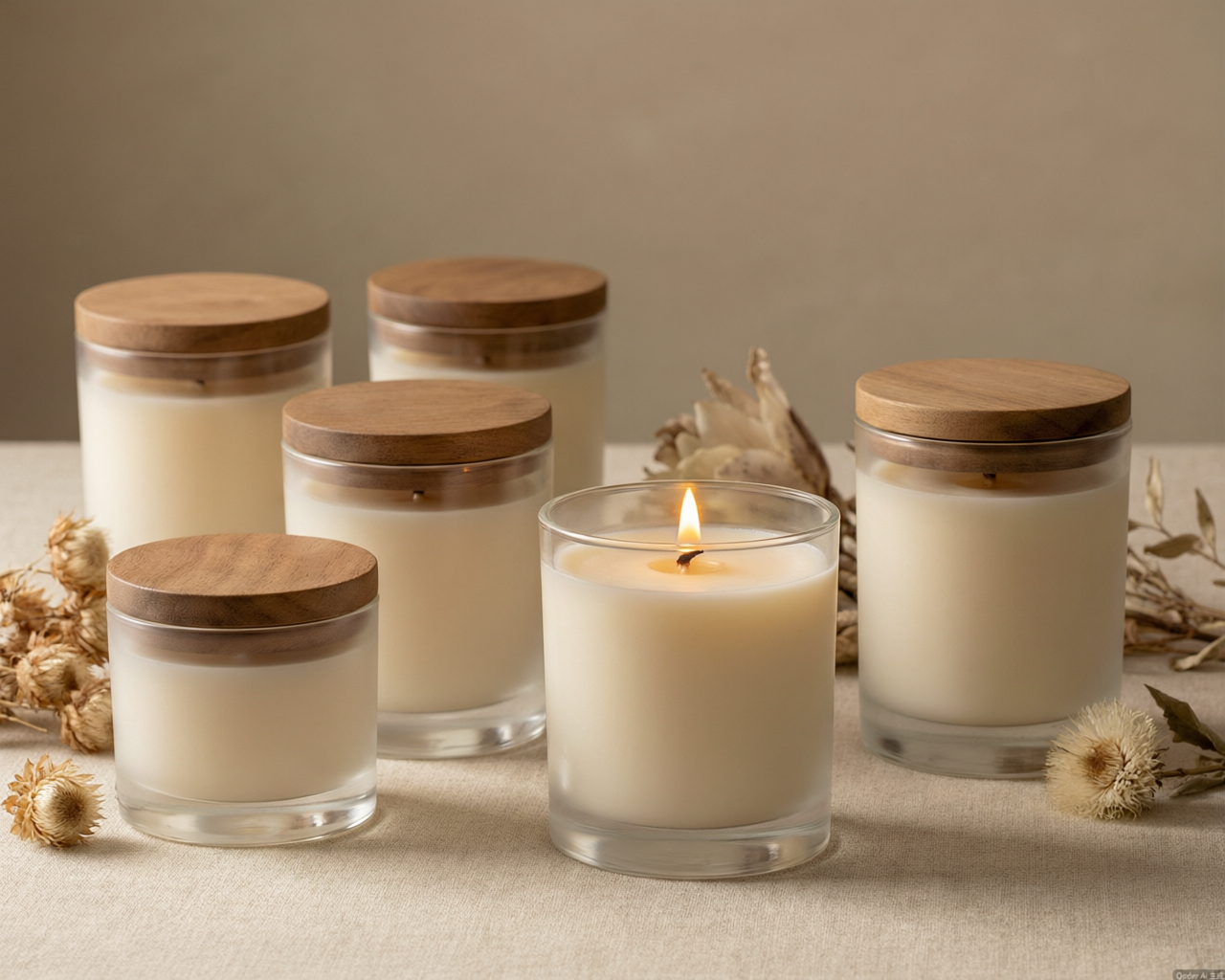
| 8 oz soy candle (glass jar, custom scent) | 3,000 units | $2.50 - $4.00 |
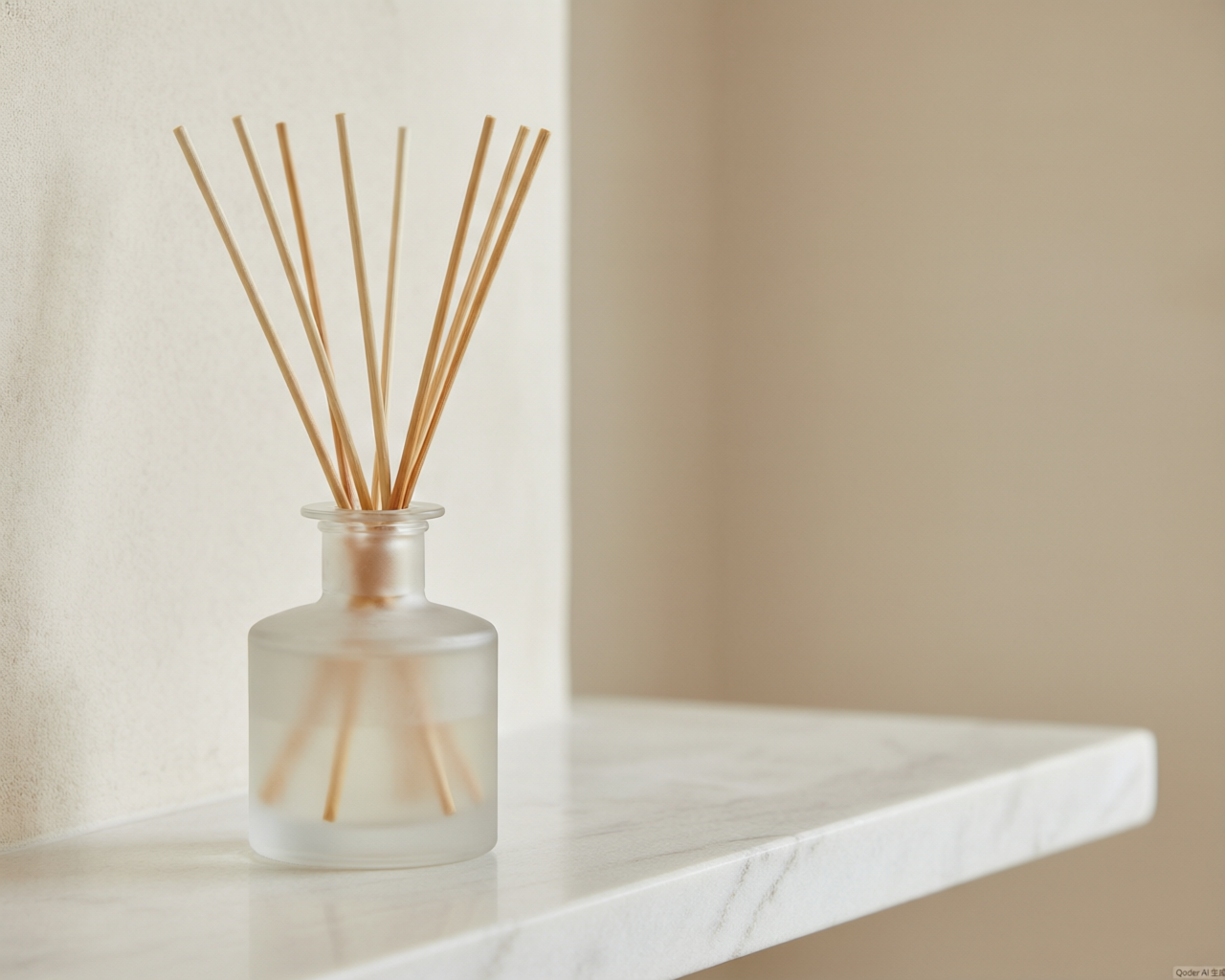
| 100 ml reed diffuser (custom formulation) | 3,000 units | $2.80 - $4.50 |
| 50 ml room spray | 5,000 units | $1.50 - $2.80 |
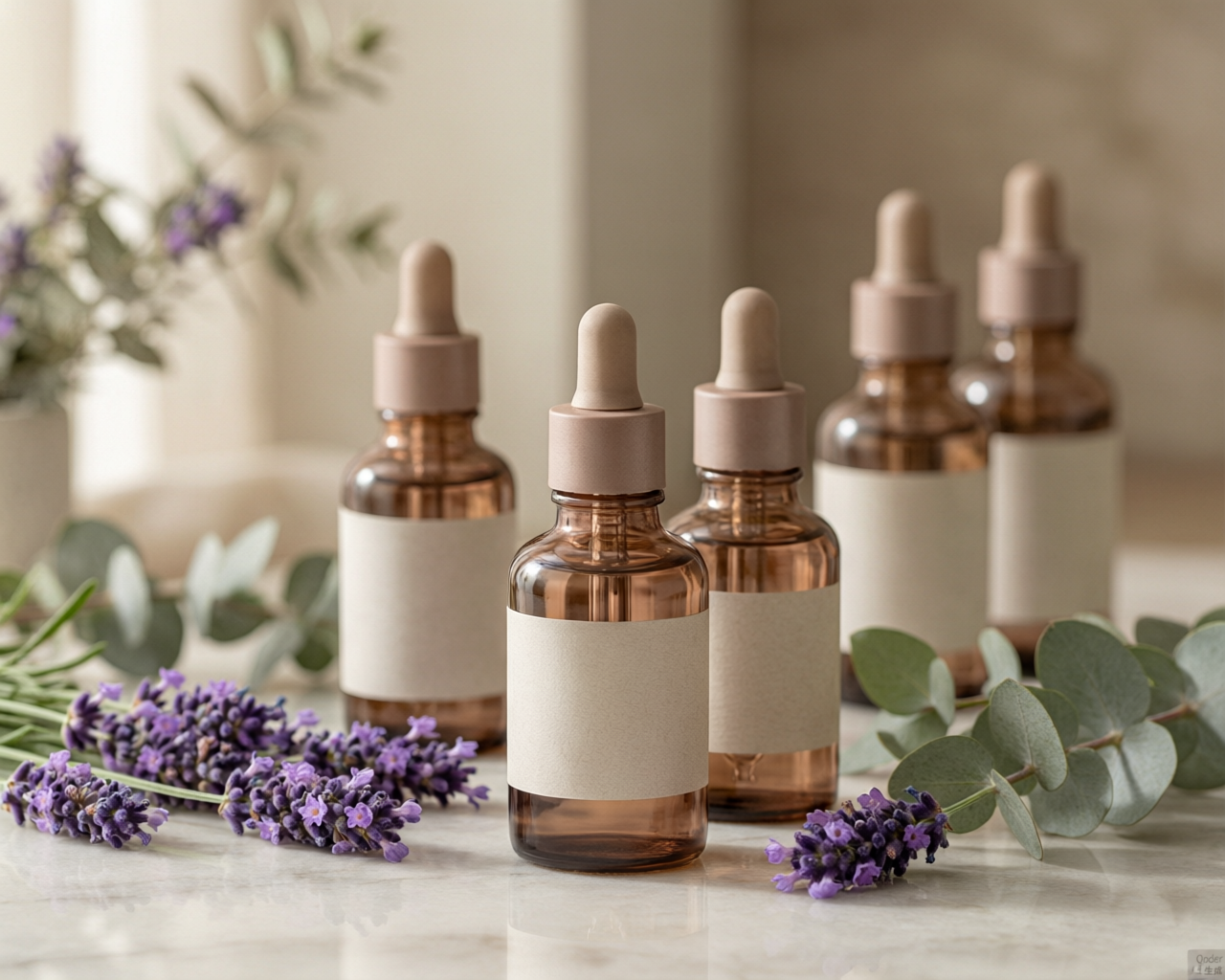
| 10 ml fragrance oil (retail bottle) | 5,000 units | $1.20 - $2.50 |
| Custom scent development (per fragrance) | One-time | $300 - $1,500 |
These ranges assume custom labeling and standard packaging. Premium materials (wood lids, magnetic boxes, hand-poured finishes) add $0.50-$2.00 per unit.
Partnership Models
Trial Order (Month 1-3)
Start with 1,000-3,000 units across 2-3 SKUs. Total investment: $5,000-$15,000 including samples, production, and shipping. Use this phase to validate quality, communication, and market response.
Growth Phase (Month 4-12)
Scale to 5,000-20,000 units per quarter. Negotiate 10-15% volume discounts and priority scheduling. Introduce seasonal or limited-edition scents.
Strategic Partnership (Year 2+)
Annual commitments of $100,000+ unlock:
- Exclusive formulations (manufacturer agrees not to sell your custom scents to competitors)
- 60-90 day payment terms
- Co-investment in new product development
- Dedicated production line allocation during peak seasons
Common Mistakes to Avoid
- Choosing on price alone: A $0.40 per-unit saving evaporates if 8% of units fail quality inspection.
- Skipping factory audits: A 2-day on-site visit (or paid virtual audit at $300-$500) reveals what no email exchange can.
- Over-ordering on first purchase: Market validation should precede volume commitment.
- Ignoring IP protection: Sign an NDA and, for the Chinese market, register your trademark with CNIPA before sharing brand assets.
- Neglecting packaging testing: Ship-test your packaging before committing to 10,000 units. A $200 drop-test saves a $20,000 damage claim.
Final Thoughts
The best private label fragrance manufacturer is not necessarily the largest or cheapest. It is the one whose capabilities, communication style, and growth trajectory align with your brand’s 3-year plan. Invest 4-6 weeks in proper evaluation. The partnership you establish will determine your product quality, your speed to market, and ultimately your brand reputation.